How Do Arowana React to Thunderstorms?

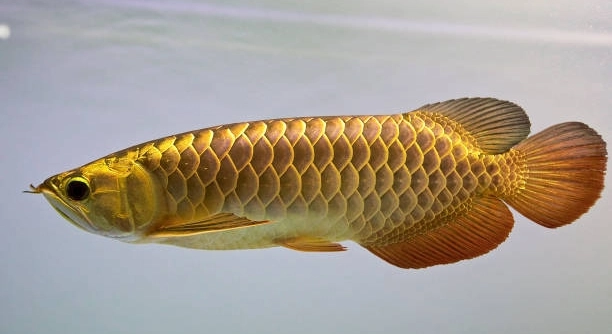
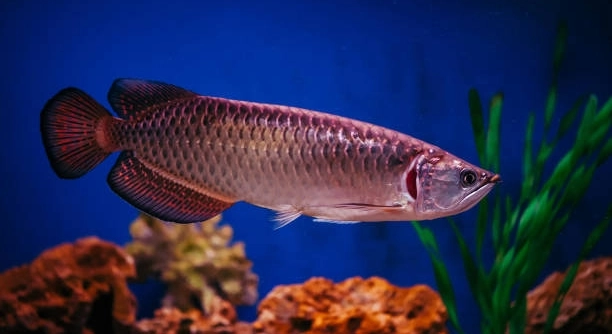
Do you ever notice how your arowana swims differently when the sky darkens and thunder rumbles? Many aquarium owners observe subtle changes in their fish’s behavior during storms, which can be both fascinating and surprising to watch. Arowanas often become more cautious and less active during thunderstorms. Sudden changes in barometric pressure, lightning flashes, and … Read more
7 Times to Avoid Handling Your Arowana

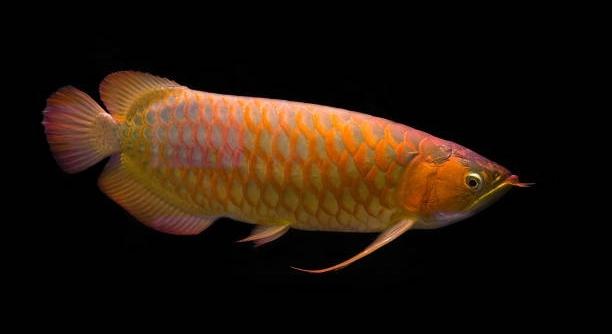
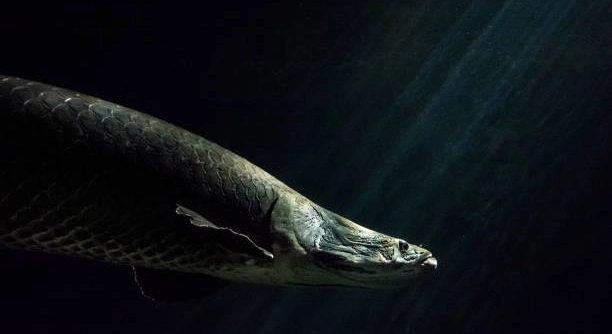
Do you ever find yourself wondering when it is safe to handle your arowana without causing stress or injury? These beautiful fish are sensitive, and knowing the right times to interact with them can keep them healthy and calm. Arowanas should not be handled during feeding, illness, molting, immediately after moving to a new tank, … Read more

7 Triggers That Make Arowana Defensive

Arowanas are beautiful and powerful fish that many hobbyists love to keep. They can sometimes act out in ways that seem sudden or aggressive, leaving owners unsure of what triggers these defensive behaviors. Arowanas become defensive due to environmental stressors, sudden changes in their habitat, overcrowding, unfamiliar tankmates, improper handling, poor water quality, and perceived … Read more

How to Calm a Nervous Arowana Fast

Have you ever noticed your arowana acting restless or darting around its tank for no clear reason? Watching a nervous fish can be stressful, especially when you want it to stay calm and healthy in its environment. The most effective method to calm a nervous arowana quickly is by minimizing sudden movements and loud noises … Read more

Can Arowana React to Changes in Air Pressure?

Do you ever notice your Arowana swimming differently on some days, appearing restless or unusually calm? These graceful fish can be sensitive to changes in their environment, and small shifts around them may influence their behavior. Arowanas can react to changes in air pressure due to their reliance on environmental cues for comfort and feeding … Read more

7 Signs Your Arowana Is Ready to Breed

Have you noticed your Arowana swimming more actively or showing unusual behaviors lately? Observing these subtle changes can give clues about their readiness to breed. Understanding these signs helps create a healthy environment for reproduction. Arowanas exhibit several behavioral and physical indicators when ready to breed. Key signs include changes in color intensity, increased activity … Read more

7 Reasons Your Arowana Might Stop Eating Suddenly

Your Arowana is usually a lively and enthusiastic eater, but sometimes it may suddenly refuse food. This can be worrying, especially when you have spent time carefully maintaining its tank and diet. Arowanas may stop eating due to stress, poor water quality, illness, sudden changes in diet, improper temperature, or injuries. Identifying the underlying cause … Read more

7 Ways to Improve Arowana Mental Stimulation

Arowanas are intelligent and active fish that benefit from more than just a clean tank and proper diet. Keeping their minds engaged can improve their overall well-being and reduce boredom-related behaviors in captivity. Providing mental stimulation for arowanas can be achieved through environmental enrichment, interactive feeding techniques, and structured activities. These strategies encourage natural behaviors, … Read more

Do Arowana Prefer Certain Background Colors?

Have you ever noticed how the colors in your aquarium seem to change the mood of your fish? Arowanas are striking creatures, and many hobbyists find themselves observing how they respond to their surroundings. Subtle shifts in background colors may catch their attention and influence their behavior in ways that are not always obvious at … Read more

Why Is My Arowana Obsessively Pacing?

Do you ever notice your arowana swimming back and forth across its tank in a constant loop? Observing this behavior can be worrying, especially when your fish seems restless or uneasy, moving with little pause throughout the day. Arowanas often pace obsessively due to stress, insufficient space, or inadequate tank conditions. Overcrowding, poor water quality, … Read more