
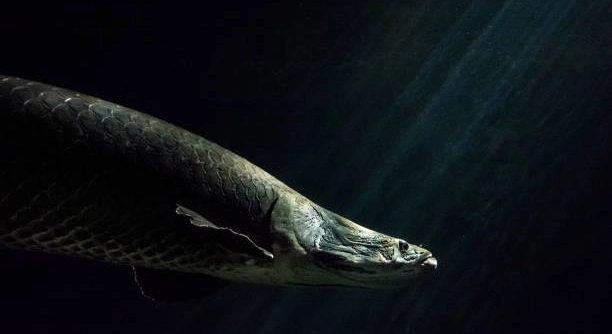
Arowanas are beautiful and powerful fish that many hobbyists love to keep. They can sometimes act out in ways that seem sudden or aggressive, leaving owners unsure of what triggers these defensive behaviors.
Arowanas become defensive due to environmental stressors, sudden changes in their habitat, overcrowding, unfamiliar tankmates, improper handling, poor water quality, and perceived threats. These factors influence their natural instincts, causing increased territorial and protective responses.
Recognizing these triggers can help you maintain a calm and healthy tank environment for your arowana. Observing their behavior carefully is key to preventing unnecessary stress.
Sudden Changes in Environment
Arowanas are highly sensitive to sudden changes in their environment. Even small shifts, like rearranging decorations or moving the tank, can make them feel unsafe. They rely on familiar surroundings to feel secure, and when these are disrupted, their defensive instincts can kick in. Water temperature changes or new lighting can also trigger stress. I noticed that when I replaced part of my tank décor, my arowana became more skittish and swam aggressively near the glass. They need stability to maintain calm behavior. Even introducing a new filter or moving the tank to another room can make a noticeable difference in their mood. It’s important to make adjustments gradually and monitor their reaction. Observing their behavior closely after any change can prevent prolonged stress. Patience and slow transitions are key. Consistency in water parameters and tank layout helps them feel safe and reduces defensive responses over time.
Sudden environmental changes can make arowana anxious, leading to defensive behavior. Gradual adjustments are essential to maintain calmness.
Keeping the tank stable and predictable is one of the easiest ways to prevent stress. Minor changes should be done slowly, allowing the fish to adjust over days. Arowanas react not only to big changes but also to small disturbances, like shifting plants or decorations. Even moving the tank slightly can make a difference. Observing their reactions closely helps identify what stresses them the most. By maintaining consistent water conditions, temperature, and lighting, you can reduce unexpected defensive behavior. Slow introduction of any new elements or equipment ensures the arowana feels secure, creating a peaceful environment that encourages natural behavior.
Overcrowding
Too many fish in the same tank can stress an arowana. They need ample space to swim and claim territory, and overcrowding can quickly make them defensive.
Overcrowding limits movement and increases aggression among tankmates.
Arowanas are territorial by nature. When they feel cramped, they become more alert to other fish around them. This can lead to chasing, nipping, or hiding for extended periods. Overcrowded tanks also cause water quality to deteriorate faster, adding another stress factor. I had a tank with multiple large fish once, and my arowana became extremely defensive, often flaring fins at any movement. Reducing the number of fish and ensuring adequate space for each greatly improved their calmness. Each arowana needs a minimum tank size to feel safe, and adding too many companions disrupts their sense of territory. Overcrowding not only affects behavior but also long-term health. Proper planning of tank population is necessary to maintain a peaceful and balanced environment for these majestic fish.
Improper Handling
Frequent or rough handling can make arowanas defensive. They are sensitive creatures and react strongly when stressed by human interaction, even during cleaning or tank maintenance.
I learned that trying to move my arowana too quickly caused it to thrash violently. Arowanas prefer minimal disturbance, and even small, careful movements can be enough to trigger defensive behavior. Using gentle techniques, like supporting their body fully and avoiding sudden contact, makes a noticeable difference. Over time, my fish became less anxious during necessary handling. Handling should always be quick, calm, and purposeful to avoid triggering fear or aggression.
Avoiding excessive handling helps maintain calmness. Arowanas respond better to predictable, minimal contact, which reduces stress.
Consistent, gentle handling is crucial for arowana health. Even experienced fishkeepers can accidentally stress them when attempting to catch or move them. Sudden grabs or splashing water can signal a threat, causing defensive reactions that may result in injury to both the fish and the keeper. I started using a soft net and slowly guiding my arowana into it rather than chasing it. Over time, this approach reduced its stress noticeably. Patience and careful technique during feeding, tank cleaning, or water changes prevent defensive displays and keep the fish confident and secure. Regular observation helps identify when handling is necessary and when it can be avoided, preserving both behavior and wellbeing.
Poor Water Quality
Arowanas are highly sensitive to water quality, and poor conditions can make them defensive. Low oxygen, high ammonia, or inconsistent pH directly affect their behavior and health.
I noticed that after a week without proper filtration, my arowana became more aggressive and retreated constantly. Keeping water parameters stable with regular testing and partial water changes reduced its stress levels dramatically. Clean, well-oxygenated water promotes calm behavior and supports long-term health, preventing defensive tendencies.
Maintaining optimal water conditions requires regular monitoring. Testing for ammonia, nitrites, nitrates, and pH ensures a stable environment. Temperature fluctuations can also add stress, so keeping the tank at consistent warmth suited to arowanas is necessary. Filters, aeration, and partial water changes help maintain clarity and chemical balance. I make it a habit to check parameters weekly and adjust as needed, which keeps my arowana relaxed and active. Neglecting these factors quickly leads to erratic swimming, hiding, and aggression. Clean water and proper filtration are the foundation for preventing defensive behavior, promoting a safe and stress-free habitat.
Unfamiliar Tankmates
Introducing new fish can make arowanas defensive. They are territorial and may perceive unfamiliar tankmates as threats, leading to chasing or aggressive displays.
I experienced this when adding a small catfish. My arowana became tense and guarded its area constantly. Gradual introductions and monitoring interactions helped reduce stress.
Perceived Threats
Arowanas react defensively to sudden movements outside the tank. Shadows, tapping, or approaching hands can trigger flaring and fast swimming.
Overfeeding
Excessive feeding can stress arowanas, causing restlessness and defensive behavior. Overfeeding leads to poor water quality, which directly affects their mood. Regular, measured feeding keeps them calm and reduces aggressive tendencies.
How can I tell if my arowana is stressed?
Arowanas show stress in several ways. They may swim rapidly from one side of the tank to the other, hide constantly, or refuse food. Flaring fins, clamped tails, and erratic movements are also signs. I noticed that when my arowana’s environment changed suddenly, it spent most of its time near the surface, appearing alert and tense. Observing daily behavior carefully helps detect stress early. Consistency in tank setup, water quality, and feeding routine makes a big difference. Stress signs often appear before illness, so early attention can prevent bigger problems.
What are the best ways to introduce new tankmates?
Gradual introduction is essential. I usually keep new fish in a separate tank or a quarantine cage within the main tank for a few days. This allows the arowana to see them without direct contact, reducing territorial aggression. Slowly allowing interaction over time helps the arowana adjust. Monitoring behavior during this period is critical. Avoid adding multiple fish at once, as overcrowding can heighten stress and lead to defensive actions. When finally released, the new fish should have plenty of space to swim, and hiding spots can help diffuse tension. This approach makes the tank more peaceful for everyone.
How often should I test water quality?
Regular testing is crucial. I check water parameters at least once a week. Key factors include ammonia, nitrite, nitrate, pH, and temperature. Even slight fluctuations can make arowanas defensive or lethargic. Using a reliable test kit ensures accuracy. Partial water changes after testing help maintain stability. Keeping consistent water quality reduces stress and prevents health problems. Over time, this routine became part of my tank care schedule, making the arowana calmer and more responsive. Quick adjustments when parameters drift prevent prolonged defensive behavior and protect overall wellbeing.
Can lighting affect arowana behavior?
Yes, lighting changes can trigger defensive behavior. Bright or sudden lights can startle arowana, while constant dim lighting may stress them due to lack of stimulation. I found that gradual lighting changes and using a timer created a predictable day-night cycle. Natural light exposure should be controlled to prevent shadows or glare that could make the fish feel threatened. Consistency is key—irregular light patterns often caused my arowana to hide or flare fins. Soft, evenly distributed lighting supports normal activity and reduces defensive reactions.
What is the best way to handle an arowana?
Gentle handling is crucial. I avoid unnecessary contact, and when moving my arowana, I support its full body and use a soft net. Sudden grabs or splashes cause immediate defensive responses. Preparing the tank and minimizing movement during cleaning reduces stress. Quick, calm handling for feeding or health checks prevents fear-based behavior. Over time, careful techniques make the arowana more relaxed during necessary interactions. Handling should always prioritize the fish’s safety to maintain trust and reduce aggression.
How does diet affect defensive behavior?
Proper feeding prevents stress and excessive defensiveness. Overfeeding leads to poor water quality, which irritates arowanas. I follow a set schedule and feed measured portions. A balanced diet with live or frozen foods encourages natural behavior and reduces restlessness. Skipping meals occasionally is safer than overfeeding. A consistent diet improves their mood and makes them more tolerant of tankmates and environmental changes. Behavioral issues often decreased once I adjusted feeding amounts and maintained high-quality food.
Are tank decorations important for reducing stress?
Yes, decorations provide hiding spots and defined territory. I place driftwood, rocks, and plants strategically, allowing the arowana to feel secure. Too many decorations can overcrowd, while too few leave the fish exposed. A balanced layout helps reduce defensive responses by giving the fish control over its environment. Observing where the arowana spends most time helps decide placement. Hiding areas near the corners of the tank make the fish feel protected and less likely to act aggressively.
What should I do if my arowana becomes aggressive suddenly?
Immediate steps help calm them. I check water parameters, reduce disturbances near the tank, and observe any changes in tankmates. Removing or separating aggressive fish temporarily can reduce tension. I avoid tapping the glass or chasing the arowana. Gradual environmental adjustments, stable feeding, and ensuring adequate space often resolve short-term aggression. Monitoring for signs of injury or illness is important, as sudden defensive behavior can indicate health issues. Consistent routines help prevent repeat occurrences.
How long does it take for an arowana to adjust to a new tank?
Adjustment depends on the fish and environment. For me, it usually took one to two weeks for calm behavior to appear. Providing stable water quality, familiar hiding spots, and minimal handling accelerated the process. Sudden changes slowed adjustment, causing defensive responses. Patience and careful observation are essential. Observing daily behavior helps track progress, allowing small adjustments without increasing stress. Gradual acclimation ensures the arowana feels secure and reduces defensive tendencies over time.
Can temperature fluctuations make an arowana defensive?
Yes, inconsistent temperature is stressful. I maintain a stable range suitable for arowanas, using heaters and monitoring daily. Even small drops can cause restlessness and defensive actions. A steady temperature ensures metabolic stability and reduces irritability. Sudden temperature swings correlate strongly with aggressive or skittish behavior in my experience, making careful control essential.
Final thoughts on keeping arowanas calm come down to understanding their nature and creating an environment that feels safe. Arowanas are large, powerful fish with strong territorial instincts. They are naturally alert and respond quickly to perceived threats, whether it’s a sudden movement outside the tank, a new fish being added, or changes in their surroundings. Observing their behavior closely helps in identifying what makes them uncomfortable. When I started paying attention to my arowana’s reactions, I realized that even small things, like moving decorations or adjusting the lighting, could cause stress. Being consistent with the setup of the tank, including hiding spots, decorations, and the general layout, gives the fish a sense of security. Small, gradual changes are much easier for them to handle than sudden alterations, which often trigger defensive behavior.
Water quality is another key factor that directly affects behavior. Arowanas are very sensitive to ammonia, nitrites, and pH levels, and poor water conditions can make them defensive almost immediately. I learned that testing water weekly and performing partial water changes helped maintain a stable environment. Maintaining consistent temperature and oxygen levels is equally important, as fluctuations can cause anxiety and erratic swimming. Overfeeding or underfeeding also impacts water quality and stress levels. I found that sticking to a regular feeding schedule with controlled portions kept my fish calmer and healthier. Over time, careful attention to water quality and feeding routines created a more predictable environment where my arowana felt comfortable and less defensive.
Handling and interactions are just as important as the physical environment. Arowanas respond poorly to rough or frequent handling, so it’s best to limit direct contact whenever possible. When I needed to move my fish or clean the tank, I made sure to use gentle methods, supporting its body fully and moving slowly. Introducing new tankmates should also be done gradually, allowing the arowana to observe without feeling immediately threatened. Decorations and hiding spots help them feel secure, and adequate space is necessary to prevent territorial disputes. By focusing on these aspects—consistent environment, clean water, proper feeding, careful handling, and mindful introductions—you can reduce defensive behavior significantly. Patience and observation are key, as every arowana has its own personality and adjusts at its own pace. Following these practices has made my fish calmer, more confident, and healthier over time.

Hello,
If you enjoy the content that we create, please consider saying a "Thank You!" by leaving a tip.
Every little bit helps us continue crafting quality advice that supports the health, happiness, and well-being of pets around the world, for pets of all shapes, sizes, and species.
We really appreciate the kindness and support that you show us!