
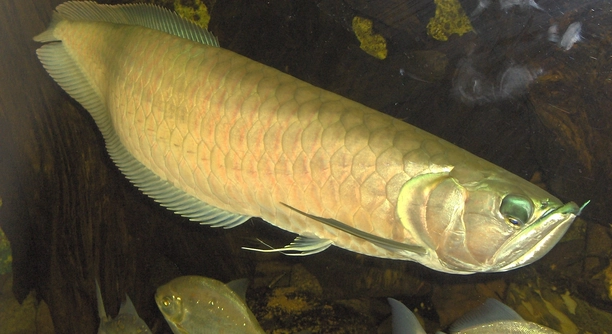
Have you noticed your Arowana swimming more actively or showing unusual behaviors lately? Observing these subtle changes can give clues about their readiness to breed. Understanding these signs helps create a healthy environment for reproduction.
Arowanas exhibit several behavioral and physical indicators when ready to breed. Key signs include changes in color intensity, increased activity levels, development of a breeding tube in females, and males guarding territories. Monitoring these factors ensures appropriate breeding conditions.
Knowing how to identify these cues can make the breeding process smoother and more successful for your fish. Paying attention to these details ensures healthier, happier Arowanas.
Increased Activity and Restlessness
Arowanas often show signs of increased activity when they are ready to breed. You might notice your fish swimming back and forth more than usual or patrolling the tank aggressively. They may spend more time near the surface or inspecting tank corners. This restlessness is part of their natural instinct to prepare for spawning. Male Arowanas can become more territorial, chasing other fish or establishing a preferred area in the tank. Female Arowanas might also display heightened movement, signaling readiness. Watching for these behaviors over several days helps you confirm if the changes are consistent and not due to temporary stress. Providing a calm, spacious environment with proper filtration and clean water supports their activity without adding unnecessary stress. Feeding them a nutritious diet at this time also encourages healthy energy levels, which is important for successful breeding and overall well-being.
Heightened activity is one of the clearest behavioral signs that your Arowana may be ready to breed.
Tracking these movements carefully allows you to adjust tank conditions and ensure both fish feel secure. Observing patterns over time provides a better understanding of their readiness for reproduction.
Changes in Coloration
Color changes in Arowanas can indicate sexual maturity and breeding readiness. Brighter, more intense hues often appear on the body, fins, and head, reflecting hormonal shifts. Males may develop deeper, richer tones, while females may show subtle highlights. These changes signal reproductive readiness to potential mates.
Coloration is a strong visual cue of breeding readiness and overall health.
Monitoring color changes helps distinguish normal variations from stress or illness. Environmental factors like lighting and water quality can influence how vivid the colors appear. Ensuring optimal tank conditions enhances these natural color shifts. Arowanas may also display patterned marks or slight iridescence during this period, making them more attractive to potential partners. Observing these changes alongside other breeding behaviors provides a clearer picture of their reproductive stage. Maintaining a balanced diet rich in vitamins and proteins also supports color intensity and general vitality. Combining these observations with proper tank management increases the likelihood of successful spawning and healthier offspring.
If you want, I can continue with the next headers and follow the same format for the full “7 Signs” article. Do you want me to continue?
Development of Breeding Tube
The breeding tube becomes noticeable in mature female Arowanas. It appears as a small protrusion near the vent, signaling readiness to lay eggs. Its presence is subtle at first but becomes more defined as spawning approaches.
Observing the breeding tube helps confirm reproductive readiness. Females with a well-developed tube are typically in the later stages of maturity. This physical change usually coincides with other behavioral signs, such as increased activity or color intensification. Male Arowanas may respond to the female’s tube development by becoming more territorial and protective of specific tank areas. Ensuring clean water and minimal disturbances supports this stage, reducing stress that could delay spawning. Monitoring closely allows you to prepare the tank for the breeding process and respond quickly when eggs are laid.
The breeding tube’s development is an essential indicator for timing the introduction of a male and creating suitable breeding conditions. Recognizing this subtle feature ensures the female is physically prepared.
Male Guarding Behavior
Males often guard specific areas of the tank once they are ready to breed. This includes hovering near corners, decorations, or open spaces where they feel secure.
Guarding behavior is a strong sign of reproductive readiness. Males become highly protective, often chasing away other fish or moving objects in the tank. This territorial instinct ensures they can safeguard potential eggs once the female spawns. The intensity of guarding can vary, but consistent observation over several days confirms genuine readiness. Maintaining a calm environment is essential to prevent unnecessary aggression toward tank mates. Providing enough space and hiding spots reduces stress, allowing the male to focus on breeding rather than conflict. Proper feeding routines and water quality support the male’s energy, enhancing his ability to defend the territory effectively and encourage successful spawning.
Do you want me to continue with the next two headers now?
Frequent Surface Visits
Arowanas often visit the surface more frequently when preparing to breed. They may swim near the top for longer periods than usual, inspecting the area carefully.
These visits indicate heightened alertness and readiness. Increased surface activity is linked to feeding and oxygen intake, supporting reproductive energy needs.
Courtship Displays
Males perform distinct courtship behaviors when ready to mate. This includes shaking, circling the female, and flaring fins. Such displays signal strength and readiness, encouraging the female to spawn. Observing these behaviors closely helps confirm that both fish are in a reproductive state.
Appetite Changes
Arowanas may show changes in appetite before breeding. Some may eat more to build energy, while others might eat less due to hormonal changes.
FAQ
How do I know my Arowana is ready to breed?
You can tell by observing a combination of physical and behavioral signs. Look for brighter coloration, increased activity, surface visits, and males guarding territories. Females may develop a visible breeding tube. Courtship displays such as circling and fin flaring are also strong indicators that breeding is likely imminent. Tracking these signs consistently over days or weeks helps confirm readiness.
How long does it take for Arowanas to start breeding once they show signs?
Timing varies depending on the species, age, and tank conditions. Generally, once signs appear, breeding can occur within a few days to a few weeks. Providing clean water, a spacious tank, proper nutrition, and minimal stress increases the chances of a successful spawning period. Environmental stability is key for timely breeding.
Do male and female Arowanas show different signs?
Yes. Males typically become territorial, guard spaces, and display courtship behaviors like shaking and circling the female. Females focus more on developing the breeding tube and may show changes in coloration or appetite. Observing both types of signs together gives the clearest picture of readiness.
Should I separate my Arowanas during breeding?
It is usually best to keep a compatible pair together in a single tank that offers enough space. Separation may prevent mating, but overcrowding or including other aggressive fish can disrupt the process. A large, well-maintained tank reduces stress and allows natural behaviors.
How can I encourage successful breeding?
Maintaining clean water, stable temperature, and proper lighting is essential. Feed both Arowanas a balanced, protein-rich diet to ensure energy for spawning. Reducing disturbances, providing hiding spots, and observing their behavior closely all contribute to a safer and more successful breeding environment.
What do I do after the eggs are laid?
Once the female lays eggs, the male may take the eggs into his mouth for protection, depending on the species. Avoid disturbing the tank during this period. Continue feeding the pair appropriately and monitor water conditions to maintain a healthy environment for the developing fry.
How long does it take for Arowana eggs to hatch?
Eggs typically hatch within 6 to 12 days, depending on species and water temperature. During this period, consistent water quality and minimal stress are critical. After hatching, the fry may remain under the male’s care for some time before swimming freely.
What problems should I watch for during breeding?
Aggression, poor water quality, and inadequate nutrition are common issues. Overcrowding or introducing incompatible fish can cause stress and reduce breeding success. Watch for signs of illness, loss of appetite, or abnormal behaviors, as these can impact both the parents and the developing eggs.
Can young Arowanas breed successfully?
Young Arowanas may show signs of readiness, but they are often not physically mature enough for successful reproduction. Waiting until they reach sexual maturity—usually after 3 to 4 years—is recommended to ensure healthier offspring and reduce stress on the fish.
How often do Arowanas breed?
Breeding frequency depends on species, age, and environmental conditions. Some pairs may breed once a year, while others may attempt multiple times if conditions are ideal. Consistent monitoring and maintaining optimal tank conditions can help maximize breeding opportunities.
Is it necessary to provide a special breeding tank?
While not always required, a dedicated breeding tank with controlled conditions can improve success. It allows easier monitoring of behavior, egg care, and fry development. Ensure the tank mimics the main tank’s water quality and temperature to minimize stress.
How do I handle aggression between the pair?
Mild aggression is natural, especially from males guarding territory. Ensure there is enough space and hiding spots to reduce stress. Severe aggression may require temporary separation until both fish calm down. Observing behaviors closely helps determine whether intervention is necessary.
Can stress prevent Arowanas from breeding?
Yes, stress is one of the most common factors affecting breeding. Poor water quality, sudden changes in temperature, overcrowding, and frequent disturbances can all delay or prevent spawning. Keeping the environment stable and calm is essential for success.
What signs indicate that breeding has failed?
Unfertilized eggs, disinterest from either fish, aggressive fighting, or eggs being eaten are signs of unsuccessful breeding. Poor water conditions or health issues are often contributing factors. Addressing these problems promptly improves the chances in future attempts.
How do I care for the fry after hatching?
Fry require clean, shallow water with gentle filtration and small, high-protein foods like baby brine shrimp. Monitor water quality closely and maintain a stable temperature. Gradually increase tank size as they grow while continuing to feed them nutritious meals for healthy development.
This FAQ covers the essential concerns for Arowana breeding, from signs and timing to fry care and tank management, providing practical guidance for successful reproduction.
Final Thoughts
Breeding Arowanas requires patience, observation, and careful care. Understanding the subtle signs of readiness, such as increased activity, color changes, and courtship behaviors, is crucial. Each fish may show these signs differently, so paying attention to daily habits and small details helps ensure you are prepared for breeding. Arowanas are sensitive creatures, and their behavior can be influenced by water quality, tank size, and the presence of other fish. By closely monitoring your fish, you can recognize when they are truly ready, making the breeding process smoother and less stressful for both the male and female. Taking the time to learn their patterns also helps you respond appropriately if any issues arise during preparation or spawning.
Providing the right environment is essential for successful breeding. A spacious tank with clean, well-filtered water allows the fish to move freely and establish territories without unnecessary stress. Temperature and lighting should remain consistent, as sudden changes can cause confusion or aggression. Nutrition is another critical factor, as Arowanas need a high-protein diet to build energy for reproduction. Feeding them well-balanced meals encourages vitality, which directly impacts their ability to breed successfully. Observing behaviors such as guarding, surface visits, or the appearance of a breeding tube helps you gauge progress. These elements together create an environment that supports natural instincts while minimizing risks associated with breeding in captivity.
Patience and attention to detail are key throughout the breeding process. Even when signs are clear, breeding may not occur immediately, and interruptions or minor stress can delay spawning. It is important to approach the process calmly, avoiding unnecessary handling or changes that could disturb the fish. Documenting observations, such as activity levels, coloration, or feeding habits, can provide insight into patterns that might not be obvious at first. Over time, you will develop a better understanding of your Arowanas’ behaviors and needs. By maintaining a steady environment, providing proper nutrition, and observing closely, you can support a healthy and successful breeding experience while ensuring the overall well-being of your fish. This careful approach makes the process rewarding, resulting in stronger, healthier offspring and more confidence in managing Arowanas in your care.

Hello,
If you enjoy the content that we create, please consider saying a "Thank You!" by leaving a tip.
Every little bit helps us continue crafting quality advice that supports the health, happiness, and well-being of pets around the world, for pets of all shapes, sizes, and species.
We really appreciate the kindness and support that you show us!