7 Things That Disturb Arowana Sleep Cycles
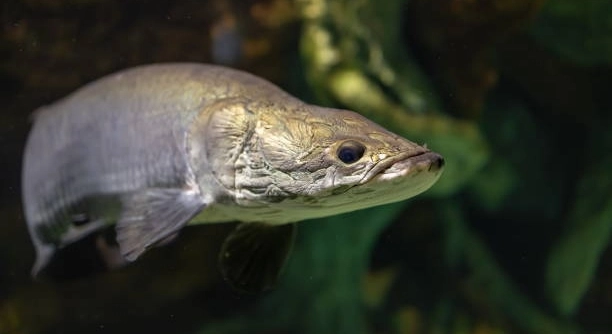
Arowanas are beautiful and elegant fish that many enjoy keeping at home. Watching them glide through the water is calming, yet their sleep patterns are often overlooked, affecting their overall health and well-being in subtle ways. Several factors can disturb Arowana sleep cycles, including inconsistent lighting, sudden noises, overcrowded tanks, improper water temperatures, poor water … Read more
7 Visual Cues to Watch for in Healthy Arowana

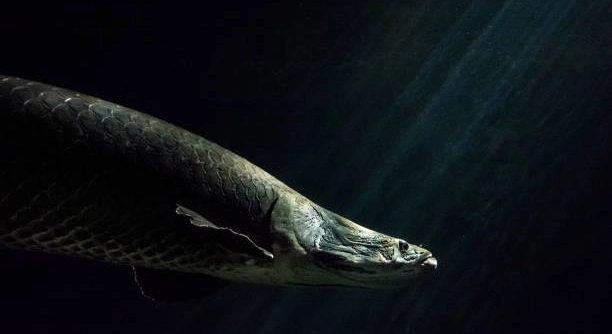
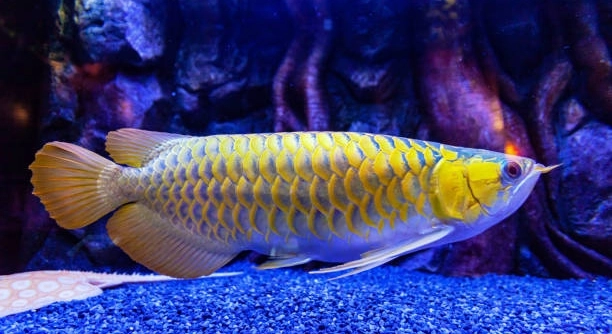
Arowanas are striking fish admired for their shimmering scales and graceful movements. Many aquarists enjoy keeping them but wonder how to tell if their fish are genuinely healthy and thriving in the tank environment. Healthy arowanas display clear, vibrant scales, smooth swimming patterns, responsive behavior, well-formed fins, bright eyes, consistent appetite, and proper body shape. … Read more

Why Is My Arowana Avoiding the Surface?

Is your arowana spending most of its time at the bottom of the tank instead of gliding near the surface? Observing this behavior can be worrying, especially if you are used to seeing your fish swimming gracefully. Arowanas often avoid the surface due to water quality issues, low oxygen levels, or stress from improper tank … Read more

How to Tell If Arowana Are Getting Along

Have you ever bought Arowanas for your aquarium and noticed they seem tense around each other? Watching them interact can be both fascinating and worrying as you try to ensure harmony in your tank. Arowanas that are getting along generally exhibit calm swimming patterns, minimal chasing, and occasional synchronized movements. Aggressive behaviors, like nipping fins … Read more

Do Arowana Mind a Busy Household?

Do you ever wonder how your Arowana handles the hustle of a busy home? These fish are elegant and calm, yet their behavior may shift depending on the noise and activity around them. Observing them closely helps owners understand their needs. Arowanas generally tolerate moderate household activity if their environment is stable. Excessive noise or … Read more

7 Ways to Adjust Arowana Behavior Safely

Are your arowanas showing signs of stress or unusual behavior that leaves you unsure how to respond? Observing your fish daily helps you notice patterns and provides insights into what adjustments may be necessary for their well-being. Adjusting arowana behavior safely involves modifying their environment, feeding schedule, and interaction routines. Key methods include regulating tank … Read more

7 Effects of Poor Diet on Arowana Behavior

Arowanas are beautiful, graceful fish that many hobbyists enjoy keeping. Observing them can be calming, but their behavior is closely linked to what they eat daily and how balanced their diet is. Poor diet in arowanas can lead to noticeable changes in behavior, including lethargy, aggression, reduced appetite, and abnormal swimming patterns. Nutritional deficiencies directly … Read more

7 Steps to a Peaceful Arowana Tank

Have you ever tried keeping an arowana tank and felt unsure about creating a calm space for your fish? Maintaining harmony in their environment can feel challenging when every small detail seems important to manage. Achieving a peaceful arowana tank requires consistent water quality control, proper tank sizing, and carefully chosen tank mates. Maintaining stable … Read more

Should You Cover the Sides of an Arowana Tank?

Have you ever set up a beautiful aquarium for your arowana but noticed it acting jumpy or nervous whenever someone walks by? Covering the sides of an arowana tank helps reduce stress and sudden movements caused by external distractions. Limiting visual stimuli creates a calmer environment, supporting the fish’s natural behavior and promoting better health … Read more

Why Is My Arowana Acting Like It’s Patrolling?

Is your arowana swimming back and forth near the edges of its tank, appearing alert and purposeful? Many fish owners notice this behavior and feel unsure about what it means for their pet’s daily routine. Arowanas often patrol their tanks as a natural territorial behavior. This activity allows them to monitor their surroundings, maintain dominance … Read more