
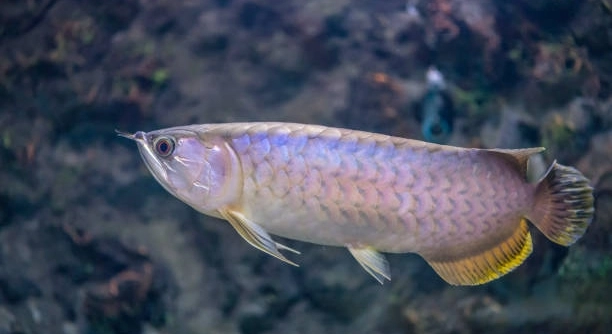
Do you ever notice your Arowana swimming differently on some days, appearing restless or unusually calm? These graceful fish can be sensitive to changes in their environment, and small shifts around them may influence their behavior.
Arowanas can react to changes in air pressure due to their reliance on environmental cues for comfort and feeding patterns. Fluctuations in barometric pressure can affect their swimming activity, appetite, and overall stress levels, demonstrating a measurable behavioral response.
Understanding this connection can help you create a more stable and comfortable habitat for your fish, supporting their health and well-being in subtle but important ways.
How Air Pressure Affects Fish Behavior
Air pressure changes can influence fish in ways you might not expect. Arowanas, like many other species, detect subtle shifts in barometric pressure through their swim bladder. When pressure drops before a storm, they may become more active or swim near the surface, searching for more oxygen. High pressure, on the other hand, often makes them calmer and less likely to feed. Observing these shifts over time can help you notice patterns in your fish’s behavior. It is not just random movement—these changes are part of how Arowanas respond to their environment. Adjusting tank conditions to match natural rhythms, like slightly altering water flow or oxygenation during these times, can help reduce stress. Being attentive to these signals allows you to provide a more comfortable environment and better anticipate your fish’s needs without constantly changing their habitat.
Arowanas respond quickly to even small pressure changes, often within hours. Their behavior can shift noticeably, showing sensitivity that helps you predict feeding patterns.
Keeping a consistent observation routine is valuable. Noticing these subtle behaviors helps identify environmental stressors early. Over time, you’ll understand when your Arowana is reacting to pressure versus other factors, making care more precise. Observing how they swim, feed, and interact with their tank gives insight into their natural instincts. Simple tools like a barometer near the tank can aid this monitoring, giving measurable data instead of relying on guesswork. Small adjustments in aeration or lighting during low-pressure days can prevent stress and improve appetite. This awareness strengthens your ability to create a calm, predictable environment. Recognizing pressure-related behaviors also reduces concern over normal fluctuations, so you can focus on long-term health. Documenting trends allows you to spot patterns, helping maintain a consistent care routine that respects the fish’s natural responses. Overall, understanding air pressure effects adds a subtle but important layer to proper Arowana care.
Tips for Managing Pressure Sensitivity
Keeping tank conditions stable is key. Avoid sudden water changes or temperature swings during pressure shifts.
Simple actions can help your Arowana stay comfortable. Monitoring pressure changes, adjusting aeration, and observing behavior daily ensures your fish remains calm. Providing hiding spaces or slightly dimming lights during low-pressure periods reduces stress. Consistency in feeding times and water quality further supports stability. Some owners use gentle water flow adjustments to mimic natural conditions, helping fish feel secure. It’s also helpful to track behavior against weather patterns over several weeks. Recognizing signs of agitation early prevents potential health issues. By combining observation with small environmental tweaks, you create a tank that responds to your fish’s needs without dramatic interventions. These strategies make pressure sensitivity manageable while keeping your Arowana active, healthy, and less prone to stress-related problems. Careful attention and subtle adjustments go a long way in promoting a stable, supportive aquatic habitat.
Recognizing Pressure-Related Stress
Signs of stress include rapid gill movement, erratic swimming, and loss of appetite. These behaviors can appear suddenly when air pressure drops or rises, showing that your Arowana is sensitive to environmental changes.
Watching your fish closely is important. Stress can be subtle, such as slight fin clamping or staying in one spot for long periods. Pressure drops often make Arowanas more active, while high pressure can slow them down. Changes in lighting or tank noise can intensify reactions, making careful observation essential. Keeping a log of behavior during different weather conditions helps identify patterns and respond appropriately.
Small adjustments can make a big difference. Increasing aeration slightly or providing shaded areas can help your fish feel secure. Even minor changes, like reducing loud noises or maintaining steady water temperatures, support stability. Over time, these efforts reduce stress episodes and promote healthier behavior, allowing your Arowana to thrive despite environmental fluctuations. Consistent care paired with observation ensures your fish remains active and well-adjusted.
Environmental Adjustments for Comfort
Stable water temperature and gentle currents are essential. Sudden changes can worsen stress during pressure shifts, so consistency is key.
Adding plants or decorations creates hiding spots and visual breaks, helping Arowanas feel safe. Adjusting oxygen levels through aeration supports activity during low-pressure periods. Maintaining clean water reduces additional stress, as impurities can amplify pressure-related reactions. Light intensity also matters—soft lighting during low-pressure days can calm fish. Observing how your Arowana responds to these small changes helps you tailor care. Over time, these adjustments promote a calmer, healthier fish that reacts less to environmental fluctuations, keeping your tank balanced and supportive.
Monitoring Behavior Patterns
Keeping track of your Arowana’s daily behavior helps identify reactions to air pressure changes. Note feeding habits, swimming patterns, and resting spots to see how they respond to environmental shifts.
Regular observation allows you to anticipate stress. Minor adjustments to aeration or lighting can prevent sudden agitation and support consistent behavior.
Using Tools to Track Pressure
A simple barometer near the tank provides measurable insights into pressure changes. Combining this with a behavior log helps you connect environmental shifts with your fish’s reactions. Monitoring these patterns over time allows for better tank management and timely interventions to maintain comfort and health.
Feeding Adjustments
During low-pressure days, Arowanas may eat less. Reducing portion sizes temporarily prevents overfeeding and helps maintain water quality.
FAQ
Can Arowanas sense weather changes before they happen?
Yes, Arowanas can detect shifts in air pressure, which often occur before storms. Their swim bladder and sensory systems allow them to notice even small variations. You may see them become more active or swim closer to the surface as pressure drops. These changes are normal and indicate sensitivity, not illness.
How quickly do Arowanas react to pressure changes?
Arowanas can respond within hours. Some may show mild changes like staying near the top of the tank, while others may exhibit more noticeable signs such as reduced feeding or increased movement. Observing them consistently helps determine how each individual reacts, as sensitivity can vary between fish.
Does high air pressure affect feeding habits?
High air pressure usually makes Arowanas calmer, and some may eat less than usual. This is not a sign of poor health but a natural reaction. Adjusting feeding portions temporarily during these periods helps maintain water quality and prevents overfeeding.
What are the main signs of pressure-related stress?
Look for erratic swimming, clamped fins, rapid gill movement, or hiding more than usual. Appetite changes are also a key indicator. These behaviors typically align with drops or spikes in air pressure and can guide adjustments in tank conditions to reduce stress.
Can tank setup reduce pressure sensitivity?
Yes, stable water temperature, gentle currents, and shaded areas help Arowanas feel secure. Plants and decorations offer hiding spots. Aeration adjustments during low-pressure periods can support oxygen levels and reduce agitation. Simple, consistent modifications often make a noticeable difference.
Is overfeeding a problem during pressure changes?
Yes, since fish may eat less during low-pressure days, overfeeding can lead to water quality issues. Reducing portion sizes temporarily and returning to normal feeding when behavior stabilizes keeps the tank healthy.
Should lighting be adjusted for pressure fluctuations?
Softening lights during low-pressure periods can help calm your fish. Bright or sudden changes in lighting may increase stress. Observing reactions to gradual lighting adjustments allows you to find a comfortable setup for your Arowana.
Do all Arowanas react the same way?
No, individual sensitivity varies. Some may show strong behavioral changes, while others appear almost unaffected. Tracking each fish’s behavior over time provides better insight and allows for tailored care strategies.
Can long-term exposure to frequent pressure changes harm Arowanas?
Chronic stress from repeated environmental fluctuations can impact health. Ensuring stable tank conditions, monitoring behavior, and providing hiding spots reduces long-term stress. Awareness and small adjustments help maintain overall well-being.
Are there tools to help monitor air pressure effects?
Yes, a barometer and behavior log are simple but effective. Recording changes in activity, feeding, and swimming patterns alongside pressure readings helps correlate behavior with environmental shifts and plan interventions efficiently.
Can Arowanas get used to frequent changes in pressure?
They may adapt partially, showing less extreme responses over time. However, sudden or severe changes can still trigger stress. Maintaining a predictable tank environment minimizes unnecessary reactions and supports consistent health.
How can I tell if abnormal behavior is pressure-related or illness?
Compare behavior with pressure trends. If signs like erratic swimming or appetite loss coincide with drops or rises in air pressure and the fish otherwise appears healthy, it is likely a pressure reaction. Persistent or extreme symptoms unrelated to pressure may indicate illness and require attention.
Is it necessary to adjust water flow during pressure shifts?
Yes, slightly increasing gentle water movement during low-pressure days can mimic natural conditions and support oxygenation. Excessive flow should be avoided, as it may add stress rather than relieve it. Monitoring fish reactions ensures adjustments are beneficial.
Do stress behaviors affect tankmates?
Yes, agitated Arowanas can influence other fish. Calm tankmates may become stressed if a dominant fish exhibits rapid swimming or erratic behavior. Providing sufficient space, hiding spots, and stable conditions helps minimize group stress.
How often should I check for pressure-related behavior?
Daily observation is ideal, especially before storms or when barometric changes are expected. Keeping a consistent log helps track patterns, anticipate feeding adjustments, and make proactive environmental changes to reduce stress.
Can diet changes help during pressure fluctuations?
Yes, offering smaller, more frequent meals during low-pressure days prevents overfeeding and maintains water quality. High-quality, easily digestible food supports health, ensuring the fish remain active without unnecessary stress on the system.
Are younger Arowanas more sensitive than adults?
Juveniles can be more reactive because their systems are still developing. They may exhibit stronger behavior changes with pressure shifts, so closer monitoring and gentle adjustments in tank conditions are recommended until they mature.
Is tank location important for pressure sensitivity?
Yes, placing the tank away from drafts, windows, or heating vents reduces rapid environmental changes. A stable, quiet location helps minimize additional stressors, allowing your Arowana to respond naturally to broader atmospheric shifts rather than local disturbances.
Can supplemental oxygen help during low-pressure periods?
Yes, slight increases in aeration support oxygen levels when fish may swim near the surface more often. This helps maintain comfort without creating turbulence that could stress the fish further.
Does water quality affect sensitivity to pressure changes?
Absolutely. Poor water quality amplifies stress reactions. Regular maintenance, consistent parameters, and monitoring of ammonia, nitrites, and nitrates ensure the fish can respond to pressure changes without additional health risks.
How long do pressure-related behaviors usually last?
Typically, reactions persist until the pressure stabilizes. Some fish may normalize quickly, while others take longer to resume usual activity and feeding patterns. Close observation ensures adjustments are made appropriately without over-intervening.
Are there signs of long-term adaptation to pressure changes?
Yes, over months, fish may show milder responses to frequent shifts. However, sudden extremes still trigger noticeable behavior. Consistent care and stable tank conditions support healthy adaptation and reduce unnecessary stress episodes.
Can I combine multiple strategies for better results?
Yes, observing behavior, adjusting lighting and aeration, providing hiding spots, maintaining water quality, and tracking pressure collectively create a supportive environment. Combined strategies reduce stress, maintain activity, and ensure Arowanas thrive even with environmental fluctuations.
Do seasonal changes impact sensitivity?
Yes, seasonal barometric trends can influence activity and feeding. Being aware of these patterns allows minor tank adjustments to keep the fish comfortable. Observation and consistency remain key during these periods to support health and reduce stress.
How precise do pressure measurements need to be?
A simple home barometer is sufficient. You don’t need exact readings—tracking trends is more important than pinpoint accuracy. Observing fish behavior alongside these trends provides practical guidance for tank adjustments.
Is it helpful to share observations with other Arowana owners?
Yes, discussing patterns and solutions can provide new insights. Different experiences help identify best practices and subtle signs you might otherwise miss, improving overall care.
Are there environmental changes beyond pressure that affect behavior similarly?
Yes, temperature swings, lighting changes, and water chemistry fluctuations can mimic pressure-related stress. Recognizing these factors helps distinguish between different stressors, allowing more accurate adjustments and better overall care.
Can routine help reduce sensitivity?
Absolutely. Consistent feeding schedules, stable water conditions, and predictable lighting minimize stress responses. Routine creates a sense of security for your Arowana, allowing it to adjust more calmly to natural pressure fluctuations.
How does observation impact long-term health?
Careful, consistent observation allows early detection of stress, helps tailor environmental adjustments, and supports healthy growth. Knowing your fish’s behavior patterns reduces risks and ensures a stable, comfortable habitat over time.
Are pressure reactions different between species of Arowana?
Yes, South American, Asian, and African Arowanas may show varying sensitivity levels. Understanding your specific species’ tendencies helps refine care, feeding, and environmental adjustments to minimize stress effectively.
Can stress from pressure affect reproduction?
Yes, chronic stress can impact breeding behavior and egg quality. Maintaining stable tank conditions and reducing frequent extreme environmental fluctuations supports reproductive health and overall vitality.
How can I make tracking manageable long-term?
Keep a simple daily log of behavior, feeding, and water parameters alongside barometer readings. Over weeks, trends emerge, making adjustments easier without overwhelming effort. Digital tools or notebooks work equally well.
Do pressure-related behaviors indicate anything about fish temperament?
Yes, more reactive individuals may have naturally higher sensitivity, while calmer fish show milder responses. Understanding temperament helps predict reactions, tailor care, and provide a supportive environment for all Arowanas in the tank.
Is it necessary to adjust tank décor for pressure sensitivity?
Not always, but providing sufficient hiding spots and visual breaks can reduce stress. Minimal adjustments during periods of significant pressure change often help the fish feel secure without overcomplicating the setup.
Can monitoring improve overall care skills?
Yes, tracking behavior, pressure, and environmental conditions sharpens observational skills. It allows proactive adjustments, better problem-solving, and a deeper understanding of Arowana needs, enhancing care quality over time.
Does water hardness or pH influence pressure reactions?
Yes, stable parameters help reduce stress. Sudden shifts in hardness or pH during low- or high-pressure days can worsen reactions, making it essential to maintain consistent water chemistry.
Are younger fish more reactive to minor pressure shifts?
Juvenile Arowanas may respond more visibly, showing frequent swimming near the surface or reduced feeding. Extra attention and gentler adjustments during early growth stages help them adapt without unnecessary stress.
Can multiple fish in the same tank affect pressure sensitivity?
Yes, dominant or highly reactive fish can influence tankmates. Providing space, hiding spots, and stable conditions helps reduce group stress and ensures all fish remain comfortable during environmental changes.
Should feeding methods be adjusted?
Yes, during low-pressure days, consider offering smaller, more frequent meals. This prevents overfeeding, maintains water quality, and accommodates reduced appetite, keeping the fish healthy without forcing consumption.
Do stress behaviors always indicate a problem?
No, they often reflect normal environmental reactions. Recognizing patterns and adjusting conditions accordingly helps ensure these behaviors are temporary and do not indicate illness or long-term health risks.
Can I combine observation with tech tools?
Yes, using sensors for temperature, oxygen, and water quality alongside a barometer and behavior log provides comprehensive insight. This combination allows precise, informed adjustments to maintain a calm and healthy environment.
Are there seasonal trends in pressure sensitivity?
Yes, certain seasons bring more barometric changes. Being aware of these trends helps prepare the tank environment and minimize stress, keeping fish behavior more predictable and health more stable.
How long should minor adjustments last?
Adjustments should continue only while the pressure-related stress is observed. Once behavior normalizes, return to regular conditions. Temporary changes prevent unnecessary long-term disruption to routine care.
Can stress reduction improve lifespan?
Yes, reducing environmental stress supports immune function, feeding efficiency, and overall health. A calm, stable habitat helps Arowanas thrive and can contribute to a longer, healthier life.
Are there signs of adaptation over years?
Some fish show milder reactions over time, indicating partial adaptation. However, sudden extreme shifts may still trigger noticeable behavior. Long-term observation ensures adjustments remain appropriate and supportive.
Does tank size affect pressure sensitivity?
Larger tanks allow more space to hide or swim, reducing stress during environmental changes. Adequate space helps fish manage reactions naturally without excessive agitation or competition for territory.
Is supplemental oxygen always necessary?
Not always, but slight increases during low-pressure days can help. Over-aeration should be avoided, as turbulence may increase stress instead of alleviating it.
Can stress affect growth?
Yes, repeated stress can reduce appetite and energy for growth. Consistent care, stable conditions, and proper feeding schedules ensure healthy development despite occasional environmental fluctuations.
Are behavioral logs more helpful than visual observation alone?
Yes, written or digital logs track trends over time, making subtle patterns easier to spot. Logs combined with direct observation provide a fuller understanding of fish responses and guide effective adjustments.
Do tankmates influence stress recovery?
Yes, calm companions help reduce tension, while reactive tankmates can amplify stress. Proper space, hiding spots, and consistent environmental conditions allow faster recovery from pressure-related agitation.
Can routine tank checks prevent pressure-related problems?
Absolutely. Daily monitoring of water quality, behavior, and minor environmental adjustments prevents stress from escalating and ensures your Arowana remains healthy and active.
How often should logs be reviewed?
Weekly or monthly reviews help identify patterns and inform small adjustments. Consistent review allows better prediction of pressure-related behavior and proactive tank management.
Do all pressure-related behaviors resolve naturally?
Typically, yes. Most behaviors subside once pressure stabilizes. Interventions should focus on comfort rather than forcing normalization, letting fish adjust naturally.
Can stress from pressure affect immunity?
Yes, prolonged stress can weaken immune responses, making fish more susceptible to illness. Maintaining stability, monitoring behavior, and reducing environmental stressors support long-term health.
Are hiding spots essential for stress reduction?
Yes, even simple décor or plants provide refuge during low-pressure periods. Feeling secure reduces agitation and helps fish regulate behavior naturally.
Does water temperature interact with pressure sensitivity?
Yes, fluctuations in temperature can amplify stress responses. Maintaining steady temperatures supports resilience against barometric changes and prevents compounding environmental stress.
Can multiple adjustments be combined safely?
Yes, small changes in lighting, aeration, and décor can be implemented together. Observing responses ensures adjustments reduce stress without overwhelming the fish.
Is there a difference in sensitivity between wild-caught and captive-bred Arowanas?
Wild-caught fish may be more reactive initially. Captive-bred individuals tend to acclimate more quickly, but individual differences exist. Observation and tailored care remain important for both types.
Can stress signals help predict upcoming health issues?
Yes, subtle changes often precede illness. Pressure-related stress may overlap with early signs of health problems, making careful observation a useful preventive tool.
Do frequent pressure changes require permanent tank modifications?
Not necessarily. Temporary adjustments during sensitive periods are usually sufficient. Permanent changes may be needed only if fish show chronic stress or behavior disruptions.
Are juveniles more adaptable than adults?
Juveniles may show stronger initial reactions but often adapt over time. Adults typically have established behaviors but can remain sensitive to extreme fluctuations. Monitoring both age groups ensures proper care.
Can barometric data be shared digitally?
Yes, many apps track trends. Recording pressure changes alongside fish behavior provides accessible insights, making monitoring easier and more precise.
Does tank placement near windows increase sensitivity?
Yes, direct exposure to sunlight or drafts can exaggerate responses. Choosing a stable, quiet location reduces unnecessary stress, allowing natural reactions to broader atmospheric changes.
Is consistent diet important for stress management?
Absolutely. Proper nutrition supports immune function and energy, helping Arowanas cope with environmental stress. Maintaining regular feeding routines minimizes additional pressure-related challenges.
Do all behaviors indicate stress?
No, some activity changes are natural responses. Distinguishing normal reactions from prolonged agitation helps avoid overreacting and ensures interventions are effective without unnecessary disruption.
Can pressure monitoring benefit multiple tanks?
Yes, tracking barometric changes across several tanks allows consistent management and supports overall health, especially in setups with sensitive species or mixed communities.
Are there signs of recovery after pressure-induced stress?
Yes, resumed feeding, calm swimming, and normal resting patterns indicate recovery. Observing these signs confirms adjustments were effective and the fish remains comfortable.
Can stress impact long-term behavior patterns?
Chronic stress can alter activity levels, feeding, and social interactions. Reducing repeated environmental fluctuations and providing stability minimizes long-term behavioral changes.
Does tank cover affect sensitivity?
Covers reduce drafts and sudden lighting changes, helping fish feel secure. A consistent environment supports calmer behavior during barometric shifts.
How precise should behavior tracking be?
Daily notes on swimming, feeding, and resting patterns are sufficient. Exact measurements are not required; trends matter more than individual fluctuations.
Can pressure reactions be predicted seasonally?
Yes, knowing typical seasonal barometric trends allows preparation. Small adjustments to aeration, lighting, or hiding spots during these times reduce stress and support comfort.
Does fish size influence sensitivity?
Smaller Arowanas may be more reactive due to less developed physiological resilience. Larger individuals may show milder responses, but all sizes benefit from stable conditions.
Can minor stress episodes affect reproduction?
Occasional reactions are usually harmless. Chronic or repeated stress can impact breeding success, egg quality, and spawning behavior. Preventing prolonged stress is important for reproductive health.
Are pressure-related behaviors reversible?
Yes, most behaviors return to normal once conditions stabilize. Temporary adjustments and consistent care ensure fish recover without lasting effects.
Do Arowanas require extra care during storms?
Yes, anticipating pressure drops before storms allows minor adjustments like aeration tweaks, lighting softening, and feeding management, keeping fish calm and comfortable.
How long should adjustments last after a storm?
Once pressure stabilizes and fish behavior returns to normal, adjustments can be reversed. Temporary measures are usually sufficient for comfort and stress reduction.
Are there long-term benefits to tracking behavior and pressure?
Yes, tracking helps prevent stress, supports health, and improves care strategies. Understanding patterns allows proactive, informed adjustments that enhance overall well-being.
Can barometric changes trigger aggression?
Yes, stressed or agitated fish may display aggression toward tankmates. Providing space, hiding spots, and stable conditions reduces conflict during sensitive periods.
Do stress behaviors always indicate poor care?
No, these reactions are natural. Recognizing normal pressure-related behaviors helps distinguish between temporary environmental responses and issues requiring intervention.
Can multiple strategies be layered safely?
Yes, combining careful observation, aeration adjustments, décor changes, and lighting tweaks is effective. Monitoring reactions ensures each strategy contributes positively to comfort.
Is it helpful to maintain a seasonal record?
Yes, documenting behavior over months reveals patterns. Seasonal logs guide proactive adjustments, ensuring Arowanas remain comfortable throughout pressure fluctuations.
Does water flow interact with pressure sensitivity?
Yes, gentle currents help mimic natural conditions. Excessive flow may increase stress. Adjust flow based on observation to maintain calm behavior.
Can social behavior indicate pressure stress?
Yes, changes in interaction with tankmates, such as hiding or chasing, may reflect environmental stress rather than illness. Monitoring helps identify root causes.
Is it necessary to adjust tank equipment?
Only minor adjustments are usually needed. Aeration, lighting, or filtration tweaks can reduce stress without major modifications.
How important is consistency for stress reduction?
Consistency in water quality, feeding, lighting, and tank conditions creates security, minimizing pressure-related reactions and supporting overall health and well-being.
Do fish ever ignore pressure changes?
Some individuals are less reactive, showing minimal behavioral shifts. Each fish is unique, so observation is key to understanding sensitivity and tailoring care.
Can pressure-induced stress affect coloration?
Mild stress may slightly
Final Thoughts
Caring for an Arowana requires attention to more than just feeding and cleaning the tank. These fish are sensitive to their environment in ways that may not be obvious at first. Air pressure changes are one factor that can influence their behavior, and observing them closely allows you to notice subtle signs. Some days your Arowana may seem more active, swimming near the surface or exploring the tank more than usual. On other days, they may appear calmer, moving slowly or staying in one spot. These shifts are often linked to changes in the weather, specifically barometric pressure, and are part of the fish’s natural response. Recognizing these patterns helps you provide a more supportive habitat, reducing stress and keeping your fish healthy. Paying attention to these small details can make a significant difference in how comfortable and secure your Arowana feels.
Adjusting the tank environment in small, simple ways can help your fish feel more stable during periods of pressure change. Gentle aeration can improve oxygen levels when your Arowana is more active near the surface. Softening lighting or adding shaded areas provides refuge when the fish seems more cautious or stressed. Even minor changes, like reducing noise near the tank or maintaining consistent water temperature, contribute to overall comfort. Consistency is important because sudden, large changes in any environmental factor can increase stress rather than reduce it. Over time, observing how your Arowana reacts to pressure and making small adjustments will help you anticipate its needs more effectively. Keeping a log of behavior, feeding, and environmental conditions can be useful for identifying patterns. This approach helps ensure that adjustments are based on observation rather than guesswork, providing a calmer and more predictable environment for your fish.
Long-term care involves a balance of observation, small interventions, and routine maintenance. By watching your Arowana’s behavior daily, you can distinguish between normal reactions to air pressure changes and signs of potential health issues. Feeding, water quality, lighting, and tank setup all play a role in supporting a fish’s well-being, but recognizing behavioral patterns is just as important. Each Arowana may react differently to environmental changes, so understanding individual tendencies helps tailor care more precisely. Over time, you will learn to anticipate periods of increased activity or reduced appetite and adjust feeding and tank conditions accordingly. Providing a stable, comfortable habitat allows your Arowana to thrive naturally, responding to changes in its environment without undue stress. Paying attention to these details, being consistent, and making thoughtful adjustments creates a healthier, more comfortable life for your fish, supporting both its behavior and overall health in subtle but important ways.

Hello,
If you enjoy the content that we create, please consider saying a "Thank You!" by leaving a tip.
Every little bit helps us continue crafting quality advice that supports the health, happiness, and well-being of pets around the world, for pets of all shapes, sizes, and species.
We really appreciate the kindness and support that you show us!