
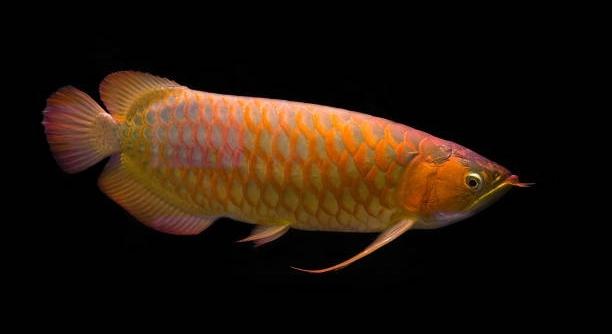
Do you ever find yourself wondering when it is safe to handle your arowana without causing stress or injury? These beautiful fish are sensitive, and knowing the right times to interact with them can keep them healthy and calm.
Arowanas should not be handled during feeding, illness, molting, immediately after moving to a new tank, during breeding, in low oxygen conditions, or when water parameters are unstable. Avoiding contact in these situations reduces stress and prevents potential physical harm to the fish.
Knowing the correct handling times will make caring for your arowana easier and safer, ensuring a calm and thriving environment for your aquatic companion.
During Feeding Time
Arowanas are very focused when they eat, and disturbing them can cause stress or even injury. Handling your fish while it is feeding can lead to missed bites, aggressive behavior, or sudden lunges that might damage their fins. I’ve noticed that even the calmest arowanas become skittish if interrupted during meals. It’s best to let them finish eating completely before attempting any handling or tank maintenance. Consistency in feeding times also helps them stay comfortable in their environment. Avoid reaching into the tank or tapping the glass while they are taking in food. Even a slight disturbance can make them flinch or jump, which can be dangerous if the tank has hard surfaces or decorations. Some arowanas may refuse to eat if they feel threatened, which can affect their health. Providing a calm, undisturbed environment during feeding ensures they get proper nutrition and reduces stress-related behaviors over time.
Handling during feeding can disrupt their eating habits and create stress in the long term.
Arowanas rely on focus during feeding to get enough nutrition. Interruptions can lead to missed meals and aggressive movements. These fish are large and powerful, so any sudden action while they are eating could injure them or damage the tank. I always make sure to wait until my arowana finishes completely before cleaning or reaching in for any reason. Observing them from a distance during this time also helps me gauge their health and appetite, which is critical for their growth and overall well-being. Feeding should be a quiet, undisturbed process.
When They Are Sick
Handling an arowana when it is sick can worsen its condition and delay recovery. Even minimal stress can weaken its immune system further.
Illness makes arowana more sensitive, and unnecessary handling can introduce bacteria or stress. I remember my arowana developing fin rot after a minor scrape caused by early handling. Sick fish need stable, calm conditions and minimal interaction. Only perform essential tasks like water changes or medication under controlled circumstances. Touching or chasing a sick arowana may lead to secondary infections or aggravate existing injuries. It’s important to monitor the fish visually instead, noting changes in behavior, appetite, or swimming patterns. Giving it space while providing optimal water quality, temperature, and nutrition encourages recovery. Avoid sudden movements or loud noises near the tank, as these can create stress responses that interfere with healing. I make sure to wear clean hands and use soft nets only if absolutely necessary. Prioritizing the fish’s comfort and minimizing handling leads to faster, safer recovery, keeping the arowana healthier in the long run.
Immediately After Moving to a New Tank
Arowanas are stressed after a tank change. Handling them right away can increase shock and make them more prone to illness.
The first few hours or even days in a new tank are critical for an arowana to adjust. Water temperature, pH, and oxygen levels can differ slightly, and the fish needs time to acclimate. Any sudden touch or attempt to catch the fish can cause panic, leading to injuries or weakened immunity. I’ve seen my arowana hide in corners or refuse food after moving, showing how sensitive they are to changes. Keeping interaction minimal helps them settle safely.
During this period, it’s important to monitor water conditions and maintain a calm environment. Feeding should be gentle, using minimal movement in the water to avoid startling the fish. Decorations or hiding spots can help reduce stress. Even checking the fish visually should be done without tapping the glass or reaching in unnecessarily. Allowing this adjustment time ensures the arowana adapts smoothly and maintains good health in its new home.
During Breeding Season
Arowanas are highly protective when breeding. Handling during this time can trigger aggression or stress, disrupting spawning behavior.
Breeding arowanas become territorial and defensive. Any interference can cause them to attack, injure themselves, or abandon eggs or fry. I’ve observed my fish change completely during this period, becoming restless and more prone to lunges. Maintaining distance and minimizing tank disturbances is essential to support natural breeding patterns. Stress at this stage can lower fertility or affect the survival of young fish.
Providing a quiet environment with consistent lighting and stable water parameters is crucial. Avoid sudden movements or tapping the tank. Nets or direct handling should be strictly limited to emergencies. Keeping the tank secure from vibrations and external activity helps the fish remain calm. Observing quietly from outside allows you to notice signs of aggression or health issues without disturbing the breeding process. Patience and careful monitoring during this period greatly improve breeding success and the overall well-being of both adult and juvenile arowanas.
During Molting
Arowanas shed their skin and scales occasionally, and handling them can cause tears or stress.
They are very delicate at this time. I’ve noticed my arowana becomes sluggish and avoids movement while molting. Touching it can damage new scales or slow the process.
In Low Oxygen Conditions
Handling arowanas when oxygen levels are low can increase stress and risk of suffocation. They need all energy to breathe properly, so avoid touching or chasing them during these periods.
When Water Parameters Are Unstable
Sudden changes in pH, temperature, or hardness make arowanas sensitive. Handling during these times can cause shock or illness. I always test water first and let the fish adjust before interacting to prevent unnecessary stress.
During Nighttime
Arowanas rest at night and are more vulnerable. Handling during this time disrupts their sleep cycle and increases stress levels.
FAQ
Why should I avoid handling my arowana during feeding?
Handling an arowana while it is eating can cause stress and reduce its appetite. I’ve noticed that even small disturbances make my fish flinch or miss bites. This can affect its nutrition and overall health. Letting them feed undisturbed ensures they get proper nutrition and reduces aggressive behavior during meals.
Can handling a sick arowana make it worse?
Yes. Sick arowanas have weaker immune systems, and handling can increase stress or introduce bacteria. I always monitor my arowana visually when it is unwell and avoid touching it unless absolutely necessary, like when administering medication or moving it for treatment. Minimal interaction helps recovery.
How long should I wait after moving an arowana to a new tank before handling it?
At least a few hours, sometimes up to a couple of days. The fish needs time to adjust to new water conditions, temperature, and surroundings. I usually observe my arowana from a distance and avoid any physical contact until it swims calmly and begins feeding normally.
Is it safe to handle an arowana during breeding season?
No. During breeding, arowanas become territorial and protective. Handling can cause aggression, egg abandonment, or stress. I make sure to leave my fish alone, maintain quiet surroundings, and observe only from outside the tank to support natural breeding behavior.
What risks exist if I handle an arowana while it is molting?
Molting makes arowanas fragile, and touching them can tear new scales or skin. I’ve seen minor handling cause slow regeneration or small injuries. Giving them space allows their scales to grow back naturally and keeps them comfortable.
Why should handling be avoided in low oxygen conditions?
Arowanas need all energy to breathe properly when oxygen is low. Handling increases stress and can lead to suffocation or panic. I always check oxygen levels before interacting and avoid any physical contact if levels are unstable.
How do unstable water parameters affect handling?
Sudden changes in pH, temperature, or hardness make arowanas sensitive. Touching them during these times can cause shock or illness. I test water first and allow my fish to adjust before approaching, keeping them safe and reducing stress.
Can handling at night harm my arowana?
Yes. Arowanas rest at night, and disturbing them can disrupt sleep and increase stress. I leave the tank quiet and dark during nighttime, ensuring they remain calm and healthy.
How can I safely handle my arowana when it is necessary?
Only handle when absolutely required, like moving tanks or treating illness. Use soft nets, clean hands, and minimal movement. I support the fish gently, avoid sudden actions, and return it quickly to the water to reduce stress and prevent injury.
What signs indicate my arowana is stressed from handling?
Flaring gills, erratic swimming, hiding, loss of appetite, or scratches on fins are common signs. I watch my fish carefully after any interaction to ensure it recovers calmly and adjust my handling practices accordingly.
Are juvenile arowanas more sensitive to handling than adults?
Yes. Young arowanas are smaller, more fragile, and adapt slowly to new conditions. I handle them only when necessary and with extreme care, ensuring that stress or injury is minimized during any interaction.
Does frequent handling affect long-term health?
Repeated stress from handling can weaken immunity, reduce growth, and make arowanas prone to illness. I minimize contact and focus on visual checks and proper tank maintenance to keep my fish healthy over time.
Handling an arowana may seem simple at first, but it requires careful attention to timing and the fish’s current condition. These fish are strong, active, and sensitive, and improper handling can easily lead to stress, injury, or illness. From feeding times to molting periods, there are several moments when even a small disturbance can have a big impact on their well-being. Over the years, I have learned that minimizing unnecessary contact and letting my arowana remain undisturbed in the right conditions makes a huge difference in its overall health. Observing from a distance and maintaining calm, stable surroundings can prevent accidents and support natural behaviors, allowing the fish to thrive.
It is also important to understand the signs of stress and sensitivity in arowanas. Rapid gill movements, flared fins, hiding in corners, or reduced appetite are all indicators that the fish is uncomfortable or anxious. Handling during these times or in stressful situations, like after a tank move or during low oxygen levels, can make the problem worse. I have noticed that simply waiting and giving my arowana time to adjust often solves issues that might otherwise seem alarming. By paying attention to these subtle signals, it becomes easier to know when interaction is safe and when it is better to stay hands-off. Small adjustments in care, such as feeding consistently, checking water parameters, and limiting physical contact, go a long way in promoting a healthy and stress-free environment.
Finally, preventing problems is always better than reacting to them. Planning ahead for feeding schedules, tank moves, breeding periods, and even night hours ensures that arowanas experience minimal disruption. I have found that keeping interactions intentional, brief, and gentle is key. Tools like soft nets, careful observation, and controlled environments make necessary handling safer and less stressful for the fish. Remembering that arowanas are delicate in certain situations helps reduce mistakes that can affect their long-term health. By respecting these natural rhythms and providing a stable, calm habitat, the fish can grow strong, remain active, and display the full beauty of its personality. Patience, careful observation, and understanding the right times to avoid handling are essential habits that any arowana keeper can adopt to ensure their fish thrive over the years.

Hello,
If you enjoy the content that we create, please consider saying a "Thank You!" by leaving a tip.
Every little bit helps us continue crafting quality advice that supports the health, happiness, and well-being of pets around the world, for pets of all shapes, sizes, and species.
We really appreciate the kindness and support that you show us!