
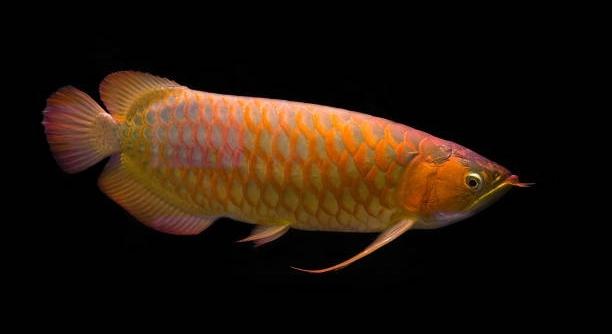
Have you ever noticed your arowana acting restless or darting around its tank for no clear reason? Watching a nervous fish can be stressful, especially when you want it to stay calm and healthy in its environment.
The most effective method to calm a nervous arowana quickly is by minimizing sudden movements and loud noises around the tank. Ensuring stable water parameters, providing hiding spots, and gently adjusting lighting reduces stress responses efficiently and promotes a sense of security.
Maintaining a peaceful environment is key, and small adjustments can make a significant difference in your arowana’s comfort and behavior.
Identifying Stress Triggers in Your Arowana
Arowanas are sensitive fish that react strongly to changes in their environment. Sudden movements around the tank, loud noises, or even changes in room lighting can make them nervous. Overcrowding or introducing new fish without proper acclimation also raises stress levels. Water quality plays a major role too—temperature fluctuations, high ammonia, or low oxygen can make your arowana uneasy. Observing their behavior closely helps you understand what triggers their anxiety. For instance, rapid swimming along the tank walls or hiding excessively are clear signs of stress. Some arowanas also become less responsive to feeding, which can affect their health if not addressed promptly. Even seemingly small changes, like rearranging decorations, may disrupt their sense of security. By identifying stress triggers early, you can adjust their environment to keep them calm. Consistency and gentle care often lead to noticeable improvements in their behavior and overall wellbeing.
Once you spot stress signs, quick adjustments can prevent long-term problems.
Proper identification of triggers allows you to plan changes carefully, ensuring your arowana feels secure and comfortable in its habitat.
Creating a Calm Tank Environment
A calm tank reduces anxiety and promotes natural behavior in arowanas.
To create a peaceful environment, focus on stable water conditions, including temperature, pH, and cleanliness. Providing hiding spots with plants or decorations gives your arowana places to feel safe. Avoid tapping on the glass or making sudden loud sounds near the tank, as these can startle them. Gentle, indirect lighting is less stressful than harsh, bright lights. Feeding should be consistent but not excessive, keeping the tank predictable. Reducing sudden movements during tank maintenance helps maintain a calm atmosphere. Regular monitoring of water quality prevents stress from poor conditions. Over time, your arowana will associate the tank with safety rather than danger, improving its behavior and appetite. Simple habits like minimizing disturbances and providing stable surroundings can have a significant impact. Consistency in care allows the fish to settle into a routine, reducing nervous behavior gradually. Patience and attention to detail create a healthy environment that supports both the physical and emotional wellbeing of your arowana.
Gentle Handling Techniques
Minimize direct contact with your arowana. When maintenance is necessary, use slow, deliberate movements to avoid startling it. Always handle tools carefully and avoid tapping the glass or creating splashes that may stress the fish.
Using a net or siphon requires a calm approach. Move slowly and avoid chasing the fish, as this increases stress levels. During water changes, adjust water temperature gradually to match the tank, preventing sudden shocks. Limiting handling and maintaining a steady routine helps your arowana feel safe and reduces nervous behavior. Over time, the fish will become accustomed to your presence, responding less anxiously to maintenance and movement around the tank. Observing reactions while making changes ensures you can adapt techniques to your arowana’s comfort level. Consistency is key for building trust and minimizing stress.
Even minor adjustments in handling, such as reducing sudden movements, can significantly improve your fish’s comfort. Careful observation helps identify the most effective approach for a calmer arowana.
Environmental Enrichment
Adding decorations and plants provides hiding spots and mental stimulation for arowanas. These additions help them feel secure and reduce stress naturally.
Floating plants, driftwood, or rocks create boundaries in the tank, giving your arowana places to retreat when feeling nervous. Structured areas allow the fish to explore safely while remaining confident. Providing a mix of open swimming space and sheltered spots balances activity and comfort. Enrichment reduces boredom, encourages natural behaviors, and improves overall wellbeing. Introducing new elements gradually ensures the arowana is not overwhelmed. Observe how it interacts with decorations, adjusting placement if it avoids certain areas. Regularly changing the layout slightly can maintain interest while keeping stress levels low. The key is to combine security with stimulation for a happier, healthier fish.
Consistent Feeding Routine
Feed your arowana at the same times each day. Predictable schedules help reduce anxiety and build trust between you and your fish.
Offer small, measured portions to avoid overfeeding. Consistent feeding prevents sudden excitement or nervous behavior during meal times.
Water Quality Maintenance
Regular water testing and changes are essential. Keep ammonia, nitrite, and nitrate levels within safe ranges. Temperature stability and proper filtration reduce stress. Cleaning the tank and replacing part of the water weekly prevents buildup of harmful substances. Stable water conditions support arowanas’ natural behavior, improve appetite, and reduce nervousness. Using dechlorinated water and monitoring pH ensures a safe environment. Consistency in water maintenance minimizes sudden changes that trigger stress responses. Over time, a well-maintained tank contributes to calmer, more confident fish, making care routines easier and the arowana healthier. Observing your fish during maintenance helps catch any early signs of discomfort.
Limiting External Disturbances
Keep noise and movement around the tank minimal. A calm environment helps your arowana feel secure and relaxed.
FAQ
How often should I check my arowana’s tank water?
You should check your arowana’s tank water at least once a week for temperature, pH, and ammonia, nitrite, and nitrate levels. Regular monitoring ensures the water remains stable and prevents stress from sudden changes. Keeping a log can help track trends over time.
What is the best way to introduce new decorations?
Introduce new decorations slowly. Place one or two items at a time and observe how your arowana reacts. Avoid rearranging everything at once, as this can make the fish feel insecure. Gradual changes allow your arowana to adjust and explore without added stress.
Can I calm my arowana by dimming the lights?
Yes, dim lighting can help reduce stress. Bright lights may make arowanas feel exposed and nervous. Using soft, indirect lighting or creating shaded areas with plants helps them feel safe and encourages natural swimming and resting behavior.
How do I know if my arowana is too stressed?
Signs of stress include rapid swimming, hiding excessively, refusal to eat, or staying at the bottom of the tank. Changes in color or aggression toward tank mates are also indicators. Observing behavior daily helps you detect stress early and take corrective action.
Is it safe to handle my arowana during maintenance?
Minimize handling whenever possible. Use slow, deliberate movements and avoid chasing the fish. When cleaning the tank, move tools gently and ensure water temperature and quality remain stable. Limited, careful interaction prevents unnecessary stress.
What should I feed a nervous arowana?
Feed small, frequent portions of high-quality pellets or live foods. Avoid overfeeding, which can cause water issues and stress. Consistent feeding times also help your arowana feel secure and maintain a healthy appetite. Variety in diet supports physical and mental wellbeing.
Can tank mates affect arowana stress levels?
Yes, aggressive or overly active tank mates can make arowanas nervous. Ensure compatibility and provide enough space for each fish. Sometimes separating arowanas or rearranging the tank to create safe zones helps reduce tension and promotes calmer behavior.
How can I reduce stress during water changes?
Perform partial water changes slowly, matching the new water temperature and chemistry to the tank. Avoid sudden splashes or fast movements. Regular, gentle water changes prevent abrupt environmental shifts that can stress your arowana and encourage more relaxed behavior.
Are hiding spots necessary for arowanas?
Yes, hiding spots like driftwood, plants, or rocks help arowanas feel secure. They provide places to retreat when nervous and reduce overall anxiety. A balanced layout with both open swimming areas and safe spots promotes natural behavior and confidence in the fish.
How long does it take for a nervous arowana to calm down?
The time varies depending on the fish’s temperament and the environment. Some arowanas adjust within days if conditions are stable, while others may take weeks. Patience, consistent care, and minimizing disturbances are key factors in helping your arowana feel secure and relaxed.
Can I use sound or music to calm my arowana?
Generally, arowanas respond better to quiet surroundings. Loud sounds can increase stress. If you want to use soft ambient noise, keep it gentle and consistent, but most fish benefit more from a peaceful, stable environment rather than any external audio stimulation.
How do I know if the tank size is causing stress?
Signs of tank-related stress include pacing, aggression, and constant hiding. Arowanas need ample space to swim freely. Ensure the tank is large enough for their full adult size, with enough depth and open area to support natural movement. Regular observation helps detect space-related stress early.
Is temperature fluctuation a common stress factor?
Yes, sudden changes in temperature can make arowanas nervous. Maintain a consistent temperature appropriate for the species, usually between 75–82°F (24–28°C). Using a reliable heater and thermometer ensures stability and reduces stress caused by environmental shifts.
Can arowanas get stressed from overfeeding?
Overfeeding can reduce water quality and lead to stress. Uneaten food decomposes, increasing ammonia and nitrite levels. Feed measured portions, remove excess food, and maintain a routine to keep your arowana healthy and calm.
How do I know if stress has affected my arowana’s health?
Persistent stress can lead to weakened immunity, loss of appetite, or visible health issues like fin damage or disease. Monitoring behavior, feeding patterns, and physical appearance regularly helps detect stress-related health problems early for prompt care.
Final Thoughts
Keeping an arowana calm takes patience, observation, and consistency. These fish are naturally sensitive and can become easily stressed if their environment is unstable or if there are sudden changes around them. Small adjustments in daily care, such as monitoring water quality, maintaining consistent feeding schedules, and limiting loud noises, can make a noticeable difference. Over time, these steady habits help your arowana feel secure and reduce nervous behaviors like darting, hiding, or refusing food. A calm fish is not only healthier physically, but it also behaves more predictably, making caring for it less stressful for you. By focusing on stability and gentleness, you create a safe environment where the fish can thrive without constant worry. Even small steps, such as adjusting lighting or adding a hiding spot, can significantly improve your arowana’s comfort and overall wellbeing.
Observing your arowana closely is key. Each fish has its own personality and may respond differently to changes or stimuli. Some arowanas may calm quickly with minor adjustments, while others may need more time and careful handling to feel safe. Watching for subtle signs of stress, like changes in swimming patterns or appetite, allows you to respond before the situation worsens. Gentle, slow movements during tank maintenance and careful introduction of new decorations or tank mates help the fish adjust without fear. Patience is essential because forcing changes too quickly can make a nervous arowana more anxious. Creating a predictable routine in feeding, cleaning, and interacting with the tank encourages trust and reduces sudden stress triggers. Over time, your attention to these details not only keeps the arowana calm but also strengthens your understanding of its behavior, helping you anticipate needs before they escalate into problems.
Ultimately, providing a calm environment for your arowana is about consistency and attention to detail. Maintaining clean, stable water and proper tank conditions forms the foundation of stress-free care. Adding environmental enrichment, like plants, driftwood, and hiding spots, supports natural behaviors while giving your fish places to retreat when nervous. Reducing disturbances around the tank, avoiding sudden movements, and keeping noise levels low all contribute to a sense of security. Overfeeding, overcrowding, and frequent tank rearrangements can all increase stress, so careful planning and moderation are important. By focusing on creating a safe, stable habitat and adjusting your care based on observation, you help your arowana remain calm and healthy. These practices not only improve the fish’s quality of life but also make caring for it more rewarding and enjoyable. A calm arowana reflects an environment where its needs are met, and consistent care becomes easier to maintain for both the fish and the keeper.

Hello,
If you enjoy the content that we create, please consider saying a "Thank You!" by leaving a tip.
Every little bit helps us continue crafting quality advice that supports the health, happiness, and well-being of pets around the world, for pets of all shapes, sizes, and species.
We really appreciate the kindness and support that you show us!