
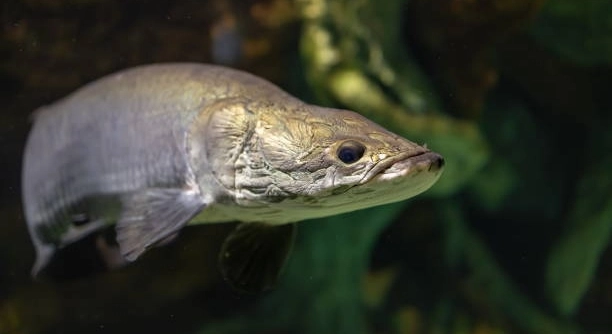
Your Arowana is usually a lively and enthusiastic eater, but sometimes it may suddenly refuse food. This can be worrying, especially when you have spent time carefully maintaining its tank and diet.
Arowanas may stop eating due to stress, poor water quality, illness, sudden changes in diet, improper temperature, or injuries. Identifying the underlying cause is crucial for restoring their appetite and maintaining overall health in their aquatic environment.
Understanding the reasons behind this behavior can help you act quickly and effectively. The following points will guide you in addressing your Arowana’s sudden appetite loss.
Stress and Environmental Changes
Arowanas are sensitive creatures, and even small changes in their environment can cause stress that affects appetite. Moving the tank, adding new fish, or altering decorations may make them feel insecure. Stress triggers hormonal responses that reduce feeding behavior, sometimes lasting days. Overhandling or sudden loud noises can also cause a noticeable decline in eating. Water currents that are too strong or insufficient hiding spaces may contribute as well. Keeping the tank stable and calm helps your Arowana feel safe. Observing their behavior during changes can reveal signs of anxiety, such as hiding or erratic swimming. Gradual adjustments are often more effective than sudden ones, allowing your fish to acclimate without losing interest in food. Even seemingly minor disruptions, like shifting lighting schedules, can play a role. Maintaining a predictable, calm environment is key to encouraging regular eating habits.
Stress-related appetite loss can usually be reversed with patience and a stable tank setup.
Monitoring water conditions and minimizing abrupt changes are essential. Offering familiar foods and keeping disturbances low helps your Arowana regain its appetite naturally.
Water Quality Issues
Poor water quality can drastically reduce your Arowana’s desire to eat. High ammonia, nitrite, or nitrate levels irritate their gills and body. Untreated water may harbor pathogens that stress your fish. Maintaining clean, properly filtered water is vital for health.
Testing water parameters regularly ensures a safe environment. Small weekly water changes prevent harmful buildup.
Regular water checks, proper filtration, and consistent cleaning routines are critical. Arowanas thrive in well-oxygenated water at stable temperatures. Even minor fluctuations in pH or hardness can disrupt their feeding patterns. If your Arowana suddenly stops eating, testing the water is one of the first steps. Using a quality filtration system, performing partial water changes, and removing uneaten food promptly will keep ammonia and nitrate levels low. Avoid introducing untreated tap water directly, as chemicals or temperature shifts may shock your fish. Aeration and proper circulation further improve conditions, supporting digestion and appetite. In cases of persistent refusal to eat, additional filtration or temporary isolation in a quarantine tank with perfect water can help them recover. Consistency is more effective than drastic changes, allowing your Arowana to regain comfort and start feeding again steadily.
Illness and Parasites
Illness or parasites are common reasons for sudden appetite loss in Arowanas. Internal infections, bacterial growth, or external parasites can make your fish lethargic and uninterested in food. Early detection is critical for recovery and preventing further complications.
Watching your Arowana closely can reveal symptoms like clamped fins, discoloration, or unusual swimming patterns. Parasites may cause scratching against tank surfaces, while bacterial infections often lead to bloating or sores. Rapid action, such as consulting a veterinarian and isolating the affected fish, can stop the problem from spreading. Providing clean water, proper nutrition, and appropriate medication is key.
Preventing illness requires consistent care. Quarantining new fish, maintaining proper water quality, and avoiding overfeeding reduce the risk. Regular observation and quick intervention make a significant difference, helping your Arowana return to normal eating habits. A proactive approach ensures your fish stays healthy and stress-free, which naturally encourages feeding.
Diet and Feeding Habits
Feeding inappropriate food or sudden changes in diet can cause your Arowana to stop eating. Some fish are picky and may reject unfamiliar meals.
Arowanas require a balanced diet rich in protein. Switching from live food to pellets abruptly can shock their digestive system. Overfeeding or feeding low-quality food may lead to bloating or nutrient deficiencies, decreasing appetite. Consistency is important; maintaining a regular feeding schedule helps their metabolism stay stable. Variety can be introduced gradually to prevent refusal. Observing which foods your Arowana prefers and providing them in moderation ensures a healthy diet while keeping interest in feeding.
Gradual changes, proper portion sizes, and high-quality food support appetite recovery. Live foods like insects or small fish can stimulate interest. Mixing different protein sources slowly allows your Arowana to adjust without stress. Avoid sudden diet swaps or excessive treats, which often lead to refusal. Feeding at consistent times creates routine, while removing uneaten food prevents water contamination that might discourage eating. Understanding your fish’s preferences and nutritional needs allows for a smooth transition back to regular feeding habits, supporting both health and behavior.
Temperature Fluctuations
Arowanas are sensitive to water temperature changes. Sudden drops or spikes can stress them and reduce appetite. Maintaining a stable temperature within the ideal range helps their metabolism and feeding routine remain consistent.
Even minor fluctuations, like a cold draft near the tank, can affect feeding. Using a reliable heater and thermometer ensures a steady environment.
Tank Size and Space
Arowanas need ample swimming space. Overcrowded or small tanks make them feel confined, which can lead to stress and decreased interest in food. Proper tank dimensions support natural behavior and improve appetite.
Injuries and Physical Damage
Physical injuries from sharp decorations, tank mates, or aggressive behavior can make Arowanas stop eating. Pain or discomfort naturally reduces their desire to feed. Careful observation and removing hazards help them recover and regain normal feeding patterns.
FAQ
Why has my Arowana suddenly stopped eating?
Several factors can cause an Arowana to stop eating, including stress, water quality issues, illness, parasites, improper temperature, diet changes, or injuries. Identifying the exact reason requires observing your fish closely and checking water parameters, tank conditions, and feeding habits. Early detection is key to restoring appetite.
How can I tell if my Arowana is stressed?
Signs of stress include hiding, clamped fins, erratic swimming, or reduced activity. Sudden refusal to eat often accompanies these behaviors. Stress can be caused by environmental changes, loud noises, overcrowding, or aggressive tank mates. Maintaining a stable, calm environment helps reduce stress and encourages feeding.
What water parameters should I maintain for my Arowana?
Ideal water parameters include a temperature of 75–82°F, pH around 6.5–7.5, and low ammonia, nitrite, and nitrate levels. Regular water testing and partial water changes help keep the environment safe and comfortable, preventing appetite loss caused by poor water quality.
Can illness or parasites make my Arowana stop eating?
Yes, bacterial infections, internal parasites, or external parasites often reduce appetite. Look for unusual swimming, discoloration, bloating, or scratching against surfaces. Quarantining affected fish, maintaining clean water, and consulting a vet for proper treatment are crucial steps for recovery.
Does changing my Arowana’s diet too quickly affect feeding?
Sudden diet changes can shock your Arowana, leading to refusal of food. Gradual transitions from live food to pellets, or introducing new protein sources slowly, allow their digestive system to adjust while keeping interest in feeding. Consistency and moderation are key.
How does tank size impact my Arowana’s eating habits?
Arowanas need large tanks to swim freely. Overcrowded or small tanks stress them, reducing appetite. Ensuring sufficient space and proper tank layout allows natural movement, reduces aggression, and supports regular feeding behavior.
What role does water temperature play in appetite?
Temperature fluctuations slow metabolism, causing reduced feeding. Maintaining a steady temperature within the recommended range supports digestion and energy levels. Using a heater, thermometer, and avoiding drafts or sudden changes is essential for consistent feeding.
Can injuries cause my Arowana to stop eating?
Yes, injuries from tank decorations, sharp objects, or aggressive tank mates can lead to pain or discomfort, reducing appetite. Remove hazards, isolate injured fish if necessary, and provide clean water to support healing and return to normal feeding habits.
How long can an Arowana go without eating?
Healthy adult Arowanas can survive several days without food, but prolonged refusal may indicate stress, illness, or poor water quality. Persistent fasting can weaken the immune system, so prompt attention to underlying causes is essential for their health.
What steps can I take to encourage my Arowana to eat again?
Start by checking water quality and temperature, removing stressors, and offering preferred foods in small amounts. Gradually reintroduce dietary variety and ensure a calm environment. Observation and patience are important, and seeking veterinary advice may be necessary if the problem persists.
Can tank mates affect my Arowana’s appetite?
Aggressive or incompatible tank mates can intimidate an Arowana, leading to stress and refusal to eat. Monitoring interactions and separating aggressive fish can restore comfort and encourage normal feeding habits.
Is fasting ever normal for Arowanas?
Occasional fasting may occur, especially during seasonal changes or minor stress, and is not always alarming. However, consistent or prolonged refusal to eat should be addressed promptly, as it may indicate a more serious underlying issue.
Are there any foods that can help stimulate appetite?
Live foods like small fish, insects, or shrimp often entice Arowanas to eat after a period of refusal. Offering these in moderation can spark interest and help transition them back to a balanced diet of pellets or prepared foods.
How important is routine in feeding Arowanas?
Consistency in feeding times helps maintain a healthy metabolism and reduces stress. Predictable routines signal safety and support normal behavior, making your Arowana more likely to eat regularly. Avoid overfeeding or sudden changes in schedule to preserve appetite.
What should I avoid feeding my Arowana?
Avoid overfeeding, low-quality foods, or items that may spoil quickly. Foods high in fat or with additives can cause digestive issues, while sudden unfamiliar foods may be rejected. A balanced, high-protein diet with occasional live foods supports health and feeding consistency.
How quickly should I act if my Arowana stops eating?
Immediate attention is recommended. Start by checking water quality, tank conditions, and diet. Observing behavior, isolating sick fish, and consulting a veterinarian if necessary can prevent serious health problems and restore appetite effectively.
Can overhandling affect feeding?
Yes, excessive handling or tapping on the tank can stress Arowanas, causing them to hide or refuse food. Minimizing disturbances and allowing them a calm, predictable environment supports regular eating habits and overall well-being.
Are there signs that indicate a serious problem requiring a vet?
Persistent refusal to eat, visible injuries, bloating, discoloration, abnormal swimming, or sudden weight loss are red flags. Prompt veterinary consultation ensures accurate diagnosis and treatment, preventing long-term health issues.
Does lighting affect feeding behavior?
Lighting that is too bright or inconsistent can stress your Arowana. Maintaining a consistent light cycle and providing shaded areas or hiding spots encourages natural behavior and supports appetite.
How long does it take for an Arowana to return to eating after stress or illness?
Recovery time varies based on the cause. Minor stress may resolve in a few days, while illness or severe environmental issues may take longer. Providing stable conditions, clean water, and preferred foods supports a gradual return to regular feeding.
Final Thoughts
Arowanas are beautiful and majestic fish, but their care requires attention to detail and consistency. One of the most concerning issues owners face is when an Arowana suddenly stops eating. This behavior can signal stress, illness, or environmental problems, and addressing it promptly is essential for the fish’s well-being. Observing your Arowana’s behavior closely, checking water parameters regularly, and ensuring a stable tank environment are the first steps to understanding the cause. Even small changes in temperature, lighting, or tank layout can affect appetite, so maintaining a predictable routine is important. Paying attention to these details helps prevent long-term health problems and supports your fish’s natural behaviors.
Feeding habits are a strong indicator of an Arowana’s overall health. Changes in diet or the introduction of new foods should be done gradually to avoid digestive issues or refusal to eat. Live foods often stimulate appetite, especially after a period of fasting or stress, while high-quality pellets provide essential nutrients for growth and energy. Overfeeding or low-quality foods can lead to bloating, digestive problems, or water quality issues, which in turn discourage eating. Creating a feeding routine that balances variety and consistency allows your Arowana to feel secure and encourages regular consumption. Observing which foods your fish prefers can also help you make adjustments that keep them interested and healthy without introducing unnecessary stress.
Health concerns such as parasites, bacterial infections, or injuries require careful observation and immediate action. Early detection is key to successful treatment and recovery. Isolating sick or injured fish, maintaining clean water, and providing proper nutrition all contribute to faster recovery. Stress from overcrowding or aggressive tank mates can also reduce appetite, so it is important to monitor interactions and ensure each Arowana has enough space to move freely. Maintaining stable water conditions, preventing sudden changes, and creating a calm environment support not only feeding habits but overall well-being. With consistent care, attention, and patience, your Arowana can regain normal eating behavior and continue to thrive, allowing you to enjoy the health and beauty of this remarkable fish.

Hello,
If you enjoy the content that we create, please consider saying a "Thank You!" by leaving a tip.
Every little bit helps us continue crafting quality advice that supports the health, happiness, and well-being of pets around the world, for pets of all shapes, sizes, and species.
We really appreciate the kindness and support that you show us!