
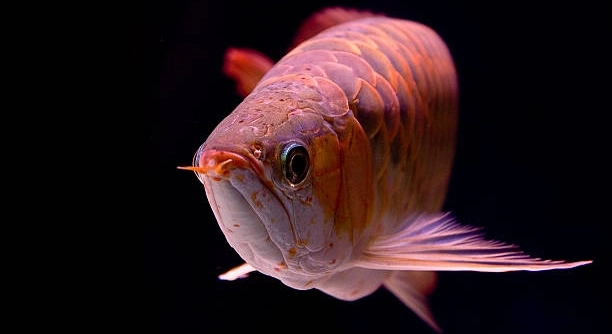
Do you ever notice how your arowana swims differently when the sky darkens and thunder rumbles? Many aquarium owners observe subtle changes in their fish’s behavior during storms, which can be both fascinating and surprising to watch.
Arowanas often become more cautious and less active during thunderstorms. Sudden changes in barometric pressure, lightning flashes, and loud thunder can trigger stress responses. These fish may retreat to corners, reduce movement, and display heightened alertness until the storm passes.
Observing these reactions can help you better care for your arowana and create a calmer environment during unsettled weather.
Understanding Arowana Behavior During Storms
Arowanas are sensitive to changes in their environment, and thunderstorms can cause noticeable behavioral shifts. When thunder strikes, these fish often become more cautious and may swim slower or hide in corners. Their heightened alertness is a natural response to sudden noise, pressure changes, and flashes of lightning. Some arowanas may hover near the water surface, while others prefer staying near decorations or tank walls. It’s common for these fish to reduce feeding during storms, as stress can suppress appetite. Observing these reactions helps you recognize normal stress versus more serious health concerns. Providing a stable, calm environment, with minimal disturbances and consistent water quality, can ease their anxiety. Covering part of the tank or dimming lights can also help reduce stress levels. Regularly monitoring behavior during storms gives insight into your arowana’s comfort and helps you adjust care routines. Over time, you may notice patterns in how your fish responds to different weather conditions.
Arowanas react individually, so not every fish will respond the same way. Some may be calm, while others become highly alert.
Watching these patterns gives a clearer understanding of their temperament. It also encourages creating a supportive environment that balances activity, rest, and safety. Observing your arowana over multiple storms can reveal subtle differences in response, like varying levels of hiding, swimming speed, or interaction with other tank mates. Adjusting tank elements, like adding more hiding spots or reducing water movement during storms, can make a big difference. Recognizing the signs of stress early helps prevent long-term health issues and promotes well-being. Simple steps, like monitoring water parameters and keeping noise levels low, are effective. Additionally, being mindful of feeding schedules around stormy weather ensures your fish stays nourished without added stress. By paying attention to these behaviors, you gain insight into your arowana’s needs and can respond appropriately. Consistent care, paired with observation, allows you to create a calmer, more predictable environment for your fish. Over time, this reduces stress and fosters healthier behavior, even when storms occur unexpectedly.
Tips to Reduce Arowana Stress
Providing a calm environment helps arowanas stay comfortable during thunderstorms. Minimize loud noises and sudden movements near the tank.
Keeping the water stable and consistent reduces stress. Using dim lighting or partially covering the tank can make the fish feel safer. Removing unnecessary disturbances allows the arowana to maintain normal behavior even when storms occur. Monitoring water temperature, pH, and cleanliness ensures that environmental changes do not add to their anxiety. Tank décor can also provide hiding spots that give arowanas a sense of security, allowing them to respond naturally to storms without becoming overly stressed.
Offering a consistent routine helps arowanas cope better with sudden changes in weather. Feeding at the same times each day, maintaining stable water conditions, and minimizing vibrations near the tank support their overall well-being. During thunderstorms, creating a quiet space with dimmed lights and partial cover can reduce stress responses. Arowanas often appreciate calm surroundings, and small adjustments in care can significantly impact their comfort. Over time, these practices can help the fish become more resilient to environmental changes. Even subtle efforts, like avoiding loud conversations near the tank or reducing splashing while cleaning, contribute to a calmer habitat. Observation is key: noticing when your arowana is stressed allows you to make immediate changes. Gradual introduction of stress-reducing techniques ensures the fish adapts without further anxiety. Ultimately, consistent care and attention create a supportive environment that balances natural behavior, feeding habits, and reactions to storms.
How Lightning Affects Arowanas
Sudden lightning flashes can startle arowanas, making them swim erratically or retreat to tank corners. Their reactions are immediate, and some may hover near the water surface until they feel safe again. These flashes create brief but intense stress in sensitive fish.
Arowanas respond to lightning largely because of their acute vision and instinctual survival behavior. Bright, unexpected flashes can mimic predator movements, triggering a fight-or-flight response. This causes rapid swimming, sudden changes in direction, and increased alertness. Over time, repeated exposure may heighten anxiety if the environment does not provide adequate hiding spaces. Tank decorations, plants, or shelters allow the fish to feel secure during these episodes. Careful observation helps distinguish temporary reactions from prolonged stress, ensuring that the fish remains healthy. Arowanas rely on a stable routine and predictable surroundings, so minimizing sudden visual disturbances is key to maintaining calm behavior.
Even brief exposure to lightning can affect feeding and interaction patterns. Some arowanas may refuse food or become less active for hours after a storm. Understanding these reactions allows you to adjust care accordingly, like temporarily reducing handling or avoiding major tank maintenance during storms. Ensuring proper water conditions and minimal disturbances supports recovery from stress. Over time, providing a consistent, low-stress environment can reduce the intensity of reactions. Observing the fish across multiple storms gives insight into individual coping mechanisms, allowing you to tailor care to their specific needs. Adjustments in lighting, shelter, and feeding routines help maintain calm and stable behavior despite sudden flashes.
Thunder’s Impact on Tank Conditions
Thunderstorms can cause subtle water disturbances that arowanas notice immediately. Vibrations and pressure changes may make them swim cautiously or explore corners for safety. These conditions create a temporary shift in their normal routine.
Water quality can be affected during storms due to barometric pressure changes and temperature fluctuations. Even minor shifts influence oxygen levels and movement within the tank. Arowanas are sensitive to these variations and may react by reducing activity or seeking shelter. Maintaining a stable temperature and consistent aeration is crucial to prevent stress. Sudden changes in water movement, like from nearby taps or filters adjusting, can amplify their reactions. Monitoring water parameters and adjusting for minor fluctuations ensures arowanas remain comfortable throughout stormy conditions. Providing secure hiding spots allows them to maintain natural behavior without added anxiety, creating a more stable and reassuring environment during periods of thunder.
Stress Signs in Arowanas
Arowanas under stress from thunderstorms may hide more than usual. They might stay near tank decorations or cling to the corners, avoiding open water until conditions feel safer.
Other signs include rapid gill movement and flared fins. These indicate heightened alertness and anxiety during loud storms, showing they are reacting to environmental stressors.
Feeding Changes During Storms
Storms often cause arowanas to eat less. Their appetite can drop due to stress or sudden environmental changes. Fish that normally feed actively may refuse food or nibble lightly, conserving energy and remaining alert until the disturbance passes.
Creating a Calmer Tank Environment
Providing stable water temperature, consistent lighting, and gentle filtration helps reduce stress. Arowanas feel safer when their surroundings are predictable and quiet during thunderstorms.
Observing Long-Term Behavior
Tracking your arowana’s reactions over multiple storms reveals patterns in activity, hiding, and feeding. This helps tailor care to reduce stress and support long-term health.
FAQ
How do I know if my arowana is stressed during a storm?
Signs of stress include hiding more than usual, swimming erratically, flaring fins, or rapid gill movements. Reduced appetite is another common indicator. Observing these behaviors consistently during thunderstorms helps you distinguish temporary stress from ongoing health issues.
Should I feed my arowana during a storm?
It is best to avoid feeding if the fish shows signs of stress. Arowanas may not eat when anxious, and forcing food can worsen stress. Offer food after the storm passes and the fish returns to normal activity levels.
Does dim lighting help reduce stress during thunderstorms?
Yes, dimming lights or covering part of the tank can create a calmer environment. Reduced visual stimuli make the fish feel safer, especially when lightning and sudden flashes occur.
Can water temperature changes affect arowana behavior during storms?
Minor fluctuations in temperature or oxygen levels can increase stress. Maintaining stable water parameters is essential. Using heaters, aerators, and monitoring equipment ensures consistent conditions, which helps the fish stay calm.
Is hiding behavior normal during thunderstorms?
Yes, it is a natural survival instinct. Providing decorations, plants, or shelters in the tank gives arowanas safe spaces. Observing where they hide can help you optimize tank layout to reduce anxiety.
Do all arowanas react the same way to thunderstorms?
No, reactions vary by individual. Some fish may remain calm, while others become highly alert. Understanding your fish’s personality helps in providing tailored care, such as adjusting feeding schedules or offering more hiding spots.
Can repeated exposure to thunderstorms harm my arowana?
Frequent, intense stress can impact long-term health. Consistently high stress may weaken the immune system or reduce appetite. Mitigating stress through stable water conditions, quiet surroundings, and proper shelter reduces the risk of chronic effects.
Should I move my arowana to a different tank during storms?
Generally, moving the fish is not recommended. Transporting a stressed arowana can increase anxiety. Instead, focus on improving the current tank environment by reducing noise, stabilizing water, and offering safe hiding spaces.
How long do arowanas stay stressed after a storm?
The duration varies depending on the fish and storm intensity. Some recover within minutes, while others may take hours. Maintaining calm surroundings post-storm helps them return to normal behavior faster.
Can I use water additives to calm my arowana during storms?
Only if recommended by a professional. Most stress-reducing additives should be used cautiously. Prioritize environmental adjustments, such as hiding spaces and stable water conditions, before considering chemical interventions.
Do arowanas ever ignore storms entirely?
Some individuals appear unaffected, especially if they are used to minor disturbances. Fish that have a secure environment and stable tank conditions are less likely to react strongly to thunderstorms.
Are there preventive steps for reducing storm stress?
Yes. Maintain stable water parameters, reduce noise and vibration near the tank, provide hiding spots, and ensure consistent lighting. Gradual exposure to mild disturbances may also help fish adapt without severe stress.
How can I tell if stress is affecting my arowana’s health?
Look for prolonged inactivity, weight loss, disinterest in food, or unusual swimming patterns. Frequent stress can compromise immunity, making the fish more susceptible to illness. Observing behavior regularly allows early intervention.
Is it normal for arowanas to jump during storms?
Occasionally, yes. Sudden flashes or vibrations may trigger jumping. Using a secure lid or cover helps prevent injuries while allowing them to exhibit natural reactions safely.
Can I use background noise to mask thunder?
Soft background noise can help reduce the impact of sudden sounds. Gentle music or white noise may lessen stress responses, but it should not be too loud or startling.
What is the best way to monitor my arowana during storms?
Observe from a distance to avoid adding stress. Note swimming patterns, hiding behavior, and feeding responses. Recording behavior over time helps identify trends and improve care strategies.
How often should I check water quality during storms?
Frequent monitoring is helpful. Check temperature, pH, and oxygen levels, as small changes can impact stress levels. Stabilizing these parameters ensures the fish remains comfortable and safe throughout the storm.
Are younger arowanas more sensitive to storms?
Juveniles often react more strongly due to less developed coping mechanisms. Providing more shelters and maintaining calm conditions is especially important for young fish during thunderstorms.
Does tank size influence stress responses?
Larger tanks give fish more space to escape and hide, reducing perceived threats. Smaller tanks may limit options, increasing stress during sudden environmental changes like storms. Proper layout and hiding areas are essential regardless of tank size.
Can frequent stress impact arowana growth?
Yes, chronic stress can slow growth and affect overall development. Minimizing environmental disturbances, maintaining consistent care, and ensuring proper nutrition help support healthy growth even in storm-prone areas.
Is it normal for arowanas to interact less with tank mates during storms?
Yes. Stress can reduce social interactions. Fish may isolate themselves temporarily to feel safe. Understanding these patterns helps in managing group tanks and ensuring all fish remain healthy.
Do certain species of arowanas handle storms better than others?
Yes, some species are naturally more resilient. However, individual temperament often plays a larger role than species alone. Observing and adapting care to your specific fish is more effective than relying on general species behavior.
Can lighting adjustments after storms help calm arowanas?
Gradually returning lighting to normal levels helps fish readjust. Sudden changes post-storm can add stress, so dimming first and then restoring normal lighting is the best approach.
Is it okay to leave the tank alone during a storm?
Yes, minimal interference is usually best. Avoid tapping the glass, moving decorations, or performing maintenance. Providing a calm environment allows the fish to self-regulate and recover naturally.
How long should I wait before feeding after a storm?
Wait until normal activity resumes and hiding behavior decreases. This could be minutes or hours depending on the fish. Offering food too soon can increase stress or result in wasted feeding.
Are stress-reducing plants helpful for arowanas during storms?
Yes, live or artificial plants provide shelter and visual barriers. These help fish feel secure and reduce exposure to sudden stimuli like flashes of light or reflections during thunderstorms.
Can I prevent all stress from storms?
Completely eliminating stress is unlikely, as reactions are instinctual. The goal is to reduce severity and duration. Stable water, safe hiding spots, and minimal disturbances significantly improve arowana comfort during storms.
Is it normal for arowanas to act differently after multiple storms?
Yes, some may become more cautious or hide earlier, while others adapt over time. Observing individual patterns helps in tailoring care to maintain calm behavior consistently.
Do arowanas show long-term memory of storm events?
They may associate certain environmental cues, like dark clouds or noise patterns, with past disturbances. Providing consistent, safe conditions can reduce anxiety linked to these cues.
Can adjusting tank location reduce stress?
Placing the tank away from windows, doors, or vibration sources helps minimize disturbances. Ensuring a quiet, stable area improves the fish’s ability to cope with sudden environmental changes like storms.
Is stress from storms reversible?
Yes, temporary stress typically resolves once conditions stabilize. Maintaining calm water parameters, minimal noise, and safe hiding spots helps arowanas recover fully and quickly.
Do arowanas show signs of resilience after repeated storms?
Some individuals adapt and show reduced reactions over time. Gradual exposure and a supportive environment contribute to increased resilience and calmer behavior during future thunderstorms.
Can stress from storms affect breeding behavior?
Yes, stressed arowanas may delay or reduce spawning activity. Ensuring minimal stress and stable conditions encourages normal reproductive behavior when environmental disturbances occur.
Is it necessary to track storm patterns for tank care?
It can help anticipate potential stress events and prepare the environment accordingly. Predicting storms allows proactive measures, such as dimming lights or checking water conditions, to reduce fish anxiety.
Are supplements helpful in reducing stress during storms?
Only if recommended by a professional. Environmental adjustments are more effective than supplements. Focus on hiding spots, stable water, and calm surroundings to naturally reduce stress.
How can I balance care during storms and routine maintenance?
Delay non-essential tasks during storms. Perform maintenance before or after events to avoid adding stress. Consistent routines outside of storms support stability and long-term fish health.
Do arowanas ever recover fully from storm-induced stress?
Yes, with proper care and a calm environment, fish typically return to normal behavior quickly. Observing post-storm behavior ensures recovery and helps improve future care practices.
Is monitoring behavior more important than water parameters during storms?
Both are important. Stable water reduces stress, but observing behavior lets you respond to individual fish needs. Combining observation with environmental control ensures optimal care during thunderstorms.
Can background reflections trigger stress similar to lightning?
Yes, sudden bright reflections may startle arowanas. Reducing reflective surfaces and controlling lighting helps minimize unnecessary stress responses during storms.
How does age affect storm response in arowanas?
Younger fish are often more reactive, while older arowanas may tolerate disturbances better. Adjust care and provide more shelter for juveniles to reduce stress impact.
Can arowanas recover faster in groups or alone during storms?
It depends on personality. Some find comfort near tank mates, while others prefer solitude. Observing individual responses helps determine the best approach for reducing stress during thunderstorms.
Is it normal for arowanas to exhibit temporary aggression after storms?
Yes, heightened alertness can make them defensive or territorial. Ensuring adequate space and hiding areas helps manage post-storm aggression and prevents injuries.
Do regular feeding routines help reduce storm stress?
Yes, consistency provides predictability. Feeding at the same times helps fish feel secure, even if storms occur unexpectedly, and supports normal behavior and appetite recovery afterward.
Are some arowanas naturally more sensitive to thunderstorms?
Yes, sensitivity varies by temperament. Observing your fish allows for tailored care, with more hiding spaces, reduced noise, and calmer environments for highly sensitive individuals.
Can water aeration help reduce stress during storms?
Proper aeration maintains oxygen levels despite disturbances. Gentle, consistent aeration supports breathing and helps fish stay calmer during changes in pressure or sudden water movement.
Is it okay to add extra hiding spots before a storm?
Yes, adding shelters temporarily can help fish feel secure. Ensure they do not overcrowd the tank but provide enough options for retreat and reduced stress.
Do arowanas show lingering effects from severe storms?
Some may temporarily reduce activity or appetite after intense events. With proper care and calm conditions, most recover fully without long-term consequences.
How important is observation compared to preventive measures?
Observation lets you respond to individual needs, while preventive measures reduce the likelihood of stress. Combining both ensures optimal care during thunderstorms and long-term well-being.
Can stress from storms impact other tank inhabitants?
Yes, anxious arowanas may disturb smaller fish or invertebrates. Providing ample space and hiding areas helps reduce interactions and keeps all species safer and calmer.
Is it normal for arowanas to change location in the tank during storms?
Yes, movement to corners, surfaces, or shelters is instinctual. Monitoring these shifts helps you understand preferred hiding spots and improve tank setup for safety and comfort.
Does water clarity affect storm stress?
Yes, clearer water may amplify visual stimuli like lightning or reflections. Slightly dimmed lighting or added plants can help reduce stress without compromising overall tank health.
How long should I continue monitoring after a storm?
Observe until normal behavior, feeding, and swimming patterns return. This ensures the fish has fully recovered and allows you to note any adjustments needed for future storms.
Are temporary behavioral changes always a cause for concern?
No, brief hiding, reduced activity, or light avoidance is normal during storms. Prolonged changes or refusal to eat signal a need for closer attention to water quality and environment.
Can I predict arowana reactions based on past storms?
Yes, tracking behavior over time shows patterns and sensitivity levels. This helps in preparing the tank environment proactively and reducing stress during similar events in the future.
Is it useful to record behavior for reference?
Yes, notes or videos help identify stress triggers, recovery times, and individual responses. This information aids in fine-tuning tank care and improving overall fish well-being.
Do all tank adjustments need to be permanent?
No, some changes like temporary hiding spots or dimmed lighting can be seasonal or storm-specific. Flexible adjustments ensure comfort without altering long-term tank setup unnecessarily.
Can stress from storms affect coloration in arowanas?
Temporary stress may dull colors or make them appear darker. Once the fish recovers, coloration usually returns to normal, indicating reduced anxiety and restored health.
Is handling during storms recommended?
No, touching or moving fish during stress increases anxiety. It’s better to minimize disturbances and focus on environmental adjustments to support calm behavior.
Do arowanas sleep differently during storms?
Yes, they may rest less or remain alert near hiding spots. Providing a safe, calm environment helps them resume normal rest patterns after the disturbance.
Can changes in feeding type help during stressful weather?
Offering familiar, easy-to-eat foods post-storm can encourage appetite recovery. Avoid introducing new foods until the fish returns to normal activity levels.
Is monitoring long-term stress important?
Yes, repeated stress can affect growth, immunity, and behavior. Keeping track of storm reactions ensures timely adjustments and supports overall health.
Are visual barriers effective in reducing stress?
Yes, plants, rocks, and decorations provide shelter and limit exposure to sudden flashes, helping arowanas feel secure during thunderstorms.
Can stress affect water quality indirectly?
Yes, stressed fish may disturb substrate or plants, increasing debris. Maintaining regular filtration and cleaning routines helps counteract these effects and keeps the environment stable.
Do arowanas recover faster with companion fish?
It varies. Calm tank mates can provide reassurance, while aggressive or highly active fish may increase stress. Observing group dynamics ensures a balanced environment.
Is it normal for arowanas to reduce movement for hours after a storm?
Yes, temporary inactivity allows them to conserve energy and recover from stress. Ensuring calm water and minimal disturbances supports this recovery period.
Can small water adjustments help reduce storm stress?
Minor, gradual adjustments like stabilizing temperature or aeration help maintain comfort. Sudden changes, however, may worsen anxiety, so changes should be subtle and controlled.
Does tank size influence recovery after stress?
Larger tanks provide more space to retreat and recover, while smaller tanks may limit options. Proper hiding spaces and layout can offset size limitations.
Is it normal for arowanas to return to normal behavior gradually?
Yes, recovery is often slow. Observation ensures they regain normal swimming, feeding, and interaction patterns, confirming they are no longer stressed.
Can repeated exposure improve tolerance over time?
Yes, gradual adaptation can reduce intensity of reactions. Providing safe conditions allows fish to build resilience without adding long-term stress.
How do I know if environmental adjustments are working?
Reduced hiding, normalized swimming, and resumed appetite indicate successful adjustments. Continuous observation confirms the effectiveness of changes and supports ongoing well-being.
Are some arowanas naturally more resilient than others?
Yes, individual temperament plays a significant role. Some fish adapt quickly, while others remain cautious. Tailoring care to personality ensures the best response to storms.
Can I use temporary covers during storms?
Yes, a partial cover reduces light and visual stress without affecting water quality. Ensure proper ventilation and avoid trapping heat or reducing oxygen levels.
Is it normal for arowanas to act differently in group versus solo tanks during storms?
Yes, social dynamics affect stress response. Some fish feel safer in groups, while others prefer solitude. Observing behavior helps determine optimal conditions for each setup.
Do tank decorations influence stress levels?
Yes, hiding spots, plants, and visual barriers reduce anxiety. Arranging decorations strategically allows fish to retreat and feel secure during thunderstorms.
How important is consistency in care routines?
Very important. Predictable feeding, cleaning, and environmental maintenance reduce stress and help fish recover faster after storms.
Can arowanas exhibit post-storm curiosity?
Yes, after the threat passes, they may explore the tank more actively. This indicates recovery and returning comfort levels.
Do all storms affect arowanas equally?
No, intensity, duration, and frequency matter. Mild storms may cause little reaction, while intense storms trigger strong stress responses requiring careful management.
Is it normal for juvenile and adult arowanas to react differently?
Yes, juveniles are often more reactive and require extra hiding spaces. Adults may tolerate disturbances better but still benefit from stable conditions and secure shelter.
Can I combine multiple stress-reducing strategies?
Yes, dim lighting, hiding spots, stable water, and consistent routines together provide the most effective reduction of storm-induced stress. Combining methods addresses both instinctual and environmental factors.
Are sudden tank noises during storms as stressful as thunder?
Yes, loud or abrupt sounds can trigger similar responses. Minimizing vibrations, music, or nearby activity helps maintain calm behavior.
Do arowanas ever forget storm events?
Not entirely. They may remember cues associated with storms, like changes in lighting or pressure, which can trigger preemptive hiding or cautious behavior.
Can observing behavior help improve tank setup?
Yes, noting preferred hiding spots, swimming patterns, and stress reactions guides optimal decoration, tank size, and layout adjustments to support calm behavior.
Do tank mates affect stress recovery?
Yes, compatible companions may provide comfort, while aggressive or active fish can prolong stress. Observing interactions helps manage multi-fish tanks during storms.
Is minimal handling always best during storms?
Yes, reducing direct interaction prevents added stress. Focus on environmental adjustments to help fish self-regulate.
Can stress from storms affect long-term health?
Chronic stress may impair immunity, growth, and behavior. Minimizing exposure, maintaining stable conditions, and providing safe shelter support overall health.
Are there visual cues that indicate stress level?
Yes, flared fins, rapid gill movement, and hiding behavior are clear indicators. Monitoring these cues helps respond appropriately to reduce anxiety.
Do arowanas ever habituate to thunderstorms?
Some may gradually tolerate storms better if exposed in a safe, controlled environment. Habituation reduces severity of stress responses over time.
Is it normal for behavior to vary even between storms?
Yes, differences in storm intensity, timing, and surrounding activity influence reactions. Observing each event individually provides better insight than general assumptions.
Can subtle environmental adjustments make a big difference?
Yes, slight changes
Arowanas are fascinating fish that respond to their environment in very observable ways, especially during thunderstorms. Their reactions are often instinctual, stemming from natural survival mechanisms. During storms, these fish may hide more than usual, reduce their swimming activity, or hover near the surface of the water. These behaviors are not signs of illness but are rather their way of coping with sudden changes, such as loud noises, flashes of lightning, or shifts in barometric pressure. By noticing these behaviors, you can better understand your fish’s needs and adjust their environment to support calm and healthy responses. Observing their reactions over time allows you to see patterns and anticipate their behavior during future storms. This attention to detail not only helps in maintaining their physical health but also ensures they feel secure and comfortable in their tank.
Creating a supportive environment is essential for helping arowanas manage stress from thunderstorms. Providing hiding spots, plants, or decorations gives them a sense of safety and allows them to retreat when they feel anxious. Stable water conditions, including temperature, oxygen levels, and cleanliness, play a major role in their comfort. Even minor fluctuations during storms can increase stress, so monitoring these parameters regularly is important. Reducing sudden disturbances around the tank, such as loud noises, vibrations, or sudden movements, further supports a calm environment. Dimmed lighting or partially covering the tank can also help reduce visual stimuli from lightning or reflections. All of these small adjustments work together to create a predictable, safe environment that encourages normal behavior even during stormy weather. Over time, consistent care and attention to these factors help your arowana develop resilience and reduce the intensity of stress reactions.
Understanding and responding to arowana behavior during thunderstorms also strengthens the overall relationship you have with your fish. Observing how they react to environmental changes helps you tailor care to their individual needs, whether that involves adjusting feeding times, adding shelters, or monitoring water quality more closely during storms. Some fish may recover quickly after a storm, while others may take longer to regain normal activity. Paying attention to these differences allows you to provide personalized care that supports both their physical and emotional well-being. Even though stress from storms cannot be entirely eliminated, minimizing its impact through thoughtful environmental management makes a significant difference. By creating a stable, calm habitat, you help your arowana remain healthy, comfortable, and more relaxed during unpredictable weather. Over time, this careful attention ensures that your fish not only survives storm events but continues to thrive in a secure and supportive environment.

Hello,
If you enjoy the content that we create, please consider saying a "Thank You!" by leaving a tip.
Every little bit helps us continue crafting quality advice that supports the health, happiness, and well-being of pets around the world, for pets of all shapes, sizes, and species.
We really appreciate the kindness and support that you show us!