Can Bristlenose Plecos Live With Cichlids?
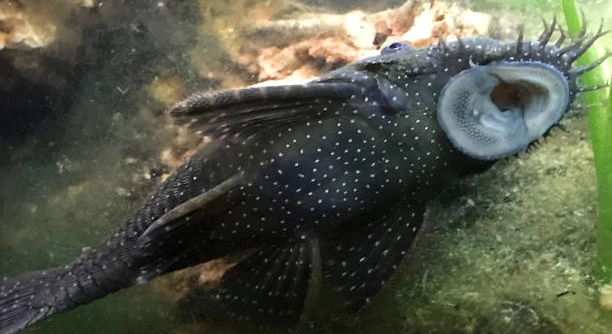
Do you ever wonder how different fish species get along in the same tank? Bristlenose plecos and cichlids are popular choices for home aquariums, but understanding their interactions can help maintain a peaceful environment. Bristlenose plecos can live with cichlids under certain conditions. Ensuring adequate tank size, hiding spaces, and compatible cichlid species reduces territorial … Read more
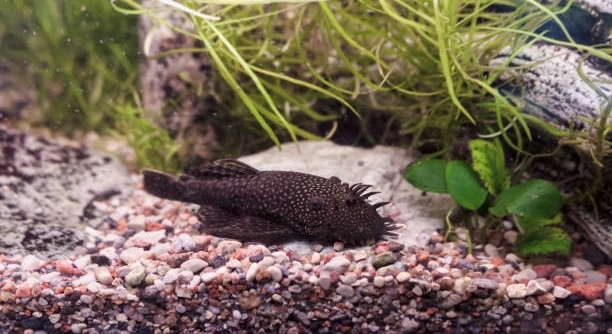
7 Visual Signs Your Pleco Is Uncomfortable

Do you ever notice your pleco hiding more than usual or staying in one corner of the tank for long periods? These subtle behaviors can sometimes indicate that your fish is not entirely comfortable in its environment. Plecos exhibit specific visual signs when they experience discomfort, including changes in color, abnormal swimming patterns, excessive hiding, … Read more

Why Is My Pleco Always Near the Heater?

Is your pleco always hovering near the heater, sticking close to the warmest spot in your tank? Many aquarists notice this behavior, which can be both puzzling and concerning for someone trying to maintain a healthy aquarium environment. Plecos often stay near the heater because they seek a consistent and warmer temperature, which supports their … Read more

7 Reasons Your Pleco Might Refuse Shelter

Do your plecos seem hesitant to use the shelter you provide in their tank? Observing them avoid hiding spots can be confusing, especially when you expect them to feel safe and comfortable. Understanding their behavior is key. Plecos may refuse shelter due to factors such as tank size, water quality, lighting, stress, incompatible tank mates, … Read more

7 Pleco Tank Accessories That Are Worth It

Keeping plecos healthy and happy requires more than just a tank and water. Many fish owners look for ways to improve their environment while making maintenance easier and their pet’s life more comfortable. The most beneficial pleco tank accessories include items that enhance water quality, provide hiding spots, improve feeding efficiency, and promote natural behaviors. … Read more

7 Pleco Behaviors That Seem Aggressive

Do you ever notice your pleco acting in ways that seem aggressive while swimming around your tank? These fish can display unusual behaviors that catch even experienced aquarists off guard, making you question their intentions. Plecos often exhibit behaviors that appear aggressive but are usually normal territorial or feeding actions. Recognizing these patterns is essential … Read more

Do Bristlenose Plecos Follow Daily Rhythms?

Have you ever watched your bristlenose pleco quietly moving around its tank and wondered what guides its daily behavior? These small freshwater fish have patterns that seem familiar, yet there is more to understand about their routines. Bristlenose plecos exhibit clear daily rhythms, with activity levels rising during low-light periods and resting during bright daylight. … Read more

7 Strange Pleco Behaviors That Are Harmless

Keeping plecos in home aquariums can be both relaxing and surprising. These fish have unique habits that may seem unusual at first, but many of their actions are perfectly normal and harmless to observe. Plecos display a variety of behaviors that may appear strange but are natural. From hiding in unusual spots to hovering near … Read more

Why Is My Pleco Hovering in One Spot?

Is your pleco spending more time hovering in one spot than exploring the tank? Observing this behavior can be concerning for fishkeepers who care about their pets’ health and daily activity. Understanding why it happens is important. Plecos often hover due to stress, poor water quality, or insufficient oxygen levels. Environmental factors, including tank temperature, … Read more

7 Ways to Encourage Plecos to Breed Again

Are your plecos showing little interest in breeding after a previous successful season? Many fish keepers face this challenge, seeking ways to encourage their aquatic pets to reproduce again under ideal conditions and care routines. Encouraging plecos to breed again requires attention to water quality, temperature regulation, diet enrichment, and provision of suitable spawning sites. … Read more