
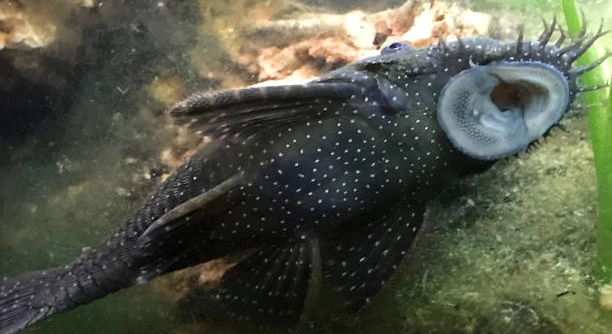
Is your pleco always hovering near the heater, sticking close to the warmest spot in your tank? Many aquarists notice this behavior, which can be both puzzling and concerning for someone trying to maintain a healthy aquarium environment.
Plecos often stay near the heater because they seek a consistent and warmer temperature, which supports their metabolism and digestion. Cold water can slow their bodily functions, prompting them to favor areas with stable heat for comfort and survival.
Learning the reasons behind this behavior can help you adjust your tank setup, ensuring your pleco remains healthy and comfortable in its environment.
Understanding Pleco Temperature Preferences
Plecos are tropical fish, and their natural habitat is consistently warm. When the water in a tank is cooler than their preferred range, they instinctively move closer to the heater. This behavior is not unusual, as their metabolism slows in lower temperatures, making it harder for them to digest food or stay active. Observing your pleco near the heater is a sign that it is trying to maintain its comfort. Water temperature can fluctuate for many reasons, such as inconsistent heating, large tanks with uneven distribution, or nighttime cooling. Even a few degrees lower than optimal can make a noticeable difference. Maintaining a consistent temperature ensures your pleco is active, eats regularly, and avoids stress-related health issues. Adjusting heater placement, checking your thermometer daily, and considering multiple heaters in large tanks can help prevent cold spots. By paying attention to these details, you can create a stable and comfortable environment for your pleco.
Plecos prefer water between 74°F and 80°F. Staying near the heater helps them regulate their body functions effectively.
Warmth affects more than comfort. It influences feeding patterns, immunity, and overall activity levels. A properly heated tank reduces stress and supports natural behaviors.
Signs Your Tank Temperature Needs Adjustment
A pleco consistently staying near the heater may indicate uneven or insufficient heating in the tank.
Tank heaters sometimes fail to provide uniform warmth, especially in larger aquariums or when water flow is poor. Plecos may congregate near the heat source because other areas of the tank are too cold. Using a thermometer at different locations helps identify temperature variations. Additionally, placing decorations or caves near the heater can inadvertently create warmer zones, which the pleco may favor. Consider adding circulation devices or adjusting the heater’s position to promote even heat distribution. Gradual temperature changes are better than sudden spikes, which can stress your fish. Monitoring the water daily ensures your pleco remains comfortable. By maintaining consistent warmth and observing behavior, you can support a healthy, active pleco that feels secure in its habitat. Proper temperature management is essential for long-term well-being and can prevent issues like sluggishness, poor appetite, and increased susceptibility to disease.
Adjusting Heater Placement
Placing the heater in the center or near water flow ensures even temperature distribution. Plecos often cluster in warmer spots when heat is uneven, so proper placement helps the entire tank stay consistent.
Evenly distributing heat prevents your pleco from crowding one area. In large tanks, warm zones can form near heaters while distant corners remain cooler. This can stress the fish and reduce activity. Using a heater guard, positioning it vertically, and adding a small powerhead can circulate warm water. Monitoring temperature at multiple points ensures stability. Adjusting placement improves overall comfort, reduces stress, and encourages natural movement throughout the tank.
A heater’s position also affects hiding spots. Plecos like caves or driftwood near warm areas. By placing decorations thoughtfully, you can create both comfort and even warmth. Circulation combined with strategic layout keeps your pleco healthy and active, preventing prolonged exposure to overly warm or cold pockets, supporting normal digestion, immunity, and behavior patterns consistently.
Monitoring Water Temperature
Using a reliable thermometer is key to maintaining stable conditions for your pleco. Accurate readings help prevent prolonged exposure to unsuitable temperatures.
Temperature swings, even a few degrees, can affect metabolism and stress levels. Monitoring morning and evening readings identifies fluctuations. Investing in digital thermometers with alarms can alert you to sudden changes, while checking multiple spots prevents blind spots. Regular observation ensures your pleco stays within its optimal range, promoting health and activity.
Consistent monitoring also allows you to spot trends over time. Seasonal changes, room temperature shifts, and heater performance can influence water temperature. Tracking these variables helps you anticipate adjustments and maintain comfort. When you combine careful monitoring with proper heater placement, your pleco experiences stable warmth, reduced stress, and a supportive environment for growth, feeding, and natural behavior. By staying proactive, you create a tank that meets your pleco’s needs effectively, minimizing health risks and ensuring long-term vitality.
Recognizing Cold Stress
Plecos show signs of cold stress by staying near the heater, slowing movement, or hiding excessively. Observing these behaviors early helps prevent health problems.
Other indicators include reduced appetite, pale coloration, and lethargy. Prompt adjustments to temperature can restore normal activity and comfort for your fish.
Using Multiple Heaters
In larger tanks, one heater may not provide consistent warmth throughout the aquarium. Installing two smaller heaters on opposite ends ensures even temperature distribution. This approach reduces cold spots, prevents your pleco from crowding one area, and supports healthier activity. Regularly check both heaters for proper function.
Seasonal Temperature Changes
Water temperature can drop during colder months. Monitoring and adjusting heaters accordingly helps maintain stability.
FAQ
Why does my pleco always stay near the heater?
Plecos are tropical fish that prefer stable, warm water. Staying near the heater allows them to maintain their metabolism, digest food properly, and stay active. Cooler areas of the tank can slow their bodily functions, making them seek warmth for comfort.
Is it normal for plecos to hug the heater all the time?
It is normal if your tank has uneven temperature. Plecos will naturally gather near warm spots to stay comfortable. However, constant clustering can also indicate that the tank temperature is lower than their preferred range, which may need adjustment.
What temperature should my pleco tank be?
Plecos generally prefer water between 74°F and 80°F. Maintaining this range supports digestion, immune function, and activity levels. Temperatures outside this range for extended periods can stress your pleco and increase susceptibility to illness.
Can plecos survive in cooler water?
While plecos can tolerate slightly cooler temperatures for short periods, prolonged exposure slows metabolism and digestion. Chronic cold can lead to lethargy, reduced appetite, and increased risk of disease. Consistent warmth is essential for long-term health.
How can I tell if my pleco is stressed from the cold?
Signs of stress include hiding more than usual, reduced movement, pale coloration, and refusing food. Observing these behaviors alongside water temperature readings helps identify if cold water is causing discomfort. Prompt adjustment can restore normal activity.
Will adding another heater help my pleco?
In large tanks, adding a second heater can improve temperature consistency. Placing heaters on opposite sides or at different depths promotes even warmth, preventing your pleco from crowding one area and supporting better overall health.
Can decorations near the heater affect my pleco’s behavior?
Yes, caves, driftwood, or plants placed near a heater create warmer microzones that plecos naturally prefer. While these areas provide comfort, uneven placement can encourage clustering. Spacing decorations thoughtfully helps distribute heat more evenly.
How often should I monitor water temperature?
Daily checks are recommended, particularly in tanks with fluctuating room temperatures or older heaters. Observing temperature in multiple locations ensures the water remains stable and prevents cold spots that stress your pleco.
Are plecos more active in warmer water?
Yes, proper warmth increases metabolism, encouraging feeding, exploration, and normal behaviors. Cold water slows activity, causing lethargy and reduced interaction with their environment. Maintaining consistent temperature ensures healthy energy levels.
What should I do if my heater fails?
If a heater fails, move your pleco to a temporary heated container or use a backup heater immediately. Rapid intervention prevents prolonged exposure to cold, which can compromise digestion, immune function, and overall health.
Can sudden temperature changes harm plecos?
Sudden shifts can be stressful. Plecos prefer gradual changes, as rapid drops or spikes may cause shock, reduce appetite, and weaken their immune system. Always adjust temperature slowly and monitor behavior closely.
Do plecos need heat at night?
Yes, temperature drops at night can affect tropical fish. Ensuring the heater maintains consistent warmth around the clock prevents cold stress and supports natural sleep and feeding cycles.
Is it okay for plecos to move away from the heater sometimes?
Yes, plecos often explore cooler areas once the tank reaches a comfortable temperature. Occasional movement away from the heater indicates a well-balanced tank and normal behavior, provided they return to warmer spots when needed.
How can I make my pleco comfortable in winter?
Monitor tank temperature closely, adjust heaters as needed, and avoid placing tanks near drafts or windows. Proper circulation, consistent warmth, and thoughtful placement of decorations ensure your pleco remains comfortable during colder months.
Can water flow affect how plecos use the heater?
Yes, poor circulation can create cold pockets away from the heater. Plecos may remain in warmer zones due to uneven flow. Adding a powerhead or adjusting filter output helps distribute warmth and supports more natural movement throughout the tank.
This FAQ provides practical solutions and explanations for common concerns about plecos and their preference for heaters, helping ensure a comfortable and healthy environment for your fish.
Final Thoughts
Plecos are tropical fish that rely heavily on consistent warmth for their health and comfort. Observing your pleco near the heater is usually a sign that it is seeking the temperature it needs to function properly. Unlike some other fish, plecos are sensitive to temperature fluctuations, and even small drops in water temperature can affect their metabolism, digestion, and activity levels. When you notice your pleco spending most of its time in one warm area, it is not being lazy or picky; it is simply prioritizing survival. Maintaining stable warmth throughout the tank is essential for helping your pleco remain active, feed properly, and avoid stress-related issues. Using a reliable thermometer and checking temperature at multiple points in the aquarium ensures that you are providing the right environment for your fish. A consistent water temperature allows your pleco to explore the tank more freely and reduces its reliance on the heater as the only comfortable spot.
Proper heater placement is another important factor in keeping your pleco comfortable. In larger tanks, a single heater may not evenly warm the water, creating cold zones that your pleco will naturally avoid. Placing the heater near water circulation, or adding a second heater in a different area, helps distribute heat more evenly and encourages your pleco to move around rather than staying in one spot. Decorations like caves or driftwood near the heater can provide additional warmth and security, but it’s important not to create areas that are too hot compared to the rest of the tank. Observing your pleco’s behavior can guide small adjustments, such as repositioning the heater or adding gentle water flow, to ensure the entire aquarium maintains a stable temperature. This balance between warmth and movement promotes natural behavior, supports proper feeding, and helps reduce stress that may lead to health problems.
Monitoring temperature over time is just as important as maintaining it. Seasonal changes, room temperature shifts, and heater performance can all affect water conditions, sometimes in subtle ways that are easy to overlook. Daily checks, especially during colder months, help prevent prolonged exposure to cooler water that can slow metabolism and affect overall health. Plecos respond well to gradual changes, but sudden temperature drops or spikes can be stressful. By staying proactive, you ensure that your pleco stays healthy, active, and comfortable throughout the year. Attention to temperature, heater placement, and water circulation creates a supportive environment that allows your pleco to thrive, reducing stress and encouraging natural behavior. Proper care in these areas ultimately leads to a happier, healthier fish that is more interactive and engaged in its tank.

Hello,
If you enjoy the content that we create, please consider saying a "Thank You!" by leaving a tip.
Every little bit helps us continue crafting quality advice that supports the health, happiness, and well-being of pets around the world, for pets of all shapes, sizes, and species.
We really appreciate the kindness and support that you show us!