
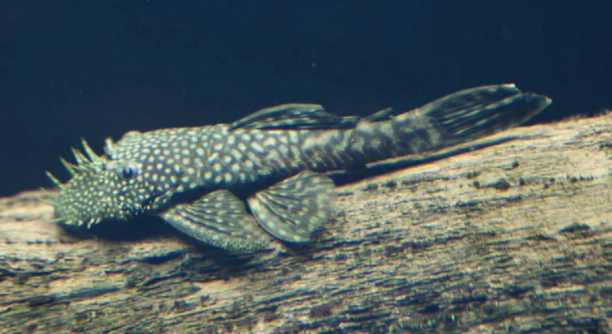
Do you ever notice your pleco acting in ways that seem aggressive while swimming around your tank? These fish can display unusual behaviors that catch even experienced aquarists off guard, making you question their intentions.
Plecos often exhibit behaviors that appear aggressive but are usually normal territorial or feeding actions. Recognizing these patterns is essential for proper tank management, preventing misinterpretation, and ensuring both the fish’s well-being and harmonious aquarium dynamics.
Observing these actions closely can help you distinguish between true aggression and typical pleco behavior, leading to a calmer and healthier aquatic environment.
Hiding Spots and Territorial Behavior
Plecos often claim certain areas of the tank as their own. They may wedge themselves under driftwood, behind rocks, or in caves, making it seem as though they are aggressive when approached. This behavior is a natural form of territory establishment. The fish uses these spots for resting, feeding, and avoiding stress. When another fish comes close, the pleco may flare its fins, nudge, or chase the intruder away. Observing these actions carefully helps you understand that the behavior is defensive rather than predatory. Providing multiple hiding spots and ensuring enough space in the tank can reduce tension and prevent repeated confrontations. Plecos are nocturnal, which means they are more active during low light. Their territorial instincts become stronger at night, so disturbances during these hours may trigger more visible “aggressive” displays. Awareness of their habits allows you to manage the tank environment, creating a calmer atmosphere that supports both pleco comfort and the safety of other tank inhabitants.
Proper placement of logs and caves can help prevent territorial conflicts and reduce stress for plecos.
Knowing the reasons behind this behavior allows you to structure the tank with multiple hiding areas. Using driftwood, rocks, and plants strategically ensures each pleco has a personal space, minimizing confrontations. Observing them regularly reveals patterns, like times of heightened activity or specific areas they defend more vigorously. Adjustments to lighting and feeding schedules can also influence their interactions. By respecting their natural tendencies, you can maintain a peaceful tank where plecos coexist without unnecessary aggression, keeping the aquatic environment balanced and healthy.
Feeding Aggression
Plecos may become more assertive during feeding times, pushing other fish aside to claim food for themselves.
Feeding aggression is common among plecos, especially in mixed-species tanks. They are bottom feeders, so food placement matters. Sinking pellets or wafers should be distributed across the tank to reduce competition. Some plecos may charge or chase others if they feel threatened or hungry. Observing their feeding behavior helps identify which fish need more space or food to reduce stress. Consistent feeding routines also help establish boundaries, making the tank environment more predictable. Providing a varied diet with vegetables and algae wafers ensures that plecos remain healthy and less prone to aggressive behavior. This type of aggression is rarely dangerous but can stress smaller or slower fish. By understanding feeding patterns, aquarists can create a calm environment that satisfies all tank inhabitants.
Proper feeding strategies involve observing individual behaviors and adjusting placement and amounts. Regular monitoring allows for early intervention, preventing conflicts before they escalate. Providing multiple feeding zones and offering food slowly across the tank ensures all fish have access without causing stress. Overcrowded tanks may exacerbate feeding aggression, so maintaining adequate space is essential. Adjusting diet, such as supplementing with vegetables or algae, can satisfy plecos’ nutritional needs and reduce competition. Behavioral cues, like chasing or fin flaring during feeding, indicate when a fish may feel threatened. Taking proactive steps to minimize these triggers fosters a healthier environment. Balancing feeding schedules with the tank’s layout and species composition prevents ongoing tension. Each pleco has unique tendencies, and understanding them ensures harmonious coexistence. Creating consistent routines allows both the fish and the aquarist to maintain a predictable and peaceful tank dynamic, reducing stress and improving overall well-being for all aquatic residents.
Fin Flaring and Display
Fin flaring is a common behavior where plecos spread their fins wide. It can look aggressive, but it’s often a way to assert presence or ward off perceived threats. This display rarely leads to actual harm.
Fin flaring signals that a pleco is marking its space or showing dominance within its environment. It may occur when another fish swims too close or when the pleco feels insecure. Understanding that this is a natural form of communication helps prevent misinterpretation as outright aggression. Observing the frequency and context of flaring can guide adjustments to tank layout or hiding spots. Ensuring adequate space between fish reduces unnecessary displays and stress, making the aquarium more balanced.
Sometimes, fin flaring coincides with minor chasing. While it may appear hostile, it is usually a short-lived assertion of territory. Adjusting tank structure, adding hiding areas, and spacing feeding locations can minimize repeated flaring. Recognizing patterns in these displays allows you to anticipate interactions, keeping plecos and other fish comfortable. This behavior is a normal part of their social structure and rarely causes injury if monitored properly.
Tail Whipping
Tail whipping occurs when plecos flick or lash their tails quickly. It can startle nearby fish and looks aggressive.
Tail whipping usually serves as a defensive maneuver rather than an attack. Plecos may use this action to signal irritation or to maintain space around themselves. The movement is often directed toward objects or other fish encroaching on their preferred area. Monitoring these interactions helps identify triggers, such as overcrowding or insufficient hiding spots. Proper tank design and spacing reduce the frequency of tail whipping, maintaining a calmer environment for all inhabitants.
This behavior can also appear during feeding, particularly if the pleco feels pressured or threatened by other fish nearby. Tail whipping is typically brief and seldom causes harm, but repeated actions can indicate stress or discomfort. Adjusting the feeding routine, adding more hiding areas, or redistributing food can help mitigate the behavior. Observing patterns over time allows you to predict and reduce tail whipping incidents. Recognizing it as communication rather than aggression ensures a healthier tank dynamic, helping plecos coexist peacefully with other species while expressing natural behaviors without unnecessary stress.
Chasing Behavior
Plecos may chase other fish around the tank, making it seem aggressive. This behavior is often related to territory or feeding instincts rather than true hostility.
Chasing usually happens when a pleco wants to assert dominance or protect a favored hiding spot. It is typically brief and stops once the other fish moves away.
Sucking and Rubbing
Plecos frequently rub their bodies against tank surfaces. While it might look like aggression, it is usually a feeding or cleaning behavior. They scrape algae or detritus from surfaces to eat or maintain their skin. Observing this behavior helps distinguish it from harmful interactions with other fish.
Quick Darting Movements
Plecos sometimes make sudden, fast movements across the tank. These quick bursts often result from excitement, stress, or attempts to avoid other fish. This behavior can appear aggressive but is primarily a natural response to environmental stimuli, not a threat.
FAQ
Why does my pleco seem aggressive toward other fish?
Plecos are naturally territorial. They may chase, flare fins, or tail whip when another fish enters their preferred area. These actions are usually defensive rather than harmful. Ensuring adequate hiding spots and space in the tank can reduce these displays and prevent stress for all fish.
Is fin flaring dangerous?
Fin flaring rarely causes physical harm. It is a visual signal to communicate dominance or warn others to keep distance. Monitoring when and where flaring occurs helps determine triggers. Adjusting tank layout, adding caves, or spreading out food can reduce excessive flaring and improve tank harmony.
Why does my pleco chase others during feeding?
Chasing during feeding is linked to competition for food. Plecos are bottom feeders and can become assertive if food is scarce or unevenly distributed. Distributing sinking pellets or wafers across multiple areas allows all fish to eat without conflict. Observing feeding patterns can help prevent repeated chasing behavior.
Why does my pleco rub against surfaces?
Rubbing against tank surfaces is typically a normal behavior. Plecos scrape algae, biofilm, or detritus from objects to eat or maintain skin health. This behavior may increase if there is insufficient algae in the tank. Providing algae wafers or vegetables can satisfy their dietary needs and reduce excessive rubbing.
Are tail whips a sign of aggression?
Tail whipping is usually defensive. Plecos flick their tails to signal irritation or to keep space from other fish. Frequent whipping can indicate stress, overcrowding, or lack of hiding areas. Adjusting tank size, layout, and feeding zones can minimize this behavior while keeping the pleco comfortable.
How do I know if my pleco is stressed?
Signs of stress include prolonged hiding, frequent chasing, excessive rubbing, or sudden darting movements. Stress can stem from poor water conditions, overcrowding, or aggressive tankmates. Maintaining proper water parameters, providing hiding spots, and observing daily behavior helps ensure pleco health and reduces perceived aggression.
Can plecos coexist with other fish safely?
Yes, most plecos coexist peacefully if the tank is large enough and has proper hiding spaces. Monitoring interactions is key, as individual temperaments vary. Separating highly aggressive plecos or providing additional territory boundaries can prevent conflicts and ensure harmony among all tank residents.
Does tank size affect pleco aggression?
Smaller tanks increase territorial disputes and aggressive displays. Plecos need space to explore and hide. Larger tanks with multiple hiding areas reduce competition and make natural behaviors like fin flaring, tail whipping, and chasing less stressful for all inhabitants.
Why does my pleco dart suddenly across the tank?
Quick, sudden movements are often responses to environmental changes or perceived threats. It may happen during feeding, when startled, or when another fish comes too close. Observing triggers helps predict behavior and reduces unnecessary stress in the tank.
How can I reduce aggressive behavior in my pleco?
Providing multiple hiding spots, evenly distributing food, monitoring tankmates, and maintaining proper water conditions are the most effective strategies. Understanding pleco behavior, anticipating triggers, and adjusting tank setup allows them to express natural instincts without harming others.
Are some pleco species more aggressive than others?
Yes, certain species have stronger territorial tendencies. Larger or more active plecos may display chasing, fin flaring, or tail whipping more frequently. Researching species-specific behavior before adding plecos helps prevent conflicts and ensures compatibility with other tank inhabitants.
When should I be concerned about aggression?
Intervention is needed if aggression results in injury, continuous chasing, or significant stress to other fish. Minor displays are normal, but persistent harmful behavior may require separating fish, adjusting tank layout, or increasing hiding areas to restore balance.
Can diet influence aggressive behavior?
Yes, a poor or limited diet can increase competition and stress. Offering a variety of sinking pellets, algae wafers, and vegetables satisfies nutritional needs and reduces food-driven chasing. Consistent feeding routines help plecos feel secure and less likely to act aggressively.
Do plecos show aggression at night?
Plecos are mostly nocturnal. Nighttime activity may include chasing, fin flaring, or darting. Observing them during low light can help distinguish normal nocturnal behavior from true aggression. Providing sufficient space and hiding spots reduces stress and nighttime confrontations.
How can I tell territorial behavior from real aggression?
Territorial behavior is usually brief and linked to a specific area or resource. Real aggression involves repeated chasing, biting, or injury. Monitoring patterns and adjusting the tank environment ensures plecos can express natural behaviors safely without harming other fish.
Is aggression a sign of illness?
Occasional displays are normal, but sudden changes in behavior, lethargy, or excessive rubbing may indicate health issues. Regular water checks, proper diet, and observing physical signs help distinguish between stress, illness, and normal territorial behavior.
Can introducing more hiding spots reduce aggression?
Yes, multiple hiding areas allow plecos to claim personal space and avoid conflicts. Caves, driftwood, and rocks distributed throughout the tank reduce chasing, fin flaring, and tail whipping by giving each fish a secure location to retreat when needed.
Do plecos remember territory?
Yes, plecos can recognize and defend preferred areas. They may repeatedly chase intruders or flare fins in familiar spots. Understanding this behavior allows aquarists to design tanks that accommodate territorial instincts while preventing unnecessary stress to other fish.
How often should I monitor pleco interactions?
Daily observation is recommended. Noticing patterns in chasing, flaring, or rubbing helps identify stressors or triggers early. Early intervention prevents escalation, ensuring a balanced environment where plecos coexist safely with other tank inhabitants.
Can plecos live peacefully in community tanks?
Most plecos adapt well if tank size is sufficient and hiding spots are available. Careful monitoring of feeding, space, and tankmate behavior supports peaceful coexistence. Adjustments to the tank setup help maintain harmony while allowing natural behaviors without causing harm.
Final Thoughts
Observing plecos in a home aquarium can sometimes be surprising, especially when their behavior looks aggressive. Chasing, fin flaring, tail whipping, or rubbing against surfaces may alarm owners at first. Understanding these actions is important because most are normal responses to their environment rather than signs of danger. Plecos are naturally territorial, nocturnal, and bottom-dwelling fish, which influences how they interact with other tank mates. Many of the behaviors that appear aggressive are simply ways for plecos to communicate, establish space, or protect their preferred areas. By recognizing these patterns, you can provide a better environment for your pleco while keeping the rest of the tank calm and balanced. Observing your fish regularly helps identify what is normal for them and what may indicate stress or discomfort.
Proper tank setup is key to reducing perceived aggression and maintaining harmony. Providing sufficient hiding spots, such as caves, driftwood, and plants, gives plecos a sense of security and reduces repeated chasing or flaring behaviors. Adequate space is also important; overcrowded tanks increase territorial disputes and stress, which can make normal behaviors appear more aggressive. Feeding routines matter as well. Distributing food evenly and offering a variety of options like algae wafers, vegetables, and sinking pellets minimizes competition. These adjustments not only address the behaviors directly but also promote overall health, as stressed fish are more prone to illness. Understanding your pleco’s natural instincts allows you to anticipate behaviors and respond appropriately, making the aquarium a more peaceful environment for all species.
Patience and observation are essential when keeping plecos. These fish have individual personalities, and what seems aggressive in one pleco may be completely normal in another. Consistency in water quality, tank maintenance, and feeding routines reduces stress, which in turn lowers the likelihood of confrontational behaviors. It is important to remember that aggression in plecos is often situational rather than persistent; most behaviors will subside once the fish feel secure. By learning to interpret their actions accurately, you can provide an environment that supports their natural behaviors without allowing them to harm others. With careful planning, proper tank design, and consistent observation, plecos can thrive alongside other fish while displaying their unique behaviors safely. Understanding and respecting these patterns not only improves the well-being of the pleco but also makes maintaining a community tank more enjoyable and manageable for the aquarist.

Hello,
If you enjoy the content that we create, please consider saying a "Thank You!" by leaving a tip.
Every little bit helps us continue crafting quality advice that supports the health, happiness, and well-being of pets around the world, for pets of all shapes, sizes, and species.
We really appreciate the kindness and support that you show us!