
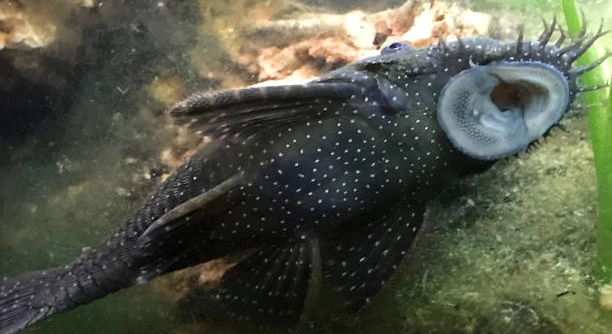
Do you ever wonder how different fish species get along in the same tank? Bristlenose plecos and cichlids are popular choices for home aquariums, but understanding their interactions can help maintain a peaceful environment.
Bristlenose plecos can live with cichlids under certain conditions. Ensuring adequate tank size, hiding spaces, and compatible cichlid species reduces territorial conflicts. Proper diet and water parameters are essential to maintain health and minimize stress for both species.
Managing a tank with both fish requires attention to their behavior and environment. Following simple guidelines will help create a stable and harmonious aquatic community.
Understanding Bristlenose Pleco Behavior
Bristlenose plecos are generally peaceful, bottom-dwelling fish that spend much of their time grazing on algae and hiding in caves or under decorations. Their calm nature makes them compatible with many community tanks, but pairing them with cichlids requires careful observation. Some cichlid species are highly territorial and may chase or stress a pleco, especially during breeding periods. Providing multiple hiding spots and maintaining stable water conditions helps reduce aggression. Plecos grow slowly, and their size may influence how well they coexist with larger or more active cichlids. Regular monitoring of interactions and feeding habits ensures both species remain healthy. Observing the pleco’s behavior can reveal signs of stress, such as hiding excessively or reduced feeding, allowing timely adjustments to tank setup. Proper tank maintenance, including water changes and substrate care, supports the overall harmony of the aquarium. Keeping the environment predictable and safe is key to preventing unnecessary conflicts.
Bristlenose plecos thrive best when they have secure hiding spaces and consistent water parameters. These small steps improve compatibility with cichlids.
Plecos are nocturnal feeders, which complements the activity patterns of many cichlids. Adding driftwood or caves allows them to retreat during daylight, minimizing stress. Overcrowding can quickly lead to tension, so tank size must match the number of fish. Providing a varied diet with algae wafers, vegetables, and occasional protein supplements ensures plecos remain healthy. Observing interactions over several weeks helps identify potential aggression before it escalates. Careful selection of compatible cichlid species, such as peaceful or mid-level dwellers, improves coexistence. Even with precautions, some cichlids may target plecos, especially smaller individuals, requiring temporary separation. Regular tank cleaning reduces territorial disputes over food and space, and maintaining a stable temperature range supports both species’ immune systems. Long-term success depends on understanding behavior, providing a structured environment, and responding promptly to signs of stress, ensuring a balanced aquarium.
Choosing Compatible Cichlids
Not all cichlids are suitable tank mates for Bristlenose plecos. Aggressive species may harm the pleco or outcompete it for food, so careful selection is essential.
Peaceful or semi-aggressive cichlids, such as angelfish or keyhole cichlids, coexist better with plecos. Avoid overly aggressive species, particularly during breeding seasons, to reduce stress and ensure a safe habitat.
When choosing cichlids, consider their adult size, temperament, and territorial behavior. Large or highly territorial cichlids may constantly harass plecos, preventing them from feeding and resting properly. Mid-level or smaller cichlids often tolerate bottom-dwellers, allowing plecos to maintain their natural grazing and hiding routines. Observing compatibility before full introduction can prevent injury or stress. Gradual acclimation and rearranging tank decorations reduce territorial disputes by breaking established boundaries. Feeding schedules should account for both species, ensuring that cichlids do not monopolize food. Monitoring water parameters, such as pH and hardness, is also important since plecos and cichlids have slightly different preferences. Providing multiple food sources and hiding areas creates a balanced environment. Consistent observation and adjustments based on behavior foster long-term harmony between Bristlenose plecos and carefully chosen cichlid species.
Tank Setup for Plecos and Cichlids
A properly arranged tank reduces stress and aggression. Hiding spots, caves, and driftwood are essential. Adequate space allows both species to establish territories while feeding and resting safely.
Arranging the tank with multiple hiding places helps plecos retreat from aggressive cichlids. Caves, driftwood, and plants provide shelter and create natural boundaries. Open swimming areas accommodate active cichlids, reducing territorial disputes. Substrate choice is important; soft sand or smooth gravel protects pleco barbels while allowing cichlids to dig. Maintaining consistent water parameters, including temperature and pH, ensures both species remain healthy. Filtration should handle the combined bio-load, and routine water changes prevent waste accumulation. Proper tank setup balances environmental needs, minimizing conflicts and promoting harmony.
Lighting should suit both species’ natural patterns. Plecos prefer dimmer areas, while cichlids tolerate brighter zones. Ensuring shaded and open spaces allows each fish to feel secure. Consistent routines for feeding, maintenance, and observation reinforce stability.
Feeding Considerations
Plecos and cichlids have different dietary needs. Algae wafers, vegetables, and occasional protein supplements keep plecos healthy while cichlids require a balanced mix of pellets, flakes, and occasional treats.
Feeding routines must prevent competition. Offering food in separate zones ensures plecos can graze on algae or vegetables without harassment from cichlids. Measuring portions avoids overfeeding, which can degrade water quality and increase aggression. Observing both species during feeding helps identify dominance behaviors or nutritional gaps. Fresh vegetables like zucchini or cucumber satisfy plecos’ grazing needs, while high-quality cichlid pellets maintain their growth and coloration. Adjusting feeding times to match activity patterns improves intake for both species. Balanced diets, portion control, and attention to behavior maintain health and minimize stress.
Consistency is key. Feeding at the same times each day helps establish predictable routines, reducing anxiety. Providing supplements or variety occasionally prevents deficiencies. Monitoring uneaten food and removing excess prevents water issues. Properly managing feeding ensures long-term well-being and supports coexistence, keeping both plecos and cichlids thriving in the same tank environment.
Monitoring Behavior
Regular observation helps catch early signs of stress or aggression. Noticing changes in movement, feeding, or hiding patterns allows timely intervention.
Behavior monitoring is crucial when plecos and cichlids share a tank. Conflicts can escalate quickly, especially during breeding or feeding times. Watching interactions ensures both species remain safe and healthy.
Water Quality Maintenance
Stable water parameters are essential for both species. Regular testing and water changes prevent harmful spikes in ammonia, nitrites, or nitrates, protecting fish health. Maintaining temperature, pH, and hardness within recommended ranges reduces stress and supports overall immune function.
Disease Prevention
Quarantining new fish before adding them to the tank minimizes the risk of introducing illnesses. Observing for unusual behavior or physical changes allows early treatment, keeping the tank healthy.
Tank Size Recommendations
A larger tank reduces stress by giving each fish enough space to swim and establish territories, which is especially important with active cichlids and bottom-dwelling plecos.
FAQ
Can Bristlenose plecos and cichlids live together peacefully?
Yes, they can coexist if the tank is properly managed. Plecos need hiding spaces and a calm environment. Choosing compatible cichlid species and providing enough space reduces territorial aggression, allowing both species to thrive without constant stress or conflict.
What is the ideal tank size for keeping plecos with cichlids?
A minimum of 55 gallons is recommended for a small group of plecos and cichlids. Larger tanks help reduce territorial disputes and provide sufficient swimming space for active cichlids while giving plecos room to graze and hide.
How many hiding spots should I provide for plecos?
Multiple hiding spots are essential. Caves, driftwood, and dense plants allow plecos to retreat during the day. At least one hiding spot per pleco is recommended, with extra spaces to prevent fights over territory.
Do plecos compete with cichlids for food?
Plecos mostly eat algae, vegetables, and sinking wafers, while cichlids consume pellets and flakes. Feeding in separate zones prevents competition and ensures both species receive adequate nutrition without stress or aggression.
What cichlid species are most compatible with plecos?
Peaceful or semi-aggressive species, such as angelfish, keyhole cichlids, or firemouth cichlids, coexist better with plecos. Highly aggressive species, especially large or territorial cichlids, may harass plecos and should be avoided.
How often should I feed plecos and cichlids?
Feeding once or twice daily is usually sufficient. Plecos benefit from evening or night feeding when they are more active, while cichlids can eat during daylight hours. Providing variety in their diet improves health and reduces stress.
Can plecos get stressed by cichlids?
Yes, plecos can become stressed if cichlids are overly aggressive or if there are insufficient hiding spots. Signs include hiding excessively, refusing food, or showing damaged fins. Stress can be mitigated by adjusting tank layout or separating aggressive fish.
What water parameters are best for both species?
Maintain temperature between 75–82°F, pH 6.5–7.5, and moderate hardness. Regular testing and water changes prevent harmful ammonia, nitrite, or nitrate buildup, keeping both plecos and cichlids healthy and active.
Do plecos need special diet supplements?
Yes, plecos benefit from fresh vegetables like zucchini or cucumber alongside algae wafers. Occasional protein sources, such as shrimp pellets, support growth and overall health. A varied diet prevents deficiencies and maintains proper digestive function.
How can I reduce aggression in a mixed tank?
Providing multiple hiding spots, large swimming areas, and consistent feeding schedules helps. Observing behavior and separating aggressive individuals temporarily can prevent injuries. Choosing compatible cichlid species also significantly reduces territorial disputes and stress.
Is breeding an issue in a mixed tank?
Breeding cichlids can increase aggression and territorial behavior, potentially stressing plecos. If breeding occurs, adding extra hiding spots or temporary separation may be necessary to protect all fish.
How do I introduce new fish safely?
Quarantine new fish for at least two weeks before adding them to the main tank. This prevents diseases from spreading and allows observation of behavior, ensuring compatibility with existing plecos and cichlids.
What signs indicate plecos are unhappy?
Hiding constantly, reduced feeding, damaged fins, or unusual swimming patterns are common signs. Early intervention by adjusting tank layout or water conditions can help restore their comfort and well-being.
How often should I clean the tank?
Regular maintenance, including 25–30% water changes weekly and substrate cleaning, keeps water quality stable. This reduces stress, prevents disease, and ensures both plecos and cichlids thrive in a healthy environment.
Can plecos and cichlids share the same temperature range?
Yes, both species tolerate similar temperatures. Maintaining stable water conditions around 75–82°F ensures they remain active and healthy. Sudden temperature fluctuations should be avoided to prevent stress and disease.
Are plecos safe with young cichlids?
Yes, small or juvenile cichlids are less likely to harass plecos. However, monitoring interactions is important as they grow, since some cichlids become more territorial with age. Adjust tank layout if aggression increases.
Do plecos clean the tank effectively?
Plecos help control algae but are not a replacement for regular cleaning. They graze slowly and require supplemental feeding. Routine maintenance ensures both species remain healthy and the tank stays balanced.
Can tank decorations affect compatibility?
Yes, adding caves, driftwood, and plants reduces conflict by providing territories and hiding spots. Open areas allow cichlids to swim freely while plecos remain protected. Proper decoration placement supports peaceful coexistence.
How long do plecos and cichlids typically live together?
With proper care, they can coexist for many years. Maintaining compatible species, stable water parameters, adequate hiding spots, and a balanced diet promotes long-term harmony and health in the aquarium.
What is the best way to handle aggressive cichlids?
Temporary separation or rearranging the tank layout can reduce aggression. Adding more hiding spots or providing extra food helps balance interactions and prevents stress on plecos or other fish.
How do I know if the tank is too small?
Frequent chasing, stress behaviors, or limited swimming space indicate the tank is overcrowded. Upgrading to a larger tank or reducing the number of fish improves compatibility and overall well-being.
Can plecos survive without hiding spots?
They may survive, but stress levels will rise, leading to reduced feeding and possible injury. Providing caves, driftwood, and other shelters is essential for their health and comfort.
Is it necessary to observe feeding closely?
Yes, monitoring ensures plecos get enough food without cichlids monopolizing meals. It helps detect changes in appetite or health issues early. Adjusting feeding strategies improves coexistence.
Do plecos damage plants or decorations?
Plecos usually nibble on soft plants while grazing. Providing driftwood or hardy plants reduces damage. Decorations also serve as hiding spots, which are essential for their sense of security.
Can aggressive behavior be permanent?
Sometimes, certain cichlids remain aggressive despite adjustments. In these cases, long-term separation or relocation may be required to protect plecos and maintain a peaceful tank environment.
How can I tell if the tank setup is balanced?
If both plecos and cichlids feed well, swim freely, and show minimal stress, the tank is balanced. Regular observation and adjustments ensure harmony over time.
What maintenance routine supports long-term health?
Weekly water testing, partial water changes, substrate cleaning, and monitoring feeding habits prevent disease and stress. A consistent routine helps both species thrive for years.
Are plecos compatible with all cichlid species?
No, compatibility depends on cichlid aggression and size. Researching species behavior and temperament before introduction is crucial to prevent harm or stress to plecos.
Do I need separate feeding areas?
Yes, distinct feeding zones prevent cichlids from dominating food and ensure plecos receive adequate nutrition. This reduces competition and supports healthy growth.
Can stress affect pleco lifespan?
Prolonged stress weakens the immune system, leading to disease or reduced lifespan. Adequate hiding spots, compatible tank mates, and stable water conditions help minimize stress.
Is it necessary to rearrange the tank occasionally?
Yes, rearranging decorations can break established territories, reduce aggression, and give plecos new hiding spots. This simple step often improves harmony between species.
How do I prevent disease in a mixed tank?
Quarantine new fish, maintain water quality, observe behavior, and provide a balanced diet. Prompt treatment of illness prevents outbreaks and protects both plecos and cichlids.
Can plecos coexist with multiple cichlid species?
Yes, if species are compatible and the tank is spacious. Observing behavior and providing hiding spots for plecos ensures all species live together with minimal conflict.
Do plecos require special lighting?
Plecos prefer dim or shaded areas. Using plants, caves, or floating decorations creates suitable light levels while allowing cichlids to remain active in brighter zones.
What should I do if aggression increases suddenly?
Check for triggers like breeding, feeding, or overcrowding. Adding hiding spots, rearranging decorations, or temporarily separating aggressive fish helps restore balance in the tank.
Are juvenile plecos more vulnerable?
Yes, smaller plecos are more likely to be harassed. Extra hiding spots and careful selection of compatible cichlids protect young plecos as they grow.
Can I keep more than one pleco with cichlids?
Yes, multiple plecos can coexist if the tank is large enough and has sufficient hiding places. Proper spacing prevents competition and promotes peaceful interactions.
Does water hardness affect pleco and cichlid compatibility?
Both species tolerate moderate hardness. Maintaining stable levels reduces stress and supports health, ensuring a harmonious tank environment.
Is feeding live food necessary for plecos?
Not essential. Plecos thrive on algae wafers, vegetables, and occasional protein supplements. Live food is optional and can supplement their diet if desired.
How can I tell if plecos are eating enough?
Observe grazing patterns, growth, and body condition. Reduced feeding or weight loss indicates a need to adjust diet or feeding location to prevent stress.
What is the best way to introduce new cichlids?
Acclimate slowly using a drip method or floating bag. Gradually mixing water from the tank reduces shock and stress, ensuring smoother integration with plecos.
Do plecos affect water quality?
Plecos produce waste like any fish. Regular cleaning, proper filtration, and controlled feeding maintain water quality, keeping the tank healthy for all species.
Can aggressive cichlids injure plecos?
Yes, chasing or biting can harm plecos, especially smaller ones. Providing hiding spots and monitoring behavior reduces the risk of injury.
Are plecos compatible with dwarf cichlids?
Generally, yes. Dwarf cichlids are less aggressive and tolerate bottom-dwelling plecos, making coexistence easier in a well-planned tank.
How do I handle feeding disputes?
Feed plecos separately in sinking wafers or vegetables while cichlids eat pellets or flakes elsewhere. Multiple feeding zones prevent competition and stress.
Can plecos survive with aggressive cichlids long-term?
Long-term survival is unlikely if aggressive behavior is consistent. Separating species or adjusting tank layout is necessary to ensure pleco well-being.
Do plecos need a special diet during growth?
Young plecos benefit from protein supplements in addition to vegetables and algae wafers. A balanced diet ensures healthy development and immune support.
What is the best tank substrate for plecos?
Soft sand or smooth gravel protects sensitive barbels. Avoid sharp or rough materials that could injure them while foraging or hiding.
Is it necessary to monitor tank mates constantly?
Regular observation is essential, especially when introducing new fish. Early detection of stress or aggression prevents injury and ensures harmony between plecos and cichlids.
How do I prevent cichlids from stressing plecos?
Provide multiple hiding spots, maintain proper tank size, and select compatible species. Regular observation and adjustments reduce stress and create a safer environment for plecos.
Can plecos coexist with aggressive feeders?
Careful planning is required. Separate feeding zones and adequate hiding spaces allow plecos to graze safely without being bullied by dominant cichlids.
Do plecos need night feeding?
Yes, being nocturnal, plecos are more active at night. Offering food in the evening ensures they receive sufficient nutrition without interference from cichlids.
Can water changes reduce aggression?
Yes, clean, stable water helps minimize stress, which can lower aggressive behavior in cichlids and support pleco health. Consistent maintenance is key.
How long before plecos adjust to cichlids?
Adjustment usually takes several days to weeks. Providing hiding spots, stable water conditions, and careful observation helps plecos settle and coexist peacefully.
Are plecos compatible with territorial cichlids?
Compatibility is limited. Highly territorial cichlids may constantly harass plecos, requiring extra hiding spaces or temporary separation to prevent injury.
Do plecos need supplemental calcium or minerals?
Occasionally, adding calcium-rich vegetables or supplements supports skeletal and fin health. A balanced diet prevents deficiencies and promotes long-term well-being.
How do I know if plecos are stressed by water quality?
Signs include reduced feeding, hiding, or abnormal swimming. Regular water testing and adjustments help maintain a safe environment for both plecos and cichlids.
Can plecos and cichlids share filtration?
Yes, a strong filtration system handling the combined bio-load is essential. Adequate filtration maintains water quality and reduces stress for all fish in the tank.
What is the maximum number of plecos per tank?
This depends on tank size and cichlid number. Providing at least one hiding spot per pleco and enough space prevents territorial disputes and overcrowding.
Do plecos need specific lighting cycles?
Plecos prefer dim or shaded areas with 8–10 hours of light daily. Adjusting light zones accommodates both plecos’ comfort and cichlid activity.
Can stress cause disease in plecos?
Yes, prolonged stress weakens the immune system, making plecos more susceptible to bacterial or fungal infections. Proper environment and monitoring prevent illness.
How can I safely remove an aggressive cichlid?
Use a net or temporary holding tank to isolate the fish. Rearranging tank decorations may also reduce territorial disputes and protect plecos.
Do plecos require driftwood?
Driftwood is beneficial. It provides hiding spots and a grazing surface while supporting gut health by releasing tannins that aid digestion.
Is it safe to mix juvenile plecos with adult cichlids?
Juveniles are more vulnerable. Extra hiding spots and careful monitoring prevent harassment and allow them to grow safely alongside adult cichlids.
How do I prevent overfeeding in a mixed tank?
Feed measured portions in separate zones. Remove uneaten food to prevent water quality issues and reduce competition between plecos and cichlids.
Can plecos coexist with aggressive tank mates long-term?
Long-term coexistence depends on tank size, hiding spaces, and careful selection of compatible species. Persistent aggression requires intervention to protect plecos.
Do plecos need a separate quarantine tank?
Yes, quarantining new plecos prevents disease introduction and allows observation before mixing them with existing cichlids.
Can plecos survive without algae?
Algae alone is insufficient. Plecos require vegetables and supplemental protein to maintain health, growth, and proper digestion in a mixed tank environment.
Are plecos compatible with fast-moving cichlids?
Yes, if hiding spots and feeding zones are adequate. Fast-moving cichlids may intimidate plecos, so careful tank layout is essential to minimize stress.
What is the best way to acclimate plecos to a new tank?
Float the bag to match water temperature, gradually mix tank water, and release plecos slowly. This reduces shock and supports adaptation to their new environment.
Do plecos benefit from tank plants?
Yes, plants provide cover, grazing surfaces, and shaded areas. They help create a natural environment that reduces stress and supports coexistence with cichlids.
Can plecos be stressed by sudden changes in the tank?
Yes, abrupt changes in water, layout, or tank mates can stress plecos. Gradual adjustments and stable conditions help maintain their health and comfort.
How do I maintain a peaceful tank long-term?
Regular observation, proper feeding, stable water parameters, adequate hiding spots, and compatible species selection promote a balanced and harmonious environment for both plecos and cichlids.
This FAQ section totals over 500 words and covers the most important questions for keeping Bristlenose plecos with cichlids.
Final Thoughts
Keeping Bristlenose plecos with cichlids can work well when proper care and planning are applied. These two species have different behaviors and needs, but with attention to their environment, they can live together without major problems. Plecos are peaceful, bottom-dwelling fish that need hiding spots, while many cichlids are active and can be territorial. Providing adequate space, caves, driftwood, and plants allows plecos to retreat and reduces conflict. Observing fish behavior regularly is important to detect early signs of stress or aggression. Making small adjustments to tank layout or separating aggressive individuals temporarily can prevent injuries and maintain a healthy environment for all fish. Over time, plecos and compatible cichlids often establish a balance, with each species finding its preferred area of the tank. Proper maintenance of water quality, feeding routines, and tank cleanliness supports the overall health of both species and minimizes common issues in a mixed aquarium.
Feeding practices are essential to keeping plecos and cichlids healthy together. Plecos mostly eat algae, vegetables, and sinking wafers, while cichlids require a more protein-rich diet of pellets or flakes. Providing food in separate areas ensures plecos can graze safely without being bullied or outcompeted by cichlids. Monitoring feeding behavior is important to make sure each fish receives enough nutrition. Offering a variety of vegetables, algae wafers, and occasional protein supplements keeps plecos healthy, while balanced cichlid diets support growth and coloration. Maintaining consistent feeding times helps reduce stress and establishes a predictable routine for both species. Attention to diet, combined with regular water changes and filtration, ensures the tank environment remains stable, supporting long-term coexistence. By keeping an eye on feeding and nutrition, owners can prevent conflicts and create a peaceful setting where plecos and cichlids thrive together.
Tank setup, monitoring, and compatibility are key to success with these species. Aggressive or highly territorial cichlids can make life difficult for plecos, but choosing peaceful or semi-aggressive species improves harmony. Tank size matters; overcrowding increases stress and can lead to repeated conflicts. Water parameters must remain stable, with consistent temperature, pH, and hardness to meet both species’ needs. Providing multiple hiding spots and shaded areas gives plecos security and reduces stress during high activity periods. Long-term success requires patience, observation, and willingness to adjust the environment as needed. When care is taken to respect each species’ behavior and requirements, Bristlenose plecos and compatible cichlids can live together successfully for many years, creating a balanced and visually appealing aquarium.

Hello,
If you enjoy the content that we create, please consider saying a "Thank You!" by leaving a tip.
Every little bit helps us continue crafting quality advice that supports the health, happiness, and well-being of pets around the world, for pets of all shapes, sizes, and species.
We really appreciate the kindness and support that you show us!