
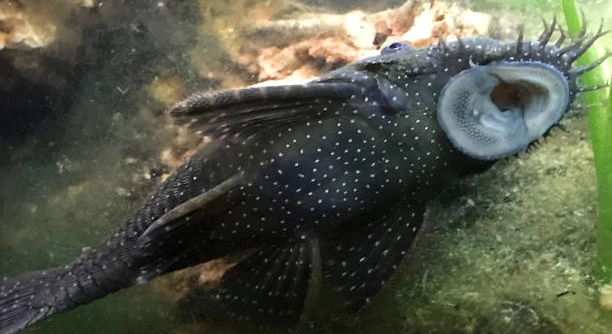
Have you ever watched your bristlenose pleco quietly moving around its tank and wondered what guides its daily behavior? These small freshwater fish have patterns that seem familiar, yet there is more to understand about their routines.
Bristlenose plecos exhibit clear daily rhythms, with activity levels rising during low-light periods and resting during bright daylight. Their behavior is influenced by circadian cycles, feeding schedules, and environmental cues, which regulate their movement, hiding, and foraging patterns.
Observing these rhythms can help you create a healthier and more comfortable environment for your fish. Understanding their habits is essential for anyone caring for bristlenose plecos.
How Bristlenose Plecos Move Through Their Day
Bristlenose plecos are mostly nocturnal, meaning they are most active at night. During the day, they tend to hide under rocks, driftwood, or decorations. Watching them move around at dusk, I noticed how carefully they explore the tank, brushing against surfaces to find food. Their bodies are built for scraping algae and detritus, so this activity keeps them busy when light levels drop. Feeding times also play a role; plecos learn when food appears and often adjust their routines accordingly. They don’t swim in open areas for long periods during daylight, likely to stay safe. Environmental cues, like light changes and water movement, trigger specific behaviors. Even subtle shifts, such as a lamp turning on, can make them retreat. Keeping a consistent day-night cycle is crucial to help them stay healthy, active, and comfortable in their habitat.
Observing their behavior over a week showed me how predictable their patterns can be with stable lighting and feeding.
This daily rhythm also affects their appetite. Plecos often nibble lightly during the day, saving major feeding for evening or night. They may explore the tank quietly while hiding, which is normal behavior, not stress. Consistent tank maintenance, including water changes and algae cleaning, supports their activity. Providing hiding spots, smooth surfaces, and varied foods lets them express natural behaviors. Their nocturnal nature can feel surprising at first, especially if you expect fish to be active all day. Understanding when they are likely to forage or rest helps in planning feeding schedules. Watching a pleco during low light can be rewarding, as their interactions with the tank environment become more noticeable. Creating a calm, stable environment allows their natural rhythms to emerge fully. Even simple observations, like noticing when they leave hiding spots, reveal a lot about how they experience their tank. Proper care includes respecting these activity cycles and adjusting the habitat to match their natural tendencies.
Light and Environmental Influence
Light levels in the tank directly affect pleco behavior. Too bright, and they hide more.
The lighting schedule should mimic natural day and night patterns. Sudden bright lights can stress plecos, making them less active. Dim or shaded areas give them comfort during daylight, while a gradual increase in light signals feeding and exploration times. Water temperature, flow, and decorations also influence movement. Plecos respond to changes, showing that the environment is a key regulator of their daily rhythm. Regular maintenance of filters, heaters, and other equipment ensures stability. Even small changes, like adding new decorations, can temporarily alter their movement patterns. By keeping environmental conditions predictable, plecos develop a strong, natural routine. A tank with consistent lighting, safe hiding places, and moderate water flow encourages healthy activity. Observing these factors over time highlights how sensitive they are to their surroundings.
Plecos adjust remarkably to their environment, balancing rest and activity. Understanding these influences improves overall care.
Environmental factors, combined with lighting, define the plecos’ active periods. A tank with stable conditions allows them to express natural behaviors fully. Hiding spots and varied surfaces encourage exploration and foraging. Sudden changes in light, water chemistry, or temperature may disrupt their daily rhythm, causing them to hide excessively or reduce feeding. Observing how they respond to small adjustments can guide caretakers in creating an optimal environment. For instance, introducing driftwood or algae wafers at the right time reinforces feeding habits. Over time, these fish establish predictable patterns, such as increased activity in dim light and retreating during bright periods. Recognizing these patterns lets you anticipate their needs, providing proper nutrition and maintaining tank conditions. Respecting their rhythms ensures plecos remain healthy and stress-free, while still allowing you to enjoy their unique behaviors. Small changes in the environment can be tested carefully to see how they influence activity without causing harm, making daily care more effective.
Feeding Patterns and Timing
Bristlenose plecos usually feed at night, preferring algae, vegetables, and sinking pellets. Daytime feeding is minimal since they mostly hide. They quickly learn when food appears and adjust their movements accordingly, making consistent feeding schedules important for healthy growth and behavior.
Over several weeks, I noticed that my plecos become more active as the lights dim, exploring surfaces for algae or leftover food. Sinking pellets are particularly effective because they allow plecos to forage naturally along the bottom. Vegetables like zucchini and cucumber are eaten slowly, which keeps them engaged. Their feeding pattern aligns closely with light levels, showing that timing meals with their natural activity periods reduces stress and encourages proper nutrition. A predictable schedule ensures they don’t overeat or remain inactive during their main feeding window.
Introducing new food requires attention to timing as well. Sudden changes in diet outside their usual active periods can result in them ignoring the food. Observing their responses to different types of food during peak activity gives insight into preferences. By matching feeding times with their natural rhythms, plecos become more comfortable and less likely to hide excessively. This also helps maintain tank cleanliness, as uneaten food left during inactive periods can pollute water. Over time, a consistent feeding routine strengthens trust in their environment, reduces aggression, and promotes natural foraging behaviors.
Resting and Hiding Behavior
Bristlenose plecos rest mostly during daylight, seeking shaded or hidden areas. Proper hiding spots reduce stress and allow them to maintain energy for nighttime activity.
Providing caves, driftwood, and dense plants encourages natural resting behavior. Plecos rarely sleep in open areas because they feel vulnerable. Quiet surroundings during the day improve their comfort, while consistent tank lighting signals when it is safe to rest. Their choice of hiding spots can change slightly over time, depending on comfort, tank arrangement, and interactions with other fish. Observing which areas they favor helps in adjusting decorations and lighting to optimize their environment.
Resting and hiding patterns also influence overall health. Plecos that lack sufficient hiding spaces often show stress indicators, like reduced feeding or erratic swimming. Providing multiple options allows them to switch locations, which mimics their natural habits in the wild. Driftwood, caves, or dense plant areas offer surfaces to cling to and areas to retreat from bright light. By observing how plecos rotate their resting spots, I learned that even subtle changes in water flow or lighting intensity can affect their comfort. Allowing consistent, safe hiding areas supports not only their sleep but also proper growth and stress reduction, ensuring a healthier, more active pleco during nighttime hours.
Activity Peaks and Lulls
Bristlenose plecos show peak activity during low-light periods, such as early morning or evening. They move slowly and deliberately, exploring surfaces, scraping algae, and foraging. During bright daylight, activity drops, and most of the fish retreat to shaded or hidden areas.
These fish often adjust their movements according to the tank environment. Slight changes in light, temperature, or water flow can shift their activity patterns. Observing these shifts helped me understand when they feel most comfortable exploring versus resting.
Interaction with Tank Mates
Bristlenose plecos are generally peaceful but can show territorial behavior around food or hiding spots. They coexist with other fish if space is adequate. Providing multiple hiding areas reduces stress and allows them to avoid unnecessary conflict while maintaining their daily routines.
Seasonal Rhythm Changes
Activity patterns may shift slightly with seasonal changes in temperature and daylight length. Plecos often adjust foraging and resting times to match environmental cues, reflecting natural circadian and seasonal rhythms. Maintaining stable tank conditions can reduce extreme fluctuations in behavior and support consistent activity cycles.
Observing Behavioral Signals
Plecos display subtle signals like fin movement or brushing surfaces to indicate activity or comfort. Paying attention to these behaviors helps in understanding their needs and maintaining a balanced, healthy environment.
FAQ
Do bristlenose plecos need light to feed?
Not necessarily. While light helps you see them eat, plecos rely more on their natural instincts and senses to find food. They can feed effectively in dim lighting or even darkness, which is why they are more active during early morning or evening. I’ve noticed my plecos scraping algae off surfaces long after the lights are dimmed. Providing sinking pellets or vegetables at these times often results in more consistent feeding than during full daylight.
How many hours of light do they need?
Bristlenose plecos benefit from roughly 10–12 hours of light per day. Too much light can stress them, causing them to hide excessively or reduce feeding. A consistent schedule helps reinforce their natural activity rhythm. I usually use a timer for my tank lights to maintain this cycle. Adjusting light gradually during seasonal changes helps them stay comfortable and active without shocking their system.
Can plecos adjust to different feeding schedules?
Yes, but gradual adjustments work best. Plecos are smart enough to learn when food is available, and they will adapt over time. If you switch feeding times suddenly, they may initially ignore food or become stressed. I found that moving feeding times in small increments over a week keeps them comfortable. Observing their response to new schedules helps ensure they maintain regular activity without unnecessary hiding or lethargy.
Why do plecos hide so much during the day?
Bristlenose plecos are naturally nocturnal, so hiding during bright daylight is normal behavior. They feel safer in shaded areas or under decorations. My plecos often retreat to caves or behind driftwood when lights are on, only emerging when it’s dim. Providing multiple hiding spots allows them to choose comfortable locations and reduces stress. Over time, they show a predictable routine, balancing rest and nighttime activity.
How do tank mates affect their daily rhythm?
Peaceful fish generally do not disrupt plecos’ activity, but aggressive or fast-moving species can make them hide more often. I keep my plecos with calm fish and see clear nocturnal activity without interference. Ensuring sufficient space and hiding areas is crucial for maintaining natural behavior, as crowded tanks or constant disturbances can reduce feeding and exploration.
Do plecos sleep like other fish?
They do rest, but it’s not deep sleep like mammals. Plecos enter low-activity states, usually in dark, protected areas. I often see mine clinging to driftwood or hiding behind rocks while barely moving. This rest is essential for energy conservation, feeding efficiency, and maintaining overall health. Providing safe resting spots ensures their rhythms are not disrupted.
Will plecos follow a human schedule?
They may partially adjust, but natural rhythms dominate. Feeding at consistent times can influence minor changes in their activity, but light cycles, temperature, and environment are stronger cues. I’ve found that they will come out for food slightly earlier if the lights dim a bit earlier, but full adjustment to a human schedule is rare.
Can environmental changes disrupt their rhythms?
Yes. Sudden changes in light, temperature, or tank setup can make them hide more, feed less, or move erratically. I learned to introduce changes gradually, such as slowly adjusting light or adding decorations, to prevent stress. Stable conditions reinforce predictable daily routines and support overall health.
How do I know if their rhythm is healthy?
Healthy plecos show active foraging at low light, rest in hidden spots during the day, and maintain steady growth and appetite. Watching their patterns over several days helps identify if adjustments are needed. Any unusual hiding, lethargy, or irregular feeding may indicate environmental stress or illness.
Are nocturnal behaviors a problem?
Not at all. It is natural and expected. Embracing their nocturnal tendencies allows for better care, appropriate feeding schedules, and a tank setup that meets their needs. My plecos thrive when their natural rhythms are respected, and I can still enjoy observing them during active periods.
Bristlenose plecos are fascinating fish with clear daily rhythms that guide most of their behavior. Understanding these patterns helps in providing proper care and maintaining a healthy tank environment. They are mostly nocturnal, which means they are more active during low-light periods and tend to rest or hide during the day. Observing them over time reveals predictable patterns of movement, feeding, and rest. Their activity is influenced by light, temperature, feeding schedules, and tank setup. Recognizing when they are naturally active or resting allows you to create a comfortable and stress-free habitat that supports their overall well-being.
Feeding and hiding behavior are closely tied to these daily rhythms. Plecos typically feed during evening or night, using their natural instincts to find algae, sinking pellets, and vegetables. Providing food at the times when they are naturally active ensures better intake and reduces waste in the tank. Hiding areas, such as caves, driftwood, or shaded spots, are essential for daytime rest. These spaces give them security, reduce stress, and allow them to maintain energy for nighttime activity. Observing how they rotate through hiding spots can provide insight into their comfort levels and preferences. Consistent tank conditions, combined with appropriate lighting and feeding schedules, help plecos stay healthy and display their natural behaviors.
Respecting their natural rhythms is key to long-term care. Sudden changes in lighting, temperature, or tank layout can disrupt their routine, causing stress or hiding behavior. Over time, plecos establish predictable patterns, and understanding these allows for better observation and maintenance. Providing multiple hiding spots, regular feeding during active periods, and a stable environment helps them thrive. While their nocturnal habits may initially seem inconvenient, adapting to their schedule can be rewarding. Watching them explore, forage, and interact during low-light periods offers a closer look at their natural behavior. A focus on routine, stability, and observation ensures plecos remain healthy, active, and comfortable in their tank.

Hello,
If you enjoy the content that we create, please consider saying a "Thank You!" by leaving a tip.
Every little bit helps us continue crafting quality advice that supports the health, happiness, and well-being of pets around the world, for pets of all shapes, sizes, and species.
We really appreciate the kindness and support that you show us!