
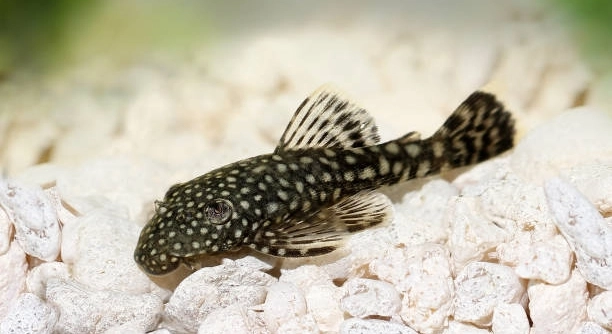
Keeping plecos in home aquariums can be both relaxing and surprising. These fish have unique habits that may seem unusual at first, but many of their actions are perfectly normal and harmless to observe.
Plecos display a variety of behaviors that may appear strange but are natural. From hiding in unusual spots to hovering near tank walls, these actions generally serve feeding, resting, or territorial purposes, and they do not indicate illness or distress.
Observing these habits more closely can help you better understand your pleco’s natural instincts and improve your aquarium care practices overall.
Sucking on Glass
Plecos often spend time sucking or rubbing themselves against the aquarium glass. This behavior is completely normal and is how they clean algae and other tiny particles from their environment. In the wild, plecos cling to rocks, driftwood, and plant surfaces to graze on biofilm. Their specialized mouths are perfectly adapted for scraping surfaces. While it may seem unusual to see them glide along the walls of your tank for long periods, this is simply their way of feeding. Providing smooth surfaces like glass or driftwood allows them to carry out this natural behavior safely. Occasionally, you may notice them leaving marks or streaks on the glass, but these are harmless and are a byproduct of their feeding. Monitoring the tank’s cleanliness ensures that your pleco’s rubbing doesn’t scratch the surfaces or lead to unnecessary algae buildup. Overall, glass-sucking is an instinctive activity that keeps plecos healthy and engaged in their environment.
This behavior is entirely safe and reflects their natural feeding habits in a tank environment.
Recognizing this habit helps in creating a more suitable habitat. Ensuring driftwood, rocks, and smooth surfaces are available allows your pleco to feed naturally while reducing algae buildup. Over time, you may notice them preferring certain spots, indicating comfort and security. By observing these patterns, you can adjust decorations or feeding routines to enhance your pleco’s overall health and behavior. Additionally, maintaining water quality supports this activity, as clean water encourages active grazing. Providing a balanced diet alongside natural surfaces ensures they stay energetic and healthy, making the glass-sucking behavior a simple and harmless part of their routine.
Hiding in Tight Spaces
Plecos often retreat to small caves or crevices. This is a natural instinct that gives them security and a quiet place to rest.
Providing hiding spots is essential for their comfort and stress reduction.
Creating small nooks with rocks, ceramic caves, or driftwood encourages plecos to feel safe. They often hide during the day since many pleco species are nocturnal. Hiding also helps them regulate interactions with other tank mates and prevents unnecessary stress. Observing them emerge mostly at night is normal and should not be a concern. Adjusting tank lighting or layout can support this behavior.
Would you like me to continue with the next two behaviors in the same style?
Hovering in One Spot
Plecos sometimes float or hover in one area of the tank for extended periods. This is a harmless behavior, often related to resting, observing their surroundings, or waiting for food. It does not indicate illness or stress in most cases.
Hovering allows plecos to conserve energy while still staying alert. They may position themselves near a light source, a corner, or above food that has settled on the substrate. This behavior is particularly common in younger plecos, who are more cautious and attentive to their environment. By staying in one place, they can monitor activity around them without expending unnecessary energy. Providing sufficient space and hiding spots encourages comfort while hovering, ensuring they feel secure. This behavior is natural and often coincides with feeding schedules or tank activity, reflecting normal pleco instincts. Observing their hovering can provide insight into their daily patterns and preferences.
Plecos also hover to graze on microscopic particles in the water column. It helps them feed gradually without moving constantly. Over time, this behavior can indicate preferred areas for feeding and resting. Watching them hover can reveal individual personality traits, showing which areas of the tank they feel safest in. Maintaining water quality and stable conditions ensures they continue this harmless activity comfortably. It is simply part of how plecos interact with their environment naturally.
Tail Wagging
Tail wagging in plecos is generally harmless and often a sign of activity or minor communication with their surroundings. It does not indicate aggression unless paired with other behavioral changes.
Plecos wag their tails for several reasons. One common reason is adjusting their position while resting or feeding. They may also move their tail to create small currents that bring food particles closer. Some plecos wag their tails as a gentle response to nearby movement, such as other fish swimming past. The motion is typically slow and rhythmic, showing comfort rather than distress. Over time, tail wagging may also reflect excitement during feeding times or the arrival of a caretaker. Observing the pattern can help you understand your pleco’s routine and energy levels. Tail wagging is natural and does not require intervention.
In addition, tail wagging can help plecos maintain balance against strong currents. In aquariums with filters or pumps, plecos use subtle tail movements to stabilize themselves while navigating the tank. It is also a method of gentle signaling to nearby fish without engaging in aggression. Recognizing this behavior as normal prevents unnecessary worry and allows a clearer understanding of how plecos interact with their environment. Proper tank setup with adequate space and minimal stressors supports this harmless tail movement consistently.
Climbing the Tank Walls
Plecos sometimes climb or attach themselves to the tank walls. This behavior is harmless and usually related to exploration or grazing on algae. It is a natural use of their suction-cup mouths.
They may also climb near water surfaces to access food particles or check their surroundings.
Nighttime Activity
Plecos are often more active at night, swimming, feeding, and exploring while the tank is dimly lit. This nocturnal behavior is normal and should not be a concern. Providing hiding spots during the day supports this natural rhythm and ensures they feel secure while resting.
Breathing at the Surface
Some plecos occasionally swim to the water surface to take in extra oxygen. This is harmless in well-oxygenated tanks and can be part of normal respiratory behavior.
Resting on Decorations
Plecos frequently rest on driftwood, rocks, or other tank decorations. This is a natural behavior that allows them to relax and feel safe in their environment.
Why does my pleco hide so much?
Plecos hiding frequently is a completely normal behavior. Many species are nocturnal and prefer quiet, dark spaces during the day. Hiding helps them feel safe and reduces stress from other tank mates or bright lighting. Providing caves, driftwood, or dense plants gives them options to retreat.
Hiding also supports natural instincts, allowing plecos to conserve energy while observing their surroundings. Younger plecos may hide more often as they adjust to the tank environment. Even adult plecos use hiding spots to regulate interactions with other fish, ensuring peace in the aquarium. Regular observation helps you notice which areas they prefer, helping you arrange the tank for comfort.
Why does my pleco stick to the glass?
Plecos attach themselves to glass to feed on algae and biofilm. Their specialized mouths are made for scraping surfaces. This behavior is harmless and shows they are actively grazing, not stressed. Glass, driftwood, and rocks all serve as feeding surfaces for plecos.
Sometimes glass-sticking may coincide with feeding times. They may hover in a spot where food particles collect or where water flow brings nutrients. This is an instinctive behavior carried over from their natural habitats. Maintaining clean surfaces ensures they don’t damage the tank while still allowing them to graze naturally.
Is it normal for plecos to hover in one spot?
Yes, hovering is typical behavior. Plecos often stay in one place to rest, observe, or wait for food. It is a way to conserve energy while remaining alert. Hovering can indicate comfort and security within the tank.
Plecos may hover near favorite spots such as driftwood, rocks, or corners of the tank. This behavior is harmless and often part of their feeding or resting routine. Providing suitable surfaces and clean water encourages natural hovering patterns. Watching this habit helps you understand where plecos feel safest.
Why does my pleco wag its tail?
Tail wagging is usually harmless and relates to movement, feeding, or minor communication. Plecos move their tails to adjust their position, create water currents, or signal nearby fish. It is not an indication of aggression unless paired with other unusual behaviors.
Tail wagging may also help stabilize plecos in areas with currents or pumps. It can coincide with excitement during feeding times or general activity. Observing tail movement is a good way to assess energy levels and comfort. Maintaining stable water conditions and sufficient space ensures this behavior remains normal.
Why does my pleco climb tank walls?
Climbing the tank walls is a natural and harmless behavior. Plecos use their suction mouths to explore or reach food near the surface. This behavior reflects curiosity, feeding habits, and exercise rather than any health issue.
They may also climb to interact with water movement or observe surroundings. Wall-climbing is more noticeable in active or younger plecos. Providing driftwood, rocks, and smooth surfaces allows them to exhibit this behavior safely. Regular monitoring ensures they are not stressed or attempting to escape.
Why is my pleco more active at night?
Plecos are naturally nocturnal, meaning they are more active during low-light periods. Nighttime activity includes feeding, exploring, and grazing. This is normal behavior and shows their natural rhythm is intact.
Providing hiding spots during the day supports this pattern and ensures they rest comfortably. Observing nocturnal behavior helps plan feeding schedules and maintain harmony with other tank inhabitants. Nighttime activity is a positive sign of a healthy pleco.
Is it normal for plecos to breathe at the surface?
Occasional surface breathing is normal, especially in well-oxygenated tanks. Plecos may rise to the surface to take in extra oxygen or adjust respiration. It is not a sign of illness unless accompanied by rapid gill movement or lethargy.
Ensuring good aeration, water flow, and temperature stability reduces stress and supports healthy respiration. Surface visits can also occur after feeding or during increased activity. Observing their breathing patterns ensures they remain healthy.
Why does my pleco rest on decorations?
Resting on driftwood, rocks, or other tank decorations is a natural habit. Plecos use these surfaces to feel secure and relax while resting. Providing multiple options allows them to choose comfortable spots.
Decorations also help mimic natural environments, encouraging normal behaviors and reducing stress. Observing where plecos prefer to rest gives insight into their comfort levels. Adequate space, clean water, and varied surfaces enhance this harmless resting behavior.
Why does my pleco sometimes hide for days?
Long periods of hiding are common, especially during adjustment phases, bright lighting, or disturbances from tank mates. Plecos instinctively seek safety and may remain hidden until they feel secure.
Offering multiple hiding spots and consistent feeding schedules helps them feel comfortable. Hiding for several days does not indicate illness if they are eating, moving occasionally, and showing normal tail and fin activity. Patience is key, and this behavior usually diminishes as they settle into the tank.
Plecos are fascinating fish with a variety of behaviors that can seem unusual at first glance. Many of these habits, such as hiding in small spaces, attaching to glass, hovering in one spot, or even climbing the tank walls, are completely normal and harmless. These actions are part of their natural instincts and help them feel safe, conserve energy, and feed effectively. Understanding that these behaviors are typical for plecos can help you avoid unnecessary worry and allow you to focus on providing a suitable and comfortable environment for your fish. Observing your pleco over time makes it easier to recognize what is normal and what may require attention, and it also deepens your appreciation for their unique ways of interacting with their surroundings.
Providing a well-structured tank with proper hiding spots, decorations, and smooth surfaces encourages these natural behaviors and supports your pleco’s overall well-being. Plecos often prefer driftwood, rocks, and ceramic caves where they can rest or graze. Clean, well-oxygenated water is essential, as it supports both their physical health and their natural tendencies, such as hovering near surfaces or occasionally surfacing for extra oxygen. Feeding them a balanced diet alongside access to algae-covered surfaces allows plecos to engage in instinctive grazing without compromising their nutrition. By paying attention to where they prefer to rest, which surfaces they graze on, and how they move around the tank, you can create a more harmonious and enriching environment. These simple adjustments make a noticeable difference in their comfort and overall health.
It is important to remember that pleco behaviors that may seem strange are often simply their way of exploring, feeding, and interacting with their environment. Actions such as tail wagging, nighttime activity, or resting on decorations are natural and should not cause concern as long as your pleco is eating well, swimming actively, and maintaining a healthy appearance. Each pleco may have its own unique patterns and preferences, so observing them carefully allows you to better understand their personality and needs. With consistent care, attention to water quality, and proper tank setup, plecos can thrive while exhibiting these harmless and interesting behaviors. Accepting and appreciating their quirks makes keeping plecos an enjoyable experience and helps you create a peaceful, balanced aquarium where your fish can feel secure and healthy.

Hello,
If you enjoy the content that we create, please consider saying a "Thank You!" by leaving a tip.
Every little bit helps us continue crafting quality advice that supports the health, happiness, and well-being of pets around the world, for pets of all shapes, sizes, and species.
We really appreciate the kindness and support that you show us!