
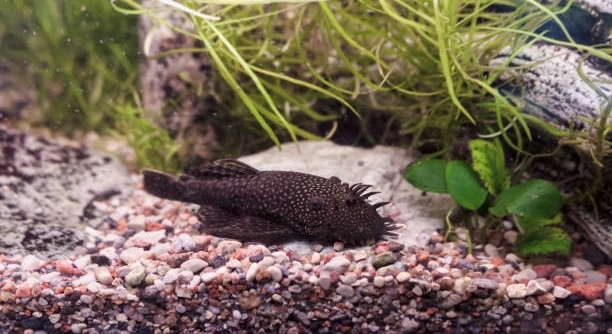
Do you ever notice your pleco hiding more than usual or staying in one corner of the tank for long periods? These subtle behaviors can sometimes indicate that your fish is not entirely comfortable in its environment.
Plecos exhibit specific visual signs when they experience discomfort, including changes in color, abnormal swimming patterns, excessive hiding, or clamped fins. Monitoring these behaviors helps identify stressors and allows for timely interventions to maintain optimal health.
Recognizing these cues early can make a big difference in your pleco’s overall well-being and help create a calmer, healthier tank environment.
Changes in Color
A pleco’s color can tell you a lot about its comfort level. When a healthy pleco is relaxed, its colors are usually consistent and slightly vibrant. If you notice sudden darkening, paling, or blotchy patterns, it may indicate stress or illness. Environmental factors such as poor water quality, sudden temperature changes, or inadequate hiding spaces can cause these shifts. Even minor changes in tank lighting or nearby vibrations can affect how your pleco displays its colors. Observing color changes over time is important because it can be an early warning before other physical or behavioral signs appear. Maintaining stable water parameters, proper filtration, and consistent feeding routines helps reduce stress and keeps your pleco looking its best. It is helpful to compare your pleco’s current appearance with photos or notes from when it first joined the tank to spot subtle changes that may otherwise go unnoticed.
Consistent monitoring of your pleco’s color provides a reliable method to assess comfort and overall tank health quickly.
Noticing color changes is the first step in identifying stress. Regular observation ensures your pleco remains happy and healthy, preventing future problems.
Unusual Hiding Behavior
Excessive hiding is one of the clearest signs your pleco may feel uncomfortable. Plecos naturally seek shelter, but if your fish stays hidden for long periods, it may be avoiding stressors. Changes in tank conditions, aggressive tank mates, or inadequate hiding spots can trigger this behavior. Some plecos retreat to corners, caves, or dense vegetation, appearing almost invisible for hours. While occasional hiding is normal, a pattern of extended seclusion signals that something in the environment needs adjustment. Observing when and how often your pleco hides can help you pinpoint specific stress factors. Adding additional caves or driftwood can provide secure spaces, while ensuring water quality remains stable reduces overall tension. Keep track of these changes to compare over time. A pleco that begins exploring again after adjustments indicates that the measures are effective.
Plecos hiding constantly may indicate environmental stress or social conflict that needs correction.
Monitoring hiding behavior requires careful attention to patterns and triggers. Water quality, tank mates, and structural enrichment all affect whether a pleco feels safe. Adjusting lighting, adding natural shelters, or rearranging the tank can encourage a more confident and active fish. Over time, these interventions help your pleco resume normal swimming and feeding behavior. Careful observation allows for timely action before prolonged stress impacts health. Keeping notes on hiding frequency and locations makes it easier to evaluate the effectiveness of any changes. Even subtle improvements in behavior show that your pleco is becoming more comfortable and secure in its environment. This proactive approach ensures that your fish maintains both physical health and psychological well-being.
Clamped Fins
Clamped fins are a common sign that a pleco is uncomfortable. When a pleco keeps its fins tight against its body instead of spreading them naturally, it usually indicates stress, poor water conditions, or illness.
Plecos rely on their fins for balance and movement, so clamping can make swimming awkward and tiring. Stress factors like sudden temperature shifts, aggressive tank mates, or dirty water can trigger this behavior. Observing fin posture regularly helps identify problems early. Adjusting tank conditions, checking water parameters, and ensuring enough space for swimming can relieve stress.
Persistent fin clamping may also signal disease. Bacterial or parasitic infections can cause discomfort, making fins stiff or damaged. Monitoring behavior alongside water quality tests ensures a healthy environment. Providing hiding spots and gentle water flow reduces stress, allowing fins to relax naturally.
Unusual Swimming Patterns
Erratic swimming is often linked to discomfort or health issues. Plecos may dart around, float oddly, or struggle near the surface when stressed or unwell.
Swimming patterns reflect overall comfort. Inconsistent movement, circling, or prolonged inactivity may indicate poor water quality, illness, or insufficient oxygen levels. Plecos that avoid certain areas or swim upside down are showing clear signs of distress. Maintaining steady water conditions and ensuring proper oxygenation supports normal swimming behavior.
Tracking swimming habits over time helps catch early problems. Water changes, tank cleaning, and monitoring ammonia, nitrite, and nitrate levels are essential steps. Stressful tank mates or overly strong currents may also disrupt natural movement, so arranging a calm, structured environment is important. Observing subtle changes and taking immediate action promotes your pleco’s health and prevents long-term complications, keeping it active and comfortable in its habitat.
Loss of Appetite
A pleco that suddenly eats less or refuses food may be experiencing discomfort or stress. Appetite changes often appear before other visible symptoms, making them an early warning sign for potential issues in the tank.
Loss of appetite can result from water quality problems, illness, or stress from aggressive tank mates. Consistent feeding schedules and observing eating habits help detect these changes quickly.
Rapid Gill Movement
Rapid gill movement indicates your pleco may be struggling to get enough oxygen. It often points to poor water quality, low oxygen levels, or high ammonia and nitrite concentrations. Regular testing and maintenance are essential to prevent long-term stress.
Scraping or Rubbing Against Surfaces
Plecos rubbing against decorations or the tank walls may be responding to skin irritation, parasites, or discomfort. Observing these actions closely can help identify underlying problems early and guide appropriate treatment.
FAQ
How can I tell if my pleco is stressed?
Stress in plecos shows up in several ways. Common signs include clamped fins, hiding excessively, unusual swimming patterns, and changes in color. Appetite loss or rubbing against tank surfaces can also indicate stress. Regular observation of behavior and appearance helps you detect discomfort early. Monitoring water quality and tank conditions is crucial. A stable environment with clean water, proper filtration, and adequate hiding spots can reduce stress significantly. Adjusting tank lighting, avoiding sudden temperature changes, and minimizing aggressive tank mates also contribute to a more relaxed pleco.
What water parameters are ideal for plecos?
Plecos thrive in clean, stable water with moderate temperature and pH. Ideal temperature ranges from 74°F to 80°F, with a pH between 6.5 and 7.5. Ammonia and nitrite levels should always remain at zero, while nitrate should stay below 20 ppm. Regular water changes help maintain these levels. Filtration should support steady water flow without creating strong currents that overwhelm the fish. Keeping a thermometer and test kits on hand ensures you can monitor and adjust conditions as needed. Proper water parameters directly affect comfort, behavior, and overall health.
Why is my pleco hiding so much?
Hiding is natural for plecos, but excessive seclusion often signals discomfort. Factors include aggressive tank mates, inadequate hiding spaces, or poor water quality. Even changes in lighting or sudden disturbances can increase hiding behavior. Providing additional caves, driftwood, and dense plants helps plecos feel secure. Observing when and where your fish hides can reveal patterns linked to stressors. Correcting water parameters, ensuring enough space, and reducing aggressive interactions often encourage a more active pleco. Over time, a pleco that hides less is generally more comfortable and healthy in its environment.
What should I do if my pleco’s fins are clamped?
Clamped fins usually indicate stress or illness. Check water quality immediately and ensure temperature and pH levels are stable. Observe for other signs of disease, such as discoloration, spots, or frayed fins. Reduce tank stressors like strong currents or aggressive tank mates. Providing ample hiding spots and gentle water flow can help your pleco relax. If fin clamping persists, consider consulting a vet or aquatic specialist, as it may indicate bacterial or parasitic infections. Early intervention is crucial to prevent further health complications.
How can I encourage my pleco to eat again?
Loss of appetite can be caused by stress, illness, or water quality issues. Ensure the tank environment is stable and clean. Offer a variety of foods, including algae wafers, fresh vegetables like zucchini or cucumber, and occasional protein sources. Feeding in quiet, low-light conditions can reduce stress and encourage eating. Monitor behavior and food intake closely. If your pleco refuses food for multiple days, test water quality and inspect for illness. Gradual improvements in the environment often restore appetite over time.
Why is my pleco rubbing against surfaces?
Rubbing or scraping against decorations, walls, or substrate usually signals irritation or discomfort. Causes include parasites, poor water conditions, or minor skin injuries. Observe your pleco closely for visible spots, redness, or damaged scales. Improving water quality and providing clean, smooth surfaces can reduce this behavior. If scraping continues, treatment for parasites or infection may be necessary. Early attention prevents more serious health issues.
When should I consult a professional about my pleco?
Consulting a professional is recommended if unusual behaviors persist despite proper care. Signs include prolonged hiding, clamped fins, rapid gill movement, or continued scraping. Persistent appetite loss or visible sores are also indicators. A vet or aquatic specialist can diagnose underlying problems and recommend treatments. Acting quickly helps prevent long-term health issues and ensures your pleco’s comfort and well-being. Regular monitoring and proactive adjustments often reduce the need for professional intervention, but knowing when to seek advice is essential.
Can tank mates affect my pleco’s comfort?
Yes, tank mates can have a big impact. Aggressive or overly active fish may stress plecos, causing hiding, clamped fins, or appetite loss. Peaceful, compatible species create a calmer environment. Observing interactions and providing separate hiding areas reduces tension. Rearranging the tank or separating aggressive fish can restore comfort. Choosing species that occupy different zones in the tank helps minimize conflict. Adequate space and environmental enrichment are key factors in ensuring plecos feel secure alongside other fish.
How often should I monitor my pleco for signs of discomfort?
Daily observation is best. Quick checks of swimming behavior, hiding, color, and fin posture can catch early signs of stress or illness. Weekly water testing ensures stable conditions. Recording changes helps track patterns and identify problems before they become severe. Even small adjustments, like adding a hiding spot or adjusting water parameters, can significantly improve comfort. Consistent monitoring fosters a healthier, happier pleco and prevents serious health complications from going unnoticed.
What minor changes can make my pleco more comfortable?
Small adjustments can greatly improve comfort. Adding caves, driftwood, or plants creates hiding spaces and reduces stress. Maintaining stable water parameters, gentle water flow, and regular feeding schedules keeps the environment predictable. Minimizing loud noises, sudden movements, or aggressive tank mates also helps. Observing behavior and responding quickly ensures your pleco feels safe and secure. Even subtle changes often lead to noticeable improvements in activity, appetite, and overall well-being.
Final Thoughts
Caring for a pleco requires careful observation and attention to detail. These fish may seem quiet and low-maintenance, but they are sensitive to their environment. Changes in behavior, color, or appetite can be early signals that something in the tank is not right. By paying attention to visual signs, you can act quickly to ensure your pleco stays comfortable and healthy. Simple routines like monitoring water quality, maintaining proper temperature, and checking pH levels play a big role in preventing stress. Providing enough space, hiding spots, and gentle water flow also helps create a secure environment. The more consistently you observe your pleco, the easier it becomes to notice subtle changes in behavior that might otherwise go unnoticed.
Understanding the needs of a pleco also means recognizing their natural instincts and habits. Plecos are nocturnal and often prefer to stay hidden during the day, so some hiding is normal. However, extended periods of seclusion, clamped fins, or unusual swimming patterns suggest stress or discomfort. Water conditions, tank mates, and diet are common factors that influence a pleco’s well-being. Small adjustments, like rearranging decorations, adding caves, or improving filtration, can make a big difference. Feeding a varied diet with fresh vegetables and algae-based foods also helps maintain energy and health. By observing these signs and responding appropriately, you not only improve your pleco’s comfort but also prevent health issues from developing. Keeping a journal or notes on your pleco’s behavior can be helpful for tracking changes over time and understanding what works best for your fish.
Plecos may not show obvious signs of distress immediately, but consistent care and attention ensure they thrive in your aquarium. Even minor discomfort can affect their behavior, appetite, and overall health. Acting quickly when you notice visual cues like color changes, fin clamping, hiding, or scraping against surfaces prevents more serious problems from arising. Creating a calm and stable environment with proper water quality, compatible tank mates, and enrichment opportunities allows your pleco to display natural behaviors confidently. Patience and observation are key; these fish respond positively to a well-maintained environment and attentive care. Over time, you will notice a more active, healthy, and comfortable pleco, which reflects the care and effort you put into their habitat. Keeping your pleco comfortable is not just about preventing illness—it is about fostering a stable, supportive environment where your fish can feel secure and thrive every day.

Hello,
If you enjoy the content that we create, please consider saying a "Thank You!" by leaving a tip.
Every little bit helps us continue crafting quality advice that supports the health, happiness, and well-being of pets around the world, for pets of all shapes, sizes, and species.
We really appreciate the kindness and support that you show us!