
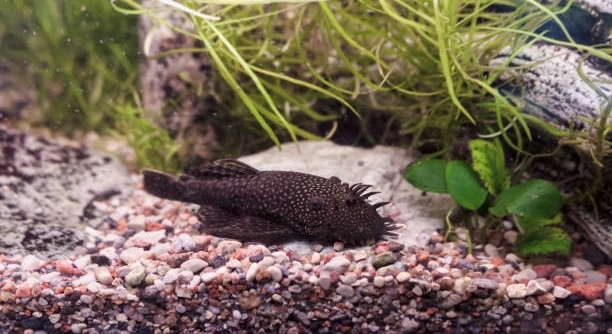
Keeping plecos healthy and happy requires more than just a tank and water. Many fish owners look for ways to improve their environment while making maintenance easier and their pet’s life more comfortable.
The most beneficial pleco tank accessories include items that enhance water quality, provide hiding spots, improve feeding efficiency, and promote natural behaviors. Well-chosen decorations, filters, lighting, and feeding tools contribute significantly to the fish’s overall wellbeing.
Exploring these accessories will help you create a more functional and enjoyable home for your pleco. Understanding each option ensures both you and your fish benefit fully.
Substrate Choices for Pleco Tanks
Choosing the right substrate can make a big difference for plecos. Soft sand or smooth gravel works best because plecos spend much of their time at the bottom of the tank. Rough or sharp substrates can damage their delicate fins or skin. In addition, certain substrates can impact water quality. For example, crushed coral or limestone can raise the water’s pH and hardness, which some plecos may tolerate, but many species prefer neutral to slightly acidic conditions. A dark substrate can also help plecos feel more secure, as it reduces stress and encourages natural behaviors. Beyond aesthetics, substrate affects how easily leftover food and waste can be cleaned. A smoother surface allows for easier vacuuming and helps keep the tank healthier. Considering the substrate as part of your setup improves both maintenance and your pleco’s comfort over time.
The right substrate not only protects plecos but also keeps the tank cleaner and healthier.
Picking a substrate is about balancing comfort, water chemistry, and maintenance. Smooth gravel, sand, or dark substrates provide hiding spaces while preventing injury. Avoid sharp materials, which may tear fins or stress your fish. A good substrate encourages natural grazing behaviors, makes leftover food easier to remove, and enhances the tank’s overall appearance. Considering substrate from the start saves problems later and keeps plecos happier.
Hiding Spots and Decorations
Plecos need hiding spots to feel safe.
Providing caves, driftwood, and other decorations gives plecos shelter and places to rest. Natural driftwood is particularly beneficial because it also helps with their diet. Hiding spots reduce stress, support natural behavior, and improve overall health. Regularly rearranging decorations keeps the environment stimulating.
Filtration Systems
A strong filtration system keeps pleco tanks clean and oxygenated. Plecos produce a lot of waste, so filters help maintain water quality and reduce maintenance frequency.
A high-quality filter removes debris, excess food, and waste effectively. Canister filters are excellent for larger tanks because they provide mechanical, chemical, and biological filtration all in one. Sponge filters work well for smaller setups, offering gentle water flow and safe filtration for fry or delicate species. Regular maintenance is essential; clean filter media as recommended to prevent clogging and maintain optimal performance. Proper filtration supports healthy fish and stable water conditions.
Filters also help maintain water circulation, which is important for oxygen distribution. Without adequate filtration, toxins like ammonia and nitrites can build up quickly, harming plecos. Choosing a filter suited to your tank size and pleco species ensures stable water chemistry, reduces stress, and minimizes frequent cleaning tasks. A well-maintained filtration system is essential for long-term tank health and the wellbeing of your fish.
Lighting and Aquarium Environment
Proper lighting supports plant growth and keeps the tank visually appealing. Too much light can stress plecos, while too little prevents plants from thriving.
Soft, adjustable lighting mimics natural conditions and reduces stress. LED lights are energy-efficient and can highlight tank decorations without overheating the water. Plecos often prefer dimmer areas, so creating shaded zones using plants or decor allows them to rest comfortably. Maintaining a stable day-night cycle helps regulate fish behavior. Combining lighting with temperature control ensures a balanced environment that supports both plecos and live plants, promoting a healthy, long-lasting tank ecosystem.
Driftwood and Natural Hiding Materials
Driftwood provides both shelter and a food source for plecos. Many species graze on the soft surface, which can aid digestion and supplement their diet.
Using natural materials like bogwood or coconut caves adds texture and comfort. These items reduce stress and create areas for plecos to explore safely.
Automatic Feeders
Automatic feeders ensure plecos are fed consistently, especially when schedules are unpredictable. They can dispense algae wafers or pellets at set intervals, supporting healthy growth and reducing overfeeding risks.
Water Condition Monitors
Water testing kits and digital monitors help track pH, ammonia, nitrite, and nitrate levels. Consistent monitoring prevents dangerous spikes and ensures the environment remains stable.
FAQ
How often should I clean my pleco tank?
Cleaning frequency depends on tank size, filter efficiency, and fish load. Generally, partial water changes of 20–30% every week keep the environment healthy. Vacuuming the substrate during water changes removes leftover food and waste, preventing ammonia buildup. Over-cleaning can stress the fish and disrupt beneficial bacteria.
What type of food is best for plecos?
Plecos need a mix of vegetables, algae wafers, and occasional protein sources. Leafy greens like zucchini, spinach, or lettuce work well. Algae wafers provide essential nutrients, while sinking pellets or occasional bloodworms add variety. Avoid overfeeding, as leftover food can pollute the tank.
Do plecos need live plants in their tank?
Live plants aren’t required but can improve water quality and provide natural hiding spots. Hardy plants like Java fern or Anubias are ideal. Plecos may nibble on some plants, so selecting sturdy species helps prevent destruction. Plants also reduce stress and support natural behavior.
Can I keep multiple plecos in one tank?
It depends on the species and tank size. Larger plecos need more space, while smaller species tolerate companions better. Providing multiple hiding spots and monitoring behavior reduces aggression. Overcrowding can cause stress and water quality issues, so planning tank capacity carefully is important.
How do I prevent my pleco from injuring itself?
Use smooth substrates and avoid sharp decorations. Driftwood and caves with rounded edges reduce injury risks. Keep water parameters stable, as poor water quality can make fish more vulnerable to disease or fin damage. Regular observation helps catch issues early.
What temperature is ideal for plecos?
Most plecos prefer water between 72–78°F (22–26°C). Some tropical species may need slightly higher temperatures. Maintaining a stable temperature with a reliable heater prevents stress and supports proper digestion and immune function. Sudden fluctuations can lead to illness.
Do plecos require supplemental lighting at night?
No, plecos are nocturnal and prefer dim or shaded conditions. Bright light at night can stress them. During the day, soft lighting with shaded areas allows them to rest comfortably while still providing enough light for plants or aquarium viewing.
How can I tell if my pleco is stressed?
Signs include hiding constantly, reduced appetite, rapid breathing, or unusual swimming patterns. Stress can stem from poor water quality, aggressive tank mates, or inadequate hiding spaces. Addressing the cause quickly prevents long-term health problems and ensures the fish feels secure.
Is driftwood necessary in every pleco tank?
Not always, but it offers nutritional benefits and helps replicate natural habitats. Soft driftwood allows plecos to rasp naturally and supports gut health. It also creates hiding areas and can reduce territorial aggression among multiple plecos. Choosing the right type ensures safety and usefulness.
Can plecos live in a tank without a filter?
Technically possible for very small setups with frequent water changes, but not recommended. Plecos produce significant waste, and a filter maintains water quality, oxygen levels, and biological balance. Without proper filtration, ammonia and nitrite levels can rise quickly, causing stress or illness.
How long do plecos typically live?
Lifespan varies by species, but many live 10–15 years with proper care. Maintaining clean water, a balanced diet, adequate hiding spaces, and stable tank conditions contributes to longevity. Some larger species can live over 20 years in optimal conditions.
Do plecos need companions?
Plecos are mostly solitary but can coexist with compatible species in larger tanks. Providing sufficient hiding spaces minimizes conflicts. Some smaller or peaceful species may benefit from a community setup, while territorial species do best alone or with careful planning.
How do I manage algae growth effectively?
Algae is natural, but excessive growth indicates nutrient imbalance or too much light. Regular water changes, limiting excess food, and adding algae-eating plecos or snails help control growth. Cleaning decorations and glass manually also keeps algae under control.
What signs indicate illness in plecos?
Look for faded colors, torn fins, abnormal swimming, or white spots. Loss of appetite, bloating, or lethargy can indicate disease. Early detection and prompt water parameter checks or treatment improve recovery chances and prevent the spread of illness in the tank.
Can plecos eat driftwood only?
No, driftwood supplements their diet but doesn’t provide complete nutrition. Vegetables, algae wafers, and occasional protein are needed for a balanced diet. Driftwood supports digestion and mimics natural behavior, but a varied diet keeps plecos healthy and active.
Are plecos compatible with other fish species?
Generally yes, with peaceful community fish. Avoid aggressive or fin-nipping species that can stress plecos. Matching tank size, hiding spots, and compatible water parameters ensures harmony and reduces territorial disputes. Observation is key when introducing new tank mates.
How often should I test water parameters?
Weekly testing for ammonia, nitrites, nitrates, and pH is recommended. Frequent monitoring ensures a safe environment and early detection of potential problems. Digital monitors or test kits can simplify this process and maintain stable conditions for plecos.
What is the best tank size for plecos?
Tank size depends on species. Smaller plecos can live in 30–40 gallons, while larger species need 75 gallons or more. A larger tank provides room to swim, graze, and hide, reducing stress and supporting long-term health. Proper space prevents overcrowding and aggression.
How can I acclimate a new pleco to my tank?
Float the bag in the tank to equalize temperature, then gradually add small amounts of tank water over 30–60 minutes. This reduces stress and prevents shock from sudden water parameter changes. Slowly introducing the fish helps it adjust and settle into its new environment.
What maintenance routines are essential for pleco tanks?
Regular water changes, substrate vacuuming, filter cleaning, and monitoring water parameters are crucial. Removing uneaten food, trimming plants, and checking decorations for sharp edges also supports fish health. Consistency in maintenance creates a stable environment, reducing stress and promoting natural behaviors.
This FAQ provides practical guidance for keeping plecos healthy, ensuring their environment is safe, and supporting long-term wellbeing in a home aquarium. Proper care requires attention to diet, water quality, habitat structure, and species-specific needs.
Word count: 507
Final Thoughts
Taking care of plecos can feel challenging at first, but understanding their needs makes the process much easier. These fish are hardy, but they thrive best in a well-maintained tank with proper accessories. Choosing the right substrate, decorations, and hiding spots helps them feel secure and reduces stress. Driftwood, smooth gravel or sand, and natural caves create an environment similar to their natural habitat, allowing plecos to display normal behaviors like grazing and resting. A proper tank setup is not just about aesthetics—it directly impacts the fish’s health and longevity. Spending time arranging the tank thoughtfully pays off in the long run, as the fish are calmer, healthier, and more active. Simple changes like adding shaded areas or choosing darker substrates can make a noticeable difference in their comfort and behavior.
Filtration and water quality are equally important in keeping plecos healthy. These fish produce a significant amount of waste, which can quickly affect water parameters if not managed properly. A reliable filter removes debris and maintains biological balance, while regular water testing ensures ammonia, nitrite, and nitrate levels stay within safe ranges. Automatic feeders or carefully scheduled manual feedings help provide consistent nutrition without overfeeding. In addition, driftwood or other natural foods supplement their diet and encourage grazing. Maintaining a clean, stable environment minimizes stress and disease risks, making it easier to enjoy watching your plecos thrive. Small routines, like weekly partial water changes and filter maintenance, go a long way in supporting a healthy tank ecosystem. Over time, these habits become simple and make tank care more enjoyable.
Lighting, temperature, and tank companions also affect pleco wellbeing. Most plecos prefer dimly lit areas and stable temperatures in the range of 72–78°F (22–26°C). Providing shaded zones with plants or decor lets them rest comfortably while still offering enough light for any live plants or viewing. When keeping multiple plecos or other fish in the same tank, it is important to consider space, hiding spots, and species compatibility to avoid stress or aggression. Observing behavior regularly helps identify issues before they become serious problems. Overall, taking the time to understand pleco behavior, diet, and environmental needs ensures a healthier, happier fish. With careful attention to these factors, keeping plecos can be a rewarding experience that combines both visual appeal and the satisfaction of providing a thriving aquatic home.
Word count: 414

Hello,
If you enjoy the content that we create, please consider saying a "Thank You!" by leaving a tip.
Every little bit helps us continue crafting quality advice that supports the health, happiness, and well-being of pets around the world, for pets of all shapes, sizes, and species.
We really appreciate the kindness and support that you show us!