
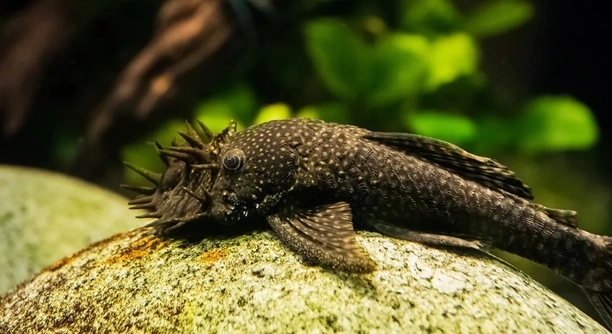
Are your plecos showing little interest in breeding after a previous successful season? Many fish keepers face this challenge, seeking ways to encourage their aquatic pets to reproduce again under ideal conditions and care routines.
Encouraging plecos to breed again requires attention to water quality, temperature regulation, diet enrichment, and provision of suitable spawning sites. Consistent environmental conditions and stress reduction play a crucial role in promoting natural reproductive behaviors in these fish.
Understanding these essential steps can help ensure your plecos remain healthy and ready to reproduce. Each adjustment can make a noticeable difference in their breeding success.
Maintain Optimal Water Conditions
Plecos are highly sensitive to water quality. I noticed that small fluctuations in pH or ammonia levels often discouraged breeding attempts. Keeping the water clean with regular partial water changes helps maintain stability. Filtration should be efficient enough to remove debris but gentle enough to avoid stressing the fish. Water temperature should be consistent, ideally matching their natural habitat. Monitoring these factors closely can make a significant difference in breeding readiness. I personally check parameters weekly, ensuring nitrate and nitrite levels remain low, and hardness and pH stay within the preferred range. Gentle aeration helps oxygenate the water without causing turbulence that plecos dislike. Observing their behavior also provides clues; lethargy or hiding often indicates environmental stress. Adjusting conditions gradually is better than sudden changes, which can shock the fish. Consistent, stable water conditions support overall health and reproductive behaviors in plecos.
Maintaining clean, stable water encourages plecos to feel safe and comfortable enough to consider breeding.
Proper care of water quality creates an environment that naturally stimulates breeding. Healthy plecos are more likely to show mating behaviors and select suitable sites. Ensuring temperature, pH, and cleanliness are within ideal ranges reduces stress and fosters readiness. Regular observation allows adjustments before problems arise. Over time, the tank becomes a reliable habitat, supporting both adult fish and potential offspring. Attention to water conditions, combined with minimal disturbances and stable lighting, helps recreate the plecos’ natural environment. This careful maintenance increases the chance of repeated successful breeding, as fish are more willing to explore caves and spawning areas when they feel secure.
Provide Suitable Spawning Sites
Plecos need proper hiding spots to feel secure while preparing to breed. Caves, PVC pipes, or clay pots work well. I noticed my plecos preferred darker, enclosed spaces over open areas, which encouraged egg-laying.
Adding multiple shelters increases breeding chances by reducing competition and stress.
Different pleco species have unique preferences for spawning sites. Some favor narrow caves, while others choose broader, flat surfaces. Observing which type your fish prefer allows you to customize the tank accordingly. Positioning these shelters in quieter areas of the tank minimizes disturbances, allowing plecos to explore and claim their preferred spots. Cleaning and maintaining these sites without disturbing eggs is also important; gentle rinsing or temporary removal ensures hygiene without affecting breeding behavior. Pairing suitable shelters with stable water conditions creates an inviting environment that mimics natural habitats. By understanding your plecos’ specific needs, you provide both security and comfort, which encourages repeated spawning. Over time, consistent care and observation improve breeding outcomes, making the tank a supportive setting for multiple generations of fish.
Adjust the Diet
A varied diet with high-protein foods helps stimulate breeding. I noticed my plecos responded well to live or frozen foods alongside their usual vegetable-based meals.
Feeding protein-rich foods like bloodworms, brine shrimp, or specially formulated pellets increases energy levels and encourages reproductive behavior. I rotate vegetables such as zucchini and cucumber with these protein sources to provide balanced nutrition. Consistent feeding times also help, as plecos become accustomed to predictable routines. Overfeeding can lead to poor water quality, so I carefully measure portions and remove uneaten food promptly. The right diet improves overall health, coloration, and stamina, all of which are important for successful breeding.
Supplementing their usual plant-based diet with occasional live or frozen protein sources supports growth and readiness for spawning. Observing their response to different foods helps identify what triggers breeding behaviors most effectively. Providing fresh vegetables maintains digestive health and balances nutritional intake, creating optimal conditions for repeated reproduction. Adjusting the diet over time ensures plecos remain healthy, energetic, and more likely to engage in mating activities consistently.
Simulate Seasonal Changes
Mimicking natural seasonal variations in temperature and light can trigger spawning. I adjust my tank gradually to reflect slight shifts in these conditions.
By lowering the water temperature slightly and shortening light periods, plecos sense seasonal change and prepare to breed. Gradually returning temperature and light to normal encourages activity and mating behaviors. Observing their response allows fine-tuning of conditions for the next breeding cycle. Seasonal simulation supports hormonal changes necessary for egg development and increases the likelihood of successful spawning. I combine these adjustments with stable water quality and proper diet to create an environment that feels natural to the fish.
Seasonal changes act as environmental cues that influence reproductive cycles. Gradually reducing temperature by a few degrees and adjusting light duration signals plecos to begin mating preparations. Once they display readiness, returning to warmer temperatures stimulates spawning behaviors. This method mirrors the natural patterns plecos experience in the wild, enhancing their comfort and willingness to reproduce. Consistent monitoring ensures changes remain gradual, avoiding stress. Over multiple cycles, simulating seasonal variations can help maintain regular breeding activity, improving the chances of repeated spawning and overall population health.
Reduce Stress in the Tank
Minimizing sudden movements and loud noises helps plecos feel secure. I keep the tank in a quieter area of my home to reduce disturbances.
Hiding spots and consistent routines also lower stress. Stress-free plecos are more likely to explore, mate, and deposit eggs, improving breeding success.
Separate Aggressive Tankmates
Some fish intimidate plecos, preventing them from breeding. I observed that removing aggressive species allowed my plecos to feel more confident.
Providing a calm, compatible community reduces competition for food and territory. This encourages plecos to focus on spawning rather than defending themselves, improving reproductive outcomes.
Monitor Breeding Behavior
Watching for signs like increased hiding or territorial displays helps track readiness. I note when plecos explore caves or clean surfaces.
These behaviors indicate preparation for spawning. Observing closely allows timely adjustments to water, diet, or shelter, supporting successful reproduction.
Maintain Consistent Lighting
Stable light cycles reinforce daily rhythms. I keep lighting on a regular schedule to simulate natural day and night patterns for my plecos.
FAQ
How often do plecos breed?
Breeding frequency varies by species and tank conditions. I’ve noticed that with stable water parameters, proper diet, and stress-free surroundings, some plecos can spawn multiple times per year. Others may take longer, especially if environmental cues like temperature or seasonal changes are inconsistent. Consistent care is key to encouraging repeated breeding cycles.
What is the best water temperature for breeding?
Most plecos breed best in water between 78°F and 82°F. I use a reliable heater and thermometer to maintain stability. Sudden fluctuations can stress the fish, slowing or stopping spawning attempts. Gradual changes mimicking seasonal variation are more effective than abrupt shifts, allowing plecos to adjust naturally.
Do plecos need special food to breed?
Yes. A protein-rich diet helps stimulate reproductive behavior. I provide bloodworms, brine shrimp, and high-quality pellets alongside fresh vegetables. Balanced nutrition improves stamina, coloration, and overall health, all important for successful spawning. Overfeeding must be avoided to keep water quality stable and prevent stress.
How can I tell if plecos are ready to spawn?
Signs include increased hiding, exploring caves, and territorial behavior. I watch for these patterns closely. Males often guard shelters while females clean surfaces for egg-laying. Observing these subtle behaviors allows timely adjustments to diet, water, and tank setup, improving breeding outcomes.
Should plecos be kept in pairs or groups for breeding?
It depends on the species. Some plecos do better in pairs, while others thrive in small groups. I usually start with a pair and introduce others gradually if the tank is large enough. Ensuring enough hiding spaces reduces competition and stress, helping breeding progress smoothly.
How long do pleco eggs take to hatch?
Hatching typically occurs within 5 to 10 days, depending on water temperature and species. I maintain stable conditions and avoid disturbing the eggs during this period. Removing aggressive tankmates helps ensure the eggs are not eaten, increasing survival rates. Monitoring water quality is also critical.
Can plecos breed without caves?
Some species need enclosed spaces to feel secure for spawning. I’ve seen plecos refuse to lay eggs without caves, PVC pipes, or clay pots. Providing suitable shelters encourages natural behaviors, increasing the likelihood of successful breeding. Open tanks often result in delayed or skipped spawning.
How do I care for pleco fry?
Fry require clean, oxygen-rich water and gentle feeding. I start with finely crushed algae wafers or powdered foods. Maintaining stable conditions and avoiding strong currents is important. Fry grow slowly at first, so patience and careful observation ensure they develop healthily and are ready for eventual tankmates.
Do plecos breed year-round?
Most do not. Breeding is influenced by environmental cues like temperature, light, and water conditions. I simulate seasonal changes gradually to encourage spawning. Repeated success depends on maintaining a natural rhythm and providing consistent care to mimic their wild habitat as closely as possible.
Is it safe to remove plecos after breeding?
Yes, if aggression occurs. I occasionally separate males from other tankmates to prevent stress or egg predation. This ensures both adults and eggs remain healthy. Timing is important: removing fish too early can disturb the process, while waiting too long risks competition or damage to eggs.
Can breeding plecos harm the tank environment?
Excess food or increased waste can affect water quality. I maintain frequent water changes and proper filtration. Watching for signs of ammonia or nitrate buildup is essential. Proper care prevents environmental issues, keeping both adult plecos and fry healthy throughout the breeding period.
How long does it take for plecos to breed again after spawning?
Recovery time varies by species, diet, and overall health. I noticed some plecos need a few weeks, while others may take months. Ensuring proper nutrition, stress-free conditions, and stable water parameters helps reduce the interval between breeding cycles and supports repeated spawning.
Can all pleco species breed in home aquariums?
Not all species adapt easily. Some are more sensitive to tank conditions. I recommend starting with species known for easier breeding, such as bristlenose plecos. Researching species-specific needs is essential before attempting breeding, as some plecos require very particular environments to reproduce successfully.
Do I need to provide additional lighting for breeding?
Stable light cycles help regulate pleco behavior. I keep lighting consistent to simulate natural day and night patterns. Sudden changes can stress fish and disrupt spawning. Gradual adjustments may also be used to mimic seasonal shifts, encouraging reproductive behaviors without causing harm.
Is it necessary to separate eggs from adults?
It depends on the species. Some adults guard eggs, while others may eat them. I observe behaviors carefully to determine whether removal is necessary. If predation is likely, transferring eggs to a safe nursery tank ensures higher survival rates without affecting the adults’ health or stress levels.
How do I increase the chances of repeated breeding?
Focus on stable water, varied diet, proper shelters, stress reduction, and seasonal simulation. I maintain consistent routines, monitor behavior, and adjust environmental factors gradually. Over time, these measures help plecos remain healthy, confident, and ready to breed multiple times in a home aquarium.
What is the most common reason plecos fail to breed again?
Environmental instability, stress, or inadequate nutrition often hinders breeding. I observed that even small fluctuations in water quality or improper diet can delay spawning. Careful monitoring and consistent adjustments support repeated reproduction and reduce the likelihood of failed breeding attempts.
Are there any signs of successful egg fertilization?
Fertilized eggs are typically opaque or slightly yellow and remain attached to surfaces. I watch closely for changes in egg color or development. Fertilized eggs generally hatch within several days, while unfertilized ones may become cloudy or moldy, signaling the need for removal to protect water quality.
Can temperature alone trigger breeding?
Temperature is important but not sufficient on its own. I combine stable water temperature with proper diet, hiding spots, and seasonal cues. Plecos require a combination of factors to feel secure and reproduce. Focusing on all environmental and nutritional needs increases the likelihood of successful spawning.
How do I prevent aggressive behavior during breeding?
Provide multiple shelters, avoid overcrowding, and maintain a calm tank environment. I noticed that giving each pleco its own space reduces fights. Removing overly aggressive tankmates temporarily also helps. Stress-free conditions encourage cooperative behavior and increase the chance of successful egg-laying and fry survival.
What should I do if eggs fail to hatch?
Check water quality, temperature, and fertilization status. I remove unhealthy eggs promptly and adjust environmental conditions. Ensuring proper care for adults and consistent observation improves the likelihood of success in future breeding attempts, while preventing water contamination from decaying eggs.
Can breeding affect adult pleco health?
Yes. I provide extra nutrition and monitor stress after spawning. Recovery periods with proper care help restore energy and maintain overall health. Healthy adults are more likely to breed again, so careful observation and management are essential to support repeated reproductive cycles in home aquariums.
How do I know the right time to introduce breeding cues?
Observe behavior, health, and tank conditions. I adjust temperature, light, and diet when plecos show readiness, such as exploring caves or guarding shelters. Timing cues with these behaviors ensures environmental changes support natural spawning patterns rather than causing stress or disruption.
Are there signs that plecos are not interested in breeding?
Lethargy, hiding excessively, or ignoring shelters can indicate disinterest. I review diet, water quality, and tankmates to identify potential issues. Adjusting these factors gradually helps stimulate interest without forcing breeding, supporting healthy, natural behaviors that increase the chance of successful reproduction.
Can multiple pairs breed in the same tank?
Yes, if space, shelters, and resources are adequate. I provide multiple caves and monitor interactions to prevent conflict. Proper spacing and careful observation allow more than one pair to spawn without stress, enhancing overall reproductive success and increasing the number of fry produced in the tank.
What is the role of water hardness in breeding?
Water hardness affects egg development and adult comfort. I maintain moderate hardness levels suitable for the species. Extremes in hardness can prevent spawning or harm eggs. Keeping this factor within optimal ranges supports reproductive health and ensures a safer environment for both adults and fry.
How long should I wait before attempting another breeding cycle?
Recovery depends on species, diet, and tank conditions. I allow a few weeks to months between cycles, ensuring adults regain strength. Proper nutrition, stress reduction, and stable water quality during this period are essential for successful repeated breeding. Monitoring behavior helps determine readiness for the next attempt.
Can lighting changes alone trigger spawning?
Lighting alone rarely triggers breeding. I combine gradual changes with diet, temperature, and shelters. Consistent day-night cycles help maintain natural rhythms, while other environmental cues are necessary to fully stimulate reproductive behavior in plecos. Gradual adjustments reduce stress and increase effectiveness.
Do plecos require special substrate for breeding?
Not always, but some species prefer sandy or smooth surfaces for egg-laying. I provide options like fine sand or flat rocks. Matching the substrate to the species’ natural preference supports comfort and encourages spawning, improving the chances of successful reproduction in a home aquarium.
How do I handle plecos during breeding season?
Minimize handling to reduce stress. I observe quietly and avoid moving fish or decorations unnecessarily. Gentle observation ensures natural behaviors continue uninterrupted, supporting successful spawning and protecting both adults and eggs from potential harm.
Is water movement important during breeding?
Gentle water movement helps oxygenate eggs without disturbing them. I avoid strong currents, which can stress adults and fry. Proper filtration and aeration create a balanced environment, ensuring eggs develop safely and adults remain comfortable throughout the spawning period.
Can stress from other tankmates prevent breeding?
Yes. Aggressive or overly active species can intimidate plecos. I separate or provide more hiding spaces to reduce stress. Calm, compatible tankmates allow plecos to focus on mating behaviors, increasing the likelihood of successful egg-laying and fry survival.
What is the best way to track pleco breeding progress?
Observation and note-taking work best. I record behaviors, egg-laying dates, and hatching times. Tracking patterns helps identify effective strategies, understand species-specific preferences, and adjust care routines for repeated, successful breeding in home aquariums.
Do plecos require increased oxygen during breeding?
Yes. I ensure proper aeration and circulation without creating strong currents. Oxygen-rich water supports both adult health and egg development, reducing stress and increasing the chances of successful hatching.
How often should I check water parameters during breeding?
Daily checks for ammonia, nitrite, nitrate, pH, and temperature are important. I also monitor hardness and general water clarity. Frequent observation allows quick adjustments to maintain optimal conditions for spawning, protecting both adults and fry from potential hazards.
Can breeding occur in small tanks?
It is possible but more challenging. I provide sufficient hiding spots, stable water, and minimal disturbances. Small tanks require careful monitoring of water quality and space to reduce stress and aggression, supporting successful breeding even in limited environments.
Are plecos affected by seasonal daylight changes?
Yes. Gradual changes in light duration signal natural breeding periods. I simulate shorter or longer daylight hours to mimic seasonal cues, encouraging reproductive behavior while maintaining overall comfort and stability in the tank environment.
How do I prevent egg fungus?
Maintain clean water, stable temperature, and gentle aeration. I remove unfertilized or moldy eggs promptly. Proper hygiene and observation prevent fungal growth, ensuring higher survival rates for fertilized eggs and maintaining safe water conditions for adults.
Do plecos need quiet during spawning?
Yes. I keep noise and activity near the tank minimal. Calm surroundings reduce stress, allowing plecos to focus on breeding. Loud disturbances can cause hiding, aggression, or skipped spawning attempts, so a peaceful environment is essential.
How do I know if fry are healthy?
Healthy fry are active, feed well, and grow steadily. I watch for consistent development and bright coloration. Weak or stunted fry may indicate water quality issues, diet deficiencies, or genetic problems, prompting adjustments to ensure long-term survival and growth.
Can plecos breed without adult supervision?
Adults naturally guard eggs in many species, but in some cases, careful monitoring is helpful. I ensure eggs are safe and water conditions are ideal, intervening only when necessary to protect eggs without disturbing natural parental behavior.
Is tank size important for repeated breeding?
Yes. Larger tanks reduce stress, aggression, and competition. I provide ample space for hiding and territory. Sufficient tank size supports multiple breeding cycles, encourages natural behaviors, and increases overall reproductive success.
Do plecos require dark conditions for egg-laying?
Many species prefer dim or dark areas. I place caves or PVC pipes in quieter, low-light spots. Darkness provides security, encouraging egg-laying and reducing stress, which is essential for repeated breeding in a home aquarium.
How long should I leave plecos undisturbed after egg-laying?
I allow several days to a week without interference. Minimal disturbance supports natural parental care and prevents stress, increasing the likelihood of egg survival and successful hatching.
Can multiple breeding pairs coexist in one tank?
Yes, with sufficient space, shelters, and resources. I monitor interactions and adjust hiding spots to prevent conflict. Proper setup supports simultaneous breeding while minimizing stress and aggression among adults.
What are common signs of egg predation?
Disappearing eggs, aggressive behavior, or adults repeatedly entering other plecos’ caves are indicators. I remove potential predators or separate adults if necessary to protect eggs and maintain reproductive success.
Are water changes necessary during breeding?
Yes, but carefully. I perform small, frequent changes to maintain quality without disturbing eggs or adults. Stable, clean water is crucial for health, comfort, and successful hatching of pleco eggs.
Can temperature drops trigger spawning?
Gradual drops followed by a return to normal temperature can simulate seasonal cues. I use controlled adjustments rather than sudden changes to avoid stress while encouraging reproductive behavior.
How do I encourage plecos to spawn more than once a year?
Focus on stable water, proper diet, hiding spots, seasonal simulation, and minimal stress. I maintain consistent routines and monitor behavior to create conditions that support multiple breeding cycles. Patience and observation are key.
Are pleco eggs sensitive to light?
Indirect light is fine, but intense or direct lighting can stress eggs. I place breeding caves in shaded areas or dim corners to maintain ideal conditions and improve survival rates.
Can tank decorations affect breeding?
Yes. Sharp or unstable items can injure plecos or eggs. I ensure decorations are safe, stable, and provide adequate hiding spots. Proper setup encourages spawning and protects both adults and eggs.
Do plecos need specific water flow for breeding?
Gentle, minimal flow is preferred. Strong currents can disturb eggs or stress adults. I adjust filters or use baffles to maintain calm conditions while ensuring oxygenation.
How do I know if breeding attempts failed?
No eggs are laid despite proper conditions, or eggs fail to develop. I review water, diet, shelters, and tankmates to identify and correct issues before trying again.
Can breeding affect adult behavior temporarily?
Yes. Adults may become more territorial or hide frequently. I provide additional shelters and monitor interactions to reduce stress while allowing natural reproductive behaviors to continue safely.
How do I prepare a tank for repeated breeding cycles?
Maintain stable water, proper diet, shelters, seasonal cues, and minimal stress. I observe behavior, make gradual adjustments, and ensure space and oxygenation. Consistency encourages adults to remain healthy and ready for multiple spawning events.
Is monitoring necessary after eggs hatch?
Yes. I track fry development, water quality, and feeding. Consistent observation ensures survival, healthy growth, and reduces potential issues, supporting long-term reproductive success.
Can breeding plecos live with other species?
Yes, if tankmates are peaceful. I avoid aggressive or fin-nipping fish. Compatible species reduce stress and allow plecos to focus on spawning, improving egg and fry survival.
Do plecos need frequent water testing during spawning?
Yes. I check parameters daily for ammonia, nitrite, nitrate, and pH. Frequent monitoring helps prevent stress, supports healthy adults, and ensures eggs and fry thrive.
Can breeding be stimulated artificially?
Gradual temperature shifts, seasonal lighting simulation, and proper diet encourage spawning. I combine these factors rather than relying on one method to mimic natural cues safely.
Is it normal for plecos to ignore eggs?
Sometimes. Depending on species, adults may leave eggs after laying. I monitor but avoid unnecessary interference unless eggs are at risk from water quality or predators.
How do I prevent fry loss?
Maintain water quality, provide gentle feeding, and reduce disturbances. I use safe hiding spots and monitor behavior to protect fry from adults or aggressive tankmates.
Can breeding affect tank stability?
Increased waste and food can impact water quality. I perform careful maintenance to prevent spikes in ammonia or nitrate, ensuring a safe environment for adults and fry.
What is the ideal pH for breeding plecos?
Most prefer slightly acidic to neutral pH, around 6.5–7.5. I monitor levels closely, as deviations can stress adults and reduce egg viability. Stable pH supports reproductive health and fry development.
Do plecos need special care after hatching?
Yes. I ensure stable water, gentle feeding, and safe spaces. Fry are delicate, and attentive care improves survival and supports healthy growth into adulthood.
Can multiple factors influence breeding success simultaneously?
Absolutely. Diet, water quality, shelters, stress, lighting, and temperature all interact. I address each factor carefully, observing plecos to optimize conditions and increase the likelihood of repeated successful spawning.
Is it common for plecos to skip a breeding season?
Yes. Health, stress, or suboptimal conditions can delay spawning. I adjust diet, water, and environment gradually to encourage activity without forcing reproduction.
Can plecos breed in community tanks?
It is possible with calm, compatible species and sufficient hiding spaces. I monitor interactions and provide multiple shelters to reduce competition, stress, and egg predation.
How long should plecos recover after spawning?
Recovery time varies by species and individual health. I provide proper nutrition, clean water, and minimal stress for several weeks before attempting another cycle to ensure adults regain strength.
Do plecos benefit from water softening?
Some species prefer softer water for breeding. I adjust hardness gradually and monitor responses to create favorable conditions for egg-laying and fry development.
Can breeding occur spontaneously?
Occasionally, if conditions are ideal. I’ve observed plecos spawn without intentional cues when water, diet, shelters, and stress levels all align naturally.
Are there risks associated with repeated breeding?
Yes. Adults may become stressed or weakened. I ensure recovery periods, proper diet, and stable conditions to maintain health and support ongoing reproductive success.
How do I balance feeding for adults and fry?
Final Thoughts
Breeding plecos successfully requires patience, observation, and consistent care. I have found that the smallest adjustments in water quality, temperature, and diet can make a noticeable difference in their willingness to spawn. Maintaining a clean and stable environment is crucial. Regular water changes, proper filtration, and monitoring pH, hardness, and temperature help create a setting where plecos feel secure. Providing suitable hiding spots and caves encourages natural behaviors, making them more likely to explore, establish territory, and lay eggs. Over time, careful attention to these factors helps plecos become more confident and comfortable in their environment, which increases the chances of repeated breeding.
Nutrition is another essential component. A balanced diet that combines fresh vegetables, algae-based foods, and protein-rich options like bloodworms or brine shrimp strengthens adults and supports reproductive readiness. I have observed that plecos show more vibrant coloration and higher energy levels when given varied meals, which directly correlates with breeding success. Feeding at consistent times and avoiding overfeeding also helps maintain water quality, reducing stress and creating a more favorable environment for spawning. Additionally, paying attention to the specific needs of your pleco species, including preferences for substrate, light, and water flow, ensures that breeding conditions align closely with their natural behaviors. Small, gradual adjustments often yield better results than sudden changes, as plecos respond more positively to predictable routines and gentle environmental shifts.
Finally, observation and patience are key to long-term success. Plecos may not breed on a strict schedule, and some species require more time or specific cues to become ready. I have learned to watch for subtle signs, such as increased hiding, exploring caves, or territorial displays, which indicate preparation for spawning. Simulating seasonal changes through temperature and light adjustments, minimizing stress from tankmates or environmental disturbances, and maintaining consistent care all contribute to repeated breeding opportunities. While breeding plecos can be challenging, taking a careful, thoughtful approach ensures healthier adults and a higher survival rate for fry. Over time, these practices create a sustainable and rewarding environment for your plecos, allowing them to reproduce naturally and thrive in your aquarium.

Hello,
If you enjoy the content that we create, please consider saying a "Thank You!" by leaving a tip.
Every little bit helps us continue crafting quality advice that supports the health, happiness, and well-being of pets around the world, for pets of all shapes, sizes, and species.
We really appreciate the kindness and support that you show us!