
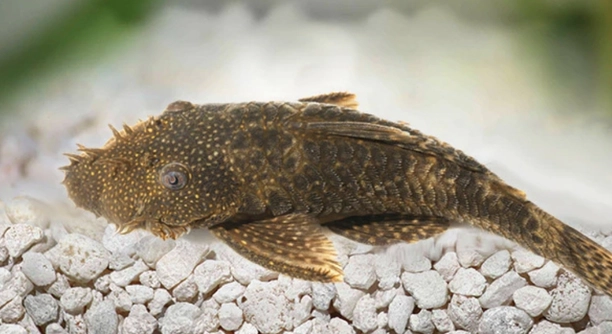
Is your pleco spending more time hovering in one spot than exploring the tank? Observing this behavior can be concerning for fishkeepers who care about their pets’ health and daily activity. Understanding why it happens is important.
Plecos often hover due to stress, poor water quality, or insufficient oxygen levels. Environmental factors, including tank temperature, lighting, and available hiding spots, can influence their behavior, causing them to remain stationary rather than swimming actively.
Learning the underlying causes will help improve your pleco’s comfort and well-being. Small adjustments to its environment can make a significant difference in behavior and health.
Common Reasons Plecos Hover in One Spot
Plecos often hover due to environmental stressors or changes in their tank. Poor water quality, such as high ammonia or nitrite levels, can make them less active. Low oxygen levels may also force them to stay near surfaces where oxygen is more available. Sudden changes in water temperature can shock a pleco, leading to stationary behavior until it acclimates. Tank size plays a role, too; smaller or overcrowded tanks limit swimming space, encouraging hovering. Lighting can also affect activity. Bright or harsh lights may make plecos feel exposed, so they prefer staying in one spot or under decorations. Lack of hiding places, such as caves or plants, can make a pleco feel unsafe and reduce movement. Diet matters as well. Insufficient or poor-quality food can sap energy, causing them to hover while conserving effort. Observing your pleco daily helps identify these environmental or behavioral factors early, ensuring timely intervention.
Adjusting water conditions and providing hiding spots often restores natural swimming behavior quickly.
By monitoring tank parameters and adding secure spaces, you can significantly improve your pleco’s activity. Consistent water testing, proper filtration, and gentle lighting adjustments create a safer environment. Offering varied and nutritious food ensures they remain healthy and active. Even small changes, like rearranging decorations or adding driftwood, can reduce stress and encourage exploration. Overcrowding or aggressive tank mates should also be addressed to prevent constant hiding. Attention to these details helps maintain balance in the aquarium ecosystem, supporting your pleco’s overall well-being. Healthy plecos tend to move more freely, graze surfaces, and interact with their surroundings. Keeping track of these behaviors helps track their comfort and signals when something is wrong.
Signs Your Pleco Is Stressed
Hovering, clamped fins, and loss of appetite are common stress indicators.
Stress often arises from sudden water changes, inconsistent feeding, or aggressive tank mates. Long-term stress can lead to illness, so regular observation and maintenance are essential. Stable water temperature, proper filtration, and calm surroundings help reduce stress.
Improving Tank Conditions
Clean water is essential for pleco health. Regular water changes, proper filtration, and monitoring pH, ammonia, nitrite, and nitrate levels help maintain a stable environment and encourage movement.
Plecos respond quickly to consistent water conditions. Using a reliable test kit ensures you catch issues early, preventing stress-related hovering. Filtration should match tank size and bio-load to keep water clear and oxygenated. Adding air stones or gentle circulation can improve oxygen levels, reducing the need for the pleco to stay near the surface. Gradual temperature adjustments prevent shock and support natural activity patterns. Observing behavior after changes shows what works best for your fish.
Providing hiding spots and decorations makes plecos feel secure. Caves, driftwood, and plants give them shelter and encourage exploration. Rearranging items occasionally prevents boredom and adds stimulation. Overcrowded or bare tanks increase stress, so space matters. Tank mates should be peaceful, avoiding aggression that keeps the pleco stationary. Maintaining clean surfaces for grazing and ensuring enough food supports energy for swimming. Regular attention to these details creates a comfortable environment where plecos are more active and healthy.
Adjusting Diet and Feeding
Balanced nutrition impacts pleco activity and overall well-being. Feeding appropriate amounts of algae wafers, vegetables, and occasional protein prevents lethargy.
A varied diet encourages natural grazing and movement. Vegetables like zucchini, cucumber, and spinach provide fiber and essential nutrients, while algae wafers ensure consistent nutrition. Occasional protein sources, such as shrimp pellets, support growth. Avoid overfeeding, as leftover food can pollute the water, causing stress and inactivity. Feeding smaller amounts multiple times a day helps plecos stay active. Monitoring how your fish responds to different foods allows you to identify preferences and adjust accordingly. This approach maintains energy levels and encourages swimming instead of prolonged hovering.
Monitoring Behavior
Regular observation helps detect changes early. Watch for unusual hovering, clamped fins, or loss of appetite, which can indicate stress or health issues.
Noting patterns in activity, feeding, and interactions with tank mates helps identify environmental or dietary problems. Early action prevents long-term health concerns and encourages normal behavior.
Preventing Stress
Stable water parameters, adequate hiding spots, and calm tank mates reduce stress. Avoid sudden changes in temperature, lighting, or decorations, as plecos are sensitive to disruptions. Providing a consistent routine supports their comfort and natural activity levels.
Common Health Issues
Hovering can sometimes signal illness. Internal parasites, infections, or injuries may reduce swimming activity. Observing physical changes, unusual spots, or rapid breathing helps identify potential health problems. Prompt treatment is necessary to restore energy and movement, preventing long-term complications.
Encouraging Activity
Adding driftwood, plants, or smooth rocks stimulates exploration. Providing a secure environment with varied surfaces promotes natural grazing and movement, keeping plecos engaged and healthier.
FAQ
Why is my pleco hovering at the surface?
Plecos often go to the surface when oxygen levels are low. Poor water circulation, high temperatures, or overcrowded tanks can reduce available oxygen. Adding an air stone or adjusting filtration can help. Observing water parameters regularly ensures they stay within a safe range, keeping your pleco active and comfortable.
Is it normal for plecos to stay in one spot all day?
Occasional resting is normal, especially during the day, since plecos are mostly nocturnal. However, prolonged stationary behavior can indicate stress, illness, or poor water conditions. Checking tank cleanliness, water quality, and available hiding spots helps determine if the behavior is temporary or a problem.
Could my pleco be sick?
Yes. Illness can cause reduced movement. Look for symptoms like clamped fins, discoloration, rapid breathing, or unusual spots. Internal parasites and bacterial infections can make plecos less active. Prompt treatment and maintaining clean water are crucial to restore health.
How often should I clean my pleco’s tank?
Partial water changes of 20–30% weekly are recommended, with thorough substrate cleaning monthly. Over-cleaning can stress the fish, while insufficient cleaning allows waste buildup, leading to poor water quality. Monitoring ammonia, nitrite, and nitrate levels helps determine the proper cleaning schedule.
Does tank size affect pleco activity?
Yes, smaller or overcrowded tanks limit movement and encourage hovering. Plecos need space to swim, graze, and explore. Adequate tank size and careful planning of tank mates create a safer and more engaging environment for your pleco.
What foods encourage plecos to move more?
Algae wafers, fresh vegetables like zucchini and cucumber, and occasional protein sources stimulate grazing and activity. Feeding smaller amounts several times a day keeps energy levels stable and prevents the fish from staying idle for long periods.
Can lighting affect pleco behavior?
Bright or harsh lighting may stress plecos, causing them to stay in one spot or hide. Gentle lighting or dimmed areas encourages natural movement and exploration, helping them feel more secure. Adding hiding places under decorations also improves comfort.
How do I know if my pleco is stressed?
Signs include hovering, clamped fins, reduced feeding, and hiding excessively. Stress often comes from poor water quality, aggressive tank mates, or sudden environmental changes. Correcting these issues gradually improves health and encourages normal swimming behavior.
Should I separate my pleco from other fish?
If tank mates are aggressive or compete for food, separating your pleco temporarily can reduce stress. Observing interactions and ensuring enough hiding spots for all fish helps prevent prolonged hovering or hiding due to intimidation.
How long can a pleco stay inactive safely?
Short periods of inactivity, especially during the day, are normal. Extended inactivity, especially at night or during feeding, can indicate health or environmental issues. Consistent observation and adjustments to diet, tank conditions, and hiding places help maintain proper activity levels.
Can water temperature changes affect hovering?
Yes. Sudden drops or spikes in temperature can shock plecos, causing them to stay stationary. Gradual adjustments, stable heating, and consistent monitoring of tank temperature maintain comfort and promote normal activity.
Do plecos need hiding spots?
Absolutely. Plecos feel safer with caves, driftwood, and plants. Lack of secure spaces can make them hover near surfaces or decorations. Providing varied hiding places encourages exploration and reduces stress.
How do I encourage a lazy pleco to explore more?
Rearranging decorations, adding driftwood, or providing fresh grazing surfaces stimulates movement. Offering varied food at different areas of the tank also encourages swimming and natural foraging behavior, reducing prolonged hovering.
Can poor water quality cause my pleco to stop eating?
Yes. High ammonia, nitrite, or nitrate levels stress plecos and reduce appetite. Maintaining clean water and testing parameters regularly helps prevent inactivity and ensures proper nutrition and energy levels.
Is it normal for plecos to rest in one spot at night?
Plecos are nocturnal, so resting during the day is normal. Nighttime activity should be more frequent. Lack of movement at night may signal stress, poor water conditions, or health problems that require attention.
How can I make my pleco feel more comfortable?
Stable water conditions, proper diet, hiding places, gentle lighting, and peaceful tank mates create a secure environment. Observing daily behavior allows small adjustments that improve comfort and encourage natural activity.
What are signs of a healthy pleco?
Active swimming, consistent grazing, vibrant coloration, and responsive behavior indicate health. Regular observation of appetite, movement, and interaction with the environment ensures long-term well-being.
Can sudden tank changes make plecos hover?
Yes. Rearranging decorations, adding new fish, or sudden water parameter changes can stress plecos. Introducing changes gradually and providing secure hiding spots reduces stress and encourages exploration.
How important is regular observation?
Daily monitoring allows early detection of stress, illness, or environmental problems. Tracking behavior and water parameters ensures timely adjustments, maintaining comfort and activity for your pleco.
Are there behavioral differences between pleco species?
Yes. Some species are more active or territorial than others. Understanding your pleco’s natural behavior helps set realistic expectations and provides the best environment to encourage healthy activity.
Can diet alone fix hovering behavior?
Diet plays a role but is not the only factor. Proper feeding supports energy, but water quality, hiding places, tank mates, and stable conditions are equally important for reducing prolonged hovering.
How long does it take for plecos to adjust to a new tank?
Adjustment can take several days to a few weeks, depending on tank conditions and stress levels. Providing hiding spots, stable water parameters, and consistent feeding supports a smooth transition and encourages natural activity.
What should I do if my pleco keeps hovering despite changes?
Persistent hovering may indicate illness or chronic stress. Checking water quality, reviewing diet, ensuring proper hiding spots, and consulting an aquatic veterinarian helps identify underlying problems and restore normal behavior.
How can I prevent future hovering problems?
Consistent maintenance, stable water parameters, proper diet, hiding spots, and peaceful tank mates reduce stress and inactivity. Observing behavior and making gradual adjustments ensures your pleco remains healthy, active, and comfortable.
What role do tank mates play in pleco behavior?
Aggressive or competitive tank mates can intimidate plecos, causing them to hover or hide. Selecting compatible species and providing sufficient space minimizes stress and promotes natural swimming and grazing behavior.
Is hovering always a bad sign?
Not always. Occasional resting is natural, especially during the day. Consistent, prolonged hovering paired with other stress or health indicators warrants closer attention to tank conditions, diet, and overall well-being.
Can I treat my pleco at home if it seems sick?
Minor issues like stress or mild water-quality problems can often be addressed at home through water adjustments, diet, and environment improvements. Severe illness or persistent symptoms should be assessed by an aquatic veterinarian for proper treatment.
How can I track improvements after making changes?
Observe swimming patterns, feeding behavior, color, and activity levels over several days. Keeping a simple log of tank conditions and pleco behavior helps measure the effectiveness of changes and ensures continued comfort.
Does pleco age affect hovering behavior?
Older plecos may rest more often, but sudden changes in activity for any age can indicate environmental or health issues. Maintaining proper care supports activity and longevity.
Are there signs that my pleco is happy and comfortable?
Active swimming, grazing on surfaces, exploring the tank, and responsive behavior indicate comfort. A healthy pleco interacts with its environment, uses hiding spots, and maintains consistent color and appetite.
Can seasonal changes affect pleco activity?
Yes. Temperature fluctuations or changes in room lighting can influence movement. Maintaining stable water conditions and consistent feeding routines minimizes seasonal stress and keeps plecos active.
What is the most important factor for pleco activity?
Stable water conditions, adequate hiding spots, proper diet, peaceful tank mates, and gentle lighting together create an environment that supports natural swimming, grazing, and overall health. Regular observation ensures these factors remain optimal.
How do I know when to seek professional help?
If hovering persists despite stable water, proper diet, and environmental improvements, or if physical symptoms appear, consulting an aquatic veterinarian is recommended to address potential illness or chronic stress.
Can stress affect long-term health?
Yes. Chronic stress weakens the immune system, reduces appetite, and can lead to disease. Maintaining consistent care and monitoring behavior prevents long-term health issues.
How can I encourage natural behavior?
Provide varied surfaces for grazing, secure hiding spots, gentle lighting, and appropriate tank mates. Feeding varied foods and maintaining stable water conditions supports energy, exploration, and overall activity.
Do plecos need interaction?
Plecos are mostly solitary and nocturnal. Interaction comes from exploring the environment rather than with humans or other fish. Ensuring a safe and stimulating environment encourages natural activity without forcing direct interaction.
Can adjusting one factor alone stop hovering?
Sometimes, but most of the time multiple factors interact. Diet, water quality, hiding spots, tank mates, and lighting all contribute. Addressing several areas simultaneously ensures the best results in reducing prolonged hovering.
Is it normal for plecos to hide most of the day?
Yes, especially for nocturnal species. Excessive hiding combined with poor appetite, clamped fins, or inactivity at night indicates stress or health issues, which should be addressed promptly.
How do I prevent future inactivity?
Maintain clean water, a balanced diet, secure hiding spots, and peaceful tank mates. Observe behavior consistently, adjust conditions gradually, and respond to changes early to encourage ongoing activity and health.
What is the best way to track pleco behavior?
Keep a simple log noting swimming activity, feeding, hiding, and physical appearance. Regular observation allows early detection of stress or health issues and helps track improvements after adjustments.
Can tank decorations really make a difference?
Yes. Properly arranged driftwood, caves, and plants provide security, encourage exploration, and reduce hovering. Changing layouts occasionally adds stimulation without causing stress.
Are plecos active at night?
Yes. Most species are nocturnal. Nighttime activity includes grazing, exploring, and interacting with decorations. Reduced nighttime activity may indicate health or environmental issues that need attention.
How often should I monitor water parameters?
Weekly checks of pH, ammonia, nitrite, and nitrate are recommended. During water changes or after adding new fish, more frequent testing ensures stability and prevents stress-induced hovering.
Do plecos need variety in their tank?
Variety promotes natural behavior. Driftwood, plants, caves, and grazing surfaces encourage movement and exploration, preventing boredom and reducing prolonged stationary behavior.
Can I tell if my pleco is comfortable with its tank mates?
Yes. A comfortable pleco swims freely, grazes regularly, and uses hiding spots appropriately. Signs of stress include constant hovering, hiding, or retreating from other fish. Adjusting tank mates or space can improve comfort.
How long does it take for plecos to adapt to new conditions?
Several days to weeks. Gradual adjustments in water, lighting, decorations, or diet help plecos acclimate smoothly, reducing stress and encouraging normal activity.
Are there quick fixes for hovering behavior?
Quick fixes alone rarely work. Combining clean water, proper diet, hiding spots, gentle lighting, and compatible tank mates is the most effective approach. Observation ensures adjustments have the desired effect.
Can hovering indicate boredom?
Yes. Lack of stimulation or variety can cause inactivity. Adding grazing surfaces, rearranging decorations, or providing new hiding spots encourages exploration and reduces prolonged hovering.
Do plecos need companions?
Not necessarily. Most are solitary and nocturnal. Companionship should be considered only if it doesn’t cause stress or competition for resources. Compatibility and space are key factors.
Can lighting schedules influence activity?
Yes. Gradual transitions between day and night lighting support natural behavior. Sudden changes can stress plecos, causing them to hover or hide.
Is hovering more common in certain pleco species?
Yes. Some species are naturally more sedentary or nocturnal. Knowing your pleco’s typical behavior helps distinguish normal resting from stress or illness.
What’s the first step if my pleco starts hovering suddenly?
Check water quality, temperature, and oxygen levels immediately. Inspect the tank for stressors, adjust diet if necessary, and observe behavior closely to determine if further intervention is needed.
How do I balance diet and activity?
Feed small, varied portions of algae, vegetables, and occasional protein. Balanced nutrition maintains energy for natural swimming and grazing, reducing prolonged hovering.
Can adding new decorations stress my pleco?
Yes. Introduce new items gradually and allow time to adjust. Providing familiar hiding spots alongside new decorations reduces stress and encourages exploration.
How can I tell if my pleco is thriving?
Active swimming, consistent grazing, healthy color, responsive behavior, and regular interactions with the environment indicate a thriving pleco. Stable water, good diet, and secure spaces support overall health.
Do plecos need sunlight?
No direct sunlight is required. Indirect or controlled aquarium lighting supports natural behavior. Direct sunlight can cause temperature fluctuations and algae overgrowth, leading to stress.
How do I know if my tank setup is adequate?
Sufficient space, hiding spots, proper filtration, gentle lighting, and peaceful tank mates indicate a good setup. Regular observation of activity and behavior confirms comfort and suitability.
Is it normal for plecos to change resting spots?
Yes. They move between hiding spots and grazing surfaces naturally. Frequent, unexplained hovering in one area may indicate stress, poor water quality, or illness.
Can hovering affect pleco lifespan?
Chronic stress or poor conditions leading to prolonged inactivity can reduce lifespan. Maintaining clean water, proper diet, hiding spots, and stable tank conditions promotes long-term health.
How important is substrate choice?
Soft, smooth substrate prevents injuries while grazing or resting. Rough or sharp substrate can harm plecos, causing stress and reluctance to move, increasing hovering behavior.
Do plecos need enrichment?
Yes. Driftwood, plants, caves, and grazing surfaces provide stimulation, encourage movement, and prevent boredom-induced hovering. Variety supports natural behavior and overall well-being.
Can tank water hardness affect activity?
Yes. Plecos prefer moderately soft to slightly hard water depending on species. Extreme hardness or sudden changes can stress them, causing stationary behavior. Regular testing and gradual adjustments are key.
How long should I observe changes before expecting results?
Several days to a few weeks. Gradual improvements in water quality, diet, and environment usually result in more natural swimming and reduced hovering over this period.
Is it normal for plecos to hover after feeding?
Yes. Plecos may rest briefly after grazing to digest food. Persistent hovering unrelated to feeding or nighttime activity may indicate stress or environmental issues.
What are the most common mistakes that lead to hovering?
Poor water quality, inadequate hiding spots, aggressive tank mates, inconsistent feeding, sudden environmental changes, and lack of stimulation commonly cause prolonged hovering. Addressing these factors prevents stress and promotes normal behavior.
Can temperature fluctuations cause long-term issues?
Yes. Repeated or extreme fluctuations weaken immunity, reduce appetite, and cause stress. Maintaining stable water temperature supports activity, feeding, and overall health.
Should I change my pleco’s diet if it hovers frequently?
Diet adjustments can help if energy is low. Offering varied vegetables, algae, and occasional protein encourages activity, but water quality, hiding spots, and stressors must also be addressed for best results.
Can hovering indicate territorial behavior?
Sometimes. Plecos may stay in one spot to claim territory. Providing multiple hiding spots and grazing surfaces reduces competition and encourages movement.
How do I know if my pleco is comfortable with its environment?
Regular swimming, grazing, exploring hiding spots, and consistent appetite indicate comfort. Stress signs like hovering, clamped fins, or hiding excessively suggest adjustments are needed.
Is it okay for plecos to hover during the day?
Yes, they are mostly nocturnal. Daytime hovering is normal as long as nighttime activity, feeding, and overall health remain consistent.
Can adding plants improve pleco activity?
Yes. Plants provide cover, grazing surfaces, and stimulation. They reduce stress, encourage exploration, and make plecos feel secure, reducing prolonged hovering.
How do I maintain motivation to monitor my pleco?
Keeping a simple log of feeding, swimming, and resting behavior makes tracking easier. Observing changes regularly ensures early detection of stress or health issues, maintaining a thriving environment.
What is the role of water flow in pleco activity?
Moderate water flow mimics natural habitat conditions. Too strong a current can exhaust or stress plecos, while gentle circulation encourages swimming, grazing, and exploration.
Can seasonal water changes affect behavior?
Yes. Temperature or parameter shifts in spring or fall can influence activity. Stable water conditions year-round prevent stress and prolonged hovering.
Are there signs that hovering is temporary?
Short periods of resting during the day or after feeding are normal. If activity resumes at night and appetite is normal, hovering is likely temporary and not a cause for concern.
Can plecos adapt to small tanks?
They can survive, but limited space reduces movement and encourages hovering. Adequate hiding spots and careful stocking improve comfort even in smaller setups.
How do I know if my pleco is exploring enough?
Active grazing, moving between hiding spots, and occasional interaction with tank mates indicate sufficient exploration. Persistent inactivity suggests environmental, dietary, or health issues.
Is it necessary to quarantine new plecos?
Yes. Quarantine prevents disease introduction and allows monitoring of behavior and health before adding to the main tank, reducing stress and prolonged hovering.
Can water additives affect activity?
Some chemicals can stress plecos, causing hovering. Only use additives recommended for plecos and follow instructions carefully to maintain safe, stable water conditions.
How do I encourage nighttime activity?
Providing a dimly lit environment, sufficient hiding spots, and varied grazing surfaces encourages natural nocturnal movement without stressing the pleco.
Are plecos sensitive to noise or vibration?
Yes. Loud noises, frequent tapping, or vibrations can stress them, causing prolonged hovering or hiding. Maintaining a calm environment reduces stress and encourages activity.
What role does tank shape play in pleco behavior?
Long tanks provide more swimming space, promoting activity. Tall or cramped tanks may limit movement and encourage hovering. Adequate horizontal space is important for natural behavior.
Can hovering indicate old age?
Older plecos may rest more often. Occasional inactivity is normal, but sudden changes in behavior at any age may indicate environmental or health issues that need attention.
How do I combine all strategies to reduce hovering?
Maintain stable water, provide hiding spots, monitor diet, ensure peaceful tank mates, use gentle
Final Thoughts
Observing your pleco hovering in one spot can be concerning, but it is often a natural response to environmental or health conditions. Plecos are nocturnal fish and may rest during the day, so short periods of inactivity are not always a sign of trouble. However, prolonged hovering accompanied by clamped fins, loss of appetite, or unusual coloration can indicate stress, illness, or poor water quality. Understanding the reasons behind this behavior is essential for ensuring your pleco remains healthy and comfortable in its tank. By paying attention to the fish’s habits and daily routines, you can quickly identify changes that may require intervention.
Water quality is one of the most important factors in pleco health. Consistent testing for ammonia, nitrites, nitrates, and pH levels helps maintain a stable environment. Regular partial water changes prevent waste buildup, while proper filtration ensures adequate oxygen circulation. Temperature stability is also crucial, as sudden changes can shock the fish and lead to stationary behavior. Providing hiding spots, such as driftwood, plants, and caves, gives plecos a sense of security, reducing stress and encouraging natural movement. Gentle lighting and careful selection of tank mates further support their well-being, minimizing the need to hover or hide excessively.
Diet and stimulation are equally important for maintaining an active pleco. Feeding a varied diet, including algae wafers, fresh vegetables, and occasional protein sources, provides the nutrients needed for energy and growth. Smaller, frequent feedings help sustain activity throughout the day and night. Adding enrichment to the tank, like grazing surfaces, smooth rocks, and rearranged decorations, promotes natural exploration and reduces prolonged inactivity. Observation remains a critical part of care; tracking behavior, feeding patterns, and physical appearance allows you to detect problems early. With stable water, proper nutrition, and a secure environment, plecos will display more natural swimming and grazing behaviors, keeping them healthy, comfortable, and active in their tank.

Hello,
If you enjoy the content that we create, please consider saying a "Thank You!" by leaving a tip.
Every little bit helps us continue crafting quality advice that supports the health, happiness, and well-being of pets around the world, for pets of all shapes, sizes, and species.
We really appreciate the kindness and support that you show us!