How to Tell if a Lemon Tetra Is Lonely

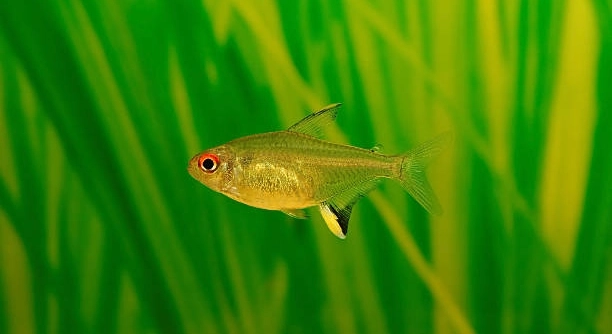
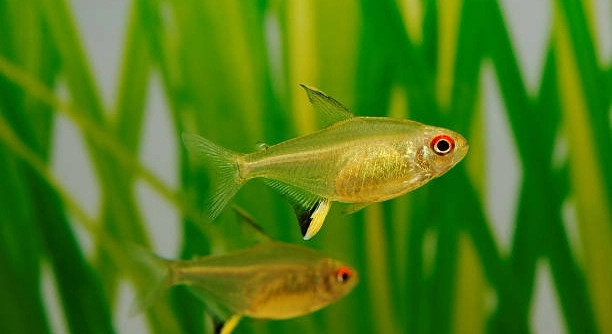
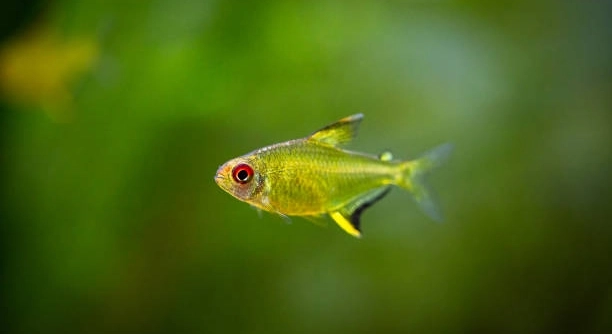
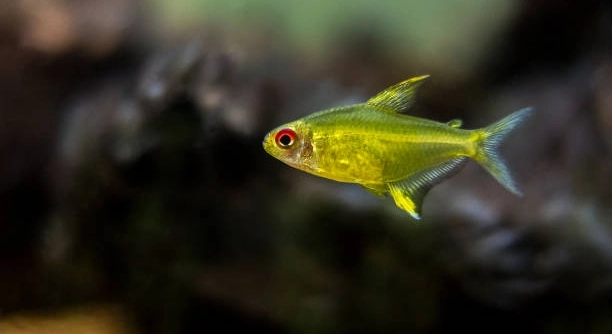
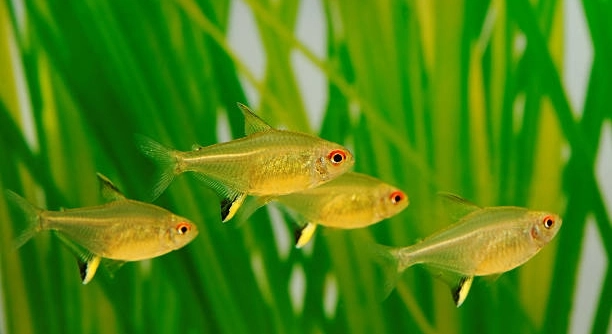
Lemon tetras are small, bright fish that bring life to any aquarium. They are social creatures and often swim in groups, showing their natural behavior. Observing them closely can reveal subtle signs of their well-being and mood. A lemon tetra may show signs of loneliness through isolation, reduced activity, and lack of interaction with other … Read more
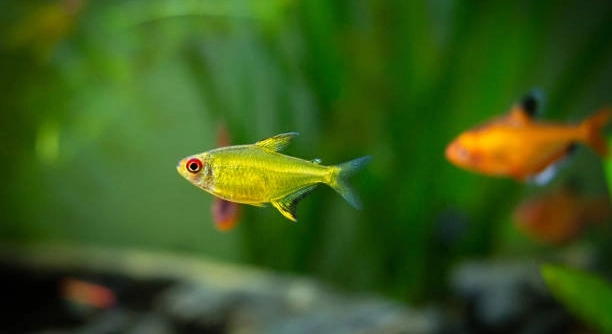
7 Surprising Things Lemon Tetra Like to Explore

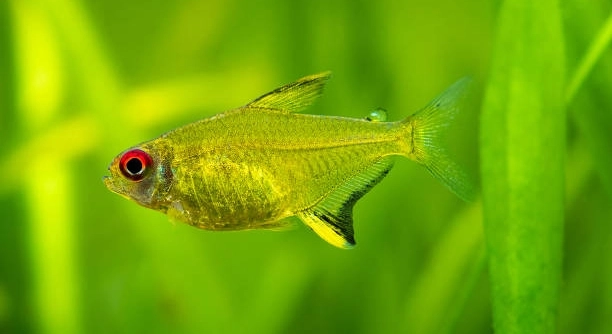
Lemon tetras are small, bright fish that bring life to any freshwater tank. Watching them swim can be relaxing, but their little personalities often make them curious about more than just their surroundings. They enjoy movement and exploration. Lemon tetras are naturally curious and actively investigate plants, decorations, water currents, and hiding spots within their … Read more

Can Lemon Tetra Sense When You’re Near the Tank?

Do you ever notice your lemon tetra swimming differently when you approach the tank? Many fish owners find themselves observing subtle changes in behavior that seem linked to their presence. These tiny fish are surprisingly responsive. Lemon tetras can sense nearby movement and vibrations, responding to human presence through their lateral line system. This sensory … Read more

What If Your Arowana Becomes More Aggressive?

Are your arowana’s movements becoming more intense and its behavior noticeably sharper than usual? Many fish owners notice changes over time, and these shifts can affect both the tank environment and interactions with other fish in subtle ways. An arowana’s increased aggression is often linked to territorial instincts, environmental stress, or insufficient space. Adjusting tank … Read more

What Causes Lemon Tetra to Swim Erratically?

Have you ever noticed your lemon tetra darting around the tank with unusual energy? These small, bright fish usually swim gracefully, so sudden erratic movements can be concerning for any aquarium owner who cares for them. Erratic swimming in lemon tetras is often caused by poor water quality, sudden changes in temperature, stress, or internal … Read more

7 Items Lemon Tetra Like to Hide Behind

Lemon tetras are small, active fish that often enjoy hiding in their aquariums. Observing them can be delightful, especially when they dart behind plants or decorations. Their playful nature makes them fascinating to watch regularly. Lemon tetras prefer to hide behind tall plants, aquarium rocks, driftwood, decorative caves, leaf litter, artificial decorations, and densely packed … Read more

7 Signs Your Lemon Tetra Are Forming a Pair

Are your lemon tetras showing signs of extra attention toward one another in your aquarium? Many hobbyists notice subtle behaviors that suggest these small fish may be forming a bond beyond simple schooling patterns. Lemon tetras often exhibit pairing behavior through synchronized swimming, frequent close proximity, and gentle nudging. They may also display color intensification, … Read more

7 Myths About Lemon Tetra You Shouldn’t Believe

Lemon tetras are small, bright fish that brighten up any freshwater aquarium. Many new fish owners find themselves unsure about how to care for them properly and often rely on common advice from other hobbyists. Despite popular belief, lemon tetras are hardy and easy to care for. Misconceptions about their fragility, diet, tank size, or … Read more

7 Tank Features Lemon Tetra Will Instantly Use

Are your lemon tetras swimming around aimlessly, unsure of where to explore first in their tank? Providing the right environment can make a big difference in how quickly they adapt and feel at home. Lemon tetras immediately utilize features that offer shelter, foraging opportunities, and open swimming areas. Elements such as live plants, gentle currents, … Read more

7 Tips for Managing a Lonely Arowana

Keeping an arowana alone can sometimes feel worrying for new owners. These fish are intelligent and active, often showing signs of boredom or stress without proper stimulation in their tank environment. Managing a lonely arowana requires providing environmental enrichment, consistent feeding schedules, and careful monitoring of social interaction cues. Ensuring adequate tank size, hiding spots, … Read more