
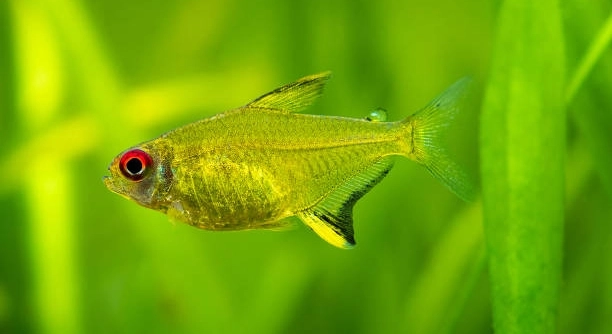
Lemon tetras are small, bright fish that bring life to any freshwater tank. Watching them swim can be relaxing, but their little personalities often make them curious about more than just their surroundings. They enjoy movement and exploration.
Lemon tetras are naturally curious and actively investigate plants, decorations, water currents, and hiding spots within their aquarium. Their behavior reflects an instinctive drive to explore environments, assess safety, and interact with both their habitat and tank mates.
Learning where these tiny fish like to explore can make aquarium care more engaging and help ensure their environment meets their natural preferences. Observing their patterns offers insight into their behaviors and needs.
Favorite Hiding Spots
Lemon tetras love to find small corners and shaded areas in their tank. I’ve noticed mine often swim behind plants or tuck themselves near decorations. These spots make them feel safe and secure, reducing stress and encouraging natural behavior. Even small caves or dense plant clusters are perfect for them. Watching them peek out from behind leaves is always amusing and shows how curious they are. They use these spaces to rest but also to observe their surroundings without feeling threatened. Creating multiple hiding spots allows more freedom for exploration, helping them feel comfortable. When the tank has more decorations, it encourages natural swimming patterns and gives them more places to investigate. Lighting also plays a role—dim or filtered light makes them more active and willing to explore, while bright, harsh light can make them hide more. Adding soft substrate or gentle water flow enhances their comfort near these areas.
Providing these safe areas ensures lemon tetras feel secure, which promotes healthy exploration and interaction.
By offering a variety of hiding spaces, you can see a more active and confident school of tetras, making your tank more dynamic.
Plant Interaction
Lemon tetras enjoy swimming through plants and nibbling on soft leaves occasionally. They use plants to navigate and feel sheltered, and I often notice them weaving through long stems as part of their daily activity. Dense plants create paths that keep them moving and engaged. They prefer live plants, but artificial ones can also provide structure for exploration. Fast-growing plants like hornwort or java moss are ideal because they offer cover while letting tetras move freely. Placement matters: tall plants at the back and shorter ones in front create layers that mimic natural habitats. Grouping plants can form micro-environments where tetras can hide or play, reducing aggression among tank mates. Floating plants are useful, too, as they cast shadows that lemon tetras find comforting. Observing their interaction with plants shows how they establish territories and explore different zones. Regular trimming and maintenance of plants keep these areas accessible and inviting, encouraging continued exploration.
Plants do more than decorate the tank—they enrich the tetras’ habitat and support their natural behaviors, providing both safety and stimulation.
Exploring Tank Corners
Lemon tetras often swim into corners of the tank, investigating every angle. These areas give them a sense of security while allowing them to observe the rest of the environment. Corners can become favorite spots for resting or watching other fish without feeling exposed.
Tank corners are important for tetras because they provide boundaries that make the fish feel more in control of their space. I’ve noticed mine linger longer in corners when there are nearby plants or rocks. Shadows cast by decorations or filtration equipment make corners even more appealing. Corners also allow them to avoid aggressive interactions with other tank mates. The angles and edges help them practice natural behaviors like quick dashes and turns, which they might not do in open water. By arranging decorations near corners, tetras can explore more confidently, making these areas active zones rather than forgotten spaces. Observing how they use corners reveals a lot about their comfort level and social interactions within the tank.
Encouraging corner exploration can help keep lemon tetras active and reduce stress. Adding small rocks, driftwood, or dense plant clusters near corners makes them feel safe while letting them enjoy more of their environment.
Surface Exploration
Lemon tetras frequently explore the water surface, especially when looking for food or reacting to light changes. Floating plants and gentle water movement encourage this behavior, giving them new areas to navigate. Watching them skim the surface is lively and reveals their curiosity.
Surface areas are stimulating for lemon tetras because they allow interactions with both light and floating elements. I’ve seen mine investigate tiny particles, leaves, or even the reflections above the tank. Gentle water currents created by filters or air stones encourage movement along the surface, which also improves swimming skills. Floating plants like duckweed or water lettuce provide shade and points of interest while still letting them feed from the top. They often swim close together in schools near the surface, showing social coordination. Observing surface activity helps me understand when they are active or seeking enrichment, allowing adjustments in feeding routines or plant placement.
In addition, surface exploration keeps them engaged and mentally stimulated. Maintaining a balance of open surface areas and shaded spots ensures they can swim freely while still feeling protected. It also promotes natural schooling behavior, enhancing both health and interaction within the tank.
Investigating Decorations
Lemon tetras are naturally drawn to decorations like rocks, driftwood, or ornaments. They swim around and through these items, using them to hide, rest, or explore. Decorations provide structure and stimulate natural behaviors, keeping their environment interesting and engaging.
Even small or simple items can spark their curiosity. I’ve noticed mine circle around caves or weave between rocks, showing active exploration. Strategic placement encourages movement, reduces stress, and creates micro-habitats within the tank.
Following Water Currents
Lemon tetras often explore areas with gentle water currents. They enjoy swimming through moving water, which helps them practice coordination and strengthens muscles. Currents make their environment more dynamic, encouraging natural behaviors. Observing them navigate these flows provides insight into their activity levels and preferences.
Interaction With Tank Mates
These fish frequently explore alongside other tetras or peaceful species. Swimming in groups helps them feel secure while promoting social behavior. I often see them mirroring movements, establishing small group patterns that indicate comfort and curiosity in shared spaces.
Bottom Area Exploration
Lemon tetras occasionally investigate the tank floor, especially around plants or substrate. They search for tiny food particles and observe details close to the bottom, which adds variety to their daily movement and exploration.
FAQ
How much space do lemon tetras need to explore?
Lemon tetras are small, but they thrive in tanks with enough open swimming space and structures for hiding. A minimum of 20 gallons for a small school allows them to explore freely while maintaining social interactions. Providing plants, decorations, and open areas keeps their environment engaging and balanced.
Do lemon tetras prefer certain types of plants?
They show a preference for dense or leafy plants that provide cover and pathways for swimming. I’ve noticed they enjoy weaving through Java moss, hornwort, and floating plants. These plants create natural micro-habitats where tetras feel safe and encouraged to explore, reducing stress and promoting active behavior.
Will lemon tetras explore more in groups or alone?
Lemon tetras are schooling fish, so they are much more active and confident when in groups. Observing a lone tetra is different—they often hide or stay near cover. A group of at least six encourages coordinated swimming and exploration, allowing natural social behaviors to emerge.
How do they react to new decorations or rearranged tanks?
They are naturally curious, so introducing new items or moving existing ones stimulates exploration. I’ve seen my tetras circle around new decorations cautiously at first, then gradually interact more confidently. It is best to rearrange in small steps to prevent stress and allow gradual adaptation.
Do lemon tetras interact with the water surface often?
Yes, especially when searching for food or when floating plants create shade. I’ve seen them skim the surface, investigating reflections, tiny particles, or leaves. Moderate water movement encourages this behavior, giving them physical stimulation and mental engagement, which contributes to overall health and activity.
Are certain tank corners more appealing to lemon tetras?
Corners that have nearby plants, rocks, or shadows are more attractive to them. They often linger there to feel secure while observing the rest of the tank. I’ve noticed they use corners to rest, play, and interact safely with other tetras, highlighting the importance of strategic decoration placement.
How much interaction do lemon tetras have with the substrate?
While mostly mid- to top-level swimmers, they occasionally explore the bottom, especially around plants or gravel. They pick at tiny food particles or investigate textures. This adds variety to their swimming patterns and keeps them mentally stimulated, contributing to a healthier and more natural tank environment.
Do lemon tetras prefer gentle water currents or still water?
They respond positively to gentle water currents, which allow them to practice coordination and swimming skills. Strong currents can stress them, while completely still water may reduce activity. A moderate flow from filters or air stones creates a dynamic environment, encouraging exploration and social behavior.
Can lemon tetras coexist with other species while exploring?
Yes, as long as tank mates are peaceful and similarly sized. They often explore together with compatible fish, sharing space and following each other. I’ve observed coordinated swimming patterns where tetras mirror movements of nearby species, enhancing social interactions and encouraging active exploration throughout the tank.
How often do they need environmental changes to stay engaged?
Small, gradual changes like adding plants, moving decorations, or adjusting lighting can stimulate exploration without causing stress. I’ve found that periodic updates keep their environment interesting and encourage regular activity, maintaining curiosity and overall well-being in a stable yet dynamic habitat.
Do lemon tetras show individual personalities when exploring?
Yes, some are more adventurous, while others are cautious. I often notice a few leading the school into new areas while others follow at a distance. Recognizing these differences helps in arranging the tank to meet both bold and shy tetras’ needs, ensuring everyone has safe areas to explore.
Are there signs that a lemon tetra is stressed during exploration?
Hiding excessively, staying in one corner for long periods, or refusing to swim actively can indicate stress. I monitor my tetras for these behaviors, adjusting lighting, decorations, or tankmates to reduce tension and create a more comfortable, stimulating environment that encourages natural exploration.
How can I encourage lemon tetras to explore more?
Adding plants, decorations, and gentle currents encourages movement and interaction. I’ve seen them respond positively to small rearrangements or new hiding spots. Regular feeding at different areas of the tank also stimulates exploration, keeping their behavior active and preventing boredom while supporting natural instincts.
Do lemon tetras need varied environments for long-term health?
Yes, variety helps them remain active and mentally engaged. Combining open swimming areas with dense plant clusters, hiding spots, and surface access creates a balanced environment. Observing their preferences allows you to optimize space, decorations, and flow, ensuring lemon tetras continue to explore safely and confidently.
Lemon tetras are small fish with surprisingly big personalities. They are naturally curious and enjoy exploring every corner of their tank. Over time, I have noticed that providing a variety of spaces for them to investigate makes a noticeable difference in their activity and behavior. Simple changes, like adding a few plants or decorations, can encourage them to swim more, hide occasionally, and interact with each other in natural ways. These little changes may seem minor, but they create an environment where the fish feel safe and engaged. When tetras have areas to hide, open spaces to swim, and gentle currents to navigate, they show a range of behaviors that reflect both comfort and curiosity. Observing them can be rewarding because it shows how much thought they put into exploring their surroundings, even within a confined space like an aquarium.
Creating a tank that meets the needs of lemon tetras is not difficult, but it requires attention to detail. Plant placement, decorations, lighting, and water movement all play a role in encouraging exploration. I’ve found that dense plants, floating greenery, and small hiding spots all contribute to keeping the tetras active. Corners, bottom areas, and surface zones offer different opportunities for exploration, and each fish may have its own preference. Watching which areas they frequent helps in arranging the tank to balance activity and comfort. Even simple additions, like a small cave or a piece of driftwood, can make a section of the tank more interesting and give shy fish a place to retreat. A well-planned environment not only encourages curiosity but also reduces stress, creating a healthier and more natural habitat for lemon tetras.
Maintaining an engaging tank is an ongoing process, but it is rewarding to see the fish interact with their surroundings. Lemon tetras will continue to explore as long as there are opportunities to do so. They enjoy weaving through plants, investigating decorations, swimming near the surface, and occasionally exploring the substrate. Over time, you can observe patterns in their behavior, learning which areas they prefer and how they respond to new items or subtle changes in the tank. This understanding allows adjustments that enhance their comfort and engagement. By paying attention to their needs and creating a balanced environment, it is possible to support natural behaviors while ensuring long-term health. The simple act of providing variety and structure in the tank helps lemon tetras thrive and allows you to enjoy their lively, curious nature every day.

Hello,
If you enjoy the content that we create, please consider saying a "Thank You!" by leaving a tip.
Every little bit helps us continue crafting quality advice that supports the health, happiness, and well-being of pets around the world, for pets of all shapes, sizes, and species.
We really appreciate the kindness and support that you show us!