
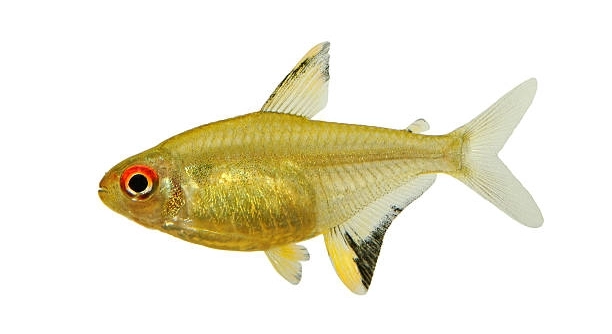
Have you ever noticed your lemon tetra darting around the tank with unusual energy? These small, bright fish usually swim gracefully, so sudden erratic movements can be concerning for any aquarium owner who cares for them.
Erratic swimming in lemon tetras is often caused by poor water quality, sudden changes in temperature, stress, or internal parasites. Each factor can disrupt their natural behavior, making it essential to monitor tank conditions and fish health closely.
Understanding the causes of these sudden movements will help you maintain a healthier aquarium environment and support the well-being of your lemon tetras.
Water Quality Issues
Poor water quality is one of the most common reasons lemon tetras swim erratically. High levels of ammonia, nitrites, or nitrates can irritate their gills and stress them, making them dart or spin around the tank. Uneven pH levels or sudden changes in water chemistry can also disrupt their normal behavior. I remember noticing my tetras swimming frantically after I had skipped a water change, and it was a clear sign something was off. Keeping the tank clean, testing water regularly, and performing partial water changes are essential steps to prevent these problems. Even small amounts of leftover food or decaying plant matter can build up toxins, so regular maintenance matters more than most realize. Consistent monitoring helps the fish stay calm and maintain healthy swimming patterns, which is especially important for a peaceful community tank with multiple species.
Regular testing and water changes prevent stress and help tetras swim smoothly.
Maintaining balanced water conditions includes keeping ammonia, nitrites, and nitrates at safe levels, controlling temperature fluctuations, and ensuring proper filtration. Introducing new fish slowly and treating tap water to remove chlorine or chloramine can also protect their health. Small adjustments in routine care make a big difference in keeping lemon tetras active yet calm.
Stress and Environmental Factors
Stress can cause erratic swimming in lemon tetras.
Stressful conditions include overcrowding, aggressive tank mates, poor lighting, or sudden movement outside the tank. Even loud noises or vibrations near the aquarium can trigger unusual activity.
When lemon tetras experience stress, their behavior changes immediately. They may swim in tight circles, dart quickly across the tank, or bump into decorations. Stress reduces their immunity, making them more vulnerable to disease and infections. A tank that feels safe, with adequate hiding spots and gentle currents, helps fish feel secure and reduces unnecessary movement. Observing their patterns closely can reveal if stress is the issue. Adjusting the number of fish, rearranging decorations to provide hiding spaces, and ensuring tankmates are compatible can make a significant difference. Additionally, avoiding sudden changes in light or frequent tapping on the glass allows tetras to stay calm. Paying attention to these small details supports healthier, more natural swimming behaviors. Regular monitoring and adjustments create a stable environment where lemon tetras can thrive.
Parasites and Illness
Internal parasites or infections often cause lemon tetras to swim erratically. Signs include rapid darting, rubbing against objects, or floating near the surface. Early detection is key to prevent further health problems.
Parasites can enter the tank through new fish, contaminated plants, or untreated water. Infected tetras may appear thin, have discolored spots, or show unusual fin movement. Quarantining new arrivals and maintaining a clean tank can reduce the risk. Treatments vary depending on the type of parasite, ranging from medicated food to water treatments. Observing changes in behavior helps catch issues before they worsen, protecting the entire tank.
Illnesses beyond parasites, such as bacterial or fungal infections, can also affect swimming patterns. These may develop from stress, injuries, or poor water conditions. Symptoms like clamped fins, lethargy, or cloudy eyes often accompany erratic swimming. Addressing water quality and seeking proper treatments promptly can improve recovery chances. Regular monitoring of all fish ensures problems are detected early, keeping the community tank healthier and more stable for everyone.
Temperature Fluctuations
Lemon tetras are sensitive to sudden temperature changes. Even a few degrees up or down can trigger frantic swimming.
Rapid changes in water temperature shock their system, affecting metabolism and swimming coordination. Consistent temperatures support steady, calm movements and overall health. A reliable heater and thermometer are essential to prevent fluctuations.
Temperature swings can happen when heaters fail, the room environment shifts, or new water is added without proper acclimation. Cold water slows their metabolism, making movements sluggish before sudden bursts, while overly warm water increases activity and stress. Gradually adjusting water during changes, using stable equipment, and monitoring the tank regularly keeps tetras comfortable. I’ve noticed my own tetras swimming in short, erratic bursts after replacing a heater without checking the temperature, which reminded me how sensitive they are. Maintaining a steady, suitable range avoids unnecessary stress and preserves normal swimming behavior.
Overcrowding
Too many fish in the tank can make lemon tetras swim erratically. Limited space increases stress and triggers sudden movements as they compete for territory.
Overcrowding also worsens water quality quickly. More waste leads to higher ammonia and nitrate levels, which directly affect swimming behavior.
Poor Diet
A poor or inconsistent diet can weaken lemon tetras, making them swim frantically or appear restless. Lack of nutrients affects energy levels and overall health.
Feeding a balanced diet with high-quality flakes, frozen foods, or occasional live treats supports steady swimming and reduces erratic behavior. Consistency in feeding schedules also helps maintain calmness.
Incompatible Tankmates
Aggressive or larger fish can scare lemon tetras, causing them to dart or hide frequently.
Keeping compatible, peaceful species prevents stress and maintains natural swimming patterns. Observing interactions and rearranging tank setups helps tetras feel secure.
Why is my lemon tetra swimming in circles?
Swimming in circles usually indicates stress, illness, or parasites. I noticed my tetras start circling when water quality was off, and it turned out ammonia levels were slightly high. Even minor changes in tank conditions can trigger this behavior. Ensuring consistent water parameters and providing hiding spaces can help them return to normal swimming patterns.
Can water temperature affect swimming behavior?
Yes, lemon tetras are very sensitive to temperature changes. Rapid fluctuations can shock their system and make them swim erratically. Using a reliable heater and thermometer to maintain stable water temperature is crucial. Gradually adjusting water during changes also prevents stress and unusual movements.
Could poor water quality be the cause?
Absolutely. High ammonia, nitrites, or nitrates irritate their gills and stress the fish, resulting in erratic swimming. Even leftover food or decaying plants can create toxins. I learned that regular partial water changes, proper filtration, and weekly water testing help keep my tetras calm and healthy.
How do I know if my tetra has parasites?
Signs include darting, rubbing against objects, weight loss, or visible spots. Internal parasites often go unnoticed at first, but behavioral changes are an early clue. Quarantining new fish, keeping the tank clean, and using medicated food or treatments as needed prevent parasites from spreading. Observing behavior daily helps detect problems early.
Can stress from tankmates cause erratic swimming?
Yes. Aggressive or larger fish can scare lemon tetras, making them dart or hide constantly. Overcrowding also adds stress and can worsen water conditions. I found that rearranging decorations to provide hiding spots and choosing peaceful tankmates greatly improved my tetras’ swimming patterns.
Does diet influence swimming behavior?
A poor diet weakens tetras, affecting energy levels and behavior. I once fed low-quality flakes and noticed more frantic swimming. A varied diet of high-quality flakes, frozen foods, and occasional live treats keeps them healthy, energetic, and less likely to swim erratically. Feeding schedules should also be consistent.
How can I reduce erratic swimming caused by stress?
Minimizing sudden movements near the tank, providing hiding spaces, maintaining water quality, and keeping compatible tankmates are key. Stress can also come from bright lighting or vibrations. I made small changes like dimming lights and rearranging decor, and my tetras became noticeably calmer.
When should I be concerned about erratic swimming?
If the behavior persists despite stable water, proper diet, and compatible tankmates, it may indicate illness or parasites. Persistent spinning, floating sideways, or clamped fins requires immediate attention. Monitoring closely and taking corrective actions early improves recovery chances and prevents further health issues.
Are there preventive measures to avoid erratic swimming?
Yes. Consistent water testing, partial water changes, balanced diet, gradual acclimation of new fish, and observing interactions between tankmates all prevent erratic swimming. I found that simple routines like weekly water checks and maintaining proper temperature reduced most behavioral issues significantly.
Can tank decorations affect swimming patterns?
Yes, cluttered or poorly arranged decorations can confuse or stress lemon tetras, causing sudden bursts of movement. I adjusted my tank layout to provide clear swimming areas along with hiding spots, which helped them swim more naturally and reduced frantic behavior.
What is the role of lighting in swimming behavior?
Bright or inconsistent lighting can stress lemon tetras, leading to erratic movements. I keep lighting gradual and on a timer, which helps maintain a stable day-night cycle. Consistent lighting reduces sudden bursts of activity and supports normal swimming patterns.
Is erratic swimming reversible?
In most cases, yes. Identifying and correcting the cause—whether it’s water quality, diet, stress, or illness—allows lemon tetras to return to normal behavior. I noticed that once I stabilized conditions in my tank, the tetras’ frantic swimming gradually decreased over a few days.
How often should I check on my tetras?
Daily observation is best. Small changes in swimming, color, or appetite can signal problems early. I developed a simple routine of a quick check each morning, which helped me catch minor issues before they became serious, keeping my tetras healthy and active.
Can sudden movements outside the tank affect them?
Yes. Vibrations, tapping on the glass, or loud noises can startle lemon tetras and cause erratic swimming. Minimizing disturbances around the aquarium and keeping a calm environment allows them to swim naturally and reduces stress-related behaviors.
Do tank size and swimming space matter?
Absolutely. A cramped tank can increase stress and lead to erratic swimming. My tetras swam more smoothly after I upgraded to a larger tank with open swimming areas. Ensuring enough space for schooling behavior supports their natural movements and overall well-being.
How long does it take for swimming to normalize?
It depends on the cause. After improving water quality, reducing stress, or treating illness, most tetras return to normal swimming within a few days to a week. I noticed gradual improvement after addressing multiple factors, showing that patience and consistent care are essential.
Are there signs that indicate permanent issues?
Persistent swimming problems despite proper care may signal severe illness or injury. I always watch for ongoing spinning, clamped fins, or refusal to eat, as these may require veterinary consultation. Early detection still improves chances of recovery, but some conditions can have lasting effects.
Does schooling behavior influence erratic swimming?
Yes, tetras feel safer in groups. Isolated individuals may swim nervously or erratically. I keep mine in small schools, which calms them and promotes smoother, coordinated swimming, reducing stress and preventing sudden bursts of movement.
Can seasonal changes affect behavior?
Temperature shifts, daylight changes, or seasonal stressors can influence swimming. My tetras showed minor bursts of activity during colder months until I stabilized water temperature and lighting, which restored normal swimming behavior. Seasonal adjustments are often overlooked but make a noticeable difference.
Are there long-term effects of repeated erratic swimming?
Yes, prolonged stress can weaken immunity and make tetras more prone to illness. I noticed that once I addressed recurring causes, their overall health improved, showing that reducing erratic swimming supports longevity and vitality in the aquarium.
Lemon tetras are small, colorful fish that brighten any tank, but their health and behavior rely heavily on the environment they live in. Erratic swimming is a common sign that something in their surroundings is off, and it should never be ignored. Observing your fish carefully is the first step in understanding what may be causing the behavior. Small changes in water quality, temperature, or tank setup can have a noticeable effect on how they swim. Even subtle signs like short bursts of darting, swimming in circles, or rubbing against decorations can indicate stress, illness, or poor water conditions. By paying attention to these behaviors, you can catch problems early before they affect the overall health of your tetras or other tank inhabitants. It is important to remember that lemon tetras are sensitive creatures, and their reactions are often a reflection of their environment rather than their natural temperament.
Maintaining stable water conditions is key to preventing erratic swimming. Regular testing of water parameters such as ammonia, nitrite, nitrate, and pH helps ensure that your tank remains a safe and calm environment. Consistent partial water changes, proper filtration, and careful monitoring of temperature are essential practices. Feeding a balanced diet of high-quality flakes, frozen food, and occasional live treats also contributes to their well-being. Stress from tankmates or overcrowding can worsen swimming problems, so it is important to choose compatible species and provide enough space for the tetras to move freely. Additionally, providing hiding spaces and gently arranged decorations allows the fish to feel secure and reduces sudden bursts of activity. Small, consistent adjustments in routine care can have a significant impact on their behavior and overall health.
Even with the best care, occasional erratic swimming can still happen, but consistent observation and proactive management usually prevent serious problems. Treating illness or parasites early, stabilizing water conditions, and minimizing stress factors can help your lemon tetras regain normal swimming patterns quickly. Over time, following these practices will lead to a calmer, healthier, and more active school of fish. Watching them swim in smooth, coordinated movements is not only reassuring but also a sign that your efforts are supporting their long-term health. Lemon tetras respond well to attentive care, and with patience, their behavior can be a reliable indicator of the tank’s condition. Understanding their needs and responding thoughtfully creates a stable environment where they can thrive, making your aquarium a vibrant and peaceful space.

Hello,
If you enjoy the content that we create, please consider saying a "Thank You!" by leaving a tip.
Every little bit helps us continue crafting quality advice that supports the health, happiness, and well-being of pets around the world, for pets of all shapes, sizes, and species.
We really appreciate the kindness and support that you show us!