
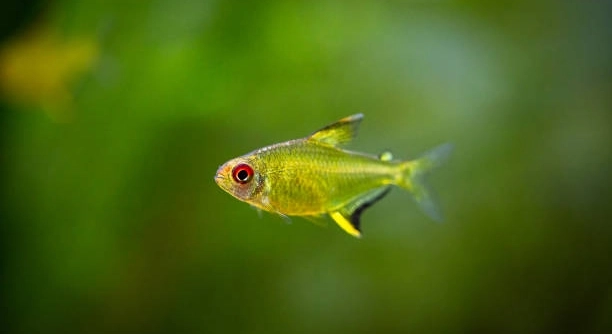
Are your lemon tetras showing signs of extra attention toward one another in your aquarium? Many hobbyists notice subtle behaviors that suggest these small fish may be forming a bond beyond simple schooling patterns.
Lemon tetras often exhibit pairing behavior through synchronized swimming, frequent close proximity, and gentle nudging. They may also display color intensification, shared feeding habits, and mutual territory exploration, indicating the development of a selective social bond within the group.
Observing these patterns can help you understand your tetras’ relationships and better manage their tank environment for their overall well-being.
Recognizing Their Favorite Spot
Lemon tetras often form pairs by spending more time in specific areas of the tank together. These spots may be near plants, decorations, or gentle currents, where they feel secure and comfortable. Watching them gravitate to the same area repeatedly is a clear sign of bonding. Their behavior becomes predictable; they often swim side by side, rest near one another, or circle a chosen corner. This pattern contrasts with the usual scattered schooling behavior seen in larger groups, making their pairing more noticeable. Observing these preferred spots can also help with tank management, ensuring the environment supports their comfort.
Paired tetras may defend this shared spot softly, nudging other fish away without aggression, demonstrating their selective bond and mutual understanding of space.
Providing consistent water conditions and maintaining stable plants or décor in their chosen area encourages continued bonding. Over time, their coordinated swimming and mutual resting behavior become a reliable indicator of a forming pair, allowing for closer observation and care. This behavior also helps monitor their health, as stressed fish often abandon their familiar areas, while paired tetras show attachment and preference for specific spaces.
Synchronized Swimming Patterns
Paired lemon tetras often swim in unison, reflecting their social connection. Their coordination is subtle but consistent.
Synchronized swimming is a key sign of a developing bond. The fish often mirror each other’s movements, adjusting pace and direction almost instantly. This behavior is different from general schooling, which is more reactive to the group’s motion. Observing these synchronized patterns can reveal the strength of their pair bond. They may weave through plants together, glide along the tank edges, or pause in alignment near feeding areas. This coordination indicates trust and comfort, as each fish responds predictably to the other’s presence. Over time, these patterns become more refined, with slight variations in posture, fin display, and speed reflecting individual personalities. Understanding synchronized swimming helps you identify pairs quickly, anticipate their interactions, and provide an environment that supports natural behaviors. It also allows careful monitoring of any changes in health or stress, as disruption in swimming patterns can indicate discomfort or illness, giving you a practical insight into their well-being.
Mutual Feeding Behavior
Paired lemon tetras often eat near each other, sharing the same food source calmly. They may swim together to flakes or pellets, showing comfort and trust in each other’s presence.
This behavior is a reliable indicator of bonding. Unlike random schooling, paired tetras coordinate their approach to food. They may pause while one fish nibbles, allowing the other to eat first, or they take turns exploring a new feeding area. This shared feeding reduces stress and reflects a level of cooperation not seen in solitary or loosely grouped fish. Observing this pattern over several feedings confirms the developing pair bond.
Mutual feeding also helps establish hierarchy subtly, as the fish learn each other’s pace and preferences. Over time, this interaction strengthens their connection. Paired tetras become predictable in their feeding habits, often sticking close to one another throughout mealtime. This behavior provides insight into their comfort level, social dynamics, and overall tank harmony, making it easier to manage group interactions and maintain balanced tank conditions.
Color Intensification
Paired lemon tetras often show brighter colors when near each other, a sign of attraction and bonding. Their hues become more vivid, signaling health and confidence.
Color intensification is a natural response to social and environmental factors. When tetras form a pair, their bodies display stronger yellow tones, and fins may appear more defined. This change is most noticeable during periods of interaction, like swimming side by side or resting close together. It demonstrates that the pair is comfortable and thriving. Stress, poor water quality, or lack of bonding can dull colors, so vibrant shades indicate both social and physical well-being.
Over time, these color changes become a consistent signal. Observing the tetras throughout the day allows for tracking the strength of their pair bond. Brighter colors also serve as non-verbal communication between the two fish, reinforcing their connection. This visual cue helps differentiate paired individuals from the rest of the group and provides a simple way to monitor social health in the aquarium. Regular maintenance of water quality and feeding routines supports these natural color displays.
Gentle Nudging
Paired lemon tetras often nudge each other softly while swimming or resting. This behavior shows comfort and mutual recognition without aggression.
Nudging helps maintain closeness and reinforces their bond. The fish may tap fins or lightly brush sides, signaling trust and social connection within the pair.
Shared Resting Spots
Paired tetras often rest together in quiet areas of the tank. They may linger near plants, decorations, or shaded corners, showing preference for proximity and safety.
Mutual Territory Exploration
Paired lemon tetras explore their environment together, moving through new areas at the same pace. They rarely venture separately, signaling coordination and mutual awareness.
Subtle Fin Displays
When together, paired tetras may slightly flare or angle fins toward one another. This subtle display communicates comfort, recognition, and social engagement.
How can I tell if my lemon tetras are forming a pair?
Pairs often spend more time together than with the rest of the school. They swim side by side, rest near each other, and explore the tank as a unit. Look for synchronized movements, gentle nudging, and shared feeding habits. These behaviors indicate a bond beyond simple schooling.
Do paired lemon tetras fight with each other?
Generally, paired tetras are calm toward one another. Minor nudges or fin displays are typical and are not aggressive. Conflicts are rare unless stressed by overcrowding or poor water conditions. Their bond encourages cooperation rather than competition, which can help maintain harmony in the tank.
Will pairing affect their health?
Forming a pair can improve well-being. Bonded tetras often experience reduced stress, eat more efficiently, and show stronger colors. Observing their paired behavior allows you to monitor health more effectively. Stress or illness usually interrupts pairing patterns, making it easier to notice problems early.
Should I separate paired tetras from the group?
It is usually unnecessary. They do well within a larger school as long as tank space and hiding spots are adequate. Separation can increase stress, so maintaining the pair within a supportive environment is recommended. Their interactions with the group remain healthy if the tank is properly set up.
Do paired tetras reproduce more easily?
While pairing can encourage reproductive behavior, not all pairs will spawn. Healthy, bonded fish are more likely to show courtship behavior, such as color intensification and synchronized swimming. Proper water conditions and diet play a larger role in successful breeding than pairing alone.
Can pairs form in any tank size?
Pairs are more noticeable in medium to large tanks. Small tanks can limit movement and increase stress, sometimes masking pairing behaviors. A well-planted tank with open swimming areas allows pairs to express natural behaviors, including synchronized swimming and shared resting spots.
What if my tetras don’t form pairs?
Not all tetras form strong pairs, and that is normal. Some prefer general schooling without selective bonding. Ensuring a stable environment, consistent feeding, and proper group size supports healthy social behavior, whether or not pairs form. Observation over time helps distinguish normal variation from potential stress issues.
Do environmental changes affect pairing?
Yes, water quality, temperature fluctuations, and changes in tank layout can disrupt bonding. Paired tetras may separate temporarily or hide. Maintaining stable conditions allows the pair to resume normal interaction. Sudden stressors often result in visible changes in swimming and feeding patterns.
Can I encourage pairing behavior?
Providing plants, decorations, and hiding spots supports bonding. Consistent feeding schedules and minimal stress also help pairs form naturally. Forcing interactions is unnecessary; observing natural tendencies is more effective. Supporting a calm and stable environment encourages genuine, lasting bonds.
How long does it take for a pair to form?
Pairing can take days or weeks, depending on individual personalities and group dynamics. Frequent observation helps identify emerging patterns. Patience is key, as forcing interactions or rapid changes in the tank can delay or disrupt natural bonding.
Is color change a reliable sign of pairing?
Yes, paired tetras often display brighter yellow coloration. Color intensification signals comfort, health, and attraction within the pair. Dull colors may indicate stress or illness, so tracking color changes provides insight into both social and physical well-being.
Can other fish interfere with pairing?
Other tank mates may influence pairing behavior if they are aggressive or overcrowding occurs. Peaceful fish allow pairs to maintain proximity and coordination. Proper stocking and compatible species selection ensure that pairing is not disrupted by outside stressors.
Do pairs have long-term bonds?
Pairs can maintain bonds for extended periods if tank conditions are stable and stress is minimized. Some pairs stay together consistently, while others may shift over time depending on social dynamics within the group. Observation helps identify lasting connections versus temporary associations.
How can I document pairing behavior?
Keeping a simple log of swimming patterns, resting locations, and feeding habits helps track pair formation. Note changes in fin displays, color intensity, and nudging interactions. This record aids in understanding tank dynamics and monitoring fish health consistently.
What signs indicate the pair is stressed?
Separation, frantic swimming, faded colors, or refusal to eat suggest stress. Environmental factors such as poor water quality, temperature changes, or overcrowding are often the cause. Correcting these issues typically restores normal paired behavior.
Does pairing improve tank harmony?
Yes, bonded pairs often integrate smoothly with the rest of the school. Their coordinated movements and calm interactions contribute to a balanced social structure, reducing conflicts and promoting peaceful coexistence within the tank.
Are there differences between male and female pairing behaviors?
Males may display more vibrant colors or gentle chasing, while females show coordinated swimming and mutual resting preferences. Observing these subtle differences helps identify the pair’s dynamics and provides insight into their natural social interactions.
Can pairing be observed in newly added tetras?
New fish may take time to integrate and form pairs. Introducing them gradually into a stable tank with adequate hiding spots increases the likelihood of natural bonding. Patience and monitoring are essential during this adjustment period.
Do water conditions affect pairing consistency?
Stable temperature, pH, and filtration are crucial. Fluctuations can temporarily disrupt behavior, causing pairs to separate or hide. Maintaining consistent water parameters supports both the health and social interactions of lemon tetras, allowing bonds to strengthen naturally.
How do I balance multiple pairs in one tank?
Ensure sufficient space, hiding spots, and feeding areas. Each pair requires room to swim and rest together without interference. Monitoring interactions helps prevent stress or territorial disputes. Proper tank management allows multiple pairs to coexist peacefully.
Can pairing behavior indicate readiness for breeding?
Paired tetras may exhibit courtship behaviors, such as swimming closely, color intensification, and mutual nudging, which can precede spawning. While not guaranteed, these behaviors signal comfort and compatibility, making successful breeding more likely under optimal conditions.
What role does observation play in understanding pairs?
Regularly watching tank behavior helps identify bonds, stress signs, and social dynamics. Noting patterns in swimming, feeding, and resting provides insight into pair strength and overall health, allowing for informed care decisions.
Can tank size influence pair formation?
Yes, a spacious tank with adequate plants and open swimming areas promotes natural pairing behaviors. Limited space can suppress bonding, making observation more difficult and potentially increasing stress. Proper environment design supports healthy social interactions and reduces conflict.
How do I maintain pair bonds over time?
Consistency in feeding, water quality, and tank layout reinforces established bonds. Minimizing stressors and avoiding abrupt changes helps pairs maintain coordinated swimming, resting, and feeding patterns. Continued observation ensures the bond remains strong and the fish remain healthy.
Are there any risks to strong pairing?
Strong pairs are generally healthy, but they may occasionally dominate shared spaces or food. Monitoring interactions ensures other fish are not stressed. Maintaining balance in the tank allows the pair to thrive without negatively impacting the group.
Do tetras ever switch partners?
Occasionally, social dynamics or stress may cause a fish to bond with a different partner. This is natural and not necessarily harmful. Observing these changes provides insight into group behavior and individual preferences, allowing adjustments to tank management if needed.
Can pairing behavior indicate overall tank health?
Yes, consistent bonding and natural interactions reflect good water quality, appropriate stocking, and a stable environment. Sudden changes in pairing behavior can serve as early indicators of stress, illness, or environmental issues requiring attention.
How long should I monitor before confirming a pair?
Several weeks of consistent observation are usually sufficient. Documenting swimming, feeding, and resting habits helps confirm a genuine bond. Patience and careful tracking are essential to distinguish temporary interactions from established pairing behavior.
Do paired tetras interact differently with other fish?
They often remain close to each other while interacting with the group, showing coordinated movements and shared attention. This behavior demonstrates their selective bond and helps maintain social harmony, reducing conflicts and stress within the tank.
What signs show a pair is comfortable in the tank?
Comfortable pairs swim together calmly, share resting spots, display bright colors, feed without interruption, and engage in gentle nudging. These behaviors indicate trust, health, and a stable social connection within the aquarium.
How does diet affect pairing behavior?
Consistent feeding with high-quality flakes or pellets supports energy levels, vibrant colors, and coordinated swimming. Malnutrition or irregular feeding can disrupt behavior, reducing synchronized swimming and mutual feeding interactions, which are key indicators of bonding.
Can lighting influence pair formation?
Moderate lighting that mimics natural conditions encourages regular activity, clear color display, and visible interactions. Harsh or inconsistent lighting may stress tetras, reducing bonding and altering resting or swimming patterns. Optimal lighting supports both social behavior and overall well-being.
Are there behavioral differences between young and mature pairs?
Mature pairs often display more synchronized swimming, mutual feeding, and subtle fin displays. Younger tetras may explore more independently, forming bonds more gradually. Observing age-related differences helps interpret social interactions and anticipate behavioral changes over time.
How do plants and decorations impact pairing?
Dense plants and hiding spots provide security, encouraging pairs to explore together and rest in proximity. Open swimming areas allow synchronized movement. Proper tank design supports natural behavior, enhances bonding, and reduces stress from potential intrusions by other fish.
Is observation more important than intervention?
Yes, observing natural behaviors helps identify genuine pairing without causing stress. Intervening unnecessarily can disrupt bonds or create tension. Patience and careful monitoring allow pairs to form and maintain stable social connections in their environment.
Can water flow affect pairs?
Gentle water currents encourage swimming coordination and allow pairs to stay together comfortably. Strong currents may separate them or create stress, while stagnant water can limit activity. Balanced flow supports both natural behavior and tank health.
Do paired tetras require special care compared to others?
They do not need special treatment but benefit from stable conditions, consistent feeding, and adequate space. Supporting their bond enhances well-being and allows their natural behaviors to flourish alongside the rest of the school.
What is the best way to track pair formation over time?
Regular observation, noting swimming patterns, feeding habits, and resting locations, provides a reliable record. Documenting color intensity and nudging interactions helps identify bond strength and maintain awareness of tank dynamics and fish health.
Can pairs survive in mixed-species tanks?
Yes, as long as other species are peaceful and tank conditions are appropriate. The pair can maintain bonding while interacting safely with compatible tank mates. Monitoring behavior ensures no stress or interference occurs.
Do water temperature fluctuations impact pairing?
Yes, sudden changes can cause temporary separation or hiding. Maintaining stable temperatures supports synchronized swimming, mutual feeding, and overall comfort, allowing pairs to maintain their bond naturally.
How can I encourage long-term bonding?
Provide a stable environment, consistent diet, sufficient space, and hiding spots. Minimize stress, observe behavior regularly, and avoid abrupt changes in tank conditions. Long-term care ensures pairs remain healthy, vibrant, and socially connected over time.
Are there subtle signs that a pair is forming?
Yes, small gestures like gentle nudging, synchronized swimming, shared resting spots, and coordinated feeding gradually appear. Recognizing these early signs helps track pair formation and ensures their comfort and well-being within the tank.
Can pairing indicate readiness for breeding?
While not guaranteed, bonded pairs are more likely to exhibit courtship behaviors like color intensification, synchronized swimming, and mutual nudging, which can precede spawning under optimal conditions.
Do all lemon tetras form pairs?
No, some prefer general schooling without selective bonding. This variation is normal and does not indicate poor health. Stable conditions and adequate group size support healthy social behavior, whether or not pairs form naturally.
How do I prevent stress from interfering with pairing?
Maintain stable water quality, proper tank size, consistent feeding, and peaceful tank mates. Avoid sudden changes in layout or temperature, which can disrupt bonding and social behavior. Stress reduction allows natural pairs to thrive.
What long-term benefits come from observing pairs?
Observation helps monitor health, track social interactions, and identify stress or environmental issues. Understanding pair behavior improves tank management, supports harmonious schooling, and promotes the overall well-being of lemon tetras over time.
How do I know if pairing behavior is normal or problematic?
Normal pairing includes synchronized swimming, mutual feeding, nudging, resting together, and color intensification. Signs of problems include constant separation, aggression, faded colors, or refusal to eat, which indicate stress or environmental issues requiring attention.
Can pairing be influenced by tank decorations?
Yes, strategic placement of plants and hiding spots encourages bonding. Open swimming areas allow coordination, while secure resting spaces provide comfort. Thoughtful tank design enhances natural pairing behaviors and reduces stress in the group.
Is patience essential when observing pair formation?
Absolutely. Bonds form gradually, and consistent observation over weeks is needed to confirm a genuine pair. Rushing the process or forcing interactions can disrupt natural behavior and increase stress, making patience critical for accurate understanding.
How do I support multiple pairs in one aquarium?
Ensure ample space, plants, and hiding areas. Monitor interactions to prevent territorial disputes. Balanced tank management allows multiple pairs to coexist comfortably, maintain synchronized behaviors, and thrive without stress.
Can water chemistry affect bonding?
Stable pH, temperature, and cleanliness support bonding. Fluctuations may disrupt behavior, cause stress, or temporarily separate pairs. Maintaining proper water chemistry ensures comfort, natural behavior, and long-term pair stability.
Are there observable signs when a pair is well-established?
Yes, consistent proximity, synchronized swimming, mutual feeding, shared resting spots, gentle nudging, and bright color display indicate a strong, well-established bond that contributes to overall tank harmony and fish well-being.
Do paired tetras interact differently with new tank mates?
They may remain close while cautiously observing newcomers. Gentle nudging and synchronized swimming continue between the pair, showing bond stability, while interactions with new fish are measured and non-aggressive.
Can environmental enrichment enhance pairing?
Yes, adding plants, decorations, and varied terrain encourages exploration together, supports natural behaviors, and strengthens bonds. Enrichment provides comfort, reduces stress, and allows pairs to exhibit coordinated swimming, feeding, and resting habits naturally.
Is it normal for pairs to change partners occasionally?
Occasional changes can occur due to social dynamics or stress. This is not harmful and reflects natural behavior. Observing these shifts helps understand group dynamics and allows adjustments to maintain tank harmony.
How important is regular observation for maintaining pair health?
Critical. Monitoring behavior, swimming patterns, color intensity, and feeding habits ensures the pair remains healthy. Early detection of stress, illness, or environmental issues allows prompt intervention and supports long-term well-being.
Can I encourage pairing through diet or feeding routines?
Providing consistent, high-quality food supports energy, color, and coordination. Regular feeding schedules reduce competition and stress, allowing pairs to focus on interaction, synchronized swimming, and mutual feeding behaviors that strengthen their bond.
Do paired tetras need different tank care than the rest of the school?
No special care is required beyond general good husbandry. Supporting water stability, providing space, and minimizing stress benefits both paired and unpaired fish equally, allowing all individuals to thrive naturally.
Can tank size and layout impact pair stability?
Yes, sufficient space and proper layout encourage natural behaviors. Dense planting and open swimming areas allow coordinated movement, mutual resting, and exploration, supporting a stable and lasting pair bond within the school.
Do pairs always stay together long-term?
Many do, but social dynamics, tank changes, or stress may cause separation. Consistent observation helps track bond strength and allows management to maintain stable, healthy interactions within the aquarium.
Is it normal for pairs to occasionally separate?
Yes, temporary separation can occur due to feeding, exploring, or environmental stress. These short intervals do not necessarily indicate weakened bonds and often resolve naturally when conditions stabilize.
Can I tell the difference between a pair and general schooling?
Pairs show consistent proximity, synchronized swimming, mutual feeding, nudging, and shared resting spots. Schooling is more reactive, with scattered swimming and less coordinated interactions, lacking the focused, selective behaviors seen in bonded pairs.
How does observing pairs help with tank management?
It provides insight into social dynamics, health, stress levels, and environmental needs. Understanding behavior helps adjust feeding, décor, and tank conditions, ensuring a harmonious and thriving aquarium for all fish.
Can pairing behavior indicate stress in other fish?
Yes, if pairs are consistently dominant or exclude others, it may cause stress. Observing how the pair interacts with the group highlights potential issues, allowing adjustments to tank conditions or stocking levels to maintain harmony.
Do pairs always show synchronized feeding?
Most paired tetras coordinate eating, taking turns or approaching food together. This behavior reinforces their bond and provides a reliable indicator of comfort and trust between the two fish.
Can I use pairing behavior to monitor tank health?
Yes, consistent bonding, synchronized swimming, shared resting, and mutual feeding indicate stable water conditions and overall tank health. Disruptions in these behaviors often signal environmental issues requiring attention.
Are there visual cues besides color that indicate pairing?
Yes, fin orientation, gentle nudging, close swimming, and resting proximity are key indicators. These subtle behaviors, combined with synchronized movement, confirm the presence of a bonded pair.
How do I maintain multiple pairs without conflict?
Provide ample space, hiding spots, and consistent feeding areas. Monitor interactions and adjust stocking levels as needed. Proper management allows pairs to coexist peacefully and reduces stress across the tank.
Can pairing behavior change with tank additions?
Yes, introducing new fish, decorations, or altering water conditions may temporarily disrupt bonds. Patience and monitoring are needed for the pair to resume normal behaviors and reestablish stability.
Do paired tetras need extra attention during breeding attempts?
They benefit from stable water, quality food, and minimal stress. Observing synchronized behaviors and color intensification helps identify readiness. Avoid unnecessary interference to support natural courtship and bonding processes.
How can I tell if a pair is comfortable long-term?
Consistent side-by-side swimming, mutual feeding, shared resting areas, gentle nudging, and bright coloration indicate a stable, comfortable, and healthy pair within the aquarium.
Are there risks if one pair dominates the tank?
Dominance can cause stress for other fish. Ensuring adequate space, hiding spots, and feeding areas allows all fish to thrive while supporting natural pair bonding without creating tension.
Does lighting influence long-term pairing behavior?
Yes, moderate, consistent lighting supports natural activity, visible color display, and coordination. Harsh or fluctuating light can stress fish, disrupt bonding, or alter resting patterns, affecting pair stability.
Can I encourage natural bonding without intervention?
Yes, providing stable conditions, consistent feeding, appropriate tank layout, and minimal stress encourages natural pair formation. Observation is the key to supporting long-term social bonds without interference.
How do I know if a bond is forming early?
Observing lemon tetras in your aquarium can be rewarding, especially when you notice a pair beginning to form. Their behaviors, from synchronized swimming to shared resting spots, reflect a natural social connection that contributes to the overall harmony of the tank. Paying attention to these patterns allows you to better understand their needs and preferences. Each fish has its own personality, and pairs often develop through repeated interactions that show trust and comfort. By observing carefully, you can distinguish genuine bonding from casual schooling behavior, which helps in managing the tank environment effectively. Recognizing these signs also provides insight into their well-being. When a pair is forming, you may notice brighter colors, calm swimming patterns, and coordinated feeding. These indicators are not only fascinating to watch but also signal that your fish are healthy and adapting well to their surroundings. The bond that develops between two lemon tetras can be subtle, yet consistent, and maintaining an environment that supports these behaviors ensures they remain comfortable and active.
Supporting the pair in their daily routine is an important part of keeping a balanced aquarium. Providing adequate space, plants, decorations, and hiding spots encourages natural behaviors such as synchronized swimming, gentle nudging, and mutual feeding. Maintaining stable water conditions, consistent feeding schedules, and appropriate tank mates reduces stress, which helps the pair thrive over time. When the tank environment is stable, you are more likely to see the pair consistently interact in ways that reflect bonding. Regular observation allows you to notice changes in behavior, color intensity, or swimming patterns, which can serve as early indicators of stress or health issues. Adjusting tank conditions gradually, rather than making sudden changes, helps the pair continue their natural interactions without disruption. Supporting their comfort in this way ensures the pair remains a positive influence on the rest of the group, promoting a peaceful social structure. Over time, you will likely see the pair develop predictable patterns, including shared favorite spots, coordinated feeding, and synchronized exploration of the tank.
Understanding lemon tetra pairing behavior also enhances your ability to care for the entire aquarium community. Observing and documenting their interactions helps you identify patterns that can inform future decisions, such as tank layout, feeding routines, and group dynamics. The formation of a pair often reflects the overall health of the tank and the stability of social interactions among fish. By fostering a calm, supportive environment, you are promoting behaviors that benefit both the pair and the wider school. These bonds may strengthen over weeks or months, and the more consistent your care, the more natural the interactions will appear. Paying attention to these small, daily details improves not only the pair’s well-being but also the enjoyment of watching your aquarium. The subtle signs of bonding, from color changes to gentle nudges and synchronized swimming, are indicators of a thriving, healthy aquatic environment. Ultimately, maintaining stable conditions, observing behavior carefully, and supporting natural interactions ensures that lemon tetras can form and maintain pairs successfully, contributing to a balanced and harmonious aquarium ecosystem.

Hello,
If you enjoy the content that we create, please consider saying a "Thank You!" by leaving a tip.
Every little bit helps us continue crafting quality advice that supports the health, happiness, and well-being of pets around the world, for pets of all shapes, sizes, and species.
We really appreciate the kindness and support that you show us!