
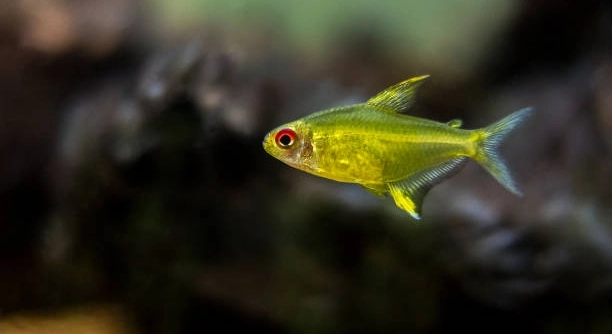
Lemon tetras are small, bright fish that brighten up any freshwater aquarium. Many new fish owners find themselves unsure about how to care for them properly and often rely on common advice from other hobbyists.
Despite popular belief, lemon tetras are hardy and easy to care for. Misconceptions about their fragility, diet, tank size, or schooling behavior are often exaggerated, and scientific observations show they adapt well to standard community aquarium conditions with proper maintenance.
Understanding the truth about these small fish can make a big difference in your aquarium setup and their overall health. Learning the facts will help you enjoy them more fully.
Lemon Tetras Are Fragile Fish
Many people think lemon tetras are delicate and prone to dying easily, but this is not true. They are small, yes, but they are hardy if kept in proper conditions. A stable tank environment with clean water, a balanced diet, and compatible tank mates keeps them healthy. Stress from sudden changes, poor water quality, or aggressive fish is what usually harms them. These fish are naturally adaptable and can live several years with consistent care. Observing their behavior and maintaining a routine of feeding and water checks reduces unnecessary risk. They thrive in groups, so having several together lowers stress and encourages natural activity. Proper lighting, moderate flow, and some plants give them comfort and make their colors shine. Even beginners can maintain lemon tetras successfully if they focus on these key basics and avoid common misconceptions about fragility and overprotection.
Lemon tetras are not fragile if provided with consistent care, proper water conditions, and compatible tank mates.
Once you see them schooling confidently in a well-kept tank, it’s clear that their supposed fragility is exaggerated. They respond quickly to healthy environments.
Lemon Tetras Only Eat Flakes
Some believe lemon tetras will only eat flake food, but they can have a varied diet. Flakes are convenient, yet adding frozen or live foods improves their health and enhances color. Regularly rotating food types ensures balanced nutrition.
Lemon tetras benefit from small live or frozen foods like daphnia, brine shrimp, or bloodworms. These provide essential proteins and stimulate natural hunting behavior. Incorporating a mix of high-quality flakes, micro pellets, and occasional treats supports growth, immune function, and overall vitality. Feeding small amounts multiple times a day works best, preventing overfeeding and maintaining water quality. Observing their eating habits helps gauge health; active, eager fish usually indicate proper nutrition. Even occasional vegetable matter, like finely chopped spinach or spirulina flakes, can supplement vitamins and minerals. By combining variety and moderation, their diet supports vibrant color, energetic movement, and long-term well-being. Flake-only diets are limiting, so thoughtful feeding choices make a real difference in their life span and activity levels.
Lemon Tetras Can Live Alone
Lemon tetras are schooling fish and prefer groups. Keeping a single fish can cause stress and unusual behavior. A small school of at least six is ideal for their comfort and natural activity.
When kept alone, lemon tetras may hide, lose color, or show signs of anxiety. Schooling provides security, encourages swimming in patterns, and reduces stress. In a group, they interact naturally, chase each other gently, and maintain proper social behavior. Observing them in a school reveals their true personality and energy. Without companions, they may appear lethargic or timid, making it seem like they are weaker than they are. Ensuring they have proper tank mates and enough space to swim together is crucial for their mental and physical health. Proper grouping prevents aggression from other fish and allows them to thrive in a balanced aquarium environment, showing their vibrant color and lively behavior.
Providing at least six lemon tetras in a tank ensures natural schooling behavior, reduces stress, and maintains overall health.
Even in community tanks, lemon tetras rely on their group. Too few can make them skittish and easily startled. A consistent group allows them to establish routines, interact socially, and exhibit normal feeding and swimming patterns. Watching a full school swim together is rewarding and confirms their need for companionship. They adjust to surroundings better when they are not isolated. Proper group numbers also help them feel secure when new tank mates are introduced, reducing stress-related health issues. Without this social structure, their behavior may seem abnormal, even if water quality and feeding are perfect. The right number of fish ensures they remain active, vibrant, and stress-free.
Lemon Tetras Need Large Tanks
Lemon tetras are small, but they don’t need huge tanks. A 10-gallon tank is enough for a small school, but more space is better for swimming and community setups.
While they can survive in smaller tanks, lemon tetras thrive with more room to move freely. Larger tanks improve water stability and reduce stress caused by crowding. They enjoy open swimming areas mixed with plants or decorations for hiding. Adequate space prevents dominance issues, allows schooling behavior, and helps them maintain color and energy. Small tanks require strict water maintenance, frequent changes, and careful monitoring of ammonia, nitrate, and nitrite levels. Overcrowding increases aggression, stress, and the likelihood of disease. Proper tank size supports long-term health, encourages natural behavior, and ensures the fish live actively without constant stress. Choosing the right dimensions also helps balance tank mates, filtration, and feeding routines for a harmonious environment.
Lemon Tetras Are Always Aggressive
Lemon tetras are generally peaceful fish. Aggression is rare and usually happens only when they are stressed, overcrowded, or kept with incompatible tank mates. They do well in community tanks with other small, calm species.
Stress, poor water conditions, or sudden changes can trigger temporary aggression. Proper environment and adequate space prevent these behaviors, allowing lemon tetras to interact calmly.
Lemon Tetras Need Constant Light
Lemon tetras do not require constant lighting. A regular day-night cycle is sufficient. Too much light can stress them and promote algae growth.
Providing a consistent schedule of around 8–10 hours of light daily helps regulate their activity. Use a timer to maintain routine, ensuring they have periods of darkness to rest and feel secure. Proper lighting highlights their natural colors without causing stress or behavioral issues. Excess light can lead to restless swimming, hiding, or fading coloration. Balanced light and dark periods keep them healthy, support natural rhythms, and enhance overall well-being in the aquarium environment.
Lemon Tetras Only Swim at the Top
Lemon tetras are mid-level swimmers. They explore the middle and upper sections of the tank, often darting through plants or around decorations.
They rarely stay strictly at the top, preferring open water and shaded areas for security. Their swimming patterns depend on the group and tank layout.
Lemon Tetras Are Expensive
Lemon tetras are affordable compared to many other tropical fish. They are widely available in pet stores and online.
FAQ
How many lemon tetras should I keep together?
Lemon tetras are schooling fish and should be kept in groups of at least six. Smaller numbers can make them stressed and shy, which can affect their health and color. A larger group encourages natural behavior and keeps them confident and active.
What do lemon tetras eat?
They are omnivores and can eat flakes, micro pellets, and small frozen or live foods like brine shrimp or daphnia. Variety in their diet improves health, coloration, and energy. Feeding small amounts multiple times a day works better than one large feeding.
Do lemon tetras need special water conditions?
They are adaptable but thrive in clean, slightly acidic to neutral water with a temperature between 72–79°F. Regular water changes and monitoring for ammonia, nitrite, and nitrate levels are important. Sudden changes in temperature or pH can stress them.
Can lemon tetras live with other fish?
Yes, they are peaceful and do well with other small, calm species like guppies, rasboras, or small tetras. Avoid keeping them with aggressive or much larger fish, as this can lead to bullying or injury.
How long do lemon tetras live?
With proper care, lemon tetras can live 3–5 years. Good water quality, a balanced diet, and a stress-free environment are key to reaching their full lifespan. Regular observation helps catch problems early before they affect health.
Do lemon tetras need plants in the tank?
Plants are not strictly required, but they provide hiding spots and make the fish feel secure. Live or artificial plants help create a natural environment and reduce stress, allowing lemon tetras to display normal schooling and foraging behaviors.
Are lemon tetras difficult to breed?
Breeding lemon tetras requires some effort. They need a separate breeding tank with slightly acidic, soft water. They scatter eggs among fine-leaved plants, and adults may eat their own eggs. Success depends on careful water management and separation of adults after spawning.
Do lemon tetras need a heater?
A heater is recommended for consistent temperatures, especially if the room temperature fluctuates. Maintaining 72–79°F supports activity, metabolism, and immune health. Even slight temperature swings can stress them, making a heater a simple but important tool.
How do I know if my lemon tetras are healthy?
Healthy lemon tetras are active, swim in groups, and show vibrant color. They eat regularly, respond to the environment, and have clear eyes and intact fins. Lethargy, faded colors, or unusual swimming may indicate illness or stress.
Is it necessary to use a filter?
Yes, a filter keeps water clean, provides oxygenation, and reduces maintenance. Gentle flow is best, as strong currents can stress lemon tetras. A well-maintained filter supports a stable environment, keeping ammonia and nitrite levels safe for long-term health.
Can lemon tetras live in small tanks?
They can survive in smaller tanks like 10 gallons, but larger tanks are better for swimming and maintaining stable water conditions. Crowding increases stress and disease risk. A 20-gallon tank or larger is ideal for a small school and other community fish.
Do lemon tetras change color as they age?
Their bright yellow and silver tones may deepen slightly with age, especially in healthy, well-fed fish. Stress, poor water quality, or illness can dull their color, so proper care is essential to maintain vibrancy.
Can lemon tetras jump out of the tank?
Yes, they can jump, especially when startled or in poor water conditions. A secure lid or cover prevents accidental escapes and keeps them safe. Jumping is more common in small, crowded, or unstimulating tanks.
Do lemon tetras need regular health checks?
Observing behavior, swimming patterns, and eating habits daily helps catch early signs of illness. Routine maintenance, water testing, and monitoring for parasites or fin damage prevent minor issues from becoming serious problems.
Are lemon tetras compatible with bettas?
They can sometimes live with calm bettas, but it depends on the betta’s temperament. Aggressive bettas may harass tetras, causing stress. If introducing them together, provide plenty of hiding spaces and monitor interactions closely.
Can lemon tetras survive in unheated rooms?
They may survive if temperatures remain stable and within their preferred range. Sudden drops or prolonged cold can stress them and increase susceptibility to disease. A heater ensures consistent conditions year-round.
Do lemon tetras need supplements or vitamins?
A varied diet typically provides all necessary nutrients. Occasional high-quality supplements can help with color and health, but overuse is unnecessary. Balanced feeding and proper water care are more important for long-term vitality.
Are lemon tetras noisy or disruptive?
No, they are quiet and do not disturb the tank environment. They are suitable for community tanks or small living spaces, adding beauty without noise or aggressive behavior.
Can lemon tetras live with shrimp or snails?
Yes, they generally ignore peaceful invertebrates. Small shrimp or snails can coexist safely as long as the tetras have plenty of space and hiding spots to reduce curiosity-based chasing.
Do lemon tetras need daily care?
Daily observation and feeding are enough. Regular water changes, filter maintenance, and weekly checks on water quality are important. Consistent care keeps them active, healthy, and vibrant without requiring excessive effort.
Lemon tetras are small, lively fish that bring color and movement to a home aquarium. They are often misunderstood because of common myths about their care, fragility, and behavior. In reality, they are adaptable and hardy when kept in proper conditions. They thrive in clean water with a stable temperature and a balanced diet, and they enjoy the company of their own kind. Maintaining a small school of at least six lemon tetras allows them to swim naturally, interact socially, and display their true colors. When housed in the right environment, these fish are active, confident, and easy to care for, even for beginners. Understanding their basic needs, such as water quality, diet, tank size, and social structure, is key to keeping them healthy and happy.
Lemon tetras benefit from a varied diet that includes high-quality flakes, micro pellets, and occasional frozen or live foods. This variety ensures proper nutrition, supports growth, and helps maintain vibrant coloration. Feeding small amounts multiple times a day is better than giving one large meal, as it prevents overfeeding and keeps water clean. While they are often thought to be fragile, stress is usually the main cause of health problems. Stress can come from poor water quality, sudden changes in temperature, or incompatible tank mates. By keeping a stable environment and observing their behavior regularly, problems can be avoided before they become serious. Additionally, including plants, hiding spots, and open swimming areas allows lemon tetras to feel secure while encouraging natural behavior. These elements contribute to their overall wellbeing and make the aquarium more interesting to watch.
They do not require large or complicated setups to thrive, but proper tank size and equipment make care easier. A tank with at least ten gallons is sufficient for a small school, but larger tanks provide more swimming space, reduce stress, and help maintain stable water conditions. Filters and heaters ensure the environment remains consistent, while regular water changes keep the tank clean. Lemon tetras are peaceful, making them suitable for community tanks with other small, calm fish. They are relatively inexpensive and widely available, making them accessible to new fish owners. Observing them in a well-maintained tank is rewarding, as their schooling behavior and bright colors are engaging. Overall, lemon tetras are resilient, social, and beautiful fish that can be enjoyed without unnecessary worry if their basic needs are met. With proper care and attention, they provide long-lasting enjoyment and a lively presence in any freshwater aquarium.

Hello,
If you enjoy the content that we create, please consider saying a "Thank You!" by leaving a tip.
Every little bit helps us continue crafting quality advice that supports the health, happiness, and well-being of pets around the world, for pets of all shapes, sizes, and species.
We really appreciate the kindness and support that you show us!