
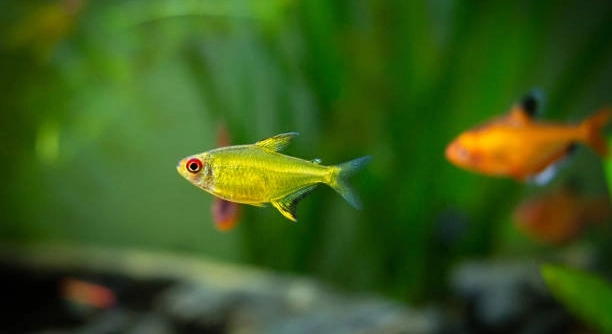
Do you ever notice your lemon tetra swimming differently when you approach the tank? Many fish owners find themselves observing subtle changes in behavior that seem linked to their presence. These tiny fish are surprisingly responsive.
Lemon tetras can sense nearby movement and vibrations, responding to human presence through their lateral line system. This sensory system detects changes in water pressure, allowing them to recognize disturbances without needing direct sight or touch.
Learning how lemon tetras react to you can improve your tank interactions. Observing these responses helps ensure a calmer and healthier environment for your fish.
How Lemon Tetras Detect Movement
Lemon tetras have a lateral line system that runs along their sides. This system helps them detect vibrations and changes in water pressure. When you move near the tank, the water subtly shifts, and the fish notice. They may pause, swim closer to the surface, or hide behind plants. Over time, they can learn to associate your presence with feeding times. I noticed my tetras become more active when I approach with food, and they often gather near the front of the tank. Even small hand movements can trigger reactions, showing how sensitive these fish are. Their vision also plays a role. While they don’t recognize faces, they can see shapes and motion. Light changes from your movement can catch their attention. Observing these responses can be both fascinating and helpful for maintaining a calm tank. The lateral line system ensures they stay aware of potential changes in their environment.
Their reactions are usually quick, often lasting just a few seconds. Watching carefully shows subtle signals.
Understanding their detection methods can make feeding and cleaning less stressful. Being gentle near the tank encourages a healthy, less anxious group of tetras. Consistent interactions help them recognize safe movements, reducing sudden darting or hiding. I found that moving slowly and talking softly while near the tank keeps them calm. Over time, they even seem to anticipate my actions without getting startled. Providing stable lighting and limiting abrupt changes supports their sensory system. Even the placement of decorations can influence how they sense movement. Open spaces let them respond more freely, while dense plant clusters offer hiding spots. Their awareness also helps with schooling behavior, keeping them coordinated. Paying attention to these cues improves both their environment and your experience observing them. Small adjustments in routine can lead to a noticeably calmer tank.
Visual and Sensory Cues
Lemon tetras rely on both sight and their lateral line system. Movement near the tank catches their attention immediately.
Lighting, reflections, and water clarity all affect how they perceive your presence. Bright lights can make them more cautious, while gentle, consistent light keeps them comfortable. Shadows from your movement create subtle alerts that the fish notice quickly. Even minor changes in your posture can influence how they swim or group together. Observing these cues allows you to predict behavior, making feeding and tank maintenance smoother. I realized that dimming lights slightly while cleaning keeps them less stressed. Tank decorations also play a role, as solid objects break reflections and give the fish a sense of security. Noticing these visual signals helps you understand when the fish feel safe or threatened. Using both sight and vibration awareness, lemon tetras maintain alertness in their environment, adjusting their swimming patterns naturally without needing direct interaction.
Signs Your Lemon Tetra Notices You
Lemon tetras often swim closer to the glass when someone approaches. They may pause mid-swim or tilt their bodies to observe movement. Quick flicks of their fins or sudden darting can indicate awareness. These reactions are subtle but consistent with human presence.
Over time, I noticed my tetras begin to respond before I even reach the tank. They gather near the front, anticipating feeding or activity. Sometimes they form small groups and follow each other closely, which shows heightened alertness. Their movements are quick but controlled, suggesting they are aware without feeling threatened. Watching these patterns helps me time feedings and maintenance more effectively. Adjusting my approach reduces stress for them, allowing calmer interaction. These signals are reliable indicators that the fish sense activity nearby.
Even when the tank is quiet, they remain aware of vibrations from footsteps or hand movements. I often test small motions to see their reaction, noting how sensitive they are to subtle changes. Their lateral line system reacts to tiny shifts in water pressure, while their vision catches even minor shadows. By observing both, I can gauge comfort levels and adjust routines. Consistent observation improves both my handling and their overall behavior, helping them stay healthy and active. Understanding these cues is key for maintaining a peaceful aquarium environment.
Interaction and Routine
Regular, calm interaction encourages tetras to feel comfortable around humans. Consistency in movements reduces startle responses and promotes trust.
I found that feeding at roughly the same times daily helped my tetras recognize patterns. They swim closer, waiting without panic, which shows they feel secure. Cleaning the tank in small, gentle motions prevents sudden stress. Even moving slowly while checking water conditions matters. Their alertness decreases when they know what to expect, and they exhibit more natural swimming and schooling behaviors. By respecting their sensory cues, I improved their overall well-being. Small routines and careful observation build a predictable environment that the fish respond to positively. They become more interactive while maintaining calm.
Responses to Sudden Movements
Lemon tetras often dart or hide when they sense abrupt movements near the tank. Even small gestures, like leaning over the tank quickly, can trigger a defensive response. Their reactions are immediate, showing how finely tuned their senses are.
After noticing sudden movements, I adjusted my approach. Slowly reaching into the tank or moving around it carefully prevents startling them. Over time, they became less reactive and more confident. This careful adjustment allows me to interact without causing unnecessary stress, helping them maintain natural behavior patterns.
Feeding Behavior and Awareness
When I approach the tank with food, my lemon tetras show a clear change in behavior. They gather near the surface and follow my movements closely, signaling recognition of routine. Their responses are consistent, and they quickly learn to associate human presence with feeding times. Observing their reactions helps me time feedings accurately and ensures the entire group gets attention. I also noticed they adjust their swimming patterns depending on how I move, showing both awareness and anticipation. Repeated, gentle interactions reinforce trust, and the fish become calmer over time.
Environmental Factors
Lighting, tank decorations, and water clarity influence how lemon tetras sense nearby presence. Properly arranged elements help them respond comfortably and naturally.
FAQ
Can lemon tetras recognize individual people?
Lemon tetras do not recognize humans individually like pets such as dogs or cats. They react mainly to movement, vibrations, and light changes. Over time, they can learn routines, such as feeding times, and associate your approach with food, but they do not identify unique features. I noticed my tetras swim to the front of the tank when I approach with food, regardless of who it is. Their behavior is guided more by consistent cues than personal recognition. This means any household member following the same routine can trigger similar reactions from them.
Do lemon tetras get stressed when you approach too quickly?
Yes, lemon tetras are sensitive to sudden movements. Quick gestures, tapping, or leaning abruptly over the tank can make them dart or hide behind plants. I learned to move slowly and calmly around my tank to prevent unnecessary stress. Gentle, predictable actions allow them to maintain normal swimming patterns. Over time, consistent care reduces their startle responses, making feeding and maintenance smoother for both the fish and myself. Sudden disruptions can spike their heart rate and make them less active temporarily, so it’s best to stay slow and steady.
Can they sense vibrations outside the tank?
Lemon tetras have a lateral line system that detects water vibrations. This means even movements near the tank, like footsteps or hand gestures, can alert them. I noticed that tapping near the glass or walking heavily across the room causes my tetras to shift positions. This sensitivity helps them respond to changes in their environment. Strong vibrations may stress them, while subtle movements often just catch their attention. Understanding this system helps me control my interactions to keep the tank calm. Their reactions are usually quick but brief, returning to normal swimming within seconds.
Why do they sometimes follow my hand near the tank?
Following behavior is usually linked to feeding or curiosity. When I approach with food, my tetras swim toward my hand, expecting a treat. They also track slow movements out of curiosity, sensing pressure changes in the water. This behavior is more about routine and environmental awareness than affection. Repeated positive interactions reinforce this response, and the fish gradually anticipate my presence without panic. It’s a clear sign they have learned to associate human movement with something beneficial.
Do they notice reflections in the glass?
Yes, lemon tetras can react to reflections. I’ve seen them swim toward or away from their own reflection depending on lighting and water clarity. Bright light enhances reflections, sometimes confusing them, while dim or soft lighting reduces this effect. Tank placement and angle can influence their reactions. Being aware of reflections helps me manage their stress levels. Reflections may mimic movement, triggering alert responses even if no one is near. Adjusting lights and limiting sudden changes helps maintain a stable environment, allowing my tetras to focus on natural behavior rather than phantom disturbances.
Is it harmful if they are always aware of me?
Constant awareness itself is not harmful if the environment is stable. I observed that my tetras remain alert but calm when movements are predictable. Stress occurs only if sudden or frequent disturbances happen. Maintaining routine feeding, consistent light cycles, and gentle handling minimizes potential stress. It’s important to give them areas to hide and enough open space for normal swimming. Being mindful of their sensory cues ensures awareness does not turn into anxiety. Gradual exposure to human presence builds comfort, allowing them to coexist peacefully with daily tank activities.
How can I encourage calm responses?
Slow, consistent actions work best. I feed my tetras at similar times each day and move gently around the tank. Providing plants and hiding spots gives them security, and keeping lighting consistent reduces sudden changes. Observing their reactions and adjusting movements accordingly allows the fish to remain relaxed. Over time, they anticipate routine actions without panic. Gradual exposure to handling and feeding helps them become more confident, and predictable environments ensure healthy swimming patterns. Calm, deliberate movements teach them that your presence is safe.
Will they react differently if I wear bright or dark clothing?
Clothing color can have minor effects on reactions, especially in brightly lit rooms. I noticed that bright colors sometimes trigger more attention, while darker, neutral colors blend into the environment. This does not affect long-term behavior but can influence initial alertness. The lateral line system still dominates their sensory perception, so vibrations and motion remain more significant. Adjusting your approach to be gentle and predictable matters more than clothing. Awareness of visual cues helps me plan feeding and cleaning without startling the tetras, ensuring a calm, comfortable environment.
Do other fish notice when I approach too?
Yes, schooling behavior amplifies awareness. When I move near the tank, my lemon tetras often signal each other, with subtle movements spreading through the group. This coordination keeps them safe and synchronized. Newcomers to the tank may react by hiding or following the established group patterns. Observing this social response has helped me predict behavior and reduce stress. Collective awareness is part of their natural instincts, so maintaining consistent care routines benefits the entire school. Gradual interactions encourage calm coordination and reduce unnecessary flaring or panic among the fish.
Can feeding schedules improve their awareness without stressing them?
Consistent feeding routines help lemon tetras anticipate my presence without causing stress. I feed at roughly the same times daily, which allows them to recognize cues calmly. Over time, they learn that my approach is positive and safe. This reduces startle responses and keeps swimming patterns natural. Repetition and gentle movements reinforce trust, so awareness becomes manageable and beneficial for interaction. Their responses remain controlled, making the tank a calmer, more predictable environment. Stable routines support both behavioral consistency and overall health for my tetras.
Lemon tetras are small, lively fish that respond quickly to their surroundings. Their ability to sense movement, vibrations, and changes in light makes them very aware of anything happening near their tank. I have watched my tetras react to my presence many times, whether it was me moving slowly to feed them or making small adjustments during tank maintenance. They often swim closer to the glass, pause, or shift direction as they respond to subtle cues. Their lateral line system plays a large role in this behavior, detecting changes in water pressure that alert them to movement. Even small vibrations from footsteps or hand movements near the tank can catch their attention. Over time, I learned that consistent, gentle movements help keep them calm and comfortable. Sudden gestures or loud disturbances often startle them, causing darting or hiding, which is a natural protective reaction. By understanding how sensitive lemon tetras are, I was able to adjust my routine and create a calmer environment that supports their natural behavior.
Routine and predictability are very important for lemon tetras. When I approached the tank at roughly the same time each day for feeding, my tetras began to anticipate my presence without becoming stressed. They gathered near the surface and followed my hand slowly, showing recognition of patterns rather than individual people. Observing these behaviors helped me understand their awareness and taught me how to interact with them safely. I also noticed that their reactions depend on lighting, tank setup, and decorations. Bright reflections or sudden shadows can trigger alert behavior, while consistent lighting and carefully placed plants allow them to feel secure. Open swimming areas paired with hiding spots offer them both visibility and safety. Over time, I learned to manage these factors carefully, so my tetras remained alert but calm. Their schooling behavior also amplifies awareness, so when one fish reacts, the rest follow, which is natural and shows how coordinated their responses are. Consistent care routines help them adapt to human presence without stress, making the tank a more comfortable space for everyone.
Understanding lemon tetras’ sensitivity allows for a better tank experience and healthier fish. By paying attention to their behavior and providing a stable environment, I was able to reduce stress and improve their overall well-being. Gentle, predictable movements, stable feeding times, and thoughtful tank arrangements support their natural instincts while minimizing unnecessary startle responses. Observing their reactions also became an enjoyable way to learn more about their behavior and preferences. Over time, I noticed my tetras responding calmly to my presence, swimming naturally, and maintaining regular schooling patterns. Awareness of my actions no longer causes panic but rather guides them toward expected routines. This balance between their natural alertness and a peaceful environment ensures that lemon tetras remain active, healthy, and stress-free. Small adjustments in daily care make a significant difference, helping the fish feel secure while allowing me to interact safely. Creating a calm and predictable tank environment has improved both my experience watching them and their overall quality of life.

Hello,
If you enjoy the content that we create, please consider saying a "Thank You!" by leaving a tip.
Every little bit helps us continue crafting quality advice that supports the health, happiness, and well-being of pets around the world, for pets of all shapes, sizes, and species.
We really appreciate the kindness and support that you show us!