
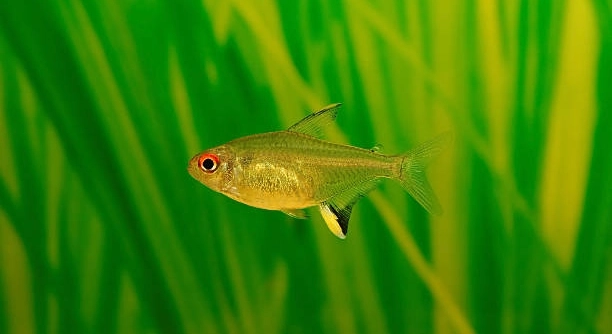
Lemon tetras are small, bright fish that bring life to any aquarium. They are social creatures and often swim in groups, showing their natural behavior. Observing them closely can reveal subtle signs of their well-being and mood.
A lemon tetra may show signs of loneliness through isolation, reduced activity, and lack of interaction with other fish. Ensuring they are kept in groups of at least six can help maintain social behaviors and overall health in the aquarium environment.
Recognizing these patterns early allows you to make adjustments that support your fish’s social needs and ensure a lively, healthy tank.
Signs Your Lemon Tetra Is Feeling Lonely
When a lemon tetra is lonely, the signs can be subtle at first. You might notice it spending more time near the bottom or corners of the tank, away from other fish. Its movements may become slower, and it could stop schooling with others. Color may fade slightly, and it may not react to your presence as it once did. Some tetras may even hide more than usual or remain motionless for longer periods. They naturally enjoy the presence of others, so a lone fish often looks less active. Observing these small changes daily helps identify issues before they affect health. It’s important to compare behavior with other tetras to understand what’s normal in a group. Adjusting the number of fish or tank setup can quickly improve their mood. Attention to these details ensures they remain lively and healthy.
Lonely lemon tetras often avoid the main swimming areas and prefer corners or plants.
Adding at least five or six other tetras usually restores normal behavior. Their interactions, chasing lightly and swimming together, return quickly, and colors brighten. Regular observation helps you notice these changes early. A well-populated tank also reduces stress and makes feeding easier since fish respond more actively when not isolated. Over time, you may see a shy tetra become more confident, moving with the group. Simple additions like hiding spots or gentle plants can also reduce stress and encourage interaction. The goal is a balanced environment where all tetras feel secure, active, and social.
How to Encourage Social Behavior
Adding tank mates slowly helps a lone tetra adjust without stress.
Providing a group of six or more tetras creates a natural school, encouraging interaction. Consistent feeding times and maintaining water quality are also important, as stressed fish are less social. Observing behavior after changes ensures the adjustments are effective.
When a lemon tetra is introduced to a properly sized school, you often notice a rapid change. Fish begin swimming together, colors become more vibrant, and activity levels increase. Interaction isn’t immediate; some tetras take a day or two to integrate fully. Providing plants and gentle currents helps them feel secure as they adjust. Avoid sudden changes, as these can increase stress and undo progress. Feeding routines that allow all fish to eat without competition support social balance. Over time, a previously isolated tetra will spend more time with the group, mimicking natural schooling behavior. Regular observation ensures you can spot any remaining issues and make small adjustments to tank layout or population. Creating this supportive environment fosters a healthy, active, and visually pleasing aquarium for all lemon tetras.
Adjusting Tank Conditions
Small changes in tank setup can help a lonely lemon tetra feel more comfortable. Adding plants, hiding spots, or rearranging decorations gives fish a sense of security. Light levels and gentle water flow also influence their willingness to socialize.
A tank with plenty of cover and plants allows lemon tetras to explore while feeling safe. They often swim near hiding spots when first introduced or if feeling stressed. Adjusting water temperature and keeping it stable is essential, as fluctuating conditions can increase anxiety and reduce social behavior. Observing how fish interact after each adjustment helps you understand what works best. Even simple changes like moving a rock or plant can encourage a more active and engaged fish. Over time, these small adjustments create an environment where tetras feel secure, confident, and ready to join the group.
Water quality directly impacts fish activity and socialization. Poor conditions can make tetras lethargic and withdrawn. Regular water testing, partial water changes, and maintaining proper filtration help create a healthy environment. Stable parameters reduce stress, allowing fish to swim together, interact naturally, and display brighter colors. Paying attention to ammonia, nitrite, and nitrate levels ensures the tank remains safe. Even small lapses in care can discourage social behavior, so consistency is key. Proper maintenance not only supports health but also encourages a lively, cohesive group of lemon tetras that exhibit natural schooling and playful activity throughout the tank.
Feeding Habits and Social Interaction
Feeding routines can influence how lemon tetras interact. Offering food in a predictable pattern encourages them to swim together and remain active. Small, frequent feedings work best for their social behavior.
Structured feeding helps tetras learn to expect meals and gather as a group. Scatter feeding with high-quality flakes or micro-pellets promotes movement and interaction. Avoid overfeeding, as leftover food can harm water quality and reduce activity. Observing which fish are slower or shy during feeding highlights any social stress. You can adjust placement of food or timing to give all fish a chance to eat comfortably. Over time, proper feeding routines strengthen social bonds, encourage schooling, and maintain energy levels. This consistency ensures tetras stay active, healthy, and engaged with each other, which reduces loneliness and supports overall tank harmony.
Monitoring Behavior Changes
Changes in swimming patterns can indicate a lonely lemon tetra. A fish that isolates itself or moves slowly may need more social interaction.
Watch for sudden shifts in activity or color. Consistent observation helps catch early signs of stress or loneliness, allowing timely adjustments to tank conditions or group size.
Interaction With Other Fish
Lemon tetras show social behavior through schooling, chasing lightly, and mirroring movements. Reduced participation in these activities is a clear sign of isolation or discomfort. Monitoring these interactions ensures the group remains cohesive and individual fish stay engaged.
Providing Enrichment
Introducing plants, rocks, or floating decorations encourages exploration and interaction. Enrichment keeps lemon tetras mentally stimulated, reducing stress and promoting social behavior in the tank.
FAQ
How many lemon tetras should I keep together?
Lemon tetras are social fish and should be kept in groups of at least six. Smaller groups may lead to stress and isolation, which affects their health. A proper school encourages natural swimming patterns, interaction, and vibrant colors. Ensuring enough space in the tank is also important so each fish has room to move freely.
What signs show a lemon tetra is lonely?
A lonely lemon tetra may hide frequently, avoid swimming with other fish, or stay near the bottom of the tank. Reduced activity, duller colors, and lack of interest in feeding can also indicate isolation. Observing these behaviors over time helps identify if the fish needs more social interaction or changes to the tank environment.
Can a single lemon tetra survive alone?
Yes, a single lemon tetra can survive, but it may become stressed or inactive. Loneliness can reduce appetite, dull coloration, and increase susceptibility to illness. While survival is possible, their quality of life improves significantly when kept in a group, as they naturally thrive in social environments.
How can I encourage a shy lemon tetra to interact?
Placing the fish in a well-decorated tank with plants or hiding spots helps a shy tetra feel safe. Gradually introducing other tetras and keeping feeding times consistent encourages social behavior. Avoid sudden changes, as they may increase stress. Patience and careful observation are key to helping shy tetras integrate into the group.
Does tank size affect lemon tetra social behavior?
Yes, tank size has a direct impact. A small tank can make fish feel crowded or stressed, while a very large tank without enough group members can leave them isolated. Providing at least 20 gallons for a small school is recommended. Adequate swimming space allows natural schooling and reduces stress-related behaviors.
What role does water quality play in social behavior?
Poor water quality stresses fish and can lead to isolation or lethargy. Regular testing, partial water changes, and proper filtration maintain stable parameters. Clean, stable water encourages active swimming, natural interactions, and healthier coloration. Neglecting water quality often shows quickly in behavior, making social fish less interactive.
Can enrichment improve lemon tetra interactions?
Yes, enrichment encourages exploration and interaction. Plants, rocks, and floating decorations give fish a sense of security and space to swim through. This setup stimulates natural behaviors and reduces stress. Observing how fish use the environment helps adjust placement of decor to maximize comfort and social activity.
How often should I observe my tetras for loneliness signs?
Daily observation is ideal. Watching swimming patterns, feeding behavior, and color changes helps detect early signs of stress or isolation. Regular attention ensures small issues are corrected before they affect health. Even a short daily check provides valuable insight into the overall well-being of the group.
Is color dullness a sign of loneliness?
Dull colors can indicate stress or loneliness, especially if a tetra previously had brighter coloration. It may also signal poor water quality or illness, so it’s important to consider multiple factors. Combining color observation with activity and social behavior gives a clearer picture of their health.
Can rearranging the tank help a lonely tetra?
Yes, subtle changes like moving plants or adding decorations can encourage exploration and interaction. Rearranging gives fish new areas to explore and can reduce dominance or territorial stress. Small, gradual adjustments allow tetras to adapt without adding extra stress, supporting natural social behavior.
How long does it take for a lonely tetra to integrate into a group?
Integration can take a few days to a week, depending on the fish’s personality and tank conditions. Shy or stressed tetras may take longer to join the school fully. Monitoring their progress and maintaining stable water, feeding routines, and enrichment ensures a smooth adjustment period.
Does feeding method impact social behavior?
Yes, feeding scattered small portions encourages movement and group interaction. Overfeeding or concentrating food in one area can cause competition or stress, especially for shy tetras. Consistent feeding times and locations help all fish participate, promoting schooling and healthy social dynamics.
What should I do if a tetra refuses to join the group?
First, check water quality, tank size, and enrichment. Introducing more tetras gradually and providing hiding spots can reduce stress. Sometimes patient observation and small adjustments are needed. If the fish remains isolated after weeks, consulting an aquarium professional may help address underlying health or behavioral issues.
Can lighting affect social behavior?
Lighting that is too bright can stress fish and reduce interaction, while very dim light may make them less active. A moderate, consistent light cycle encourages natural activity patterns. Using plants or decorations to create shaded areas gives fish options to feel secure while engaging socially.
How do I prevent loneliness in the future?
Maintaining a proper group size, stable water conditions, regular feeding routines, and a well-decorated tank reduces the risk of loneliness. Observing fish behavior daily allows early intervention. Preparing the tank with enough space and enrichment before adding new fish ensures a healthy, social environment from the start.
Lemon tetras are naturally social fish that thrive in groups. Keeping just one or two in a tank can lead to loneliness, which affects both their behavior and health. A lonely tetra may become less active, hide more often, and lose some of its vibrant color. These subtle changes are often the first signs that the fish needs more social interaction. Observing your tetras regularly helps you notice these behaviors early. When you spot a fish spending too much time alone or staying at the bottom, it’s usually a sign that it needs more companions or a change in the tank environment. Understanding their social needs is key to maintaining a healthy, active aquarium where every tetra can swim freely and interact naturally with the group.
Creating the right environment goes beyond just adding more fish. The tank should have enough space for swimming, hiding spots, and plants that provide security. A proper tank layout encourages movement and exploration, which helps fish feel more comfortable and reduces stress. Water quality and stability also play a major role in their social behavior. Poor water conditions can make even a normally active tetra lethargic and withdrawn. Consistent maintenance, including partial water changes and monitoring ammonia, nitrite, and nitrate levels, keeps the tank healthy. Temperature stability is also important, as sudden fluctuations can stress fish and affect their willingness to interact with others. By paying attention to these factors, you create a supportive environment that allows lemon tetras to form a cohesive group and exhibit natural schooling behaviors.
Feeding routines and enrichment can also influence social behavior. Providing small, frequent feedings encourages tetras to swim together, interact naturally, and remain active. Scattering food across the tank helps ensure all fish have access and reduces competition, which can otherwise lead to stress or isolation. Adding decorations, plants, and floating elements gives fish areas to explore and hide, which encourages natural behaviors and keeps them engaged. Monitoring your tetras daily, observing their swimming patterns, and adjusting the tank as needed ensures that even shy or stressed fish feel secure. With proper care, attention, and a supportive environment, lemon tetras can remain lively, colorful, and social, making your aquarium a more enjoyable and harmonious space.

Hello,
If you enjoy the content that we create, please consider saying a "Thank You!" by leaving a tip.
Every little bit helps us continue crafting quality advice that supports the health, happiness, and well-being of pets around the world, for pets of all shapes, sizes, and species.
We really appreciate the kindness and support that you show us!