
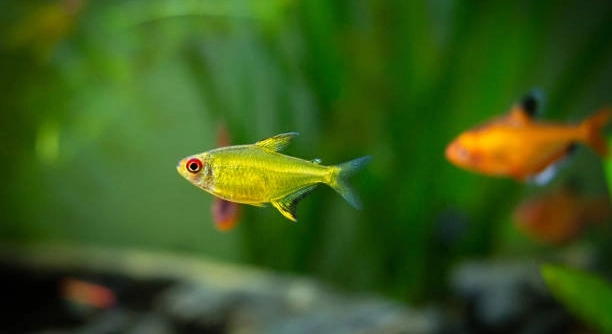
Keeping an arowana alone can sometimes feel worrying for new owners. These fish are intelligent and active, often showing signs of boredom or stress without proper stimulation in their tank environment.
Managing a lonely arowana requires providing environmental enrichment, consistent feeding schedules, and careful monitoring of social interaction cues. Ensuring adequate tank size, hiding spots, and visual stimulation can reduce stress and promote healthy behavior patterns in solitary arowanas.
Implementing small changes can significantly improve your fish’s daily life and overall well-being in the aquarium.
Understanding Your Arowana’s Behavior
Arowanas are naturally solitary fish, and their behavior can sometimes seem confusing. They often swim along the tank walls or hover near the surface for long periods. Observing your fish closely helps identify signs of stress, such as rapid gill movement, loss of appetite, or repetitive swimming patterns. Stress can weaken their immune system, making them more prone to illness, so it’s important to create a stable environment. Providing proper lighting, clean water, and a consistent feeding routine can help them feel secure. Occasionally, adding live or artificial plants allows for exploration and hiding, reducing anxiety. Their personality can vary greatly, with some being more active and others calm, so adjusting the tank setup according to their needs is key. Even small changes, like rearranging decorations or adding gentle water flow, can encourage more natural behavior.
Careful observation of your arowana’s daily habits ensures timely responses to health or environmental issues, maintaining its overall well-being.
Tracking behavior over time helps you notice subtle changes. This makes it easier to adapt care methods and improve the fish’s comfort and happiness in the tank.
Tank Enrichment Techniques
Providing mental and physical stimulation is essential for a lonely arowana.
Introducing decorations, floating objects, or gentle currents can encourage activity. Moving ornaments or plants occasionally keeps their environment interesting. Avoid overcrowding the tank but ensure there is enough space for exploration. Interactive feeding, like using a feeding ring or placing food in different areas, promotes natural hunting instincts and reduces boredom. Light variations and occasional changes in scenery can also simulate a more dynamic environment. Even small additions, like a mirror for short periods, can spark curiosity, though it should never be left long-term to avoid aggression. Keeping water quality high is part of enrichment, as clean water improves their energy and willingness to explore. Regular monitoring ensures that new objects do not stress the fish or cause injury. Tank enrichment helps maintain both physical health and mental stimulation, preventing destructive behaviors and encouraging natural movement patterns.
By observing and adjusting enrichment methods, you can create a healthier, more engaging space. A well-stimulated arowana shows increased activity, improved appetite, and more natural behaviors, contributing to long-term health. Proper planning ensures that all additions suit the fish’s size and temperament. Over time, your adjustments can make the tank a safe, engaging habitat that minimizes stress and boredom. Monitoring reactions closely allows you to rotate or remove elements that may not be suitable. Feeding strategies, such as hiding food in corners or using floating treats, enhance exploration and problem-solving. Visual barriers or plants can provide privacy, reducing agitation. Combining these techniques consistently leads to a balanced environment where the arowana remains active and alert while enjoying a secure, comfortable home.
Feeding Strategies for a Lonely Arowana
Regular feeding times help your arowana feel secure and reduce stress. Varying the diet keeps them interested in food and supports overall health.
Offering a mix of pellets, live, and frozen food ensures balanced nutrition. Feeding in different areas of the tank encourages movement and natural hunting behavior. Occasionally hiding food behind plants or decorations stimulates problem-solving instincts. It’s important to avoid overfeeding, as excess food can pollute the water and cause health issues. Monitoring appetite daily helps you adjust portions and detect potential illness early. Arowanas can be picky, so observing preferences allows you to offer foods they actively seek. Providing a consistent yet varied feeding routine improves both mental and physical health, keeping them active and engaged in their environment.
Tracking the response to different foods helps you fine-tune their diet. This approach reduces boredom and promotes a more natural feeding experience.
Social Interaction Considerations
Even solitary fish can benefit from indirect social interaction through visual stimulation. Mirrors or observing other tanks for short periods can spark curiosity.
Adding a mirror briefly allows the arowana to see its reflection, stimulating natural behaviors like displaying or gentle exploration. Visual access to other fish without direct contact prevents aggression or stress. Avoid leaving mirrors or observing fish constantly, as prolonged exposure can cause frustration. Using transparent barriers between tanks can also provide mental stimulation while maintaining safety. Carefully monitor reactions to ensure the fish does not become anxious or overactive. Some arowanas respond positively to occasional attention from owners, such as gentle movements or hand feeding, creating low-risk interaction. These strategies provide engagement without compromising their solitary nature, keeping the fish active and mentally healthy.
Incorporating short visual interactions enhances daily activity and mental stimulation. Controlled observation prevents stress while promoting natural instincts. Planning the timing, duration, and type of stimulation ensures the arowana remains comfortable and curious, leading to better overall health. Alternating mirrors, tank views, and owner presence keeps the environment dynamic. Monitoring behavior allows you to adjust frequency and prevent negative reactions. This approach balances solitary tendencies with the need for mental engagement, supporting long-term well-being and reducing signs of boredom or lethargy in a careful, manageable way.
Water Quality Maintenance
Consistent water changes are essential for arowanas. Dirty water can cause stress, illness, and unusual behavior. Regularly testing pH, ammonia, and nitrate levels keeps the tank safe.
Filtration should match the tank size, and cleaning filters prevents buildup. Stable temperature and oxygen levels also support overall health, ensuring the fish remains active and comfortable.
Tank Size and Space
Arowanas need ample space to swim freely. Smaller tanks can lead to stress, stunted growth, and aggression. Ensuring the tank is at least 250 liters for a young arowana allows proper movement and exercise. As the fish grows, adjusting the tank size is crucial. A spacious environment reduces boredom and encourages natural swimming patterns. Hiding spots and open areas should balance to give security and freedom. Overcrowding or cluttered layouts can trigger anxiety, while adequate space promotes physical and mental health. Monitoring behavior helps determine if adjustments are needed for optimal comfort.
Lighting and Day-Night Cycle
Providing a consistent light schedule helps regulate the arowana’s natural rhythm. Using timers ensures stability, supporting healthy sleep and activity patterns.
Monitoring Health Signs
Watching for changes in appetite, color, or swimming helps catch early signs of illness. Immediate adjustments to care can prevent serious issues.
FAQ
How often should I feed my arowana?
Feeding frequency depends on the fish’s size and age. Younger arowanas benefit from two to three smaller meals daily, while adults usually do well with one larger feeding. Overfeeding can lead to water quality problems and obesity, so measuring portions carefully is important. Rotating food types like pellets, live, and frozen items keeps the diet balanced and engaging. Monitoring appetite ensures your fish is eating well and allows adjustments if health issues appear. Observing how the fish hunts for food also indicates mental stimulation and energy levels.
Can arowanas live alone without stress?
Yes, arowanas are naturally solitary and can thrive alone if their environment meets their needs. Proper tank size, environmental enrichment, and consistent feeding routines reduce stress. Providing hiding spots, visual stimulation, and occasional interaction helps prevent boredom. Water quality and temperature stability also contribute to comfort. Even without tank mates, a well-maintained habitat encourages normal behavior, such as swimming patterns, feeding instincts, and exploring the tank. Short visual interactions with other fish or mirrors can stimulate curiosity without creating aggression or anxiety.
What signs indicate arowana loneliness?
Signs of stress or loneliness include decreased appetite, erratic swimming, hiding excessively, or rubbing against tank surfaces. Lethargy and color fading may also appear. Regular observation helps identify subtle behavior changes. Adjusting enrichment, feeding techniques, or tank layout often improves mood. Mental stimulation, such as hiding food or rearranging decorations, can encourage natural exploration and reduce signs of stress. Maintaining clean water and stable conditions ensures that health issues are not mistaken for loneliness.
Is it safe to use a mirror for stimulation?
Using a mirror can briefly engage an arowana, but exposure must be limited. Continuous reflection may trigger aggression or stress. Short sessions of a few minutes a few times per week are sufficient. Observe the fish’s reaction and remove the mirror if signs of agitation appear. Mirrors should never replace proper enrichment, space, or interaction with the environment. They are best used as a temporary curiosity tool to encourage movement and mental engagement.
How important is tank size for a single arowana?
Tank size is critical. Small tanks restrict movement, increase stress, and may stunt growth. A young arowana should start in at least a 250-liter tank, expanding as it grows. Open swimming areas and some hiding spaces balance safety and freedom. A larger tank allows the fish to exhibit natural behaviors, maintain proper muscle tone, and reduce aggressive tendencies. Regular observation ensures the fish is comfortable and the space meets its activity needs.
What environmental changes help reduce loneliness?
Rearranging decorations, adding floating plants, or introducing gentle water flow encourages exploration. Varying feeding locations stimulates hunting instincts. Short visual contact with other tanks or occasional brief mirror sessions can also provide engagement. These changes should be gradual to avoid startling the fish. Keeping water quality and lighting consistent supports these adjustments. Mental and physical stimulation combined ensures the arowana remains active, healthy, and stress-free.
How can I prevent boredom in a single arowana?
Providing a varied environment and feeding routine is key. Rotating tank ornaments, offering hiding spots, and using interactive feeding methods help maintain interest. Observing swimming patterns and reactions to changes indicates what works best. Combining physical movement with mental challenges prevents lethargy and encourages natural behaviors. Small, consistent adjustments to the tank layout, light schedule, and enrichment activities keep the arowana engaged long-term.
How do I know if my arowana is healthy?
A healthy arowana swims steadily, has vibrant coloration, and responds actively to feeding. Appetite should remain consistent, and gill movement should be normal. Regular water testing ensures optimal conditions, while monitoring behavior and activity helps catch early signs of illness. Quick responses to changes in appetite, swimming patterns, or appearance support long-term well-being.
Managing a lonely arowana requires careful attention and consistent care. These fish are naturally solitary, so understanding their behavior is essential. Observing how your arowana swims, eats, and reacts to its environment helps you identify any signs of stress or discomfort. Simple actions like keeping water clean, maintaining the right temperature, and providing adequate tank space can make a big difference. A well-maintained tank allows your fish to feel secure and reduces anxiety. By noticing small changes in behavior, you can adjust the environment or feeding routine to support their physical and mental well-being. Even small adjustments, such as rearranging decorations or adding plants, can provide stimulation and encourage natural activity.
Feeding routines play an important role in keeping a lonely arowana healthy. Offering a mix of high-quality pellets, live food, and frozen options ensures they get the nutrients they need. Varying the location of feedings or hiding food behind ornaments can encourage movement and problem-solving. Overfeeding should be avoided, as it can affect water quality and the fish’s overall health. Maintaining a consistent feeding schedule helps the fish feel secure while also keeping it active and engaged. Monitoring appetite and energy levels also helps detect early signs of health issues, allowing quick intervention if necessary. Mental stimulation is just as important as physical care, and a combination of feeding strategies and environmental enrichment supports both aspects effectively.
Tank enrichment and visual stimulation are key for preventing boredom in a solitary arowana. Providing space to swim, hiding spots for security, and objects to explore keeps the fish active. Short, controlled visual interactions, like briefly using a mirror or allowing sight of other tanks, can encourage curiosity without causing stress. Observing the fish’s response to these changes ensures it is comfortable and not over-stimulated. Maintaining high water quality, consistent lighting, and stable temperature supports these enrichment efforts. Over time, these strategies help the arowana develop natural behaviors, stay healthy, and enjoy a more fulfilling environment. Careful attention to both mental and physical needs creates a balanced habitat, making it easier to manage a solitary fish without worry. A well-planned environment leads to long-term health, reduced stress, and more engaging daily behavior, which benefits both the fish and the owner.

Hello,
If you enjoy the content that we create, please consider saying a "Thank You!" by leaving a tip.
Every little bit helps us continue crafting quality advice that supports the health, happiness, and well-being of pets around the world, for pets of all shapes, sizes, and species.
We really appreciate the kindness and support that you show us!