
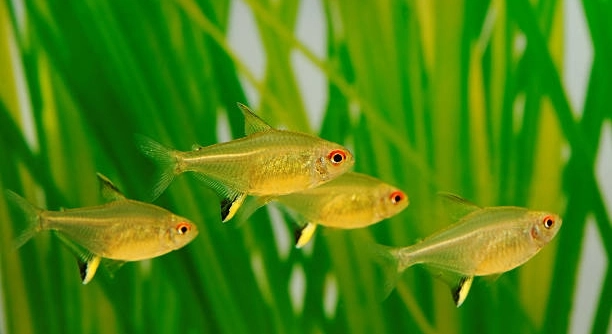
Are your lemon tetras swimming around aimlessly, unsure of where to explore first in their tank? Providing the right environment can make a big difference in how quickly they adapt and feel at home.
Lemon tetras immediately utilize features that offer shelter, foraging opportunities, and open swimming areas. Elements such as live plants, gentle currents, hiding spots, smooth substrate, shaded regions, floating cover, and consistent water conditions promote natural behavior and stress reduction.
Knowing which features appeal to your lemon tetras helps create a comfortable and engaging environment for them to thrive and enjoy their home fully.
Live Plants
Lemon tetras are naturally drawn to live plants because they provide both cover and a sense of security. In a tank with dense greenery, these fish can hide and explore without feeling threatened. Plants like Java moss, Anubias, and hornwort offer small hiding spots for timid tetras while also giving them areas to swim through freely. Plants contribute to water quality by absorbing nitrates and oxygenating the water, which helps maintain a healthier environment for the fish. The presence of live plants also encourages natural behavior, like foraging among leaves or playing near the roots. Fish tend to be calmer and more active when their tank mimics a natural setting. Floating plants add another layer of comfort, providing shaded regions that reduce stress. Over time, a planted tank becomes a lively ecosystem where lemon tetras interact with their environment, showing curiosity and confidence.
Live plants give lemon tetras a safe and stimulating area to explore while supporting healthy water conditions.
Adding live plants can transform a basic tank into a thriving habitat. The tetras use the foliage to navigate and find shelter, often resting in shaded areas created by floating plants. Rooted plants offer a variety of textures, allowing the fish to investigate and interact with their surroundings naturally. Overcrowded or artificial setups may leave them hiding excessively or swimming anxiously, so introducing different heights and densities of plants creates balance. Plants also serve as surfaces for biofilm and microorganisms, which tetras graze on for extra nutrition. A mixture of tall and short species encourages active swimming at all levels. Maintaining proper lighting and trimming ensures the plants stay healthy and the tetras continue to enjoy the structured environment. A well-planted tank can reduce aggression between fish while boosting activity and exploration. Observing how lemon tetras weave through leaves and roots provides insight into their preferences, helping you adjust features for maximum comfort and engagement.
Hiding Spots
Lemon tetras instinctively look for places to hide when they feel uneasy or want to rest.
Adding caves, driftwood, or rock formations creates small, secure areas where tetras can retreat. Hiding spots reduce stress, support social behavior, and give fish confidence to explore open swimming spaces more freely. Over time, these areas become favored resting points that balance activity and calmness.
Open Swimming Areas
Lemon tetras use open swimming areas to exercise, socialize, and explore. Clear spaces without obstacles allow them to move freely and display natural schooling behavior. Open zones in the tank are just as important as hiding spots for their overall well-being.
Providing ample open water encourages tetras to form tighter schools and reduces stress levels. When they have room to swim together, their movements become synchronized, and they exhibit healthier, more confident behavior. Open areas also make feeding easier, as the fish can approach food without interference from decorations or plants. By balancing open spaces with planted or structured areas, the tank feels more natural and comfortable.
Without open swimming zones, lemon tetras may become shy or territorial, limiting their activity and increasing stress. Open spaces allow them to explore at different depths and interact freely with their tank mates. Maintaining a mix of open areas and structured elements ensures they can rest, hide, or swim as needed, creating a balanced and engaging environment that supports both physical and mental health.
Gentle Currents
Lemon tetras respond positively to gentle water currents, which simulate their natural habitat. Moderate flow helps them exercise and maintain stamina, while avoiding overly strong currents that could exhaust or injure them.
A tank with a soft current encourages tetras to swim actively, as the movement stimulates natural behavior without causing stress. Gentle flow can be created with low-output filters or strategically placed water pumps. Currents also prevent stagnant water, improving oxygen distribution and overall water quality. Fish tend to explore more when they can swim against a light flow, boosting activity levels.
When the current is well-balanced, tetras use it to navigate the tank while maintaining group cohesion. They often glide along the flow, adjusting their position and schooling naturally. Gentle currents also enhance interactions with plants and structures, as the fish move around obstacles more confidently. Observing how lemon tetras react to soft currents can help you fine-tune the water movement, creating a dynamic yet safe environment. This balance of motion and calm ensures that the tank remains both stimulating and comfortable for your fish.
Shaded Regions
Shaded regions give lemon tetras a sense of security, especially during bright lighting or sudden activity in the room. These areas allow them to rest without feeling exposed.
Floating plants or overhanging decorations can create soft shadows in the tank. Tetras naturally gravitate toward these spaces to relax, reducing stress and promoting healthy behavior.
Smooth Substrate
A smooth substrate prevents injuries and allows tetras to forage safely along the bottom. Fine sand or small, rounded gravel is ideal for protecting delicate fins and soft bellies. Lemon tetras explore the substrate while searching for food, and a gentle surface encourages natural bottom activity.
Floating Cover
Floating cover helps tetras feel safe and reduces direct light exposure. Leaves, plants, or surface décor create protective zones that tetras use instinctively to feel secure.
How many lemon tetras should I keep together?
Lemon tetras are schooling fish, so they feel safest and most active in groups. Keeping at least six together is recommended to encourage natural behavior and reduce stress. Small groups can become shy or hide constantly, while larger groups display more confidence and synchronized swimming patterns.
What type of water conditions do lemon tetras prefer?
These fish thrive in slightly acidic to neutral water, with a pH between 6.0 and 7.5. The temperature should be kept between 72 and 78°F (22–26°C). Consistent water conditions are crucial because lemon tetras are sensitive to sudden changes in pH, temperature, or hardness, which can lead to stress or illness.
Can lemon tetras live with other fish?
Lemon tetras are peaceful and do well with other small, non-aggressive fish. Suitable tank mates include guppies, rasboras, and other small tetras. Avoid larger or aggressive species that may chase or stress them. Proper tank space and hiding spots help maintain harmony between different fish species.
Do lemon tetras need live plants in their tank?
Live plants are highly beneficial, though not strictly required. They provide hiding spots, enhance water quality, and encourage natural behaviors. Even a few rooted or floating plants can make the fish feel more secure and confident. Live plants also help reduce algae growth and stabilize the environment.
How often should I feed lemon tetras?
Lemon tetras do best with small, frequent feedings. Offer high-quality flake, micro-pellets, and occasional frozen or live food. Feed only what they can consume in two to three minutes, once or twice a day. Overfeeding can pollute the tank and stress the fish, so moderation is key.
Do lemon tetras need a lot of tank decorations?
They benefit from a mix of open swimming areas, hiding spots, and shaded regions. Decorations like driftwood, rocks, or caves give them places to explore and retreat. Too many decorations can restrict swimming space, while too few may make them feel exposed and stressed. Balance is essential.
How long do lemon tetras live?
With proper care, lemon tetras typically live between 3 and 5 years. Maintaining clean water, stable conditions, and a healthy diet is key to extending their lifespan. Stress reduction through schooling, proper tank setup, and gentle water flow also contributes to longevity.
Are lemon tetras sensitive to lighting?
Yes, they prefer moderate lighting and areas with shade. Bright lights can cause stress, while shaded regions and floating plants allow them to rest and feel secure. Adjustable or indirect lighting helps maintain their natural behavior and vibrant coloration.
How can I tell if my lemon tetras are healthy?
Healthy lemon tetras are active, swim in groups, and display bright yellow coloration with clear fins. Signs of stress or illness include hiding excessively, clamped fins, loss of color, or unusual swimming patterns. Regular observation ensures early detection of potential problems.
Do lemon tetras interact with their environment?
They explore plants, substrates, and hiding spots actively. Smooth substrate and live plants encourage natural foraging and swimming. Floating cover and shaded areas give them security. Well-planned tanks with varied features allow tetras to engage naturally, maintaining mental stimulation and reducing stress.
Creating a comfortable environment for lemon tetras starts with understanding their natural preferences and behavior. These small fish are naturally active and social, so providing the right balance of open swimming areas, hiding spots, and shaded regions is essential. Plants, both rooted and floating, add not only beauty but also structure that encourages exploration and reduces stress. Smooth substrates allow them to forage safely along the bottom without damaging their delicate fins, while gentle currents replicate the flow of rivers and streams, keeping the fish active and healthy. Each feature of the tank contributes to their overall well-being, and observing how they use these spaces helps guide future adjustments. Over time, you can notice which areas they favor for resting, hiding, or playing, giving insight into their comfort level and natural behavior.
Consistency in water conditions is equally important. Lemon tetras are sensitive to sudden changes in temperature, pH, or hardness, which can cause stress and weaken their immune system. Maintaining a stable environment with regular water changes, proper filtration, and careful monitoring ensures the fish remain healthy and active. Feeding routines also play a role, as small, frequent meals of high-quality flake, micro-pellets, or occasional frozen or live food support growth and vitality. Avoiding overfeeding prevents water quality issues that could affect the tetras’ health. Together, these practices create a balanced environment that mimics their natural habitat and encourages them to display normal schooling and foraging behaviors.
Paying attention to the tank setup and water quality allows lemon tetras to thrive and display their full potential. Well-planned decorations, smooth substrates, gentle currents, and shaded areas all work together to reduce stress and encourage activity. Observing their interactions with these features helps you understand their preferences and make adjustments when needed. Over time, the tank becomes a dynamic, comfortable space where the tetras can explore, socialize, and rest naturally. By focusing on these essential elements, you can create a sustainable, engaging environment that supports both the physical and mental health of your lemon tetras, ensuring they live a longer, healthier life.

Hello,
If you enjoy the content that we create, please consider saying a "Thank You!" by leaving a tip.
Every little bit helps us continue crafting quality advice that supports the health, happiness, and well-being of pets around the world, for pets of all shapes, sizes, and species.
We really appreciate the kindness and support that you show us!