
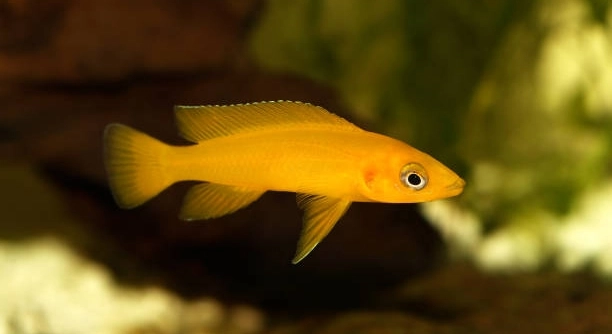
Lemon tetras are small, active fish that often enjoy hiding in their aquariums. Observing them can be delightful, especially when they dart behind plants or decorations. Their playful nature makes them fascinating to watch regularly.
Lemon tetras prefer to hide behind tall plants, aquarium rocks, driftwood, decorative caves, leaf litter, artificial decorations, and densely packed background ornaments. These items provide shelter, reduce stress, and create a natural environment that supports their well-being and social behavior.
Knowing their preferred hiding spots helps maintain a comfortable tank environment and encourages healthier, more active behavior for your tetras over time.
Tall Plants
Tall plants offer excellent cover for lemon tetras, providing them with a sense of security. They often swim behind these plants to rest, hide, or observe their surroundings quietly. Plants like Amazon swords or Vallisneria grow vertically and create natural barriers, making fish feel safe. The leaves’ movement in water adds extra comfort. Tetras are small and shy, so tall plants help reduce stress, especially in community tanks where larger species may be present. Having multiple tall plants throughout the aquarium allows them to move freely while still feeling protected. They often choose the densest areas, weaving between stems and leaves. This behavior helps maintain their natural instincts, encourages activity, and provides areas for social interaction with other tetras. Over time, watching how they navigate and select hiding spots among the plants can be engaging, showing their unique personalities and subtle movements. Proper placement of these plants ensures a healthy, enriched environment for lemon tetras.
Tall plants also improve water quality by absorbing excess nutrients, indirectly benefiting the tetras’ health and behavior over time.
Including tall plants strategically creates multiple safe zones for your tetras, encouraging natural activity patterns. By varying plant types and heights, you can observe different hiding preferences and interactions. This adds depth and realism to the aquarium, helping the fish feel secure while allowing light and swimming space to remain balanced. Dense foliage not only supports their comfort but also enhances the visual appeal of the tank, giving it a lively, natural look. Lemon tetras use these areas to rest, play, and interact with other fish, fostering a calm environment that supports their social needs. The variety in plant structure—from broad leaves to slender stems—offers multiple hiding options, allowing the fish to choose their preferred cover depending on their mood or stress level. Over time, this arrangement can reduce aggression among tank mates and promote healthier, more active behaviors. Consistent maintenance, like trimming overgrown plants, ensures continued access to these hiding spots while maintaining water quality. Observing your tetras as they explore and retreat behind tall plants provides insight into their personalities and preferences. Proper care of these plants creates a balanced, functional, and aesthetically pleasing environment that supports the long-term health and happiness of your lemon tetras.
Aquarium Rocks
Aquarium rocks provide firm hiding spots that mimic natural riverbeds. Lemon tetras often swim behind or between rocks, using crevices as shelter. Rocks of varying sizes create different hiding options, giving fish a choice depending on their mood or stress level.
Arranging rocks carefully ensures stability, preventing them from shifting and injuring your fish.
Rocks offer more than just hiding; they help define territory and create visual interest in the aquarium. By stacking rocks or placing them strategically, you create caves and tunnels that tetras can explore. These formations allow fish to retreat when they feel threatened or need rest. Smooth rocks prevent injury while maintaining a natural appearance, and spacing them adequately ensures proper water flow around them. Rocks also influence the tank’s microenvironment, slightly affecting water temperature and oxygen circulation, which can benefit plant growth nearby. Watching tetras weave through rock formations highlights their playful nature and provides insight into their social behavior. Mixing different textures and sizes creates variety, encouraging movement and interaction while keeping stress levels low. The combination of plants and rocks creates a balanced habitat, supporting both shelter and swimming space. Maintaining rock placement and cleaning surfaces occasionally prevents algae buildup, keeping the hiding spots safe and visually appealing. Well-placed rocks enrich the aquarium, giving tetras functional spaces to hide, rest, and explore, which contributes to a more dynamic and comfortable environment.
Driftwood
Driftwood provides natural cover and creates shaded areas where lemon tetras feel secure. Its irregular shapes and textures allow fish to hide or swim around freely. Placing a few pieces throughout the tank adds interest and comfort for your tetras.
Driftwood is versatile, offering both vertical and horizontal surfaces for tetras to navigate. Its natural tannins slightly color the water, mimicking the fish’s native habitats, which can reduce stress and promote healthier behavior. Fish often dart between branches or rest beneath overhangs created by driftwood, using these areas for protection or social interaction. Properly cleaned and positioned driftwood ensures it remains safe, stable, and free from sharp edges that could injure the fish. Over time, tetras may return to their favorite spots, showing consistent hiding patterns. This makes driftwood an important structural element in aquariums, supporting both fish well-being and the tank’s aesthetic appeal. Driftwood also supports biofilm growth, which can provide additional foraging opportunities for tetras.
Combining driftwood with plants and rocks enhances the complexity of hiding areas. It creates a layered environment that encourages exploration, reduces stress, and allows lemon tetras to display natural behaviors. Their playful navigation around driftwood often adds movement and life to the tank, keeping them active and engaged while maintaining a sense of safety in their environment.
Decorative Caves
Decorative caves give lemon tetras secure spaces where they can retreat when feeling anxious. These caves can be purchased or handmade and placed strategically for variety and privacy.
Caves offer enclosed hiding areas that simulate natural shelters. Lemon tetras often use these spaces to rest, escape from bright light, or avoid interactions with more dominant tank mates. Smooth interiors and stable placement are essential to prevent injury or collapse. Multiple caves in different tank areas ensure all fish have access to shelter without competition. Caves also encourage exploration and play, allowing tetras to swim through or around them, fostering physical activity and social interaction. Their presence improves the overall tank layout, making the aquarium more engaging. Properly maintained caves remain algae-free and safe for long-term use.
Adding caves enhances the tank’s structure and provides important mental and physical benefits. Fish develop routines, returning to preferred spots, while hiding spaces reduce stress and aggression. Lemon tetras thrive in environments with multiple hiding options, including caves, which promote natural behaviors and social stability. Selecting caves of different shapes and sizes allows all fish to find a comfortable retreat. Combining caves with plants, rocks, and driftwood creates a balanced, visually appealing habitat. Regular cleaning and observation ensure the caves remain safe, functional, and welcoming for your tetras. This careful arrangement supports healthy behavior patterns and adds depth to the aquarium’s overall design.
Leaf Litter
Leaf litter creates a soft, natural layer on the substrate where lemon tetras can hide or rest. Fallen leaves mimic their natural environment, giving them cover and comfort while adding organic texture to the tank.
This layer also encourages foraging behavior. Tetras may explore the leaves for small particles, algae, or microorganisms, keeping them active and engaged. Leaf litter slowly decomposes, enriching the water with nutrients that support plants and beneficial bacteria. Choosing safe, aquarium-approved leaves ensures no harmful chemicals or pests enter the tank. Spreading the litter evenly allows tetras to move freely while providing multiple hiding spots. Over time, the fish often select preferred areas among the leaves, returning consistently, which adds to their sense of security and reduces stress.
Artificial Decorations
Artificial decorations serve as consistent hiding spaces, providing lemon tetras with privacy and comfort. They can be shaped like caves, tunnels, or abstract forms, making them versatile additions to the tank.
Densely Packed Background Ornaments
Dense background ornaments create visual barriers and secluded areas where lemon tetras feel safe. These setups allow fish to retreat, rest, and reduce stress while navigating their environment. Proper placement ensures accessibility and promotes natural behavior patterns.
How many hiding spots do lemon tetras need in an aquarium?
Lemon tetras are small, active fish that feel more secure when multiple hiding spots are available. A minimum of five to seven different types of cover, such as plants, rocks, driftwood, and caves, provides sufficient options. This variety ensures that each fish can find a safe space to retreat to, especially in a community tank with more dominant species. Hiding spots reduce stress, improve overall health, and encourage natural behaviors. Arranging these spots throughout the aquarium helps distribute the fish evenly and prevents overcrowding in one area. Over time, you may notice tetras favoring certain locations, indicating their preferred hiding spots.
Can lemon tetras hide behind decorations that are not natural?
Yes, lemon tetras will use artificial decorations like caves, tunnels, and ornament structures as hiding spots. While natural elements like plants and driftwood are ideal, artificial items still provide security, privacy, and a sense of shelter. Fish often explore these decorations during the day and rest behind them at night or when feeling stressed. Ensuring that decorations have smooth edges and stable placement is important to prevent injuries. Artificial items can also be arranged creatively to create multiple paths and hiding options, allowing fish to navigate safely and comfortably. Regular cleaning prevents algae buildup, keeping the decorations safe and functional.
Do lemon tetras prefer hiding together or alone?
Lemon tetras are schooling fish, so they often feel safer hiding in groups. They may cluster together behind plants, rocks, or caves, using the collective safety to reduce stress. However, individual tetras sometimes choose solitary hiding spots to rest or recover, especially after stressful interactions. Providing both group and individual hiding options is ideal. Fish behavior may change depending on tank conditions, water quality, and the presence of other species. Observing your tetras can help you adjust hiding areas to meet their needs. This combination of shared and private cover promotes a balanced and harmonious tank environment.
How do I arrange hiding spots to reduce aggression?
Aggression among tetras or tank mates can be minimized by distributing hiding spots evenly throughout the aquarium. Avoid placing all shelters in one corner, which can lead to territorial disputes. Use a mix of tall plants, rocks, driftwood, and caves to create multiple retreat areas. Adequate spacing allows fish to establish personal territories without constant competition. Providing vertical and horizontal cover ensures that shy or smaller fish have options to avoid confrontation. Regular observation is key, as tetras may shift hiding preferences over time. Adjusting decorations based on behavior can maintain harmony and reduce stress, keeping all fish comfortable.
Will hiding spots affect water quality in the aquarium?
Hiding spots can influence water quality if not properly maintained. Organic elements like leaf litter or driftwood release tannins, which slightly alter pH and water color but are generally safe in moderation. Artificial decorations should be cleaned regularly to prevent algae buildup and debris accumulation. Plants, both live and artificial, can improve water conditions by stabilizing flow and providing surfaces for beneficial bacteria. Dense arrangements require careful monitoring to prevent waste from accumulating in hidden corners, which could affect ammonia or nitrate levels. Consistent water testing and maintenance ensure that hiding spots remain safe and do not compromise overall tank health.
Are there any hiding spots lemon tetras avoid?
Lemon tetras usually avoid areas with strong water currents, sharp edges, or unstable decorations. Open, exposed areas offer little security and make them feel vulnerable. Avoid placing decorations too close to filters or heaters, as these areas can be stressful. Fish often ignore spots that are overcrowded or difficult to access. Providing smooth, stable, and accessible options ensures they feel safe. Observing fish behavior can help identify which hiding spots are favored and which are avoided. Adjusting the layout over time based on these observations ensures the aquarium supports natural behavior and reduces stress for all tetras.
Do hiding spots help lemon tetras during nighttime?
Yes, lemon tetras use hiding spots at night to rest and feel safe. The shaded areas created by plants, rocks, or caves mimic their natural environment, allowing them to sleep without disturbance. Nighttime use of these areas reduces stress and helps maintain overall health. Fish that lack secure cover may hide behind tank equipment or remain in open water, which can be stressful. Well-placed hiding spots support natural sleep patterns, provide security, and encourage activity during daylight hours. Observing nocturnal behavior shows which areas are most effective and can guide future tank arrangements.
How often should hiding spots be adjusted or cleaned?
Hiding spots should be cleaned and maintained regularly, ideally during routine tank maintenance. Driftwood, rocks, and decorations can accumulate algae, debris, or biofilm, which may affect fish health if left unchecked. Live plants may require trimming to prevent overcrowding. Adjusting hiding spots occasionally keeps the tank stimulating and ensures all fish have access to shelter. Avoid frequent rearrangement, which can stress tetras, but minor modifications help maintain a healthy and dynamic environment. Observation is key; notice which areas are overused or ignored and adjust accordingly to balance comfort and activity for the fish.
Can lemon tetras use hiding spots to spawn?
Yes, lemon tetras often use hiding spots during spawning. Dense plants, caves, and leaf litter provide safe areas for laying eggs and protecting fry. These locations help reduce predation from other fish and stress from open exposure. Maintaining clean, secure, and accessible hiding spots encourages natural breeding behavior. Observing their preferences during this time can guide adjustments in tank layout for optimal reproduction conditions. Properly arranged hiding spots support both adult fish and fry development, creating a stable environment for the entire aquarium ecosystem.
Lemon tetras are small, active fish that thrive in environments where they feel safe. Providing a variety of hiding spots is essential to their comfort and overall well-being. These fish naturally seek shelter behind tall plants, rocks, driftwood, leaf litter, and decorative caves, using these areas to rest, reduce stress, and observe their surroundings. In a well-planned aquarium, these hiding spots serve multiple purposes. They give tetras private areas to retreat to when feeling anxious, while also creating opportunities for exploration and social interaction with other tank mates. Observing how tetras navigate these spaces can be rewarding, as each fish develops preferences for specific hiding locations, which may reflect personality or comfort levels. Properly placed hiding spots mimic their natural habitat, allowing the fish to behave in a way that is closer to how they would in the wild.
It is important to carefully consider the type, placement, and maintenance of each hiding spot. Tall plants not only provide cover but also improve water quality and oxygen levels, which benefits the overall health of the aquarium. Rocks and driftwood create secure crevices and shaded areas, giving tetras multiple options to retreat. Decorative caves and artificial ornaments offer consistent, stable spaces that fish can return to repeatedly. Leaf litter adds a natural element to the substrate, promoting foraging behavior while also offering soft, low-lying cover. A balanced combination of these elements ensures that lemon tetras have access to both group and individual hiding spaces. This reduces stress, prevents aggressive behavior, and encourages natural activity patterns. Consistent observation of how the fish interact with their hiding spots helps identify whether adjustments are needed to maintain harmony in the tank.
Maintaining hiding spots is also crucial for long-term tank health. Organic materials like driftwood or leaf litter should be monitored for decomposition, and artificial decorations must be cleaned to prevent algae buildup. Rearranging hiding spots occasionally can keep the environment stimulating, but frequent changes should be avoided as they may stress the fish. By carefully planning the placement of plants, rocks, caves, and other structures, tank owners can create an aquarium that is both visually appealing and functionally supportive for lemon tetras. These fish thrive when their surroundings offer both security and variety, allowing them to display natural behaviors freely. A well-structured environment with thoughtfully arranged hiding spots ultimately promotes healthier, more active fish while enhancing the overall experience of maintaining an aquarium. Observing tetras interact with their shelter areas provides insight into their preferences, social dynamics, and comfort levels, making it easier to provide a habitat that supports their long-term health and happiness.

Hello,
If you enjoy the content that we create, please consider saying a "Thank You!" by leaving a tip.
Every little bit helps us continue crafting quality advice that supports the health, happiness, and well-being of pets around the world, for pets of all shapes, sizes, and species.
We really appreciate the kindness and support that you show us!