7 Tank Cleaning Mistakes That Stress Arowana
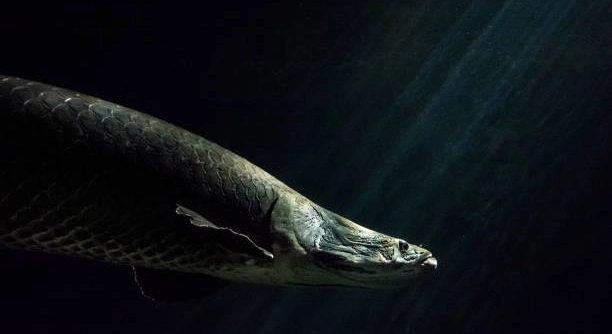
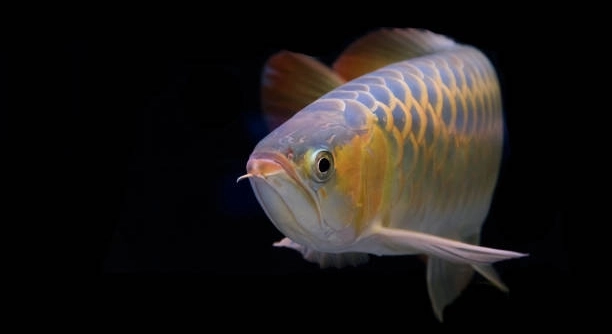
Do you ever find yourself scrubbing your Arowana tank but still noticing your fish acting restless or stressed? Keeping the tank clean seems simple, yet many small mistakes can upset the delicate balance your Arowana needs. Several common tank cleaning mistakes can cause significant stress for Arowana, including sudden water changes, overcleaning, using harsh chemicals, … Read more
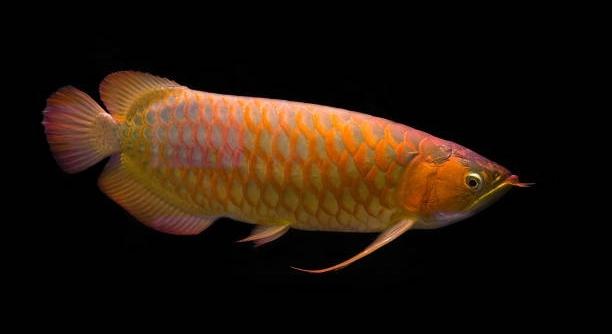
Do Arowana Like Watching People Move?

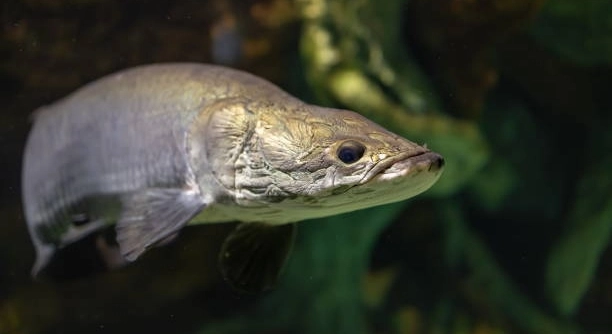
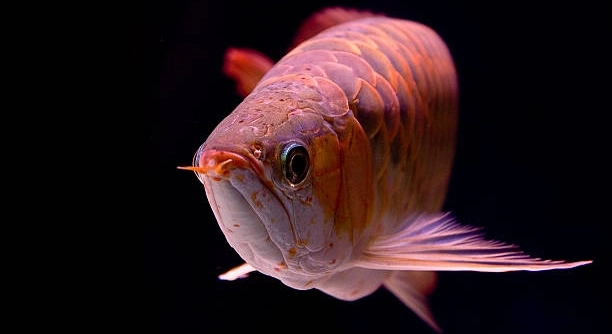
Have you ever caught your arowana staring at you from its tank, its eyes following your every move across the room? Watching this graceful fish react can be both fascinating and a little mysterious. Arowanas do show interest in human movement due to their strong visual senses and territorial instincts. Their awareness of motion outside … Read more

7 Behavioral Clues That Arowana Are Settling In

Arowana are fascinating fish that require time to adjust to new environments. Observing their early behavior can give clues about how well they are adapting to their tank and surroundings. Arowana typically show signs of settling in through consistent swimming patterns, exploring the tank without stress, feeding regularly, and interacting calmly with their environment. These … Read more

Can Arowana Get Startled by Sudden Shadows?

Many aquarists enjoy keeping arowanas for their graceful movements and shimmering scales. These fish are sensitive to their surroundings and can react noticeably to changes in light and activity around their tanks. Arowanas can indeed get startled by sudden shadows. Rapid changes in light or unexpected movements near the tank may trigger a flight response, … Read more

7 Ideal Times to Feed Your Arowana

Caring for an arowana involves understanding the best feeding routine that supports steady growth and balanced behavior, and a clear schedule helps maintain an environment that suits this fish’s natural habits in a home aquarium. The ideal times to feed your arowana center on early morning, late afternoon and evening periods, allowing the fish’s metabolism … Read more

Why Is My Arowana Scratching Its Head?

Have you ever noticed your arowana rubbing its head against the tank decorations or walls? Watching this behavior can feel worrying, especially when your fish seems uncomfortable or restless in its usual environment. Head scratching in arowanas is often caused by parasites, poor water quality, or irritation from tank surfaces. Identifying the root cause quickly … Read more

7 Causes of Twitchy Swimming in Arowana

Arowanas are graceful fish, admired for their shimmering scales and smooth movements. Sometimes, however, they exhibit twitchy swimming, which can worry owners. Recognizing the reasons behind this behavior is important for maintaining a healthy aquarium environment. Twitchy swimming in arowanas is often caused by poor water quality, stress, improper diet, parasites, sudden temperature changes, inadequate … Read more

7 Mistakes That Cause Early Arowana Tank Fatigue

Are your arowana tanks showing signs of early fatigue despite your best efforts? Many hobbyists face unexpected challenges that can impact water quality and fish health, often caused by overlooked mistakes in tank setup and maintenance. Early arowana tank fatigue often results from improper filtration, overfeeding, incorrect water parameters, insufficient tank size, inadequate tank cycling, … Read more

Can Arowana Jump Through Glass Lids?

Arowanas are popular aquarium fish admired for their beauty and agility. These sleek swimmers are known to leap, sometimes surprising their owners with sudden, energetic jumps that can startle anyone nearby. Their movements are graceful yet powerful. Arowanas are capable of jumping through glass lids if there is enough space above the water and they … Read more

What Is Normal Breathing for Arowana?

Arowanas are graceful fish that bring beauty to any aquarium. Observing them swim calmly is a peaceful experience, but their breathing patterns can reveal much about their overall health and comfort. Normal breathing for arowanas involves steady, rhythmic movements of the gill covers. Healthy arowanas maintain a consistent rate without rapid gasping or labored breathing. … Read more