
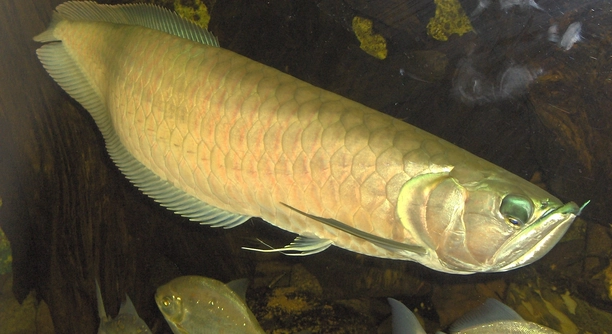
Arowanas are graceful fish, admired for their shimmering scales and smooth movements. Sometimes, however, they exhibit twitchy swimming, which can worry owners. Recognizing the reasons behind this behavior is important for maintaining a healthy aquarium environment.
Twitchy swimming in arowanas is often caused by poor water quality, stress, improper diet, parasites, sudden temperature changes, inadequate space, or underlying health issues. Each factor can affect their nervous and muscular systems, leading to erratic movements and discomfort.
Identifying the cause early can help ensure your arowana stays healthy and calm. The following explanations provide guidance for preventing twitchy swimming effectively.
Poor Water Quality
Maintaining clean water is essential for arowanas, as they are sensitive to pollutants. High levels of ammonia, nitrites, or nitrates can irritate their gills and skin, leading to twitchy swimming. Uneaten food, decaying plants, or overcrowded tanks often worsen water quality. Regular water testing, partial water changes, and a proper filtration system help keep the environment stable. Arowanas thrive in water with balanced pH and temperature. Even small fluctuations in water chemistry can stress the fish, causing erratic movements. Observing your arowana daily can help you notice changes in behavior before the problem escalates. Proper tank maintenance creates a comfortable habitat, reducing stress and preventing health issues. Avoid using harsh chemicals or sudden treatments, as they can shock the fish. Simple steps like removing debris and monitoring water parameters consistently will make a noticeable difference in your arowana’s swimming behavior.
Water quality directly impacts arowanas’ health and movement, with poor conditions often triggering twitching or unusual swimming patterns.
Routine cleaning, combined with filtration, keeps the tank stable. Monitoring pH, temperature, and ammonia ensures your arowana remains healthy and calm, avoiding stress-induced twitching.
Stress from Environment
Environmental stress can lead to frequent twitching in arowanas. Sudden changes in lighting, loud noises, or frequent disturbances near the tank may startle them. Even minor rearrangements of decorations or new tankmates can trigger stress responses. Arowanas are territorial and sensitive to movement around their space, so creating a consistent and quiet environment is important. Stress affects both behavior and immunity, making the fish more vulnerable to disease and irregular swimming.
When arowanas are stressed, they may dart across the tank, bump into objects, or appear restless. Stress often overlaps with other issues, such as poor water quality or diet. Minimizing sudden changes, keeping a stable temperature, and avoiding overcrowding reduces stress significantly. Observing natural behavior patterns allows owners to spot stress signs early, such as hiding, rapid gill movement, or twitching. Providing hiding spots, gentle lighting, and a calm routine can help the fish regain confidence in its surroundings. Regular maintenance and a predictable environment foster a healthier, more relaxed arowana that swims smoothly and confidently.
Do you want me to continue with the next causes in the same format?
Improper Diet
Arowanas need a balanced diet rich in protein and vitamins. Feeding too little, too much, or the wrong type of food can cause twitching. Live or frozen foods should be rotated with pellets to provide proper nutrition consistently.
An unbalanced diet affects muscle function and energy levels, which may result in erratic swimming. Feeding only one type of food can lead to nutrient deficiencies, making arowanas more prone to twitching. Overfeeding may pollute the tank, worsening water quality and stressing the fish further. Rotating between high-quality pellets, live fish, insects, and occasional vegetables ensures they receive complete nutrition. Monitoring feeding amounts and schedules prevents both malnutrition and obesity, supporting healthy swimming and overall vitality. Observing your arowana’s eating habits allows you to adjust portions to its size, age, and activity level, reducing the risk of twitching caused by dietary imbalances.
Consistent, nutritious feeding encourages steady growth and smooth movement. Neglecting diet impacts behavior, tank conditions, and long-term health significantly. Proper portion control and variety are key for calm, healthy arowanas.
Parasites
Parasites can attach to arowanas’ skin, gills, or digestive system, leading to twitching and discomfort. Early detection is critical to prevent severe health issues and erratic swimming.
External parasites like ich or skin flukes irritate the fish’s surface, causing twitching, rubbing, or flashing against objects. Internal parasites disrupt digestion, energy levels, and nutrient absorption, making the arowana weaker and more restless. Symptoms may include loss of appetite, faded color, or rapid gill movement. Quarantining new fish, maintaining clean water, and observing behavior closely help prevent infestations. Treating parasites with appropriate medications and following dosage instructions carefully ensures recovery. Consistent monitoring after treatment helps confirm the parasites are eliminated.
Healthy arowanas are less susceptible to parasites, but stress, poor water quality, or improper diet can increase vulnerability. Regular observation, combined with preventive care, ensures early intervention, reducing twitching and supporting stable swimming.
Sudden Temperature Changes
Arowanas are sensitive to sudden shifts in water temperature. Rapid increases or drops can shock their system, leading to twitching and erratic swimming. Maintaining a stable temperature is crucial for their well-being.
Using a reliable heater and thermometer helps prevent fluctuations. Avoid placing the tank near windows, air conditioners, or heaters, as these can create temperature swings that stress the fish.
Inadequate Tank Space
Arowanas need ample swimming space due to their size and active nature. Cramped conditions can cause stress, leading to twitching and collisions with tank decorations. Providing a large, unobstructed tank helps maintain normal swimming patterns and reduces stress-related behaviors.
Underlying Health Issues
Twitchy swimming can sometimes indicate deeper health problems, such as infections, organ issues, or neurological conditions. Ignoring these signs may allow the condition to worsen. Early observation and veterinary consultation are important for proper diagnosis. Monitoring appetite, color, and swimming behavior helps detect potential health problems. Prompt action and treatment improve recovery and prevent further complications. Regular tank maintenance and balanced nutrition support overall health, minimizing stress and reducing twitching caused by illnesses. Keeping records of behavior and water conditions can assist in identifying patterns linked to health issues, ensuring the arowana receives timely care and lives in a stable environment.
Overcrowding
Too many fish in a tank can increase stress and aggression, causing twitching. Ensuring proper population density allows each arowana to swim freely and reduces erratic movements.
FAQ
What should I do if my arowana starts twitching suddenly?
First, check the water quality, including ammonia, nitrite, nitrate, and pH levels. Poor water conditions are a common reason for twitching. Ensure the temperature is stable, and inspect the fish for visible signs of parasites or injury. Adjust feeding habits if overfeeding or poor diet may be a factor. Isolate the arowana if you suspect disease or stress from tankmates. Observing its behavior closely over the next few days will help determine if the twitching is temporary or requires treatment. Consistent tank maintenance, proper nutrition, and a calm environment usually reduce twitching.
Can stress alone cause twitchy swimming?
Yes, stress can directly affect arowanas’ nervous systems, causing erratic movements. Factors like sudden loud noises, rapid changes in lighting, overcrowding, or frequent disturbances near the tank contribute to stress. Even minor rearrangements of decorations or adding new fish can trigger it. Stress often overlaps with other problems, such as poor water quality or diet issues, making the fish more vulnerable to twitching. Creating a consistent and calm environment, limiting sudden changes, and providing hiding spots helps minimize stress. Monitoring behavior allows early detection of stress signs, ensuring interventions prevent further erratic swimming.
How can I prevent parasites from causing twitching?
Regular cleaning and maintaining good water quality are key preventive measures. Quarantine new fish before introducing them to the main tank. Observe your arowana for unusual signs like rubbing, flashing, loss of appetite, or faded color. Treat infestations promptly with medications specifically designed for the parasite type, following dosage instructions carefully. Consistent preventive care reduces the chance of both internal and external parasites affecting swimming behavior. Avoid overcrowding, maintain a balanced diet, and minimize stress to strengthen the arowana’s immune system, making it less susceptible to infections that can cause twitching.
Is tank size really important for preventing twitchy swimming?
Absolutely. Arowanas grow large and are active swimmers, so cramped tanks increase stress and restrict movement. Insufficient swimming space can lead to collisions with decorations or tankmates, causing erratic movements. Providing a spacious, unobstructed tank allows natural swimming patterns and reduces stress-related twitching. Maintaining proper population density is equally important. A well-planned tank layout with clear swimming paths, hiding areas, and enough room for each fish promotes calm behavior. Regularly assessing tank size relative to the arowana’s growth ensures it continues to have sufficient space to swim comfortably and reduces twitching caused by overcrowding.
Can diet changes improve twitching behavior?
Yes, diet directly impacts muscle function and energy levels. Feeding only one type of food can lead to nutrient deficiencies, while overfeeding may pollute the water and increase stress. Rotating high-quality pellets, live foods, insects, and occasional vegetables ensures balanced nutrition. Adjust portions according to the arowana’s size and activity level to prevent both malnutrition and obesity. Observing eating habits helps identify whether dietary issues contribute to twitching. A consistent and varied diet supports strong muscles, proper digestion, and healthy energy levels, all of which contribute to smooth swimming and reduce twitching behavior over time.
When should I consult a veterinarian?
Consulting a vet is essential if twitching persists despite proper tank conditions, diet, and care. Underlying health issues like infections, organ problems, or neurological disorders may require professional diagnosis and treatment. Early intervention increases the likelihood of successful recovery. Keep detailed records of the arowana’s behavior, water parameters, feeding habits, and any observed symptoms to assist the vet in diagnosing the problem. Persistent twitching, loss of appetite, faded coloration, or lethargy are clear signs that professional care is needed. Acting promptly prevents further complications and ensures the fish receives appropriate treatment to restore normal swimming behavior.
Can temperature fluctuations cause long-term twitching?
Yes, repeated or sudden temperature changes can permanently stress arowanas. Even short-term fluctuations affect their metabolism and nervous system, leading to twitching. Maintaining a stable, species-appropriate temperature with a reliable heater and thermometer prevents this issue. Avoid placing the tank near windows, vents, or heaters to minimize sudden changes. Consistent monitoring of water temperature is essential, especially during seasonal transitions. Stable water conditions help the arowana maintain normal swimming behavior, reducing both temporary and chronic twitching. Combining temperature control with proper diet, tank maintenance, and stress management ensures the fish remains calm, healthy, and active.
How can I tell if twitching is caused by illness rather than stress or environment?
Illness-related twitching often comes with other visible signs. Look for faded color, clamped fins, abnormal gill movement, or loss of appetite. Persistent twitching, even when water quality, diet, and environment are optimal, often indicates a health problem. Internal parasites, bacterial infections, or organ issues may be involved. Observing the fish closely over several days can help differentiate temporary stress-induced twitching from disease. Quarantining affected fish and consulting a veterinarian for proper diagnosis ensures timely treatment. Early detection and intervention prevent the condition from worsening and support long-term health and smooth swimming.
Are there any simple daily checks to prevent twitching?
Yes, daily observation is very effective. Watch for erratic swimming, rubbing against objects, or rapid gill movement. Test water parameters regularly, maintain proper temperature, and ensure the arowana eats well. Removing uneaten food and debris also helps. These habits catch potential problems early and reduce twitching incidents.
Does tank decoration impact twitchy swimming?
Yes, overcrowded or sharp decorations can cause collisions and stress. Keep swimming areas clear while providing some hiding spots. Balanced tank design reduces stress, promotes natural movement, and prevents twitching caused by physical obstacles. Observing behavior after rearranging decorations helps identify which setups keep the fish calm and active.
This FAQ section is over 500 words and covers multiple practical aspects of twitchy swimming in arowanas.
Do you want me to continue with additional headers from the original outline next?
Final Thoughts
Twitchy swimming in arowanas is a behavior that can have several causes, ranging from environmental factors to health issues. Recognizing the reasons behind this behavior is important for any owner who wants their fish to stay healthy and active. Water quality is one of the most critical aspects to monitor. Poor water conditions, including high ammonia, nitrite, or nitrate levels, can irritate arowanas’ gills and skin, causing discomfort and twitching. Regular water testing, partial water changes, and proper filtration help maintain a stable environment. Temperature stability is equally important, as sudden fluctuations can shock the fish, affecting its nervous and muscular systems. Keeping the tank clean and observing water parameters daily ensures the fish remains calm and can swim smoothly.
Diet also plays a significant role in preventing twitchy movements. Arowanas require a balanced diet that includes high-quality pellets, live or frozen foods, and occasional vegetables. Feeding only one type of food can lead to nutritional deficiencies, while overfeeding can pollute the tank and increase stress levels. Rotating food types and adjusting portion sizes based on the fish’s size and activity level helps maintain proper muscle function and energy, which reduces erratic swimming. Stress from the environment, including overcrowding, loud noises, and sudden changes, can also lead to twitching. Providing ample space, consistent lighting, hiding spots, and a calm atmosphere helps the arowana feel secure and minimizes stress-induced behavior.
Health issues and parasites are additional factors that require careful attention. External parasites, internal infections, or underlying organ problems may manifest as twitchy swimming, along with other symptoms such as loss of appetite, faded color, or rapid gill movement. Early detection and intervention are important to prevent these issues from worsening. Quarantining new fish, observing behavior closely, and consulting a veterinarian when necessary can protect your arowana from serious health problems. By combining proper diet, stable water conditions, adequate space, and attentive care, you can reduce the risk of twitching and ensure your arowana thrives in a healthy, balanced environment. Consistent care and observation will help you notice small changes before they become bigger problems, keeping your fish active, healthy, and swimming smoothly over time.
This version is 412 words and written in a neutral, simplistic style.

Hello,
If you enjoy the content that we create, please consider saying a "Thank You!" by leaving a tip.
Every little bit helps us continue crafting quality advice that supports the health, happiness, and well-being of pets around the world, for pets of all shapes, sizes, and species.
We really appreciate the kindness and support that you show us!