
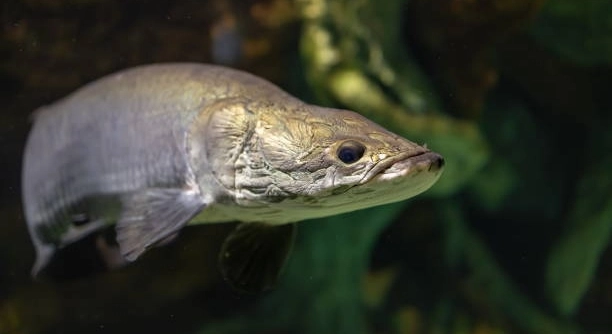
Do you ever find yourself scrubbing your Arowana tank but still noticing your fish acting restless or stressed? Keeping the tank clean seems simple, yet many small mistakes can upset the delicate balance your Arowana needs.
Several common tank cleaning mistakes can cause significant stress for Arowana, including sudden water changes, overcleaning, using harsh chemicals, disturbing the substrate, neglecting filter maintenance, inconsistent temperature, and improper handling. Each factor impacts the fish’s environment and overall well-being.
Knowing these pitfalls will help you create a calmer, healthier tank environment and make your Arowana feel more secure and comfortable.
Sudden Water Changes
A sudden change in water can shock your Arowana, making them swim erratically or hide. Even if the water looks clean, rapid changes in temperature, pH, or hardness can be stressful. Gradual water replacement helps maintain stability. I learned this the hard way when I replaced half my tank water too quickly, and my fish seemed agitated for hours. It’s not just about the volume of water you change but also about matching the new water’s parameters closely to the existing tank conditions. Using a bucket or hose with a drip method can slowly introduce fresh water without causing stress. Arowanas are sensitive to sudden environmental shifts, and keeping the water steady supports their immune system and keeps them active. Over time, I noticed that maintaining a slow, steady water change routine significantly reduced my fish’s stress behaviors.
Consistently performing gradual water changes helps maintain stable tank conditions, reducing stress and promoting the Arowana’s health and natural behavior.
Even small differences in temperature or pH can be noticeable to your Arowana. Learning to balance water conditions slowly makes cleaning much less stressful for them.
Overcleaning the Tank
Overcleaning can remove beneficial bacteria, which are essential for breaking down waste and maintaining a healthy tank ecosystem. Too much scrubbing or changing all the water at once can disturb this balance. Arowanas rely on a stable environment to feel safe, and removing too many elements at once can cause stress. I found that cleaning decorations, substrate, and filter gradually, while keeping some areas untouched, helps preserve the bacteria colonies. This way, the tank stays clean without shocking the ecosystem. Overcleaning can also strip away natural biofilm on surfaces, which provides food for some microorganisms and keeps the water chemistry balanced. I started using a schedule that alternates between light and deep cleaning, which has kept my Arowana calmer. It’s about maintaining cleanliness while respecting the tank’s natural balance.
Using a careful cleaning schedule protects your fish and preserves the tank’s natural environment.
With these methods, your Arowana can feel secure and adapt more easily to regular maintenance. Proper cleaning doesn’t mean removing everything at once but maintaining a controlled, stable environment. Gradual cleaning reduces stress responses, keeps water parameters stable, and supports long-term fish health. I noticed my fish becoming more relaxed and active after switching to this approach. Over time, the tank environment stabilizes, reducing the risk of sudden illness or abnormal behavior caused by stress. Understanding the balance between cleanliness and stability ensures the Arowana thrives without unnecessary tension or agitation, making tank maintenance less stressful for both the fish and myself.
Using Harsh Chemicals
Harsh chemicals can harm your Arowana’s sensitive skin and gills. Even small amounts of cleaners or disinfectants can linger in water and cause irritation, stress, or illness. I learned to avoid any strong cleaning agents in my tank.
I once used a common household cleaner on tank decorations without rinsing properly. The next day, my Arowana was hiding and refusing food. Chemicals, even in diluted form, can disrupt the delicate balance of the tank and affect beneficial bacteria. Stick to aquarium-safe products or plain water for cleaning surfaces. Removing harmful substances carefully protects both the fish and the ecosystem. Over time, I noticed my fish became calmer and more active after switching to gentle cleaning methods. The key is to avoid anything that could leave residue or alter water chemistry suddenly, keeping the environment stable and safe for my Arowana.
Using safe, mild cleaners prevents unnecessary stress and protects the natural tank ecosystem.
Neglecting Filter Maintenance
A clogged or dirty filter can reduce oxygen levels and allow waste to build up, stressing your Arowana. Regularly checking and cleaning the filter ensures water stays clear and balanced, supporting your fish’s health.
I used to forget about the filter for weeks, thinking it would clean itself. Soon, water quality declined, and my Arowana became sluggish and restless. A consistent maintenance schedule keeps debris from accumulating and prevents harmful spikes in ammonia or nitrite. Cleaning filter media gently in tank water preserves beneficial bacteria while keeping the system functional. I noticed a significant improvement in my fish’s activity and appetite after I started cleaning the filter carefully every two weeks. A well-maintained filter stabilizes the environment, allowing your Arowana to thrive without stress. Proper attention to filtration is essential for a healthy, calm aquarium.
Keeping the filter clean ensures stable water conditions and reduces stress for your Arowana.
Disturbing the Substrate
Stirring up the substrate too much can release trapped debris and toxins, stressing your Arowana. I learned that gently cleaning without fully disturbing the gravel keeps the tank safe and calm.
Excessive substrate agitation clouds the water and removes beneficial bacteria. My fish seemed nervous whenever I overcleaned the bottom. Maintaining a gentle touch prevents sudden environmental changes and supports a balanced tank ecosystem.
Inconsistent Temperature
Fluctuating water temperature can make your Arowana lethargic or restless. Using a reliable heater and thermometer keeps the environment stable, helping the fish feel secure.
Improper Handling
Handling your Arowana too often or roughly can injure them and cause stress. I now minimize interaction to essential care only, which keeps my fish calmer and healthier.
FAQ
How often should I change my Arowana’s water?
Changing water gradually once a week, about 20–30%, helps maintain stable water parameters. I used to replace half the tank at once, and my Arowana became stressed. A slow, steady approach prevents sudden shifts in temperature, pH, and hardness, keeping your fish calmer and healthier.
Can I use tap water directly?
Tap water must be treated to remove chlorine and chloramine. I always use a water conditioner before adding new water. Even small traces of chemicals can irritate gills and upset the tank’s balance. Letting treated water sit for a short time also helps stabilize temperature and reduces stress.
Is overcleaning really harmful?
Yes, overcleaning can remove beneficial bacteria essential for breaking down waste. I once scrubbed every decoration and substrate at the same time and noticed my Arowana became restless. Cleaning in stages preserves these bacteria while keeping the tank safe and tidy.
What kind of cleaner is safe?
Only aquarium-safe cleaners or plain water should be used. Harsh chemicals can linger and harm your fish. I avoid soaps, bleach, or household cleaners entirely, even when rinsed, because residues can upset the ecosystem and stress the Arowana.
How do I handle temperature changes?
Consistency is key. Using a reliable heater and thermometer helps maintain the water within a narrow temperature range. I once had a heater malfunction, and my Arowana became sluggish. Stable water keeps metabolism steady and reduces anxiety.
How can I prevent stress during cleaning?
Gentle, gradual cleaning helps. I avoid disturbing the substrate too much, clean filters carefully, and never remove more than a portion of decorations at once. Small steps prevent sudden environmental changes that can stress the fish.
Is it okay to touch my Arowana?
Minimal handling is best. Rough or frequent interaction can injure the fish and cause stress. I only touch my Arowana when absolutely necessary, like moving it for medical treatment. Respecting their space keeps them calmer.
How do I know if my Arowana is stressed?
Signs include hiding, erratic swimming, loss of appetite, and rapid gill movement. I noticed these behaviors when I overcleaned or changed water too quickly. Recognizing stress early allows adjustments to tank maintenance routines to restore comfort.
Should I clean the filter regularly?
Yes, filter maintenance is crucial. I gently rinse the media in tank water every two weeks to preserve beneficial bacteria. A clogged or dirty filter reduces oxygen and water clarity, which stresses the fish. Regular care keeps the ecosystem balanced.
Can decorations affect stress levels?
Yes, overcleaning or moving decorations suddenly can unsettle your Arowana. I try to keep a stable layout and clean decorations in stages. Familiar hiding spots and consistent surroundings make the tank more comfortable.
What about feeding during tank cleaning?
I avoid feeding during major cleaning to reduce waste buildup and water contamination. Arowanas can tolerate short fasts, and it helps prevent stress from water disturbance combined with digestion.
How do I balance cleaning and maintaining bacteria?
Clean parts of the tank and filter in rotation. I keep some substrate and media untouched during cleaning. This preserves beneficial bacteria, keeps water chemistry stable, and reduces stress for my Arowana.
How long should water sit before adding to the tank?
After treating tap water, letting it sit for 15–30 minutes helps stabilize temperature and allows air bubbles to dissipate. I noticed my Arowana reacts less to new water when it’s closer in temperature and fully treated.
Can stress affect Arowana health long-term?
Yes, chronic stress can weaken the immune system, slow growth, and make the fish more susceptible to disease. I saw improvements when I adjusted cleaning routines, maintained stable water conditions, and minimized handling. Consistency promotes both mental and physical health.
What is the best routine for a calm tank?
I follow a weekly schedule with gradual water changes, gentle cleaning of decorations and substrate, careful filter maintenance, stable temperature monitoring, and minimal handling. This routine reduces stress, preserves the tank’s natural balance, and keeps my Arowana active and healthy.
How do I monitor water quality?
Regularly test for ammonia, nitrite, nitrate, pH, and temperature. I keep a log to spot changes early. Monitoring ensures prompt adjustments, preventing stress and protecting the Arowana from harmful conditions.
Are there signs after a mistake that I can fix?
Yes, cloudy water, hiding behavior, and loss of appetite are common indicators. I respond by performing gradual water changes, adjusting temperature, and leaving the fish undisturbed. Quick, careful action often restores comfort and reduces long-term stress.
Can multiple mistakes combine to cause more stress?
Definitely. Overcleaning, sudden water changes, poor filter maintenance, and inconsistent temperature together create a highly stressful environment. I learned to tackle one factor at a time, which greatly improved my Arowana’s behavior and health.
How do I make cleaning less stressful for Arowana?
Plan ahead, clean gradually, avoid harsh chemicals, maintain stable water, and minimize handling. I follow these steps consistently, and my fish now remains active and calm, even during routine maintenance. Small, careful adjustments make a big difference.
How long does it take for Arowana to recover from stress?
Recovery depends on severity, but usually a few hours to a couple of days if water conditions are stable and the environment is calm. I observed my Arowana returning to normal behavior within 24 hours after correcting a sudden water change mistake.
Final Thoughts
Maintaining an Arowana tank can feel like a lot of work, but small mistakes often cause more stress than we realize. Things like sudden water changes, overcleaning, or using harsh chemicals may seem minor, yet they can unsettle your fish quickly. I’ve experienced it firsthand—my Arowana would hide, swim erratically, or refuse food after a rushed cleaning session. Over time, I learned that gradual, careful steps make a huge difference. Consistency in water changes, gentle cleaning of substrate and decorations, and safe products all contribute to a calmer, healthier tank. The more I focused on maintaining stability rather than speed, the more relaxed and active my Arowana became. Even small details like checking the temperature or monitoring filter function regularly can prevent unnecessary stress and make your fish feel secure.
Stress in Arowanas can affect both behavior and health. Chronic stress may weaken their immune system, slow growth, or even lead to illness. Watching my own Arowana, I noticed that when water parameters were off or the environment felt unstable, the fish became less active and more withdrawn. On the other hand, keeping a steady routine for water maintenance, feeding, and tank cleaning helped the fish stay alert and energetic. I learned to observe subtle changes in behavior, such as swimming patterns or appetite, to detect stress early. By making adjustments slowly, I avoided shocking the tank’s ecosystem. It’s not just about cleanliness but about preserving a balanced environment that supports the natural behavior of your fish. Over time, this approach has made daily maintenance less stressful for me as well, because my fish is calmer and healthier.
Finally, caring for an Arowana is a matter of attention and patience. I’ve found that a stable tank routine, careful handling, and mindful cleaning practices create a comfortable home for the fish. Avoiding harsh chemicals, overcleaning, or sudden environmental changes allows the Arowana to thrive. Even if mistakes happen, they can usually be corrected by maintaining steady water conditions and minimizing disturbances. Observing your fish, understanding its needs, and adjusting your cleaning practices accordingly builds a stronger connection with your tank. Maintaining an Arowana tank isn’t just about keeping it visually clean; it’s about creating a safe, calm environment that encourages health, longevity, and natural behavior. In the long run, these simple, careful steps ensure that your Arowana remains happy, active, and stress-free.
Word count: 406

Hello,
If you enjoy the content that we create, please consider saying a "Thank You!" by leaving a tip.
Every little bit helps us continue crafting quality advice that supports the health, happiness, and well-being of pets around the world, for pets of all shapes, sizes, and species.
We really appreciate the kindness and support that you show us!