
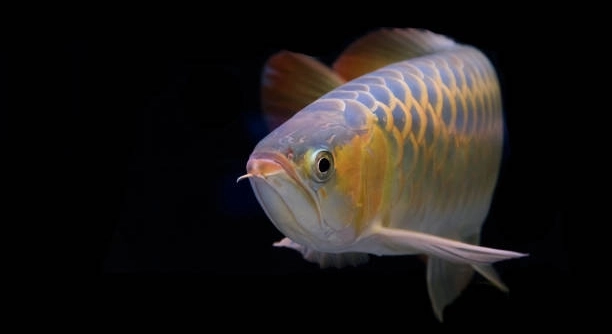
Arowanas are graceful fish that bring beauty to any aquarium. Observing them swim calmly is a peaceful experience, but their breathing patterns can reveal much about their overall health and comfort.
Normal breathing for arowanas involves steady, rhythmic movements of the gill covers. Healthy arowanas maintain a consistent rate without rapid gasping or labored breathing. This indicates proper oxygen exchange and the absence of stress or underlying illness.
Monitoring your arowana closely helps ensure its wellbeing. Even subtle changes in breathing can provide important clues about its health and environment.
Understanding Arowana Breathing Patterns
Arowanas breathe by moving water over their gills, and their breathing patterns are usually steady and even. When I first got my arowana, I noticed how it paused calmly near the surface, then gently opened and closed its gill covers. Healthy arowanas rarely gasp for air unless the water oxygen level is low. Rapid gill movement or irregular breathing can signal stress, poor water quality, or illness. Temperature changes also influence their breathing. Warmer water often increases their breathing rate, while cooler water slows it down. I learned that observing their natural rhythm helps me notice problems early. Maintaining clean water, proper filtration, and stable temperature are essential. Arowanas can adjust slightly to changes, but persistent irregularities indicate a need for action. Watching them over several days gives a clear baseline of what normal looks like for each fish, helping prevent serious health issues.
Observing your arowana regularly allows you to catch early signs of stress or disease before they escalate.
Breathing patterns are subtle indicators of health. By noting gill movement, swimming behavior, and response to feeding, I can ensure my arowana is thriving. Adjusting tank conditions promptly often restores normal breathing and maintains its wellbeing.
Factors Affecting Breathing Rate
Water oxygen levels greatly influence breathing. Low oxygen forces arowanas to breathe faster and sometimes swim near the surface more often.
Temperature, activity, and water quality all affect breathing rates. Warm water increases metabolism, raising oxygen demand, while poor water quality can irritate gills and lead to labored breathing. I noticed that after adding a new filter and stabilizing the temperature, my arowana’s breathing became more relaxed. Overfeeding can also indirectly affect oxygen levels, causing faster gill movement. Watching the tank environment carefully and making gradual changes helps maintain normal respiration. Tankmates can play a role as well, as aggressive or large fish may stress the arowana, causing temporary spikes in breathing. Feeding schedules, aeration, and filtration adjustments all contribute to stabilizing breathing patterns. Recognizing these factors makes it easier to identify real health issues versus temporary responses to environmental changes. Keeping a small journal of observations helped me notice patterns over time, ensuring the arowana remained healthy and calm in its home.
Signs of Abnormal Breathing
Labored or rapid gill movement often indicates stress, illness, or poor water conditions. I noticed my arowana’s gills flaring more than usual after a sudden temperature drop.
Abnormal breathing can appear as gasping at the surface, irregular gill movements, or sudden pauses while swimming. Stress from overcrowding or aggressive tankmates can trigger these patterns. Illnesses such as gill parasites or bacterial infections often cause rapid breathing. Water quality issues, including high ammonia or low oxygen, are common contributors. I learned to test water regularly and observe my arowana’s daily habits. Early detection allows for timely adjustments, whether it’s water changes, improved aeration, or isolating a sick fish. Keeping notes on behavior trends makes spotting abnormal breathing easier and more reliable.
Labored breathing may coincide with lethargy, loss of appetite, or unusual swimming. In my experience, combining visual observation with water testing and environmental checks ensures a timely response. Adjusting tank parameters and monitoring progress usually restores normal respiration within a few days.
Maintaining Healthy Respiration
Proper filtration and aeration are key to keeping oxygen levels stable. I upgraded my tank filter to improve water circulation.
Regular water changes, a stable temperature, and avoiding overfeeding all contribute to healthy breathing. Arowanas need clean, oxygen-rich water to maintain normal gill movement. High temperatures increase metabolism and oxygen demand, while low temperatures slow it down. Providing hiding spots reduces stress, preventing sudden spikes in breathing rate. Monitoring tank conditions and making incremental changes helps prevent respiratory issues. I noticed that consistent feeding schedules and occasional tank maintenance greatly reduced abnormal breathing episodes. Observing these small details ensures the fish stays active and calm, creating a balanced environment where it can thrive.
Common Triggers for Rapid Breathing
Sudden changes in water temperature can make arowanas breathe faster. I noticed mine reacting immediately after a heater malfunction.
Poor water quality, overfeeding, or stress from aggressive tankmates also cause rapid gill movements. Regular monitoring helps prevent these issues.
Observing Gill Movements
Steady, rhythmic gill movement indicates normal breathing. I track the rate daily to compare with baseline behavior. Rapid flaring, uneven movement, or prolonged pauses are signs that something needs attention. Noticing these patterns early allows me to adjust water conditions, diet, or tank setup before problems worsen. Observing during feeding and rest provides the clearest picture.
When to Seek Help
Persistent abnormal breathing, lethargy, or loss of appetite should prompt expert advice. Acting quickly prevents long-term health issues.
FAQ
What is the normal breathing rate for an arowana?
Arowanas usually breathe steadily and rhythmically. On average, I’ve observed mine moving its gills about 30–40 times per minute at room temperature. Breathing should be consistent, without gasping or long pauses. Minor changes can occur depending on activity or temperature, but sudden spikes often signal stress or water issues.
How can I tell if my arowana is breathing too fast?
Rapid gill movements, frequent surface visits, or flared gills are the main indicators. I once noticed mine breathing quickly after adding new tank decorations. Keeping notes on normal behavior helps me spot deviations early. Immediate water testing and observing tank conditions often reveal the underlying cause.
Can water temperature affect breathing?
Yes. Warmer water increases metabolism, making arowanas breathe faster. Cooler water slows breathing. I’ve learned to maintain a stable temperature with a reliable heater and thermometer to prevent sudden spikes in gill movement. Gradual changes are better than sudden adjustments.
Does tank size influence breathing patterns?
Smaller tanks can stress arowanas, leading to faster or erratic breathing. In my experience, larger tanks allow more stable water conditions and reduce oxygen fluctuations, which keeps their breathing steady. Overcrowding or aggressive tankmates can also increase stress and breathing irregularities.
What role does oxygen play in breathing?
Oxygen levels are crucial. Low oxygen makes arowanas gasp at the surface or breathe rapidly. I make sure to use good filtration, occasional aeration, and regular water changes to keep oxygen levels high. Plants can help, but strong circulation matters more in my tank setup.
Can diet affect breathing?
Yes. Overfeeding can reduce water quality, indirectly causing faster breathing. I feed mine in small portions and remove leftovers promptly. High-protein foods increase metabolism slightly, so I balance meals to avoid unnecessary stress on the gills.
When should I consult a vet?
Persistent abnormal breathing, lethargy, or loss of appetite are signs to seek professional advice. I’ve learned not to wait too long, as early treatment prevents serious illness. Keeping a record of water conditions and feeding habits makes consultations more effective.
Do tank decorations impact breathing?
Yes, but subtly. Sharp or rough decorations can injure gills, causing irregular breathing. I choose smooth, spacious setups that allow my arowana to swim freely. Hiding spots reduce stress, which keeps breathing calm.
How often should I monitor my arowana’s breathing?
Daily observation is ideal. I watch during feeding and rest periods to understand normal patterns. Noting gill movement, swimming behavior, and surface visits provides a clear baseline. Consistent monitoring helps detect issues before they become serious.
Can stress change breathing temporarily?
Yes. Loud noises, aggressive tankmates, or sudden changes in the environment can cause temporary rapid breathing. I noticed my arowana recover quickly after minor disturbances once water conditions were stable. Keeping stress low prevents repeated spikes in gill movement.
What are signs of long-term respiratory problems?
Chronic rapid breathing, constant surface gasping, and fatigue are warning signs. I keep track of these over weeks, along with water quality tests, to ensure they’re not ignored. Timely intervention with filtration, temperature control, or vet care prevents serious health decline.
Can water pH affect breathing?
Yes. Extreme pH levels irritate gills, causing abnormal breathing. I maintain a neutral to slightly acidic range in my tank. Regular testing and gradual adjustments help avoid stress and keep the arowana breathing normally.
How does activity level influence breathing?
Active swimming temporarily increases gill movement. I distinguish this from abnormal breathing by observing whether the pattern returns to normal at rest. Frequent or excessive activity due to stress may require changes in tank setup or environment.
Are there signs of gill infections I can spot early?
Yes. Swollen, reddened gills, mucus buildup, or irregular flaring indicate infection. I monitor closely during water changes and when introducing new fish. Prompt isolation and treatment prevent the problem from spreading and restore normal breathing quickly.
How do I maintain long-term healthy breathing?
Regular water testing, stable temperature, proper feeding, and observation are essential. I maintain filtration, perform weekly water changes, and note any behavioral changes. Keeping stress low and providing space for swimming ensures the arowana breathes steadily for years.
Can lighting affect breathing?
Indirectly. Bright or harsh lighting can stress arowana, leading to temporary rapid gill movement. I use gentle, consistent lighting schedules to maintain calm and reduce irregular breathing patterns.
Do seasonal changes impact breathing?
Yes, especially temperature fluctuations in rooms without climate control. I adjust heaters or aeration as needed during seasonal shifts to maintain stable respiration. Sudden drops or rises in temperature often cause noticeable changes in gill movement, which need monitoring.
Is it normal for arowanas to breathe faster after feeding?
Slightly faster breathing can occur due to increased metabolism. I watch to ensure it returns to normal within a few minutes. Persistent rapid breathing after feeding usually points to water issues or overfeeding.
How can I make long-term breathing observations easier?
I keep a simple journal noting gill movement, swimming patterns, and environmental changes. Consistent records help distinguish normal variations from real problems. It also makes communicating with a vet easier if health issues arise.
What should I do if breathing suddenly changes overnight?
Check water quality, temperature, and oxygen levels immediately. I isolate the fish if needed and monitor closely. Often, quick adjustments restore normal respiration, but prolonged abnormal breathing may require veterinary care.
This FAQ section covers the most common concerns I’ve faced with my arowana’s breathing. Daily observation, stable tank conditions, and attention to subtle signs ensure that normal breathing patterns are maintained.
Final Thoughts
Arowanas are sensitive fish, and their breathing is one of the clearest ways to understand their health. From my experience, observing gill movement daily is the most reliable method to notice changes early. Normal breathing is steady, rhythmic, and unhurried, while irregular or rapid gill movements often indicate stress, poor water quality, or illness. I’ve found that simply spending time near the tank, watching the fish swim and breathe, provides a lot of insight. Even small variations in behavior can be meaningful, and noting these patterns helps prevent serious problems before they start. Regular observation also allows me to see how environmental changes, such as water temperature or new tankmates, affect breathing, which is valuable information for maintaining a healthy aquarium.
Maintaining arowanas involves more than just feeding them; the tank environment is just as important. Stable temperature, clean water, proper filtration, and adequate space all play a role in keeping breathing normal. Overfeeding, poor water quality, and overcrowding are common causes of stress that can directly affect gill movement. I’ve learned that adjusting these factors promptly often resolves minor breathing issues without the need for medication. Even factors like lighting and decorations can influence stress levels, which indirectly affects breathing. Creating a calm and balanced environment has made a noticeable difference in how steadily my arowana breathes. It’s reassuring to see the fish swimming calmly, with gills moving evenly, as it shows that the overall tank setup is meeting its needs.
Finally, long-term health depends on consistent care and attention. Keeping track of water parameters, feeding habits, and behavioral patterns creates a clear picture of what “normal” looks like for each individual fish. I’ve found that writing simple notes about breathing patterns, swimming behavior, and reactions to environmental changes makes it easier to spot potential problems early. When issues arise, quick action, whether it’s a water change, aeration adjustment, or consulting a professional, helps prevent lasting damage. Patience and observation are key; changes in breathing are often subtle, and understanding them takes time. By focusing on these small, daily practices, I’ve been able to maintain arowanas that are active, calm, and healthy, with steady breathing that reflects their overall wellbeing. This attention to detail ensures that the fish thrives in its home and reduces the risk of unexpected health issues.

Hello,
If you enjoy the content that we create, please consider saying a "Thank You!" by leaving a tip.
Every little bit helps us continue crafting quality advice that supports the health, happiness, and well-being of pets around the world, for pets of all shapes, sizes, and species.
We really appreciate the kindness and support that you show us!