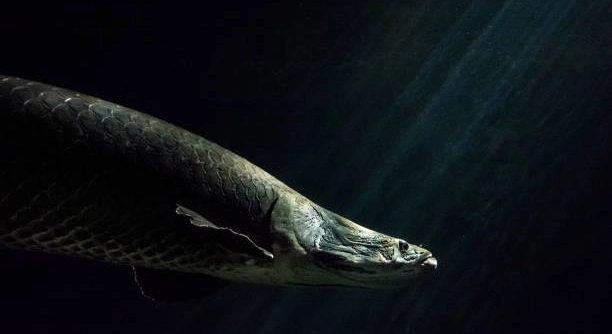
Why Is My Arowana Always Facing the Back Wall?
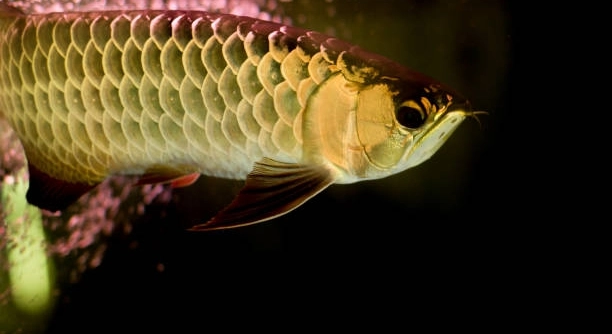
Is your arowana constantly facing the back wall of its tank, leaving you puzzled about its behavior? Many fish owners notice this unusual habit and wonder if it signals stress, illness, or simply a quirk of their pet. Arowanas often face the back wall due to environmental stressors, limited space, or water quality issues. This … Read more
7 Ideal Tank Decorations for Arowana (Safe Options)

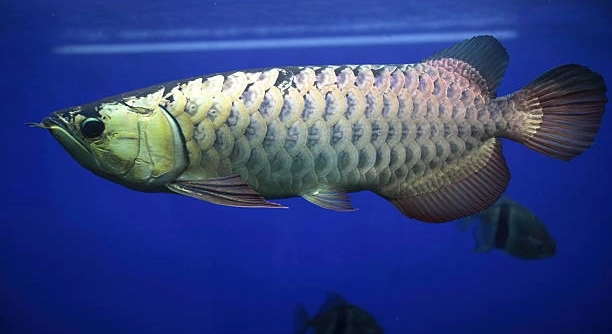
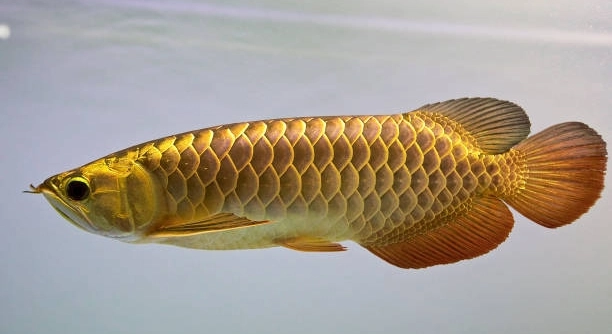
Are your Arowanas swimming in a plain tank without much stimulation? Many fish owners struggle to find decorations that are both attractive and safe for these large, sensitive fish. Arowanas need space and safety to thrive. Selecting appropriate tank decorations for Arowanas involves choosing items that do not have sharp edges, are durable, and will … Read more

How Do Arowana React to New Scents?

Arowanas are majestic fish known for their graceful movements and striking appearance. Observing them closely reveals subtle behaviors that often go unnoticed. These fish respond to changes in their environment in unique ways, including new scents introduced into their tank. Arowanas react to new scents primarily through cautious investigation and changes in swimming patterns. They … Read more

7 Subtle Ways Arowana Communicate Mood

Do you enjoy observing your Arowana swim gracefully through its tank but notice subtle changes in its behavior? These fish often express themselves quietly, through small movements and gestures that reveal their mood and well-being. Arowanas communicate mood through body posture, fin movements, swimming patterns, and subtle color changes. Observing these behaviors provides insight into … Read more

7 Food Items That Bring Out Arowana Energy

Are you looking to boost the vibrancy and vitality of your arowana through diet? Feeding the right foods can significantly influence their energy, color, and overall health, making them more lively and active in their environment. Certain food items, such as high-protein fish, shrimp, insects, and nutrient-rich pellets, are scientifically linked to enhanced arowana energy … Read more

Should You Add Salt to an Arowana Tank?

Keeping an arowana can be a rewarding experience, but it comes with responsibilities. Many aquarists focus on water quality, diet, and tank setup, yet small adjustments like adding salt are often debated among fish keepers. Adding salt to an arowana tank can be beneficial in moderation. It helps reduce stress, prevent minor infections, and maintain … Read more

7 Questions to Ask Before Upgrading a Tank

Have you ever looked at your aquarium and thought your fish might need a little more space or a better setup to thrive? Upgrading a tank requires careful consideration of several factors, including size, filtration, water quality, and the needs of the species you keep. Evaluating these elements beforehand ensures a safe, balanced environment that … Read more

How to Help a Lonely Arowana Adjust

Is your arowana showing signs of restlessness or hiding in its tank more than usual? Loneliness can affect these fish just like it affects other pets. Helping them adjust can improve their overall health and behavior. The most effective way to help a lonely arowana adjust is by gradually enriching its environment. Providing hiding spots, … Read more

What Does It Mean When Arowana Swim in Spirals?

Many aquarium keepers notice their arowana gliding in slow spirals, a movement that feels both graceful and puzzling. This gentle pattern often prompts interest, leading to a closer look at what shapes the fish’s behavior. Arowana swim in spirals primarily due to environmental factors that influence orientation and balance. These movements can reflect water flow, … Read more

How to Tell If Your Arowana Is Lonely

Have you ever noticed your arowana swimming alone in its tank and wondered if it might be missing companionship? Watching their movements and behavior can sometimes reveal subtle signs of emotional states in these elegant fish. Arowanas may exhibit loneliness through reduced activity, lack of appetite, or persistent hiding. Consistent monitoring of their social interactions … Read more