
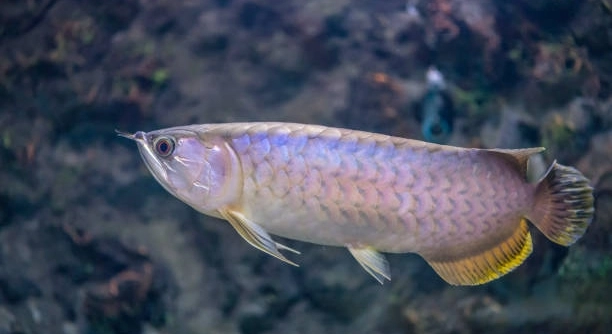
Have you ever noticed your arowana rubbing its head against the tank decorations or walls? Watching this behavior can feel worrying, especially when your fish seems uncomfortable or restless in its usual environment.
Head scratching in arowanas is often caused by parasites, poor water quality, or irritation from tank surfaces. Identifying the root cause quickly is essential, as prolonged scratching can lead to skin damage, infections, and stress affecting overall health.
Learning the main causes and how to manage them will help keep your arowana healthy, comfortable, and thriving in its aquatic home.
Common Causes of Head Scratching
Arowanas often scratch their heads due to irritation or discomfort in their environment. Parasites, like ich or external flukes, attach to the skin and create itching. Poor water quality can also lead to skin sensitivity. High levels of ammonia or nitrites damage the protective slime layer, causing the fish to rub against objects. Sharp decorations or rough surfaces in the tank may create scratches and abrasions, encouraging more rubbing. Stress from overcrowding, sudden temperature changes, or incompatible tankmates can also make arowanas more prone to head scratching. Monitoring the tank regularly for cleanliness, water parameters, and fish behavior can help prevent these issues. Early detection is crucial to avoid infections. Observing how often and in what manner the fish scratches its head can give clues about whether the problem is environmental, parasitic, or behavioral. Adjustments to diet, tank setup, and water care often alleviate the behavior.
Parasites and poor water quality are the most frequent reasons for head scratching in arowanas.
Addressing these causes usually involves testing water parameters, performing partial water changes, and providing treatment for infections. Ensuring decorations are smooth and safe can prevent injury, and reducing stress through proper tank conditions supports the fish’s recovery.
How to Prevent Head Scratching
Keeping water clean and stable is the first step. Regular testing for ammonia, nitrites, and nitrates ensures a healthy environment.
Preventing head scratching requires consistent tank maintenance and observation. Use gentle filtration, avoid overcrowding, and choose smooth decorations. Quarantining new fish or plants before introducing them reduces parasite risks. Feeding high-quality food supports immunity, making arowanas less susceptible to irritation. Monitoring behavior daily helps detect early signs of stress or infection. Maintaining stable temperature and pH levels is also key, as sudden changes can trigger rubbing. If parasites are present, appropriate treatments should be applied according to the type and severity. Sometimes, changing tank layout or substrate material reduces head injuries, providing a safer environment for exploration. Simple adjustments in care can make a significant difference, helping the fish remain comfortable, healthy, and free from repeated scratching. Combining observation, water management, and diet forms a solid routine for long-term prevention and fish wellbeing.
Treating Head Scratching
Observation is key when treating head scratching. Identify if it is caused by parasites, poor water quality, or physical irritation. Early intervention prevents infections and reduces stress for your arowana.
Treating the problem starts with correcting water parameters. Regular water changes help reduce ammonia and nitrite levels, restoring a safe environment. If parasites are detected, use proper medications following instructions carefully to avoid harming your fish. Removing rough decorations or repositioning objects can prevent additional injuries. Maintaining a consistent feeding schedule with nutritious food strengthens the fish’s immune system. Monitoring progress daily allows you to track improvements and adjust treatments as needed. Combining these methods ensures both immediate relief and long-term health.
Sometimes, repeated scratching continues even after treatment. This may indicate underlying stress or lingering parasites. Continuing careful observation and water management, along with occasional checkups, ensures your arowana remains comfortable and reduces the chance of recurring issues.
Signs of Serious Problems
Persistent scratching accompanied by white spots, redness, or swelling signals a serious issue. Immediate action is necessary to prevent worsening conditions.
Serious problems often stem from infections or untreated parasites. If your arowana shows visible lesions, torn fins, or constant rubbing, quarantine the fish to prevent spreading disease. Testing water quality again is essential, as poor conditions weaken the immune system and make infections harder to treat. Using appropriate medications while keeping the tank clean promotes faster recovery. Stress reduction, including minimizing sudden temperature changes and avoiding aggressive tankmates, also supports healing. Consulting a professional or experienced aquarist can provide guidance on complex cases, ensuring your arowana receives proper care and treatment.
Ignoring these signs can lead to rapid deterioration. Severe infections or prolonged stress may affect appetite, growth, and overall health. Immediate action, careful observation, and targeted treatment protect your arowana and help restore its comfort and well-being.
Environmental Adjustments
Adjusting the tank environment can greatly reduce head scratching. Smooth decorations, soft substrate, and proper hiding spots prevent injuries and irritation. Maintaining stable water temperature and pH also helps your arowana feel secure and comfortable in its habitat.
Lighting and tank layout affect behavior too. Bright, harsh lighting or cramped spaces can increase stress. Positioning decorations carefully and ensuring enough swimming space allows natural movement without accidental rubbing or collisions.
Diet and Nutrition
Arowanas with balanced diets are less prone to skin issues. High-quality pellets, occasional live or frozen foods, and vitamin supplements support strong immunity and overall health. Avoid overfeeding, as excess waste can degrade water quality, contributing to irritation and scratching.
Monitoring Behavior
Watch your arowana daily for unusual rubbing or scratching. Early detection of changes helps address problems before they become serious. Patterns in behavior often reveal underlying health or environmental issues.
FAQ
Why does my arowana scratch its head only at night?
Nighttime scratching often relates to stress or irritation that worsens in low light. Parasites are sometimes more active at night, causing discomfort. Check water quality and examine the fish for external parasites or injuries. Ensuring a calm, stable environment overnight helps reduce this behavior.
Can poor water quality alone cause head scratching?
Yes. High levels of ammonia, nitrites, or nitrates damage the protective slime layer on your arowana, making it sensitive to irritation. Regular water testing and partial water changes prevent these issues and help maintain a healthy environment.
Are tank decorations responsible for scratching?
Rough or sharp decorations can injure an arowana’s head, prompting rubbing. Smooth surfaces and safe hiding spots reduce the risk of physical irritation. Rearranging decorations to avoid tight spaces or sharp edges can prevent repeated injuries.
Does diet affect head scratching?
A balanced diet strengthens the immune system, making fish less prone to skin issues and irritation. Overfeeding can harm water quality, indirectly causing scratching. Providing high-quality pellets, frozen or live foods, and occasional vitamin supplements keeps your arowana healthy.
How can I tell if scratching is caused by parasites?
Look for white spots, redness, or small lesions on the head and body. Persistent rubbing against surfaces, torn fins, and lethargy often indicate parasitic infestations. Quarantine new fish and plants, and use appropriate medications if parasites are detected.
When should I consult a professional?
If head scratching continues after water adjustments, diet changes, and parasite treatment, professional advice is necessary. Severe injuries, constant rubbing, or visible infections require expert care to prevent long-term health problems.
Can stress cause my arowana to scratch?
Yes. Stress from overcrowding, incompatible tankmates, sudden water changes, or loud disturbances can trigger rubbing behavior. Providing stable conditions, proper space, and compatible companions reduces stress and discourages scratching.
Will head scratching heal on its own?
Minor irritation may resolve if the environment is corrected, but persistent scratching usually signals underlying problems. Ignoring it can lead to infections, fin damage, and prolonged stress, making timely intervention important.
How often should I check water quality to prevent scratching?
Test water parameters at least once a week, including ammonia, nitrites, nitrates, pH, and temperature. Frequent monitoring helps catch problems early and reduces risks of irritation that lead to head scratching.
Are some arowanas more prone to head scratching than others?
Individual fish vary in sensitivity. Younger arowanas, newly introduced fish, or those recovering from illness are more likely to rub their heads. Observing each fish’s behavior and adjusting care accordingly ensures comfort and reduces risks.
Is it safe to treat scratching with over-the-counter medications?
Some medications are safe if used according to instructions, but improper use can harm your arowana or tank ecosystem. Identify the exact cause—parasites, infection, or irritation—before treatment. Consulting a knowledgeable aquarist or veterinarian ensures safe and effective care.
How long does it take for head scratching to stop?
The duration depends on the cause. Water adjustments may show results in a few days, while parasite treatment or healing from injuries may take weeks. Monitoring progress daily helps determine whether further interventions are needed.
Can changing tankmates reduce head scratching?
Aggressive or overly active tankmates can stress arowanas, increasing rubbing behavior. Introducing compatible fish and avoiding overcrowding creates a calmer environment, reducing the likelihood of scratching and promoting overall health.
Is quarantine necessary for new fish to prevent head scratching?
Yes. Quarantining new fish for at least two weeks prevents the introduction of parasites or diseases that may irritate your arowana, reducing head scratching risks and protecting the entire tank population.
Can temperature fluctuations make scratching worse?
Sudden or extreme changes in temperature stress arowanas and may worsen irritation. Maintaining consistent temperatures within the ideal range for your species helps reduce rubbing and supports recovery from injuries or infections.
Are there signs that scratching is purely behavioral?
If water quality is optimal, no parasites are present, and no injuries are visible, scratching may be due to behavioral stress or boredom. Providing enrichment, hiding spots, and ample swimming space helps reduce non-health-related rubbing.
Can head scratching affect other parts of the body?
Yes. Continuous rubbing can injure fins, scales, and skin beyond the head. Early attention prevents secondary infections and promotes full recovery, keeping your arowana healthy and comfortable.
What routine care helps prevent head scratching long-term?
Regular water testing, proper diet, careful tank setup, compatible tankmates, and monitoring behavior consistently minimize risks. Preventive care ensures the fish stays comfortable, healthy, and free from persistent irritation or injury.
Does age affect scratching behavior?
Younger arowanas may scratch more due to sensitivity or adjusting to new tanks. Older fish may have pre-existing injuries or slower healing. Adjusting care according to age helps prevent recurring problems and keeps all fish healthy.
How do I know if scratching is dangerous?
Dangerous scratching often appears with lesions, bleeding, fin damage, lethargy, or loss of appetite. Immediate intervention, treatment, and environmental adjustments are necessary to prevent worsening health issues.
Can scratching be seasonal?
In some cases, water temperature and light changes with seasons affect behavior. Cooler or warmer water outside optimal ranges may increase irritation. Monitoring seasonal shifts and adjusting tank conditions reduces seasonal scratching episodes.
Is medication always required for scratching?
Not always. If scratching is caused by rough surfaces, stress, or minor irritation, environmental adjustments and proper care may suffice. Medication is mainly needed for parasites or infections confirmed through observation or testing.
How can I track progress after treatment?
Observe frequency and intensity of scratching daily, note water parameters, and monitor healing of skin or fins. Recording changes over time helps determine if interventions are effective or if additional measures are needed.
Can head scratching return after it stops?
Yes. If the original cause is not fully addressed—such as poor water quality, stress, or parasites—scratching may recur. Maintaining proper care and monitoring prevents future episodes and keeps your arowana comfortable.
Does tank size matter for preventing scratching?
Smaller tanks can increase stress, limit movement, and cause accidental rubbing against decorations. Providing sufficient space for swimming and turning reduces irritation and discourages head scratching, promoting healthier behavior overall.
Can stress from transport or relocation trigger scratching?
Yes. Moving arowanas to new tanks or during transport can cause stress and temporary rubbing behavior. Minimizing sudden changes, acclimating fish slowly, and ensuring stable conditions help reduce post-transport scratching.
Are there natural remedies for mild scratching?
Some aquarists use salt baths or plant-based treatments to soothe minor irritation, but these should be applied cautiously. Understanding the cause is crucial; natural remedies work best as supportive measures, not replacements for proper care or medical treatment.
How do I prevent scratching in a multi-fish tank?
Separate aggressive fish, monitor interactions, and provide hiding spots. Keep water clean and ensure enough space. Reducing stress and environmental hazards lowers the likelihood of head scratching in tanks with multiple fish.
Can scratching indicate underlying illness?
Yes. Scratching may signal bacterial, fungal, or parasitic infections. Early detection through observation and proper treatment helps prevent serious complications and promotes faster recovery.
Is quarantine necessary after treatment of a sick fish?
Quarantine helps prevent reinfection and protects healthy fish. It allows controlled treatment, monitoring of recovery, and reduces stress on the entire tank, ensuring the sick arowana heals safely.
How often should I inspect decorations for safety?
Regularly inspect tank items for rough edges, sharp points, or wear. Smooth and safe surfaces prevent accidental injuries that lead to scratching and ensure a safer environment for your arowana.
Can head scratching affect growth?
Severe or chronic scratching can stress fish, reduce appetite, and make them more prone to infections, potentially slowing growth. Maintaining proper care and addressing the cause promptly supports healthy development and overall well-being.
Is it normal for arowanas to scratch occasionally?
Occasional rubbing can be normal, especially when exploring new decorations or adjusting to the tank. Persistent, frequent, or aggressive scratching signals a problem that requires attention to prevent health issues.
Can scratching indicate poor nutrition?
Yes. Deficiencies in vitamins or minerals weaken the immune system, making fish more prone to irritation and infections. A balanced diet reduces scratching related to nutritional problems and supports overall health.
Are there signs that water changes are helping?
Reduced frequency and intensity of scratching, improved skin appearance, and more active swimming indicate positive effects from water changes. Monitoring behavior after adjustments confirms progress and effectiveness.
Does tank lighting influence scratching behavior?
Harsh or bright lights may stress arowanas, leading to rubbing against surfaces. Soft, stable lighting and consistent day-night cycles help maintain comfort and reduce irritation.
Can head scratching lead to death?
If left untreated, severe infections or prolonged stress can become life-threatening. Prompt intervention, environmental adjustments, and proper treatment prevent serious complications and support survival.
How do I maintain long-term prevention?
Consistent tank maintenance, observation, high-quality diet, and stress reduction form the foundation for preventing head scratching. Addressing minor issues early keeps your arowana healthy, comfortable, and free from recurring irritation.
Can environmental enrichment reduce scratching?
Yes. Providing hiding spots, safe decorations, and space to explore allows natural behavior without injuries. Enrichment reduces boredom and stress, which are common triggers for head scratching.
Is scratching more common in certain arowana species?
Some species may be more sensitive to water quality or tank conditions. Understanding your arowana’s specific needs ensures proper care and reduces the likelihood of scratching behavior.
How do I differentiate normal rubbing from harmful scratching?
Normal rubbing is brief and infrequent, often during exploration. Harmful scratching is frequent, intense, or accompanied by lesions, redness, or lethargy. Close observation helps determine when intervention is needed.
Can overfeeding increase scratching?
Indirectly. Overfeeding produces excess waste, degrading water quality and causing irritation. Feeding appropriate amounts maintains water health and reduces scratching risks.
Does tank location matter for preventing stress-related scratching?
Yes. Placing the tank in a quiet, stable environment away from loud noises, vibrations, or constant disturbances reduces stress and decreases rubbing behavior.
Are there signs that the tank is too small?
Limited swimming space, frequent collisions with decorations, and increased scratching can indicate an undersized tank. Providing ample room promotes natural movement and comfort, reducing irritation.
Can scratching behavior be reversed completely?
Yes, if the cause is properly addressed. Environmental adjustments, treatment of parasites or infections, stress reduction, and proper diet usually restore normal behavior and prevent recurrence.
How long should I monitor after treatment?
Continue daily observation for at least a few weeks after treatment. Watch for recurring scratching, lesions, or stress signs to ensure the arowana has fully recovered.
Does stress from handling trigger scratching?
Frequent or rough handling can stress arowanas, leading to rubbing behavior. Minimize handling and use gentle techniques to reduce irritation and support comfort.
Can scratching occur without visible injuries?
Yes. Early-stage irritation, parasites, or stress may trigger scratching before lesions appear. Preventive care and observation are key to addressing problems early.
What combination of care practices works best?
Maintaining water quality, providing a balanced diet, ensuring safe decorations, reducing stress, and monitoring behavior consistently helps prevent scratching and supports overall arowana health.
Is it safe to mix different medications if scratching persists?
Only under professional guidance. Mixing treatments can harm fish or disrupt tank balance. Identify the cause and follow recommended protocols for safe and effective care.
How does age impact recovery from scratching?
Younger fish usually heal faster, while older or stressed arowanas may take longer. Tailoring care to age helps ensure full recovery and reduces the chance of recurring scratching.
Are there behavioral signs that scratching may return?
Increased restlessness, frequent rubbing against new objects, or mild skin irritation may signal potential recurrence. Early attention helps prevent more serious issues.
Can changing water parameters too quickly worsen scratching?
Yes. Sudden changes in temperature, pH, or hardness can stress arowanas, increasing irritation. Gradual adjustments are safer and more effective for reducing head scratching.
Does quarantine help after scratching episodes?
Quarantine prevents reinfection, allows controlled treatment, and reduces stress for the affected fish. It protects both the recovering arowana and the rest of the tank population.
Can tank cleaning alone stop scratching?
Cleaning helps by improving water quality, but if parasites, diet issues, or stress are present, additional steps are needed. A comprehensive approach ensures the behavior is fully addressed.
Is scratching always visible to the naked eye?
Not always. Early irritation or mild parasite activity may cause brief, subtle rubbing. Close observation helps detect issues before visible lesions develop.
How do I prevent scratching during seasonal changes?
Maintain stable water parameters, monitor temperature shifts, and reduce stress. Gradual adjustments to seasonal variations prevent irritation and scratching episodes.
Can scratching behavior indicate social issues in the tank?
Yes. Aggressive or dominant tankmates can stress arowanas, prompting rubbing. Observing interactions and separating problematic fish reduces scratching caused by social stress.
Are there long-term effects of repeated scratching?
Chronic scratching can lead to infections, fin damage, and stress-related health problems. Consistent care and preventive measures are essential to avoid lasting consequences.
Does hiding help reduce scratching?
Providing hiding spots allows arowanas to feel secure, lowering stress-induced rubbing. Proper shelter is an effective part of prevention and care.
Can scratching indicate water contamination from outside sources?
Yes. Tap water with high chlorine or heavy metals can irritate fish. Using conditioned water and monitoring for toxins helps prevent scratching related to contamination.
Is it normal for arowanas to recover slowly?
Yes. Healing from irritation, parasites, or stress can take time. Patience and consistent care support full recovery without worsening the issue.
Can scratching behavior be a sign of boredom?
Yes. A lack of stimulation or space may cause fish to rub against objects. Environmental enrichment and adequate tank space help reduce boredom-related scratching.
How do I balance multiple preventive measures?
Maintain clean water, balanced diet, safe decorations, stress reduction, and behavior monitoring consistently. Combining these practices ensures long-term prevention and keeps your arowana healthy and comfortable.
Is head scratching more common in indoor tanks?
Indoor tanks may have fluctuating temperatures, lighting issues, or limited space, increasing the risk. Careful environmental management reduces scratching occurrences in indoor setups.
Can scratching occur during breeding periods?
Yes. Hormonal changes or increased activity during breeding may trigger rubbing. Providing sufficient space and safe areas helps reduce irritation during this period.
How often should I review tank setup for safety?
Regularly, at least monthly. Checking for rough edges, overcrowding, or changes in water parameters ensures a safe environment and reduces scratching risks.
Are there signs that scratching is improving?
Less frequent rubbing, healed lesions, improved activity, and stable appetite indicate progress. Continued observation confirms recovery and effectiveness of care measures.
Can scratching occur even in pristine tanks?
Yes. Even with optimal water quality, parasites, stress, or incompatible tankmates can trigger scratching. Vigilance in observation and preventive care remains important.
Does stress from loud noises affect scratching?
Yes. Vibrations or sudden loud sounds can increase stress and rubbing behavior. Keeping the tank in a quiet location helps reduce this trigger.
Can scratching be a minor phase or permanent habit?
Minor irritation may resolve quickly, but repeated issues due to parasites, injuries, or stress can develop into a persistent habit. Addressing causes early prevents long-term problems.
Is it safe to handle the fish during scratching episodes?
Minimize handling to reduce stress and injury risk. Only handle gently when necessary for treatment, tank adjustments, or health checks.
How do I know if scratching is environmental rather than health-related?
If water quality, tank setup, and stress are factors and no lesions or parasites are present, the behavior is likely environmental. Adjusting conditions usually resolves the issue.
Can scratching occur without visible water quality issues?
Yes. Subtle changes in pH, temperature, or unnoticed toxins may cause irritation. Regular monitoring helps identify hidden environmental factors.
Do different arowana sizes scratch differently?
Larger arowanas may rub with more force, causing visible damage, while smaller ones may scratch gently. Adjusting decorations and tank layout accommodates all sizes safely.
Can repeated scratching affect behavior long-term?
Chronic irritation and stress may make fish skittish, less active, or more prone to disease. Early intervention prevents lasting behavioral and health impacts.
Is scratching linked to poor tank maintenance?
Often. Dirty water, sharp decorations, or overcrowding are common triggers. Consistent care reduces the risk and promotes overall fish health.
Can scratching be seasonal due to lighting changes?
Yes. Longer or shorter daylight periods may stress fish or affect parasite activity. Maintaining consistent lighting schedules helps reduce seasonal scratching.
How do I safely introduce treatments without worsening scratching?
Follow instructions carefully, monitor fish closely, and adjust tank conditions gradually. Avoid overmedication or sudden changes that could increase stress or irritation.
Can scratching be a sign of fatigue?
Yes. Tired or weakened fish may rub more frequently. Supporting recovery with clean water, proper diet, and minimal stress helps reduce scratching episodes.
Does scratching indicate pain?
Scratching is a response to discomfort rather than direct pain. It signals irritation, stress, or underlying health issues that need attention to prevent further harm.
How do I differentiate minor vs. serious scratching?
Minor scratching is occasional and brief; serious scratching is frequent, intense, or accompanied by visible lesions, redness, or behavioral changes. Careful observation helps determine the severity and next steps.
Is scratching a sign of environmental mismatch?
Yes. Improper temperature, pH, tank size, or incompatible tankmates can trigger scratching. Correcting these factors usually resolves the behavior.
Can scratching behavior influence feeding habits?
Persistent irritation may reduce appetite, as stress and discomfort affect normal feeding. Resolving the cause helps restore regular eating patterns and overall health.
Does scratching occur more in certain tank setups?
Tanks with sharp decorations, limited swimming space, or fluctuating water quality increase scratching risk. Optimizing layout and conditions minimizes this behavior.
Are there hidden triggers for scratching I might miss?
Yes. Parasites, subtle water quality changes, stress from tankmates, or even seasonal shifts can cause scratching. Careful observation and monitoring help uncover these hidden triggers.
How can I track improvement in scratching behavior?
Maintain a journal of daily observations, noting frequency, intensity, and
Final Thoughts
Head scratching in arowanas is a common issue that can have multiple causes, from parasites and poor water quality to environmental stress and minor injuries. Observing your fish carefully and regularly is essential to understanding the root cause. Even small changes in behavior, such as rubbing more frequently or in a different part of the tank, can provide important clues. Addressing problems early can prevent injuries and infections from developing, which helps your arowana stay healthy and comfortable. Consistency in care is one of the most effective ways to reduce the likelihood of scratching. Regular water testing, proper diet, and a safe tank setup work together to maintain a stable environment. Keeping an eye on your arowana’s behavior and physical condition allows you to respond quickly if problems arise, which is especially important because fish often hide discomfort until it becomes severe.
Preventing head scratching is as much about maintenance as it is about observation. Maintaining water quality through partial water changes and monitoring key parameters like ammonia, nitrites, and pH is critical. Providing decorations that are smooth and safe, along with sufficient swimming space, helps prevent physical irritation. Stress reduction is another key factor; overcrowding, incompatible tankmates, and sudden environmental changes can trigger scratching behavior. Diet also plays an important role, as a well-balanced diet strengthens the immune system and improves resistance to minor irritations or parasites. In addition to these measures, quarantining new fish or plants before introducing them to the main tank reduces the risk of parasites or disease. Daily or frequent observation, combined with preventive care, ensures that your arowana remains comfortable and healthy, minimizing the chances of recurring scratching.
Even when scratching is addressed and stops, long-term care remains important. Behavior can return if water quality declines, stress increases, or underlying health issues are not fully resolved. Keeping track of water conditions, tank setup, and diet helps identify early signs before they become significant problems. Monitoring your fish for subtle changes, such as reduced appetite, lethargy, or slight rubbing, allows for prompt intervention. Patience and consistency are key because some issues may take days or weeks to fully resolve. By maintaining stable conditions, addressing stressors, and providing a safe environment, you can reduce the risk of head scratching and support your arowana’s overall health and wellbeing. A careful, consistent approach ensures that your fish remains comfortable, active, and thriving in its tank for years to come.

Hello,
If you enjoy the content that we create, please consider saying a "Thank You!" by leaving a tip.
Every little bit helps us continue crafting quality advice that supports the health, happiness, and well-being of pets around the world, for pets of all shapes, sizes, and species.
We really appreciate the kindness and support that you show us!