
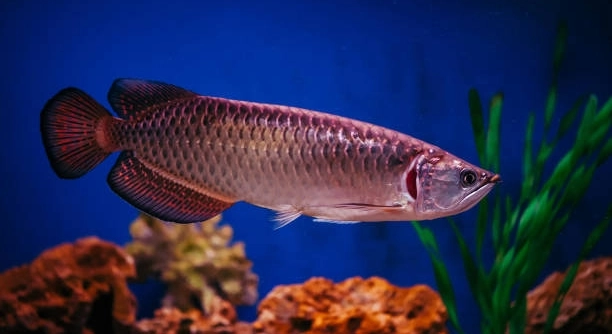
Many aquarists enjoy keeping arowanas for their graceful movements and shimmering scales. These fish are sensitive to their surroundings and can react noticeably to changes in light and activity around their tanks.
Arowanas can indeed get startled by sudden shadows. Rapid changes in light or unexpected movements near the tank may trigger a flight response, causing the fish to dart quickly or hide. This behavior is part of their natural instinct for survival.
Observing arowanas in this way helps owners understand their behavior and create a calmer, more secure environment for their fish.
How Shadows Affect Arowanas
Shadows can catch an arowana’s attention quickly. These fish are naturally alert and can interpret sudden changes in lighting as threats. In my experience, even a small shadow from a hand or object passing by the tank can cause them to react sharply. Some arowanas will swim away immediately, while others may hover near the tank surface or back into corners, appearing tense. It is clear that these reactions are instinctual, tied to their wild survival mechanisms. Consistent exposure to gentle light changes helps some fish become more accustomed over time, but sudden, sharp contrasts usually provoke noticeable reactions. The size of the tank, placement of decorations, and clarity of water can influence how pronounced these responses are. I noticed that tanks near windows or with bright overhead lights produced the most dramatic startle responses. Controlling these factors can reduce stress and make the fish feel safer.
Regularly monitoring how your arowana reacts to shadows allows you to adjust the tank environment and minimize stress effectively.
Understanding these responses is crucial for maintaining healthy arowanas, as constant stress can impact their appetite and overall well-being, leading to long-term health concerns if ignored. Observing their natural behavior, such as cautious swimming or alert postures, provides insight into their comfort level and allows owners to create more stable, calming environments. For example, using soft lighting or ensuring objects near the tank do not cast sudden shadows can help prevent frequent startling episodes. Each arowana has its own tolerance, and learning these subtleties enhances care. Tank placement, background colors, and cover availability also play roles in reducing anxiety. Over time, a calm and attentive approach results in a more confident fish that shows off its natural elegance without unnecessary stress.
Preventing Sudden Shadow Reactions
Small changes around the tank can reduce startle responses significantly.
Maintaining a consistent lighting setup and avoiding abrupt movements near the tank helps arowanas feel secure. Using dim or diffuse lighting, placing the tank away from high-traffic areas, and limiting sudden shadows improves their daily comfort. Additionally, creating areas of visual cover with plants or ornaments can allow the fish to retreat when startled, reducing stress and promoting natural behavior. Observing the fish’s reactions to changes and adjusting the environment gradually can help them adapt without constant anxiety. Some arowanas remain skittish despite efforts, but consistent, gentle management usually results in calmer and more predictable behavior. Preventing frequent stressors supports both mental and physical health.
Controlling the environment for arowanas goes beyond lighting. Tank decorations, plants, and water clarity all contribute to how secure the fish feels. Arowanas are sensitive to movement and can misinterpret reflections or shadows as threats. Placing the tank in a low-traffic room reduces sudden disturbances, while adding floating plants or visual barriers can break up sharp contrasts in light, making shadows less alarming. Even the position of the tank relative to windows and artificial light matters, as direct sunlight or abrupt lighting changes often trigger reactions. Regularly observing your fish allows you to spot patterns in their behavior and identify which areas of the tank cause anxiety. Over time, these adjustments encourage confidence and reduce erratic swimming. This careful attention not only minimizes stress but also helps arowanas display their natural grace and coloration without interference from environmental disturbances.
Tank Setup Considerations
Arowanas respond strongly to their environment. Proper tank setup can prevent frequent startling. Positioning the tank in a quiet area and minimizing reflective surfaces helps reduce sudden reactions. Using decorations and plants provides hiding spots, giving the fish security when shadows occur.
The layout of a tank plays a major role in how comfortable an arowana feels. Large open spaces with few visual barriers can make sudden shadows more alarming, while well-placed plants and driftwood break up light and offer retreat areas. I’ve noticed that adding even a few floating plants helps soften lighting contrasts, reducing startle responses significantly. Maintaining clear water is also important, as murky conditions make shadows appear sharper, increasing stress.
Lighting is equally critical. Overhead lights that turn on suddenly can trigger rapid movements. Using dimmers or timers creates gradual transitions, helping fish adjust without panic. Combining these factors—tank placement, decorations, and controlled lighting—makes a noticeable difference. Over time, these adjustments result in calmer, more confident arowanas that react less dramatically to everyday changes around their environment.
Feeding and Shadow Reactions
Arowanas may become anxious if shadows appear during feeding times. Maintaining a consistent feeding routine helps reduce stress.
Feeding requires careful observation, as sudden shadows or quick movements above the tank can make the fish dart away, refusing food. I learned that offering food from the same position each time minimizes these reactions. Using tongs or slow hand movements also helps. Shadows from other objects, like ceiling fans or passing people, can startle them mid-feeding, so keeping the feeding area quiet and free from disturbances is key.
Different types of food may also affect how easily arowanas get startled. Floating pellets and live foods create varying levels of attention, sometimes increasing sensitivity to shadows. I noticed that when feeding live foods, fish became more alert and reactive, possibly because of the natural hunting instinct. Adjusting feeding schedules and methods gradually allows arowanas to focus on eating rather than reacting to every movement above the tank. Combining consistency, gentle handling, and environmental awareness helps create a calmer routine and reduces unnecessary stress, improving overall health and growth.
Recognizing Startle Signs
Arowanas display clear signs when startled. Rapid darting, sudden pauses, or swimming close to tank walls are common behaviors. Paying attention to these signals helps in preventing repeated stress.
Other indicators include flared fins, quick gill movements, and occasional hiding. Noticing patterns over time allows adjustment of lighting or decorations to reduce triggers.
Gradual Acclimation Techniques
Introducing changes slowly helps arowanas become accustomed to shadows. For example, adjusting lighting gradually over several days prevents sudden reactions. I’ve found that adding decorations one at a time also allows the fish to explore and feel safe. Routine movements around the tank should be slow and predictable. This consistent, gentle approach encourages calmer behavior. Repeated exposure under controlled conditions reduces sensitivity over time, helping the fish adapt without panic. Combining these techniques with a stable feeding schedule further improves confidence, as the fish learns that daily activities are not threats, promoting long-term comfort.
Environmental Stability
Consistent water parameters and tank conditions reduce stress responses.
FAQ
Can sudden shadows harm my arowana?
Shadows themselves do not physically harm arowanas, but frequent startling can increase stress levels. Stress may lead to reduced appetite, sluggish behavior, and weaker immunity over time. I noticed that when shadows were frequent near my tank, my fish became less active and hesitant to eat. Minimizing abrupt light changes and controlling reflections helps prevent these stress reactions, keeping the fish healthier.
Why do arowanas dart at shadows?
Arowanas are naturally alert and cautious fish. In the wild, sudden movements or shadows could signal predators. Darting is an instinctive survival reaction. Even in a home aquarium, this reflex remains strong. I’ve seen mine respond sharply to a hand passing above the water, even without direct contact. It is not aggression but instinct.
Do all arowanas react the same way to shadows?
Not every arowana responds identically. Some are naturally calmer, while others are more skittish. Size, age, and individual temperament play a role. Younger arowanas often startle more easily, while older, accustomed fish can appear more confident. Observing your fish over time helps identify its personal tolerance to shadows.
Can tank placement reduce startle responses?
Yes. Placing the tank away from windows, high-traffic areas, or direct light sources reduces sudden shadowing. I moved my tank to a quieter corner, and the fish became noticeably calmer. Adding plants or ornaments near the sides also provides safe zones, making the fish feel less exposed.
Does lighting type affect reactions to shadows?
Lighting is a major factor. Sudden bright lights or harsh overhead lighting can startle arowanas. Soft, diffuse lighting or using timers for gradual transitions reduces these reactions. I switched to LED lights with a dimming function, and it helped my fish stay relaxed during daylight and evening hours.
Can reflections cause similar reactions?
Yes, reflections on glass or water surfaces can appear as sudden movement to an arowana. This may trigger darting or hiding. I noticed reflections from shiny objects or outside sunlight caused my fish to react, even if no real movement occurred. Reducing glare and reflections prevents unnecessary stress.
How can I help my arowana feel safe?
Providing hiding spots and consistent routines is key. Plants, driftwood, or other decorations create secure areas where the fish can retreat. Gradual, predictable feeding schedules and calm movements around the tank also improve confidence. I found that my arowana adjusted better when shadows and disturbances were minimized, and it began to explore more freely.
Does sudden movement near the tank affect them differently than shadows?
Yes, shadows and actual movement both trigger reactions, but visible movement can sometimes be more alarming. Quick hand movements, objects falling, or tapping the glass cause immediate startle responses. I make sure to move slowly near the tank, which dramatically reduces the number of sudden darting incidents.
Can stress from shadows affect growth or health?
Chronic stress can affect arowanas’ growth and immune system. Frequent startling may lead to appetite loss, slower growth, and vulnerability to illness. I monitored water quality, feeding, and tank setup while reducing sudden shadows, which noticeably improved the fish’s activity and overall health.
Are there signs that an arowana is adapting to its environment?
Yes. Reduced darting, confident swimming, and regular feeding indicate comfort. I saw that after several weeks of controlled lighting and calm handling, my fish reacted less to shadows and explored its tank more confidently. This shows that consistent care and environmental stability pay off.
What is the best long-term strategy to minimize shadow startle reactions?
Consistency is essential. Stable lighting, predictable routines, safe hiding spots, and minimal sudden disturbances help arowanas adjust over time. Observing reactions and gradually acclimating the fish to minor changes ensures a calm and confident environment. Over months, these adjustments result in a noticeably less reactive and healthier fish.
Can water clarity impact shadow sensitivity?
Yes. Clear water makes shadows appear sharper and more pronounced. I noticed that maintaining regular filtration and water changes softened lighting contrasts, making shadows less alarming to my arowana. Cleaner water improves visibility but also reduces unnecessary stress caused by exaggerated shapes or movements.
Is it necessary to interact with the fish to reduce startle responses?
Not directly. While gentle presence can help fish recognize non-threatening movements, interaction is not required. Observing from a distance, controlling the environment, and maintaining consistency are often enough to reduce reactions. Over time, the fish becomes calmer without frequent handling, which reduces stress risk.
Can diet influence how arowanas react to shadows?
Indirectly, yes. Well-fed and healthy arowanas are generally more confident. Hunger or nutrient deficiencies can increase skittishness. I found that maintaining a balanced diet with high-quality pellets and occasional live food helped my arowana feel secure, reducing exaggerated startle responses during daily routines.
How long does it take for an arowana to adjust to shadow changes?
Adjustment varies depending on the individual and environment. Some arowanas adapt within weeks, while others take months. I noticed gradual improvement over six to eight weeks after adjusting lighting, adding decorations, and keeping daily movements slow and predictable. Patience and consistency are key.
Are certain types of arowanas more sensitive to shadows?
Yes. Some species, like silver arowanas, tend to be more skittish than others, such as golden or jade varieties. Individual temperament also matters. I observed that younger or more active species reacted more dramatically, requiring careful environmental management to reduce stress consistently.
Can external household activities trigger startle reactions?
Absolutely. Vacuuming, moving furniture, or even quick walking near the tank can cast shadows or create vibrations. I learned to perform noisy tasks away from the tank, which significantly reduced my arowana’s nervous behavior and sudden darting incidents.
Is there a difference between day and night sensitivity?
Yes. Arowanas are more reactive when transitioning from dark to bright light. Sudden exposure after dim lighting can startle them. I use gradual lighting changes and consistent night-time routines to help the fish adjust without stress. This makes evening and morning transitions smoother.
How can I tell if my arowana is stressed from shadows versus other factors?
Look for patterns. If reactions happen primarily during sudden light changes or passing shadows, stress is likely caused by visual triggers. Other signs, like appetite loss or unusual swimming patterns, may indicate water quality or health issues. Observing carefully helps differentiate the cause.
Are there long-term benefits to reducing startle responses?
Yes. Minimizing stress improves growth, immunity, and overall well-being. My arowana became more confident, explored more, and showed brighter coloration after several months of consistent environmental management, proving the importance of reducing frequent startling triggers.
Do decorations and tank design influence shadow sensitivity?
Yes. Plants, driftwood, and floating objects provide cover and break light patterns, reducing perceived threats. I arranged my tank so shadows fall gradually rather than sharply, which helped the arowana feel safer and more comfortable swimming throughout the tank.
Can temperature changes affect shadow reactions?
Indirectly, yes. Sudden temperature fluctuations can make fish more reactive. Maintaining stable water temperature, along with gradual lighting transitions, ensures the fish is less likely to startle and remains calm, even when shadows appear unexpectedly.
Is it okay to let shadows happen naturally or should I prevent them completely?
Moderate shadows are fine, but frequent sudden changes should be minimized. Controlled exposure helps the fish adapt without constant stress. I found that balancing natural light with consistent indoor conditions allowed my arowana to remain alert but not overly nervous.
Does tank size matter for shadow sensitivity?
Yes. Smaller tanks can make shadows appear more intense, while larger tanks allow more space to escape and explore. I noticed that increasing my tank size and adding hiding areas significantly reduced sharp reactions to sudden movements near the tank.
Can other fish in the tank influence reactions to shadows?
Yes. Active or skittish tank mates may amplify sensitivity. I observed that a calm tankmate helped my arowana feel more secure, while highly active fish made it more reactive. Choosing compatible species supports a calmer environment and reduces stress from shadows.
What equipment helps reduce startle responses?
Timers for lights, filters with low vibration, and quiet pumps all help. I also used frosted tank backgrounds to soften reflections and shadows. These small adjustments create a stable environment, keeping the arowana calmer and less reactive to sudden changes.
Are arowanas more sensitive to shadows at certain life stages?
Yes. Juvenile arowanas are generally more skittish and react more to sudden shadows, while adults tend to be calmer but still cautious. I adjusted lighting and tank activity accordingly to match the sensitivity of my growing fish.
How important is consistency in reducing startle responses?
Extremely important. Consistent lighting, feeding, and movement around the tank builds trust and security. I found that small, predictable routines make the fish less reactive, helping it feel comfortable despite occasional unavoidable shadows.
Can I train my arowana to ignore shadows?
Not in a strict sense, but gradual exposure under calm conditions reduces extreme reactions. I slowly introduced minor shadow changes over weeks, which helped the fish react less sharply while remaining naturally alert and healthy.
Does the type of lighting fixture matter?
Yes. LED or soft diffused lights reduce sharp shadows compared to bright overhead fluorescent lighting. I replaced harsh lights with adjustable LEDs, which noticeably decreased the frequency of startle responses.
How do I know if my arowana is thriving in a low-stress environment?
Active swimming, regular eating, confident exploration, and vibrant coloration all indicate low stress. After reducing shadows and stabilizing the environment, my arowana showed these signs consistently, reflecting improved well-being and comfort.
Are there environmental factors besides shadows that increase stress?
Yes. Noise, sudden vibrations, water quality issues, and aggressive tankmates all contribute. Shadows are only one factor. Monitoring all aspects ensures a calm, healthy environment for long-term success.
Can seasonal changes affect shadow sensitivity?
Yes. Changes in natural daylight, window exposure, and temperature may increase startle reactions. I adjusted artificial lighting and tank placement during seasonal shifts, keeping the fish calm and minimizing stress.
Is it necessary to observe every shadow occurrence?
No, but noting patterns helps identify triggers. Observing during feeding and active hours gives enough insight to adjust the environment and reduce stress without constantly monitoring every minor movement.
How do I combine all strategies effectively?
Consistency is key. Gradual lighting, stable temperature, predictable feeding, proper tank placement, decorations for cover, and calm movements together create a low-stress environment. I followed this approach, and my arowana became noticeably calmer, showing fewer startle reactions and more natural behavior over time.
Are there any quick fixes for sudden startle reactions?
No single quick fix exists. Immediate calming is limited. The best approach is consistent environmental management and patience. Over time, these measures significantly reduce frequent reactions and promote long-term health and confidence in the fish.
Does water flow affect shadow reactions?
Indirectly, yes. Strong currents may make the fish more alert or amplify reactions to shadows. I adjusted the filter flow to a gentle stream, which helped my arowana feel secure while minimizing startle responses.
Can seasonal plant growth inside the tank impact shadows?
Yes. Fast-growing plants may cast new shadows that startle fish. I trimmed plants regularly and repositioned decorations to maintain a consistent light environment, helping the arowana adapt without sudden stress.
Is it normal for arowanas to occasionally react even in a controlled environment?
Yes. Even with careful management, occasional reactions are natural. I still see my fish dart when an unexpected shadow appears, but these incidents are much less frequent and less intense than before environmental adjustments.
How can I track improvements in startle reactions?
Observing frequency, intensity, and recovery time after each incident helps measure progress. I kept notes on behavior, feeding, and activity, which made it easy to see improvements as environmental adjustments took effect.
Are arowanas sensitive to their reflection as well as shadows?
Yes. Reflections can mimic movement, triggering similar startle reactions. I used frosted or darker backgrounds to reduce glare, which significantly lowered unnecessary stress.
Is patience the most important factor in reducing stress?
Absolutely. Gradual changes, consistent routines, and observing the fish carefully require patience. I found that rushing adjustments often made the fish more skittish, whereas slow, steady steps resulted in calmer and healthier arowanas over time.
How long should I expect the overall process to take?
Adjustment varies, typically several weeks to a few months. My arowana showed noticeable improvement after about six weeks, with consistent care, stable environment, and gradual acclimation. Long-term patience and observation are essential for lasting results.
Are shadows the main stress factor for arowanas?
Shadows are one factor among many. Noise, water quality, tank mates, and handling also contribute. Reducing shadows significantly helps, but a holistic approach ensures the fish remains calm and healthy.
Can I prevent every startle reaction?
No, occasional reactions are natural. The goal is to reduce frequency and intensity through careful environmental management. Even well-adjusted arowanas will remain alert but react less dramatically than those in unstable conditions.
Does the type of tank glass matter?
Yes. Clear glass with reflections can increase startle responses. Frosted or lightly tinted backgrounds help reduce perceived movement and shadows, improving comfort for the fish.
Are arowanas more reactive during feeding than rest periods?
Often, yes. Feeding heightens alertness and can amplify responses to shadows. I adjusted feeding methods, ensuring calm, predictable presentation, which reduced stress during meal times and made the fish more comfortable.
Can I combine multiple environmental strategies for better results?
Yes. Gradual lighting changes, stable water conditions, predictable feeding, hiding spots, gentle movements, and controlled tank placement work best together. I used all these measures, and my arowana became calmer, more confident, and showed fewer exaggerated reactions to shadows or reflections.
Is it normal for an arowana to return to calm after a startle reaction?
Yes. A healthy fish quickly regains normal swimming patterns once it realizes the perceived threat is gone. Observing this recovery shows that environmental adjustments are effective and that stress levels remain manageable.
Are there specific times when shadows are more likely to startle arowanas?
Yes. Morning light transitions, sudden overhead movements, and evening reflections are common triggers. I noticed increased reactions during these periods and adjusted lighting and placement to reduce sudden contrasts.
Can consistent handling reduce shadow sensitivity?
Gently, yes. Calm, predictable interaction helps the fish distinguish safe movement from threats. I made slow, regular movements near the tank, which helped my arowana remain composed even when minor shadows appeared.
Do arowanas forget previous startle experiences?
Partially. They remember frequent triggers but can learn over time that some movements or shadows are harmless. I saw improvement after weeks of consistent environment management, indicating that the fish adapted gradually.
Can I use environmental enrichment to reduce stress?
Yes. Floating plants, hiding spots, and structured decorations provide visual interest while giving the fish security. I noticed my arowana explored more confidently and reacted less sharply after enrichment was added to the tank.
Are juvenile arowanas more difficult to acclimate to shadows?
Yes. Younger fish are more skittish and sensitive to sudden changes. I adjusted lighting, movement, and feeding routines gradually, which helped them build confidence and reduce exaggerated startle reactions over time.
Does tank size or shape influence shadow reactions?
Yes. Larger tanks with room to swim and explore reduce perceived threat intensity. I found my arowana reacted less in a spacious tank with hiding areas than in a smaller, exposed tank.
Can I completely eliminate stress from shadows?
No. Minor reactions are natural, but careful environmental management reduces stress frequency and intensity. My arowana still occasionally darted at sharp shadows but was calmer overall, demonstrating the effectiveness of consistent care.
Does seasonal lighting changes require adjustment?
Yes. Natural light shifts may increase shadow sensitivity. I used curtains and adjusted artificial lighting to maintain consistent conditions, reducing startle reactions during seasonal changes.
Are startle reactions more common in new tanks?
Yes. Newly set-up tanks often trigger heightened alertness. I saw my fish initially react to every shadow, but consistent routines, proper lighting, and safe decorations reduced responses as it became accustomed to the environment.
Does water temperature stability influence shadow reactions?
Yes. Sudden temperature shifts make arowanas more reactive. I maintained stable temperatures with a reliable heater, which helped reduce stress and overall sensitivity to shadows.
Can multiple arowanas in the same tank affect each other’s reactions?
Yes. Skittish individuals can trigger heightened alertness in others. I noticed calmer fish in a mixed tank helped reduce collective stress, while overly active or nervous tankmates amplified startle responses.
Are reflections or shadows more stressful?
Both can be stressful. Reflections mimic movement, and shadows indicate sudden changes. I reduced glare with backgrounds and adjusted lighting to minimize both triggers, which helped the fish stay calmer consistently.
Can I track stress reduction over time?
Yes. Observing reaction frequency, recovery speed, and normal behavior indicates progress. I documented changes in activity and feeding, which confirmed that environmental adjustments successfully reduced startle reactions.
Do all interventions work for every arowana?
Not always. Individual temperament varies, so some strategies may be more effective than others. I experimented with lighting, tank layout, and feeding methods to find the combination that worked best for my fish.
Is a low-stress environment enough for healthy arowanas?
It is essential but not the only factor. Diet, water quality, tank mates, and consistent care also contribute. I focused on all aspects, including reducing shadow triggers, which significantly improved my arowana’s overall health and behavior.
Can startle reactions ever indicate illness?
Occasionally, yes. Sudden, frequent reactions combined with lethargy, loss of appetite, or unusual swimming may indicate underlying health issues. I recommend monitoring overall behavior to differentiate stress from potential illness.
Are nighttime lighting adjustments necessary?
Yes. Gradual dimming at night prevents sudden transitions that can startle arowanas. I used timers to ensure smooth evening lighting changes, which kept my fish calm during nocturnal periods.
Does tank background color affect shadow sensitivity?
Yes. Darker or frosted backgrounds reduce perceived sharp contrasts, which lowers startle responses. I noticed calmer behavior after switching to a neutral, non-reflective backdrop.
Can noise outside the tank mimic shadow stress?
Indirectly, yes. Sudden loud sounds can startle fish similarly to shadows. I minimized loud disturbances near the tank, which reduced overall reactivity and helped maintain a calm environment.
Does feeding method influence stress during shadows?
Final Thoughts
Arowanas are beautiful and fascinating fish, but they are naturally alert and sensitive to their surroundings. Sudden shadows, quick movements, or reflections can trigger instinctive reactions, making them dart, pause, or hide. These behaviors are not signs of weakness but rather survival instincts carried from their wild origins. In my experience, even small changes in lighting or objects passing near the tank can cause noticeable startle responses. Understanding this aspect of their behavior is important for any arowana owner, as it allows us to manage the tank environment in ways that minimize stress and promote a sense of security for the fish. Stress from frequent startling can affect appetite, swimming behavior, and overall health, so being attentive to these triggers is essential for maintaining a thriving aquatic environment.
Managing shadows and other environmental stressors involves a combination of careful observation and thoughtful adjustments. Tank placement is a key factor; positioning the tank away from windows, direct sunlight, and high-traffic areas can prevent frequent sudden light changes. Lighting itself should be gradual and soft, avoiding abrupt transitions that might startle the fish. Decorations and plants are also valuable tools. They provide safe zones and break up light patterns, which helps the arowana feel less exposed. Gradual acclimation to changes, rather than sudden shifts, allows the fish to build confidence over time. I found that keeping a consistent feeding routine and moving slowly around the tank significantly reduced exaggerated startle responses. Each adjustment, even small, contributes to creating a stable and calm environment, which supports the fish’s natural behavior and overall well-being.
Finally, patience and observation are key in caring for arowanas. These fish may take time to adjust to new tanks, changes in lighting, or environmental modifications. Monitoring reactions to shadows and other stimuli provides valuable insight into their comfort level. Over time, with consistent routines, proper lighting, suitable decorations, and a calm approach to interaction, arowanas become more confident and less reactive to sudden movements. It is important to remember that occasional startle reactions are normal and part of their natural instincts. The goal is not to eliminate every reaction but to reduce stress and create a safe, predictable environment where the fish can thrive. By understanding their behavior and making thoughtful adjustments, arowanas can live healthy, active lives while showing off the elegance and beauty that make them such remarkable aquarium inhabitants.

Hello,
If you enjoy the content that we create, please consider saying a "Thank You!" by leaving a tip.
Every little bit helps us continue crafting quality advice that supports the health, happiness, and well-being of pets around the world, for pets of all shapes, sizes, and species.
We really appreciate the kindness and support that you show us!