
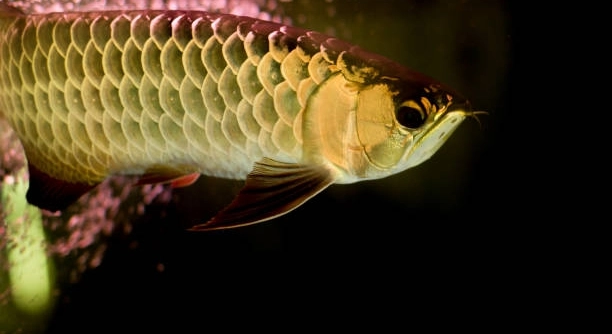
Are your arowana tanks showing signs of early fatigue despite your best efforts? Many hobbyists face unexpected challenges that can impact water quality and fish health, often caused by overlooked mistakes in tank setup and maintenance.
Early arowana tank fatigue often results from improper filtration, overfeeding, incorrect water parameters, insufficient tank size, inadequate tank cycling, poor lighting, and lack of regular maintenance. Addressing these factors systematically is essential for long-term fish health and tank stability.
Understanding these common errors can improve the well-being of your arowanas and extend the life of your tank environment. Simple adjustments can make a significant difference in care.
Improper Filtration
Many arowana owners underestimate the importance of a strong filtration system. Without adequate filtration, waste and uneaten food accumulate, leading to poor water quality. Over time, this can stress your fish and cause early fatigue. It’s not just about cleaning the water surface; a good filter removes dissolved toxins and keeps ammonia, nitrite, and nitrate at safe levels. Choosing the right filter depends on tank size and fish load. Filters should run continuously and be cleaned according to manufacturer guidelines. A weak or clogged filter reduces oxygen levels and allows harmful bacteria to grow. Even if your water looks clear, toxins can still harm your arowana internally. Many common health issues stem from suboptimal water conditions rather than visible signs. Regular testing of water parameters combined with proper filtration is the most reliable way to prevent early tank fatigue.
A high-quality filter protects your fish and maintains a stable environment, which reduces stress and keeps your arowana active.
Monitoring filter performance weekly ensures toxins are minimized. Cleaning or replacing filter media when needed prevents water quality deterioration, supporting long-term tank stability.
Overfeeding
Overfeeding arowanas may seem harmless, but it quickly affects tank conditions. Excess food sinks and decays, increasing ammonia and nitrate levels. This poor water quality can weaken fish, making them more prone to disease and fatigue.
Feeding only what your arowana consumes in a few minutes prevents waste accumulation and helps maintain stable water parameters.
Many aquarists unintentionally overfeed because they want their fish to grow faster or appear healthy. Arowanas have slow metabolisms, and too much food is rarely beneficial. Excess uneaten food decomposes in the water, creating a harmful chemical environment. This process promotes algae growth, clouds water, and reduces oxygen levels, all of which strain your fish. It also places extra workload on your filtration system, causing it to clog faster and reducing its efficiency. Feeding smaller portions two to three times daily is sufficient for most arowanas. Observing your fish during feeding can help you gauge the right amount, ensuring they eat everything offered. Removing leftover food promptly protects both the fish and the tank ecosystem, maintaining a balanced and healthy habitat for years.
Incorrect Water Parameters
Maintaining proper water conditions is essential for arowanas. Sudden changes in pH, temperature, or hardness can stress your fish, reduce appetite, and weaken their immune system. Consistent monitoring prevents early fatigue and ensures long-term health.
Frequent water testing helps detect shifts in pH, ammonia, nitrite, and nitrate levels. Arowanas thrive in slightly acidic to neutral pH and stable temperatures. Using a reliable heater and thermometer maintains consistency. Sudden fluctuations may occur during water changes, so conditioning water beforehand is important. Poor water quality encourages disease and slows metabolism, which can lead to lethargy and reduced growth. Regular partial water changes help maintain balance and reduce toxic buildup, supporting overall tank stability.
Even minor neglect in monitoring water parameters can have serious consequences. Adjusting chemical levels gradually avoids shocking your fish. Combining consistent testing with careful maintenance fosters a healthy environment, reducing stress and prolonging arowana vitality. Proper water quality management is one of the most effective ways to prevent early tank fatigue and maintain an active, thriving fish population.
Insufficient Tank Size
Arowanas require ample swimming space. Small tanks restrict movement, stunt growth, and increase stress, leading to early fatigue. A tank that is too small also complicates water maintenance and filtration efficiency, creating a cycle of declining conditions.
Keeping an arowana in a tank large enough for its adult size is critical. Small tanks elevate waste concentration, which stresses fish and forces frequent maintenance. Crowding can trigger aggressive behavior and reduce oxygen levels. Arowanas are active swimmers, needing both length and height to move naturally. Inadequate space restricts exercise, weakening muscles and overall vitality. Upgrading tank size gradually as your fish grows prevents health issues and maintains stable water quality. A spacious environment also allows proper decoration and hiding spots without limiting swimming paths, balancing aesthetics with functionality. Consistent monitoring of water parameters ensures that the larger volume remains safe and supports the fish’s natural behavior.
Inadequate Tank Cycling
Skipping proper tank cycling exposes arowanas to high ammonia and nitrite levels, which can cause stress, weakened immunity, and early fatigue. A fully established tank is essential before introducing fish.
Cycling the tank allows beneficial bacteria to grow, breaking down waste naturally. Patience during this process protects your fish from toxic spikes and maintains long-term water stability.
Poor Lighting
Incorrect lighting affects fish activity and plant growth. Too much light can stress arowanas, while too little reduces visibility and disrupts natural behavior patterns.
Providing a balanced light schedule that mimics natural day and night cycles supports fish health. Using adjustable lighting or timers ensures consistency and prevents unnecessary stress.
Lack of Regular Maintenance
Neglecting regular cleaning and water changes leads to toxin buildup and poor water quality. Waste, uneaten food, and algae accumulate, weakening your arowanas and accelerating tank fatigue.
Consistent maintenance, including partial water changes, substrate cleaning, and filter upkeep, keeps the environment stable. Routine checks prevent minor issues from becoming major problems and sustain a healthier, active tank.
FAQ
What is the most common reason for early arowana tank fatigue?
The most common reason is poor water quality caused by inadequate filtration, overfeeding, or skipping tank cycling. These factors increase ammonia, nitrite, and nitrate levels, stressing fish and weakening their immune system. Consistently monitoring and maintaining water parameters is essential to prevent early fatigue.
How often should I perform water changes?
Partial water changes of 20–30% weekly are recommended for most arowana tanks. This helps remove waste, reduce toxins, and maintain stable water parameters. More frequent changes may be needed for heavily stocked tanks or if water tests indicate elevated ammonia or nitrate levels.
How do I know if my arowana is stressed from water conditions?
Signs include lethargy, reduced appetite, gasping at the surface, clamped fins, and unusual swimming patterns. Regular observation combined with water testing can help identify problems early. Adjusting water parameters gradually prevents further stress and supports recovery.
What tank size is suitable for an adult arowana?
Adult arowanas require large tanks, typically 250–300 gallons, to allow free swimming and reduce stress. Smaller tanks restrict movement, stunt growth, and make maintaining water quality more difficult, increasing the risk of fatigue and illness.
Can overfeeding really harm my arowana?
Yes. Excess food decays in the tank, producing harmful chemicals that stress the fish and reduce water quality. Feeding only what the fish consumes in a few minutes prevents waste accumulation and maintains a healthier environment.
How do I cycle my tank properly before adding arowanas?
Start by running the filter and adding an ammonia source, either pure ammonia or decaying food. Test water regularly until beneficial bacteria develop, converting ammonia to nitrite and then nitrate. This process usually takes 4–6 weeks and ensures a stable environment.
What is the best lighting schedule for an arowana tank?
Arowanas benefit from 10–12 hours of light per day to mimic natural day and night cycles. Consistent lighting helps regulate activity, reduces stress, and supports the growth of live plants if used in the tank.
How do I maintain my filter effectively?
Clean filter media regularly, but avoid washing everything at once with tap water, as this can kill beneficial bacteria. Replace worn parts and follow the manufacturer’s instructions. A properly maintained filter keeps water clean and reduces stress on your fish.
What are the signs of overstocking a tank?
Overstocking can cause aggression, poor water quality, frequent disease, and slow growth. Fish may compete for space and food, which increases stress. Observing behavior and monitoring water parameters helps identify overcrowding issues.
How can I prevent algae overgrowth in my tank?
Algae grows when there is excess light and nutrients. Controlling feeding, maintaining proper water changes, and using appropriate lighting schedules reduce algae. Introducing algae-eating species or manual removal can also help maintain a clean tank environment.
Is it necessary to test water daily?
Daily testing is not required for stable tanks. Weekly testing is sufficient for most setups, though new tanks or tanks experiencing problems may benefit from more frequent monitoring. Focus on ammonia, nitrite, nitrate, and pH levels.
What should I do if my arowana shows signs of illness?
Immediately test water parameters and correct any issues. Isolate sick fish if needed, maintain stable temperature, and consult a veterinarian or experienced aquarist for treatment options. Early intervention prevents worsening conditions and reduces stress on healthy fish.
Can tank decorations affect arowana health?
Yes. Sharp or small decorations can injure arowanas. Choose smooth, spacious ornaments and avoid overcrowding the tank. Proper decoration allows swimming space while providing shelter without compromising safety.
How important is feeding variety?
Varied diets support growth, color, and overall health. Include live, frozen, or high-quality pellet foods to provide balanced nutrition. Overreliance on a single food type can lead to deficiencies or reduced immunity.
What is the best way to introduce new fish to an established arowana tank?
Quarantine new fish for at least two weeks to prevent disease introduction. Gradually acclimate them to the tank’s temperature and water parameters. Slow introduction reduces stress and protects both new and existing fish populations.
How do I maintain long-term tank stability?
Consistent water testing, regular maintenance, proper feeding, adequate space, and careful observation are key. Avoid sudden changes and address minor issues quickly. A proactive approach keeps your arowana healthy and prevents early fatigue over time.
This FAQ covers common questions that arise during arowana care. Addressing these points consistently helps maintain a stable environment and reduces the risk of early tank fatigue. Proper management ensures your fish remain active and healthy.
Final Thoughts
Caring for arowanas requires attention to detail and consistent maintenance. Many cases of early tank fatigue are preventable when basic care principles are followed. Proper filtration, correct feeding practices, stable water parameters, and adequate tank size form the foundation of a healthy environment. Each factor plays a critical role in maintaining fish health and ensuring the tank remains a stable, low-stress space. Skipping any of these steps can create conditions that gradually weaken the fish, even if the tank appears clean and well-kept. Observing your arowana regularly and understanding its needs is just as important as following routine maintenance schedules.
Regular water testing and partial water changes are essential practices. Even a small buildup of ammonia, nitrite, or nitrate can cause stress over time, impacting your fish’s appetite, activity, and overall well-being. While the tank may look clear and healthy, chemical imbalances can silently damage your arowana’s internal systems. Consistency in maintenance is key—gradual improvements and preventative measures are more effective than trying to fix severe problems later. Simple routines, like monitoring filter performance, cleaning substrate, and removing leftover food, make a significant difference. Combining these practices with a well-planned feeding schedule and properly sized tank creates a balanced environment that supports growth and reduces the risk of early fatigue.
Providing a supportive environment goes beyond just water and food. Adequate lighting, gentle decoration, and proper acclimation for new fish all contribute to long-term stability. Arowanas are active, intelligent fish that respond to consistent care, and small adjustments in their environment can noticeably improve their health and energy. While maintaining a tank may seem time-consuming at first, developing steady habits allows your arowana to thrive. Preventing early fatigue is not about expensive equipment or complex procedures; it is about attentiveness, patience, and understanding the specific needs of your fish. With careful observation and consistent care, your arowana can live a longer, healthier life, and your tank can remain a vibrant, stable environment for years to come.

Hello,
If you enjoy the content that we create, please consider saying a "Thank You!" by leaving a tip.
Every little bit helps us continue crafting quality advice that supports the health, happiness, and well-being of pets around the world, for pets of all shapes, sizes, and species.
We really appreciate the kindness and support that you show us!