
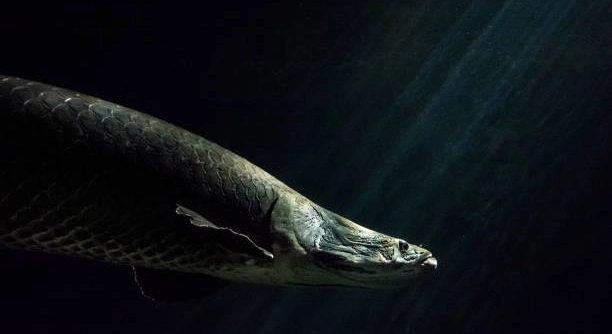
Arowanas are popular aquarium fish admired for their beauty and agility. These sleek swimmers are known to leap, sometimes surprising their owners with sudden, energetic jumps that can startle anyone nearby. Their movements are graceful yet powerful.
Arowanas are capable of jumping through glass lids if there is enough space above the water and they are startled or hunting. Proper tank setup, including secure covers and sufficient water depth, is essential to prevent accidents and ensure fish safety.
Learning how to protect your arowana and maintain a safe environment will improve both its health and your enjoyment as an aquarium keeper. Proper precautions make all the difference for these impressive fish.
Why Arowanas Jump
Arowanas are naturally strong and agile swimmers. In the wild, they often leap to catch prey, which is a behavior that carries over into aquariums. Even a well-fed fish may jump due to sudden noises, reflections, or movements above the tank. Young arowanas tend to be more energetic, exploring their space with frequent jumps, while older fish usually become calmer but can still leap when startled. Their streamlined bodies and muscular tails give them the power to launch upward, sometimes clearing several inches above the water. In tanks with insufficient depth, this behavior increases the risk of hitting the lid or escaping entirely. Observing how your arowana reacts to stimuli can help you prevent accidents. Regularly monitoring their energy levels and feeding schedules can also reduce unexpected jumps, as overexcited or hungry fish are more prone to sudden bursts of movement. Proper tank design is key to ensuring a safe and comfortable environment for them.
Jumping is a natural and instinctive behavior in arowanas that requires careful tank management to avoid injury or escape.
Keeping your arowana safe means understanding its physical needs and instincts. Providing ample swimming space, stable water conditions, and a secure lid will help minimize the risk of jumps. You can also add floating plants or décor to reduce surface reflections, which sometimes trigger leaps. Regular interaction, without stressing the fish, helps it become accustomed to household movements. Observing feeding patterns and ensuring your fish is neither overfed nor underfed can reduce sudden bursts of energy. By paying attention to these details, you create a safer environment while still allowing your arowana to display its natural behavior. Maintaining consistent water temperature, clean filters, and proper lighting also contributes to a calm and healthy tank atmosphere. With a few adjustments, you can enjoy the grace and beauty of your arowana without worrying about it leaping through the glass lid.
Tank Setup and Safety
Proper tank setup is essential to prevent jumping incidents. A secure, fitted glass or acrylic lid is necessary to keep the fish inside.
Arowanas require deep tanks with plenty of surface area to swim. Shallow tanks increase the risk of collisions with lids, especially if the fish is startled or chasing food. Installing a strong, transparent lid allows light to pass through while maintaining safety. Avoid gaps at the edges where the fish might squeeze through. Positioning the tank away from high-traffic areas and sudden loud noises will reduce stress-induced jumps. Keeping the water at the correct level ensures your arowana can move comfortably without hitting the surface abruptly. Regular inspection of the tank structure, including seals and supports, is important to prevent escapes or injuries. Adequate swimming space and environmental enrichment help satisfy natural instincts, lowering the chances of uncontrolled leaps. Understanding your arowana’s behavior and providing the right setup ensures both its well-being and your peace of mind.
Feeding and Jumping
Arowanas often leap when feeding. Floating pellets or live food can trigger sudden jumps as they instinctively chase prey. Observing their behavior during feeding helps reduce accidents.
Feeding your arowana in a calm, consistent manner reduces stress and unexpected movements. Avoid tossing food aggressively or in large amounts at once, as sudden splashes can startle the fish. Using feeding tongs or slowly placing food on the surface helps the fish approach naturally. Rotating food types and sizes gradually can keep the fish engaged without triggering overly excited jumps. Maintaining a predictable feeding schedule also reassures the arowana, making it less likely to leap due to hunger or surprise.
Monitoring water quality is equally important, as poor conditions can make arowanas restless or erratic. Ensuring stable temperature, clean water, and proper oxygenation reduces stress-induced jumps. Observing your fish daily allows you to notice changes in appetite or behavior, giving you a chance to adjust care before accidents occur. Combining careful feeding practices with a stable environment promotes safety and overall fish health.
Choosing the Right Tank
Tank size is critical for arowanas. A large, deep tank minimizes jumping risks and provides ample swimming space.
Selecting a tank with sufficient length and depth accommodates the arowana’s natural movements. A tank that is too shallow or narrow forces the fish into abrupt turns, increasing the likelihood of hitting the lid. Heavy-duty glass or acrylic is preferred for strength and durability. Ensuring the lid fits securely prevents escapes, while leaving minimal gaps avoids accidental jumps. Adding gentle water flow and stable décor encourages exploration without causing stress. Proper filtration and regular maintenance maintain a healthy environment, preventing restlessness.
Placement of the tank affects fish behavior. Avoid high-traffic areas, loud appliances, or direct sunlight that can startle the fish. Use background décor or floating plants to reduce reflections on the water surface. Regular observation helps identify patterns in jumping behavior, allowing adjustments to lighting, tank position, or feeding routines. Investing in a sturdy, spacious tank and considering environmental factors creates a safe and comfortable habitat, allowing the arowana to thrive without frequent leaps that risk injury.
Preventing Accidents
Arowanas can injure themselves if they jump too high. Keeping a secure lid and adequate water depth is essential.
Monitoring their behavior and reducing sudden disturbances around the tank lowers the risk of leaps. Consistent care helps the fish feel safe and calm.
Environmental Enrichment
Providing hiding spots, floating plants, and gentle décor keeps your arowana engaged. A well-structured environment reduces stress and excess jumping. Regularly changing minor elements without causing disruption maintains interest and mimics natural surroundings, keeping the fish mentally and physically active.
Water Quality
Maintaining clean water prevents stress-induced jumping. Regular testing and changes keep conditions stable and fish healthy.
Observation
Watching your arowana daily helps identify unusual behavior early. Noticing patterns allows timely adjustments to feeding, tank setup, or environment.
FAQ
Can arowanas jump out of tanks even with a lid?
Yes, arowanas can still attempt to jump even when a tank is covered, especially if the lid is loose or has gaps. Strong leaping instincts combined with startle responses can lead them to push against lids, risking injury. A secure, fitted lid and careful monitoring of the tank environment are essential to prevent escapes and accidents.
What triggers arowanas to jump?
Several factors can make arowanas jump, including sudden noises, reflections on the water surface, or feeding excitement. Changes in lighting, movements near the tank, or other disturbances can also startle them. Even healthy, well-fed fish may leap instinctively. Reducing sudden stimuli and providing consistent, calm care helps lower these incidents.
How high can arowanas jump?
Arowanas are strong and muscular fish. Depending on size and tank conditions, they can leap several inches above the water surface. Young arowanas tend to be more energetic and can jump higher than older, calmer fish. Providing a safe environment with sufficient water depth and secure lids is necessary to prevent injury from their jumps.
Does tank size affect jumping?
Yes, tank dimensions play a crucial role. Shallow or narrow tanks restrict movement, which can make arowanas more prone to collisions and jumps. A longer, deeper tank allows natural swimming behavior while reducing the risk of sudden leaps. Ensuring the tank provides ample horizontal and vertical space is key to safety and overall fish health.
Can feeding habits increase jumping?
Absolutely. Arowanas may leap when chasing floating pellets or live food. Feeding too quickly or scattering food can trigger sudden bursts of movement. Using feeding tongs or placing food slowly on the surface allows the fish to approach naturally, minimizing the risk of high-energy jumps. Maintaining a predictable feeding routine is also helpful.
Are all arowanas prone to jumping?
Jumping tendencies vary among individual fish. Younger and more active arowanas are usually more prone to leaping. Stress, environmental changes, or excitement during feeding can increase jumping frequency. Observing your fish over time helps you understand its specific behavior patterns and adjust care and tank setup accordingly.
How can I reduce jumping incidents?
Several strategies reduce jumping risks: securing the tank lid tightly, providing adequate water depth, and minimizing sudden disturbances. Adding floating plants or décor to reduce reflections, maintaining stable water conditions, and following a consistent feeding schedule all contribute to calmer behavior. Observing patterns and adjusting the environment accordingly improves safety.
What injuries can jumping cause?
Arowanas can injure their mouths, gills, fins, or scales if they hit the lid or tank walls. Escaping the tank completely can be fatal. Even minor scrapes can lead to infections, so prevention through secure lids, proper water levels, and a calm environment is critical for their well-being.
Is jumping behavior normal?
Yes, jumping is a natural instinct for arowanas. In the wild, they leap to catch prey or evade threats. In captivity, these behaviors persist, so it’s important to account for them in tank design, feeding, and daily care. Managing environmental factors allows the fish to exhibit natural behavior safely.
Does water quality affect jumping?
Poor water quality increases stress, which can make arowanas more restless and prone to leaping. Maintaining stable temperature, clean water, and proper oxygenation creates a calmer environment, reducing sudden jumps. Regular testing and filtration upkeep are important to keep conditions stable and fish healthy.
Can tank décor help prevent jumping?
Yes, strategically placed décor can reduce reflections and provide a sense of security. Floating plants, gentle hiding spots, and structured tank elements give arowanas areas to explore safely. Minor adjustments to décor over time keep the environment interesting without causing stress, further minimizing jumps.
How often should I check my tank for safety?
Daily observation is recommended. Check lids, seals, water levels, and equipment regularly to ensure everything remains secure. Frequent monitoring allows early detection of potential hazards or behavioral changes, helping prevent accidents and keeping the arowana safe and healthy.
Are certain arowana species more likely to jump?
Some species may be more active than others, with young or smaller arowanas often exhibiting higher energy levels. However, all arowanas have strong leaping instincts, so precautions apply to every type. Tailoring tank size, feeding, and environment to your specific fish is the best approach.
Can stress cause more jumping?
Stress is a major factor in jump behavior. Sudden changes in lighting, nearby movements, poor water quality, or overcrowded tanks can all trigger leaps. Reducing environmental stressors and providing a stable, predictable habitat is key to preventing excessive jumping and supporting overall health.
Is it safe to leave arowanas unattended?
Leaving them unattended for long periods increases risk, especially if tank conditions change unexpectedly. Regular monitoring, secure lids, and consistent maintenance routines ensure the arowana remains safe and calm, reducing jumping incidents and potential injuries.
Do arowanas ever jump out of boredom?
Boredom or lack of stimulation can cause restless behavior, including jumps. Providing environmental enrichment such as floating plants, gentle décor, and varied feeding methods keeps the fish mentally and physically active, reducing unnecessary leaps.
How should I react if my arowana jumps?
Remain calm and secure the fish quickly if it hits the lid or water surface. Check for injuries and ensure water conditions remain stable. Adjust environmental factors to reduce the likelihood of repeated jumping, such as repositioning décor or reviewing feeding routines.
Can multiple arowanas in one tank increase jumping?
Yes, interactions between fish can trigger sudden movements. Territorial disputes or competitive feeding may cause unexpected jumps. Ensuring sufficient space, hiding spots, and separate feeding areas reduces stress and helps maintain a calmer environment for all fish in the tank.
Do jumps indicate health problems?
Frequent, erratic jumps may signal stress or discomfort caused by illness, poor water quality, or inadequate tank setup. Observing behavior in combination with regular health checks allows you to identify potential problems early and adjust care practices accordingly.
Are there any long-term effects of frequent jumping?
Repeated impacts from jumping can damage fins, scales, and gills, leading to infections or chronic stress. Preventing jumps through proper tank design, secure lids, and careful care is essential to maintain long-term health and avoid physical injuries over time.
How can I train my arowana to jump less?
While not fully trainable, arowanas respond to consistent feeding routines and calm environmental conditions. Minimizing sudden disturbances, reducing reflections, and providing stable water conditions encourages calmer behavior, indirectly lowering the frequency and intensity of jumps.
Can feeding techniques influence jumping frequency?
Yes, slow, controlled feeding methods reduce excitement-driven leaps. Placing food gradually, avoiding sudden splashes, and using tongs or feeders encourages natural foraging behavior without triggering high-energy jumps, promoting a safer and calmer tank environment.
What is the safest way to transport an arowana?
Use a secure, covered container with ample water and padding. Minimizing movement, maintaining stable temperature, and avoiding abrupt changes reduce stress and prevent jumping during transport. Monitoring the fish during transfer ensures its safety until it is placed in a properly prepared tank.
Does lighting affect jumping behavior?
Strong or flickering lights can startle arowanas and trigger jumps. Consistent, gentle lighting reduces stress and minimizes reflections on the water surface, promoting calmer behavior. Adjusting light intensity and position in the tank helps create a secure, comfortable environment for the fish.
How does age affect jumping tendencies?
Younger arowanas are typically more active and prone to leaping. Older fish tend to be calmer but may still jump if startled. Understanding age-related behavior helps in designing a tank setup and routine that accommodates their energy levels safely.
Is it necessary to cover an outdoor tank?
Yes, outdoor tanks require sturdy, secure covers to prevent escapes from wind, predators, or sudden jumps. Covering also protects water quality from debris while providing a safe environment for the arowana to thrive.
Arowanas are remarkable fish, admired for their elegance, strength, and natural instincts. One of their most notable behaviors is their tendency to jump, which can surprise even experienced aquarium keepers. Understanding that this behavior is a natural part of their biology helps in approaching tank setup and daily care more effectively. Their jumping instincts are rooted in feeding, exploring, and responding to stimuli in their environment. By recognizing these behaviors as normal, you can take proactive steps to create a safe, comfortable habitat while still allowing the fish to display its natural movements. Observing your arowana regularly provides valuable insight into how it interacts with its surroundings and responds to different conditions, helping you anticipate moments when it might leap and adjust the environment accordingly.
Proper tank setup is essential to minimizing the risks associated with jumping. A secure lid, appropriate tank size, and sufficient water depth are critical factors in keeping your arowana safe. Shallow or narrow tanks increase the likelihood of collisions with the lid, walls, or décor, which can cause injury. Additionally, environmental factors like reflections on the water, sudden noises, or high-traffic areas can trigger jumps, so positioning the tank thoughtfully and reducing potential disturbances is important. Adding floating plants or gentle décor provides a sense of security and reduces visual triggers, which in turn helps to lower stress and minimize erratic behavior. Monitoring water quality, maintaining consistent temperature, and ensuring proper filtration also contribute to a calm environment. A stable and well-designed tank supports the health of your arowana while allowing it to exhibit natural behaviors without unnecessary risk.
Feeding routines, interaction, and daily observation further support arowana safety and well-being. Providing food in a controlled, calm manner prevents overexcited jumps during feeding time. Consistency in routines reduces stress and reassures the fish, which is particularly important for younger, more energetic arowanas. Environmental enrichment, such as gentle décor and opportunities for exploration, keeps the fish engaged without promoting excessive jumping. Observing your arowana for unusual behavior or patterns allows early detection of stress, illness, or discomfort, which can lead to adjustments in care or tank setup. By combining proper tank design, secure lids, careful feeding, and consistent observation, you create a balanced environment where the arowana can thrive. These measures ensure safety, promote health, and make your experience as a caretaker more enjoyable while respecting the natural instincts of this impressive and lively species.

Hello,
If you enjoy the content that we create, please consider saying a "Thank You!" by leaving a tip.
Every little bit helps us continue crafting quality advice that supports the health, happiness, and well-being of pets around the world, for pets of all shapes, sizes, and species.
We really appreciate the kindness and support that you show us!