7 Reasons Arowana Prefer Lower Light Conditions
Arowanas are striking freshwater fish known for their elegance and size. Their natural habitats often feature shaded waters, creating an environment where lower light levels are common and preferred by these beautiful creatures. Arowanas prefer lower light conditions because it closely mimics their natural environment, reduces stress, and supports natural behaviors such as hunting and … Read more
7 Plant Types Lemon Tetra Swim Around the Most

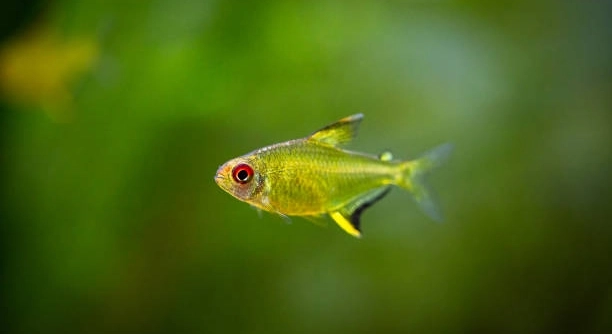
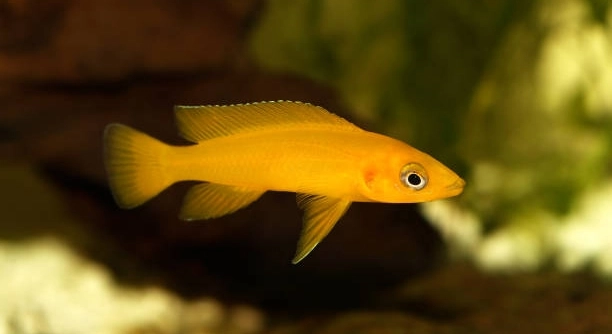
Have you ever watched your lemon tetras glide through their tank and wondered which plants they naturally gravitate toward as they swim calmly around their aquatic space, creating gentle movement and bright color each day. Lemon tetras most frequently swim around plants that provide moderate coverage, stable structure, and soft foliage, offering both comfort and … Read more

How to Know If Lemon Tetra Are Cold

Have you ever watched your lemon tetra swimming and wondered if they might be feeling colder than they should? Noticing changes in their behavior can help you understand when their environment may be affecting them. Lemon tetra show signs of cold stress through slowed activity, pale coloration, reduced appetite, and clustering near warmer areas. These … Read more

Do Lemon Tetra Like Seeing Other Aquariums?

Lemon tetras are small, bright fish that bring life to any aquarium. Their active movements and shimmering colors make them fun to watch, and many fishkeepers enjoy observing how they interact with their surroundings daily. Lemon tetras can notice other aquariums, but they do not interact with them directly. They respond mainly to movement and … Read more

7 Effects of Poor Oxygen Levels on Lemon Tetra

Lemon tetras are small, lively fish that brighten any aquarium. Their vibrant colors and playful nature make them popular among fish enthusiasts. Ensuring they have a healthy environment is key to keeping them happy and thriving. Poor oxygen levels in an aquarium can severely affect lemon tetras’ health. Low oxygen can cause stress, weaken their … Read more

7 Common Fears Lemon Tetra Experience

Lemon tetras are small, vibrant fish that brighten any freshwater aquarium. They are generally peaceful, but like all fish, they experience fears that influence their behavior and overall well-being in subtle ways. Lemon tetras commonly experience fear due to sudden movements, loud noises, changes in water conditions, presence of aggressive tank mates, overcrowding, insufficient hiding … Read more

How to Build a Natural Biotope for Lemon Tetra

Have you ever wondered how to create a natural space that supports the traits of lemon tetra in your home aquarium, offering them comfort while keeping the setup simple and close to its native habitat. Building a natural biotope for lemon tetra involves replicating the soft slightly acidic waters and shaded conditions of their South … Read more

7 Clues That Your Arowana Misses You

Owning an arowana can be a rewarding experience, as these fish are known for their beauty and elegance. Many owners develop a strong bond, noticing subtle behaviors that reflect their pet’s personality. These moments can be surprisingly touching. Arowanas often show signs of missing their owners through changes in activity levels, feeding patterns, and social … Read more

Can Lemon Tetra Be Kept in Brackish Water?

Keeping lemon tetras is a popular choice for many home aquarists who enjoy small, colorful fish. Their bright yellow coloration and peaceful nature make them appealing additions to community tanks, offering a lively presence. Lemon tetras are primarily freshwater fish and do not thrive in brackish water conditions. Exposure to increased salinity can cause stress, … Read more

What Can Lemon Tetra Learn From Other Species?

Lemon tetras are small, bright fish that brighten any home aquarium. Observing their behavior can be fun, but learning how they interact with other species can reveal surprising insights about their habits and needs. Lemon tetras can learn from other species through social interactions, environmental adaptation, and behavioral observation. Studying species with similar habitats or … Read more