
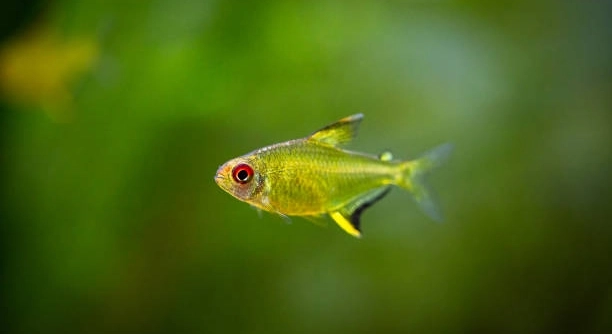
Have you ever watched your lemon tetras glide through their tank and wondered which plants they naturally gravitate toward as they swim calmly around their aquatic space, creating gentle movement and bright color each day.
Lemon tetras most frequently swim around plants that provide moderate coverage, stable structure, and soft foliage, offering both comfort and security. These preferred plant types create balanced spaces that support natural behaviors, encourage movement, and maintain a calm environment overall.
As you explore these popular plant choices, you may find ways to shape a peaceful setting that supports your tetras.
Amazon Sword
Lemon tetras often feel at ease around Amazon sword plants because the broad leaves create steady spaces that soften the flow of water. These plants offer a calm backdrop that helps the fish feel settled as they weave through the tank. Their height adds gentle structure without overwhelming the space, giving the tetras areas to slip behind when they want a quiet moment. When placed toward the back of the aquarium, Amazon swords form a natural boundary that shapes movement and keeps the middle of the tank open for relaxed swimming. This balance helps the fish move with confidence while keeping the tank looking clean and organized.
Amazon swords also support consistent behavior by giving the tetras a familiar reference point as they pass through their daily routes. The smooth leaves create a safe environment that feels steady and comfortable.
When maintained well, these plants help create a stable setting where your lemon tetras can stay active without added stress, giving them space to move freely and calmly.
Java Fern
Java ferns attract lemon tetras because their soft, layered leaves create pockets of shelter without blocking open water. This gentle structure supports natural movement and keeps the tank feeling balanced.
These plants are easy to place on driftwood or rocks, which helps shape the tank in a clean and natural way. Their slow growth makes them simple to maintain, and their durability allows them to stay healthy under a wide range of conditions. Lemon tetras often swim around the flowing leaves, using the plant as both a casual hiding spot and a place to drift close when they want a sense of ease. The spacing between the leaf clusters allows the fish to pass through without feeling confined, which keeps their movement smooth and comfortable. With stable lighting and steady water conditions, Java ferns remain reliable, creating a peaceful structure that supports the relaxed style of swimming lemon tetras naturally prefer.
Water Wisteria
Water wisteria gives lemon tetras loose clusters of leaves that create gentle cover without limiting movement. Its branching shape forms light shelter that stays open enough for the fish to glide through with ease, helping them feel settled as they travel around the tank.
This plant grows quickly, filling empty spaces with soft greenery that helps calm active areas. Lemon tetras often swim through the open sections, using the plant as a comfortable guide while staying close to its gentle structure. The leaves filter light in a mild way, which can make the tank feel less harsh and more inviting. Regular trimming keeps the plant from growing too dense, preserving the open spaces that tetras rely on for steady movement and comfort.
When shaped properly, water wisteria helps maintain a balanced environment that supports smooth swimming patterns. Its structure remains flexible and easy to manage, making it useful for guiding how your tetras interact with their surroundings.
Hornwort
Hornwort offers lemon tetras soft, floating layers that create natural cover while leaving plenty of room for open swimming. Its fine needles move lightly with the water, forming relaxed areas where the fish can pause or pass through without feeling confined.
As it grows, hornwort spreads through the tank in gentle strands that help soften bright lighting and create comfortable shaded sections. Lemon tetras often weave between these sections, using the plant to stay calm while maintaining their natural pace. The plant does not root, which makes it easy to shift around the tank to shape movement patterns or soften busy areas. When maintained at a moderate density, hornwort prevents the tank from feeling crowded while still offering the structure tetras appreciate. Its adaptability and steady presence help keep the environment stable, giving your fish a soothing backdrop that supports their daily activity.
Anubias
Anubias plants provide lemon tetras with sturdy leaves that hold steady in the water, creating calm areas to swim around. Their thick foliage forms natural spots for resting without blocking movement, keeping the tank feeling balanced and open for the fish to glide freely.
These plants attach easily to rocks or driftwood, making them versatile for different tank layouts. Lemon tetras often explore the surfaces, brushing gently against the leaves while staying near safe cover. Anubias remains durable under various conditions, which supports consistent behavior and gives the tetras a dependable environment.
Cabomba
Cabomba grows with fine, feathery leaves that create light, airy clusters for tetras to navigate. Lemon tetras often swim through the delicate foliage, enjoying partial cover while still having open water nearby. Its flexible structure allows movement without restricting swimming, providing both safety and ease.
Vallisneria
Vallisneria offers tall, ribbon-like leaves that stretch toward the surface, giving lemon tetras vertical spaces to move along. These flowing leaves help guide their swimming paths and create natural boundaries without confining the tank’s open areas.
Ludwigia
Ludwigia adds a touch of color and moderate coverage that lemon tetras favor. The fish swim around its short stems, using the plant as a point of reference while staying in open areas nearby.
FAQ
Which plants are safest for lemon tetras to swim around?
Lemon tetras do best with plants that have soft leaves and moderate coverage. Species like Amazon sword, Java fern, and Cabomba provide gentle shelter without crowding the tank. Avoid plants with sharp or rigid leaves, as these can injure delicate fins and make swimming uncomfortable.
How should I arrange plants for lemon tetras?
Place taller plants toward the back and corners of the tank to create natural boundaries. Shorter or floating plants can go in the middle or front to keep open swimming areas. Spacing plants evenly ensures tetras can move freely while still having places to hide or rest.
Do lemon tetras need floating plants?
Floating plants are not required, but they can reduce light intensity and add a sense of security. Plants like hornwort or duckweed create mild shading and soft cover, which can reduce stress and encourage natural swimming patterns. Tetras often hover beneath these plants calmly.
How often should I trim plants for tetras?
Trimming depends on plant type and growth rate. Fast-growing species like water wisteria may need weekly maintenance, while slower growers like Anubias require occasional pruning. Regular trimming keeps the tank organized, prevents overcrowding, and preserves swimming paths for the tetras.
Can tetras damage the plants?
Lemon tetras are generally gentle and do not chew or uproot plants. They may brush against leaves while swimming, which is harmless. Floating or soft-stemmed plants are best for tanks with active swimming fish, as they bend and move without breaking.
Are live plants better than artificial plants?
Live plants offer benefits such as natural oxygenation, filtration, and a more authentic habitat. Artificial plants are easier to clean and maintain, but they do not provide the same water quality benefits. Lemon tetras often treat both types similarly if the plants are soft and open enough for swimming.
Can I mix different plant types?
Yes, mixing tall, short, floating, and rooted plants creates a balanced environment. Combining different leaf textures and heights allows tetras to explore multiple areas while giving the tank visual variety. Ensure spacing is adequate so the fish have free swimming paths.
Do lemon tetras need plants for hiding?
While they are not shy, lemon tetras benefit from having cover. Plants offer safety spots during sudden light changes, tank maintenance, or interaction with other fish. Soft and flexible plants are ideal for creating multiple hiding points without restricting movement.
How do plants affect water conditions?
Live plants help stabilize water by absorbing nitrates and producing oxygen. They can also provide mild shade and reduce algae growth in bright tanks. However, decaying plant material should be removed promptly to prevent water quality issues. Regular monitoring keeps both plants and tetras healthy.
Which plants help tetras feel secure?
Plants with dense clusters, such as Cabomba or water wisteria, give tetras a sense of shelter without confinement. Floating or mid-height plants create partial cover, letting the fish swim openly while feeling protected. Properly arranged plants reduce stress and promote steady, calm behavior in the tank.
Can tetras swim through all types of plants?
Not all plants are suitable for swimming. Rigid or thick-stemmed species may obstruct movement. Soft, flexible plants with open spacing, such as Java fern or hornwort, are ideal. Arranging plants to create clear paths ensures tetras can move naturally and avoid collisions.
How do I choose plants for small tanks?
Select compact or slow-growing plants like Anubias or small Amazon sword varieties. Floating plants can provide coverage without taking up floor space. Keep at least 50% of the tank open for swimming to maintain comfort and reduce stress for lemon tetras.
What maintenance is required for a planted tetra tank?
Regular trimming, removing dead leaves, and monitoring plant health are essential. Fertilizers or CO2 systems may be needed depending on plant type. Checking water parameters, including temperature and pH, helps plants thrive and keeps lemon tetras active and calm.
Do tetras interact with plants differently at night?
Lemon tetras may rest among plants during low light, using leaves for shelter. Nighttime activity is generally slower, and plants provide safe spaces that reduce stress. Maintaining some open water ensures they can move freely when awake.
Which plants are easiest for beginners?
Anubias, Java fern, and hornwort are low-maintenance and resilient. They tolerate varied lighting and water conditions and require minimal trimming. These plants are ideal for new aquarium setups while still supporting the natural behavior of lemon tetras.
Can plants improve breeding conditions?
Yes, dense plants like Cabomba or water wisteria give tetras places to hide eggs and fry. The leaves offer protection from currents and other tankmates, increasing survival rates. Lightly shaded areas with soft foliage encourage natural reproductive behavior without stressing the fish.
Do tetras nibble on plants?
Lemon tetras rarely eat plants, focusing on small live or frozen foods. Any minor nibbling is usually incidental while swimming. Soft-leafed species are safest, as rigid plants may get damaged if brushed repeatedly during movement.
How do I keep plants healthy in a tetra tank?
Monitor lighting, nutrients, and water flow. Remove decaying leaves promptly, provide gentle water movement, and trim overgrowth to maintain structure. Healthy plants create comfortable swimming paths and a stable environment, allowing lemon tetras to move naturally and stay stress-free.
Are all tetras the same in plant preference?
Different tetra species have slightly different habits, but lemon tetras favor soft, open, and moderately dense plants. Observing your fish helps determine which placements they use most, allowing adjustments to enhance comfort and reduce stress in the tank.
What should I avoid when adding plants?
Avoid sharp, rigid leaves, overcrowding, and invasive species that grow too quickly. Overcrowding limits swimming space, while unsuitable plants can cause injury. Choosing soft, flexible, and properly spaced plants ensures lemon tetras swim freely and remain calm.
How do I know if tetras like a plant?
If lemon tetras swim frequently around a plant, rest near its leaves, or use it as a navigation point, they are comfortable with it. Observing movement patterns over several days shows which plants support natural, stress-free behavior.
Can I move plants once tetras are used to them?
Yes, but move them gradually to prevent stress. Lemon tetras may pause or explore cautiously after rearrangement. Maintaining open swimming paths and soft cover ensures they continue feeling secure while adjusting to changes.
Do all plants need substrate for tetras to use them?
Not always. Floating or anchored plants like hornwort or Anubias attached to driftwood can provide cover without substrate. Rooted plants give additional structure, but tetras often use both types similarly for swimming paths and resting spots.
How do plants affect tank aesthetics for tetras?
Plants create depth, texture, and color contrast while shaping swimming patterns. Arranged thoughtfully, they enhance movement flow and highlight the bright bodies of lemon tetras. Combining height, density, and openness results in a functional and visually appealing aquarium.
What is the best mix of plant types?
A combination of tall, short, floating, and mid-height plants balances cover and open space. Soft, flexible leaves with varied textures guide tetras while keeping swimming paths clear. Mixing slow and fast growers ensures steady coverage without overwhelming the tank or restricting movement.
How do plants help reduce stress in tetras?
Soft cover, partial shading, and open swimming paths create predictable areas for lemon tetras to navigate. Plants act as safe zones, letting fish hide or rest as needed. Calm, structured environments reduce erratic behavior and support steady, natural swimming patterns in the tank.
Can I use artificial plants instead of live ones?
Yes, soft artificial plants with flexible leaves can mimic natural cover. They are easier to maintain, do not decay, and can be shaped for open swimming areas. Tetras often respond similarly to artificial and live plants when the structure and spacing meet their needs.
How do lighting and plants work together?
Plants filter light and provide shaded areas that tetras appreciate. Bright lights can stress fish, so placing floating or tall plants helps diffuse intensity. A balanced combination ensures lemon tetras swim comfortably while the tank maintains healthy plant growth.
Do tetras prefer dense or sparse plants?
Moderate density is ideal. Dense plants give shelter without restricting swimming, while sparse plants provide open areas for activity. Lemon tetras use both depending on their comfort level, moving freely through open sections and resting near cover when needed.
How often should I check plant health in a tetra tank?
Weekly inspections for decaying leaves, overgrowth, or algae are sufficient. Healthy plants maintain open spaces and gentle cover, which keeps lemon tetras active and calm. Prompt care ensures a stable environment for both fish and plants.
What is the easiest way to add new plants?
Select hardy species, rinse thoroughly, and attach them to substrate, rocks, or driftwood as needed. Gradually introduce them to avoid sudden changes in tank layout. Observing how tetras interact with new plants allows adjustments to maintain comfort and free swimming areas.
Do tetras need plants for daily activity?
While not strictly necessary, plants provide mental stimulation, cover, and navigation points. They support steady movement and natural behavior, making daily activity more consistent and stress-free. Lemon tetras often use plants for brief pauses, quick turns, or gentle drifting throughout the day.
Can plants help control algae for tetras?
Yes, live plants compete with algae for nutrients and can reduce its growth. Healthy plants with moderate coverage balance light and water nutrients, limiting algae spread while providing safe areas for lemon tetras to swim and rest. Proper maintenance ensures plants stay effective in controlling algae.
How do I introduce tetras to a newly planted tank?
Add tetras slowly, allowing them to explore at their own pace. Ensure open swimming areas are available and plants are secured. Observing their behavior helps identify which plants they prefer and whether any adjustments are needed for comfort and stability.
Do tetras swim differently in planted tanks?
Yes, they often move in smooth, steady patterns, weaving through open spaces and pausing near gentle cover. Plants encourage natural exploration while providing resting areas, resulting in calmer and more predictable swimming behavior compared to bare tanks.
How do seasonal changes affect plants for tetras?
Temperature, lighting, and growth cycles can impact plant health. Maintaining stable conditions ensures consistent cover and open spaces for lemon tetras. Seasonal adjustments in trimming, nutrient supply, or light duration help plants remain supportive of natural fish behavior.
Are there specific plant arrangements that tetras dislike?
Overcrowded, rigid, or unevenly spaced plants can create stress. Lemon tetras prefer clear swimming paths with soft cover. Dense clumps that block light or restrict movement may make them hesitant to swim freely, so spacing and flexibility are essential.
How do I balance aesthetics and functionality for tetras?
Arrange plants to provide visual depth, varied heights, and open areas. Ensure swimming paths remain clear while maintaining natural clusters for shelter. Combining texture, color, and spacing gives a pleasing appearance while supporting comfortable movement and reduced stress for lemon tetras.
Can tetras adapt to changes in plant layout?
Yes, they adjust gradually if open paths and soft cover remain. Sudden changes may cause brief hesitation, but steady observation and minimal disruption help them become comfortable with new arrangements.
Do tetras show preferences for specific plant colors?
They respond more to structure than color, favoring soft leaves, open swimming areas, and gentle cover. Color may attract initial attention, but the plant’s shape and flexibility determine how much tetras interact with it.
What common mistakes should be avoided with plants for tetras?
Overcrowding, sharp leaves, inconsistent trimming, and poor placement reduce open swimming space. Avoiding these mistakes ensures tetras can navigate freely, rest safely, and maintain natural movement patterns without stress.
Can tetras use plants for resting?
Yes, lemon tetras often pause near leaves or between stems. Plants provide a safe, shaded area for resting, allowing the fish to stay calm while remaining alert to surroundings.
Are there plants that tetras avoid entirely?
Plants with rigid, spiky, or rough leaves are typically avoided. Tetras prefer soft, flexible foliage that allows gentle swimming and brushing without risk of injury.
How do I monitor plant-fish interaction over time?
Observe where tetras swim, rest, or hide during the day. Note which plants are frequently used and which remain untouched. Adjust placement and density to support consistent swimming paths and safe, comfortable areas for resting or brief shelter.
Do tetras benefit from seasonal plant rotation?
Rotating plants for seasonal growth or light changes can refresh tank dynamics and maintain open swimming areas. It also prevents overcrowding and ensures a stable environment that supports calm and natural movement patterns for lemon tetras.
How important is plant variety for tetras?
Variety balances cover and open space, encourages natural exploration, and reduces stress. Different heights, textures, and densities give tetras multiple options for swimming, resting, or hiding, supporting steady activity and overall well-being.
Can tetras damage soft plants?
Lemon tetras rarely cause damage. Occasional brushing against leaves is harmless. Soft, flexible plants bend under movement without breaking, maintaining a comfortable habitat while allowing tetras to swim naturally.
Do tetras prefer native or exotic plants?
Preference depends more on structure than origin. Lemon tetras favor soft, flexible leaves, moderate coverage, and open swimming space regardless of whether plants are native or exotic. Proper spacing and placement are more important than species origin.
How do plants influence tank oxygen levels for tetras?
Healthy live plants produce oxygen during photosynthesis, which benefits water quality and fish respiration. They also absorb nitrates, improving stability and reducing stress. Well-planted tanks create a balanced, oxygen-rich environment that supports steady activity for lemon tetras.
What are the easiest plants to propagate for tetras?
Anubias, Java fern, and hornwort propagate with minimal effort. Cuttings or division grow quickly, maintaining soft cover for tetras. Easy propagation ensures consistent structure, balanced swimming spaces, and reliable resting areas without constant replacement.
Do tetras prefer taller or shorter plants?
A mix is best. Taller plants provide vertical boundaries, while shorter plants fill open areas for exploration. Lemon tetras use both types to navigate, pause, and rest, creating a comfortable balance in their swimming environment.
How do plants affect tank temperature for tetras?
Plants provide mild shading, which can reduce direct light heat and maintain consistent water temperature. Cooler, shaded sections near dense foliage give lemon tetras comfort and reduce stress during warmer periods.
Can I use plants to guide tetra swimming patterns?
Yes, placing plants to create open paths and gentle boundaries helps direct movement. Soft leaves and spaced clusters encourage calm, predictable swimming while providing occasional resting points.
Are there plants that improve tetra coloration?
Indirectly, healthy plants reduce stress and provide shelter, supporting brighter coloration. Stress-free tetras in stable environments often display stronger, more vibrant colors, especially near contrasting green or red foliage.
Do tetras interact differently with rooted vs. unrooted plants?
Rooted plants provide stable cover and structure, while unrooted plants like hornwort offer floating, flexible areas. Lemon tetras use both similarly for shelter, resting, and guided swimming, preferring flexible foliage and open paths over root type.
How much plant coverage is ideal for tetras?
Moderate coverage works best. Around 50-60% of the tank can be planted to balance open swimming areas with gentle shelter. This arrangement supports calm movement, reduces stress, and provides multiple options for resting or brief hiding.
Can tetras coexist with other fish in planted tanks?
Yes, as long as other species do not uproot or damage plants. Moderate plant density helps create zones for multiple species to swim and rest, supporting a balanced tank environment that accommodates lemon tetras comfortably.
What plants are best for breeding lemon tetras?
Soft-leafed species like Cabomba or water wisteria provide shelter for eggs and fry. Moderate coverage and gentle currents reduce disturbance and increase survival rates while giving adults natural resting and hiding areas.
Do tetras prefer planted or bare tanks?
Planted tanks are preferred. They offer structure, cover, and safe swimming paths. Bare tanks may feel exposed, causing tetras to swim more nervously. Plants help create a balanced environment that supports natural, calm behavior.
How often should I change plant placement for tetras?
Only when necessary. Frequent changes can stress fish. Adjust placement gradually, maintaining open swimming paths and soft cover. Observing how tetras use the plants ensures comfort and minimal disruption to their routines.
Are there plants that repel lemon tetras?
Rigid, sharp, or thick-leaved plants tend to be avoided. Lemon tetras favor soft, flexible foliage that allows free movement, gentle brushing, and partial cover without risk of injury.
Can plants help reduce aggression in community tanks?
Yes, moderate coverage and vertical or floating plants create safe zones, reducing direct interaction and territorial disputes. Lemon tetras benefit from structured spaces where they can move freely without constant contact with other fish.
How do I know if a plant is overcrowding the tank?
If swimming paths are blocked or tetras seem hesitant to move, plants may be too dense. Trimming or repositioning can restore balance, keeping open water and gentle shelter available for safe, calm swimming.
Are there seasonal maintenance tips for planted tetra tanks?
Adjust trimming, light exposure, and nutrient supplementation according to growth patterns. Fast-growing plants may need frequent pruning, while slower species require occasional attention. Seasonal care maintains open swimming areas and prevents stress in lemon tetras.
How do I introduce new plants without stressing tetras?
Rinse plants thoroughly, attach or plant them gently, and place them gradually. Ensure open swimming paths remain. Observing tetras’ response allows small adjustments to prevent stress while maintaining comfort and safe areas.
Do tetras prefer soft or thick leaves?
Soft, flexible leaves are preferred. They allow swimming without risk of injury and create gentle resting areas. Thick or rigid leaves may be avoided, as tetras cannot swim through or brush against them comfortably.
Can plants filter toxins for tetras?
Yes, live plants absorb nitrates and other compounds, improving water quality. This contributes to stable conditions, reducing stress and promoting steady swimming patterns for lemon tetras while supporting overall tank health.
How do plants support natural tetra behavior?
Plants provide shelter, resting spots, and swimming paths. Lemon tetras move confidently, pause near soft cover, and explore open areas, maintaining calm, predictable behavior. Proper plant arrangement encourages these patterns, creating a comfortable and stress-free environment.
Can I combine fast and slow-growing plants?
Yes, fast growers like water wisteria fill space quickly, while slow growers like Anubias provide steady structure. This combination maintains open paths, gentle shelter, and variety for
Lemon tetras are small, active fish that thrive in aquariums with thoughtful plant placement. Choosing the right plants makes a noticeable difference in how comfortable and calm these fish feel as they swim. Plants with soft, flexible leaves and moderate coverage are ideal, offering shelter without restricting movement. Species like Amazon sword, Java fern, water wisteria, and hornwort create spaces where tetras can rest, explore, and glide smoothly through the tank. Taller plants toward the back and shorter or floating plants in the front help maintain open swimming areas while still providing areas of security. This balance allows lemon tetras to display natural behavior while feeling safe and supported. Proper spacing and plant selection also prevent overcrowding and reduce stress, contributing to the overall health and happiness of the fish. A tank that is too dense or uses rigid, sharp-leaved plants can limit swimming paths and cause hesitation, so careful planning is important when arranging plants.
Maintaining a planted aquarium involves consistent care and attention. Regular trimming ensures that fast-growing plants like water wisteria do not block swimming paths, while slower-growing species such as Anubias or Java fern require less frequent pruning but still benefit from occasional maintenance. Removing dead leaves and monitoring for algae helps maintain water quality and prevents any areas from becoming overly crowded or shaded. Live plants also contribute to the stability of the tank by producing oxygen, absorbing nitrates, and providing mild shading that can reduce light intensity. Even artificial plants can be useful if they are soft and flexible, though they do not offer the same water quality benefits as live plants. Observing how lemon tetras interact with the plants helps identify which species and arrangements are most effective, allowing adjustments to improve comfort and support natural swimming patterns.
Plant variety and placement play a key role in the long-term comfort of lemon tetras. Combining tall, mid-height, and floating plants creates a dynamic environment that encourages exploration while offering safe areas to rest or hide. Soft-leafed plants with gentle movement in the water allow tetras to swim through without risk of injury. Moderate plant coverage ensures that open swimming paths remain accessible while providing enough shelter for the fish to feel secure. Over time, carefully chosen plants help reduce stress, support steady movement, and promote consistent behavior in the aquarium. By paying attention to plant types, spacing, and maintenance, you can create a balanced and attractive habitat that keeps lemon tetras active, comfortable, and healthy. This thoughtful approach benefits both the fish and the overall aesthetic of the tank, resulting in an environment that is visually pleasing and functionally supportive.

Hello,
If you enjoy the content that we create, please consider saying a "Thank You!" by leaving a tip.
Every little bit helps us continue crafting quality advice that supports the health, happiness, and well-being of pets around the world, for pets of all shapes, sizes, and species.
We really appreciate the kindness and support that you show us!