
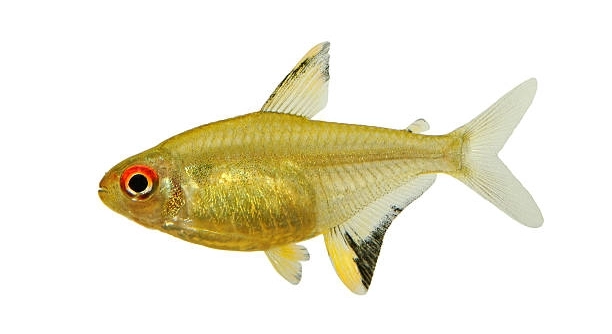
Lemon tetras are small, bright fish that bring life to any aquarium. Their active movements and shimmering colors make them fun to watch, and many fishkeepers enjoy observing how they interact with their surroundings daily.
Lemon tetras can notice other aquariums, but they do not interact with them directly. They respond mainly to movement and light from nearby tanks, showing curiosity without any social or territorial behavior toward fish in separate aquariums.
Learning about their behavior can help you create a more stimulating environment, ensuring your lemon tetras stay happy and healthy in their own tank space.
How Lemon Tetras See Their Environment
Lemon tetras are naturally curious fish that spend most of their time exploring their surroundings. Their bright yellow color makes them stand out, and their eyes are constantly scanning for movement. They are sensitive to changes in light and reflections, which is why nearby tanks can catch their attention. Even though they notice other aquariums, they rarely react aggressively or try to interact. Instead, they may swim closer to the glass or hover near the edges. These behaviors show alertness rather than social interaction. Providing plants, hiding spots, and open swimming areas in their own tank helps keep them engaged. When tanks are decorated with contrast in colors or gentle lighting, lemon tetras appear more active. Their behavior is shaped more by their immediate environment than by distant fish. Watching them adapt to changes in the tank is both calming and fascinating.
Lemon tetras respond mostly to movement and light in their surroundings, not the fish in nearby tanks.
Observing lemon tetras up close gives insight into their natural instincts. They tend to form small schools, swim in patterns, and react quickly to shadows or sudden motion. Their interest in reflections or other tanks is brief, and they quickly return to their regular swimming patterns. Tank setup, water quality, and space influence how active they are. A well-maintained aquarium encourages natural behavior and reduces stress. Even small adjustments, like adding floating plants or rearranging decorations, can change how they explore and interact with their environment. Understanding these patterns helps keep them healthy and lively. Lemon tetras thrive when their tank mimics natural conditions, offering safety, stimulation, and room to move freely.
Signs Lemon Tetras Are Engaged
When lemon tetras are curious, they swim actively and explore the tank consistently.
Active swimming, schooling behavior, and quick responses to light are signs they are comfortable and alert.
Lemon tetras show engagement through small movements and interactions within their own tank. They may hover near plants, dart around open spaces, or investigate decorations. While they notice activity outside their tank, their main focus remains inside. Stress or poor conditions reduce these behaviors, making them less lively. By observing how they explore, you can adjust lighting, plant placement, or swimming space to keep them stimulated. They benefit from a stable environment with clean water and balanced nutrition. Even subtle signs, like following each other or reacting to shadows, indicate curiosity and alertness. Proper care enhances these natural behaviors, making your tank more visually dynamic and enjoyable to watch.
Factors That Influence Their Curiosity
Lemon tetras’ interest in their surroundings depends on lighting, tank size, and decorations. Bright or moving lights catch their attention, while cramped spaces or too few hiding spots can make them less active. Proper setup encourages natural exploration and alertness.
Tank design directly affects how lemon tetras interact with their environment. Open areas allow for schooling and swimming freely, while plants and ornaments provide places to hide and explore. Sudden changes, like moving decorations or adding new objects, often trigger curiosity and brief investigative behavior. Light reflections from glass or water surfaces can draw their attention, but it rarely lasts long. Their reactions are subtle, mostly swimming closer to objects or pausing to observe movements. Stress, overcrowding, or poor water quality reduce engagement, so maintaining stability is crucial. Watching how they respond helps adjust tank conditions for better activity and comfort.
Even small details in a tank influence lemon tetras’ behavior. Floating plants, gentle water flow, and varied textures make them more lively. They notice colors and movement, so contrast in decorations can encourage exploration. Regular feeding routines also affect activity; well-fed fish are calmer and more confident when swimming.
Interaction With Other Fish
Lemon tetras mostly interact with tank mates rather than fish in other aquariums.
They swim in groups and show coordinated movements, responding to nearby companions. Schooling provides safety and reduces stress, while occasional chasing or quick movements are part of natural behavior. They rarely show interest in fish outside their tank, as focus remains on immediate surroundings. Interaction levels depend on tank size, number of fish, and species compatibility. Peaceful companions encourage more swimming and social activity, while aggressive species cause hiding or reduced movement. Observing their group dynamics helps ensure proper care.
Compatibility and behavior patterns determine how lemon tetras act around other fish. They thrive with similarly sized, non-aggressive species, which helps maintain a calm environment. Overcrowded or mismatched tanks increase stress, reducing curiosity and natural schooling behavior. Providing enough space, hiding spots, and balanced nutrition supports social interactions. Even subtle differences, like water current or light intensity, influence group movement and engagement. Their responses to companions are often more noticeable than reactions to external tanks, making internal dynamics the key to healthy behavior. Watching how they adapt helps fine-tune the tank setup for better overall activity and well-being.
Visual Stimulation From Outside Tanks
Lemon tetras notice movement and light from nearby aquariums, but it rarely holds their attention for long. Reflections or passing shadows may trigger curiosity, but they usually return to their own space quickly.
Their main focus remains inside their tank. External fish or objects provide only brief distraction, without affecting normal behavior or social interactions.
Importance of Tank Setup
A well-planned tank encourages activity and reduces stress. Open swimming areas, plants, and hiding spots create a balanced environment. Lemon tetras are more active when they can explore safely and have room for schooling. Decorations with color and contrast keep them engaged without overwhelming them. Lighting should mimic natural conditions, avoiding sudden bright flashes. Water flow, temperature, and quality also influence behavior. Regular feeding and consistent routines help maintain alertness. Observing how they interact with their surroundings helps identify what keeps them comfortable and active. Proper tank setup ensures their curiosity stays focused on their environment rather than external distractions.
Brief Observations
Lemon tetras react mostly to immediate changes in their tank. Minor shifts or new items catch their attention briefly.
FAQ
Do lemon tetras get stressed by seeing other aquariums?
Lemon tetras are generally not stressed by nearby aquariums. They respond to movement or light briefly but quickly return to their normal behavior. Stress in these fish is more often caused by poor water quality, overcrowding, or aggressive tank mates than by seeing external tanks.
Can lemon tetras recognize fish in other tanks?
Lemon tetras do not recognize fish outside their own tank. They notice movement or reflections, but they do not identify or interact with external fish. Their focus remains on companions and their immediate environment, where schooling and social interactions take place.
Will lemon tetras try to reach fish in other aquariums?
No, lemon tetras do not attempt to reach or interact with fish in other tanks. Their behavior is limited to their own space. Any movement near the glass may prompt a brief glance, but they quickly return to swimming or schooling within their tank.
Do external tanks affect lemon tetra behavior?
External tanks have minimal impact on their behavior. Lemon tetras respond briefly to lights, shadows, or movement from outside, but this does not influence their social patterns or activity levels. They remain focused on their tank mates and the structure of their own environment.
How can I make my lemon tetra tank more engaging?
Adding open swimming areas, plants, hiding spots, and varied decorations encourages natural behavior. Gentle water flow and appropriate lighting also help. Regular feeding routines and stable water conditions keep them active. Simple changes like adding floating plants or rearranging ornaments can stimulate exploration and maintain their curiosity.
Do lemon tetras enjoy observing movement outside their tank?
They notice movement, but it is brief and mostly incidental. Lemon tetras are more stimulated by changes and interactions within their tank than by anything happening outside. Light reflections, passing shadows, or sudden changes may attract attention for a few moments.
Will a larger tank make them more interested in external aquariums?
A larger tank mainly gives them more space to swim and school comfortably. It does not increase interest in external tanks. Their attention remains on tank mates, territory, and decorations, which provide sufficient stimulation. External aquariums remain a minor distraction at best.
Does the type of fish in other tanks matter?
The species of fish in other aquariums has little effect. Lemon tetras react to movement and light, not to specific types of fish. Peaceful or aggressive fish in nearby tanks do not change their focus, as social interactions happen only within their own environment.
Can reflections confuse lemon tetras?
Yes, reflections in the glass or water can briefly attract attention. They may swim closer to investigate, but this curiosity is temporary. Reflections do not affect schooling behavior or long-term activity. Keeping glass clean and maintaining lighting reduces unnecessary distractions.
Is it better to place lemon tetra tanks away from other aquariums?
Placement does not significantly affect their well-being. Lemon tetras are focused on their own tank, so seeing other aquariums is not harmful. Avoiding strong direct lights or constant motion nearby can prevent minor, momentary distractions, but overall, placement is flexible.
How do I know if my lemon tetras are stressed?
Signs of stress include hiding constantly, reduced swimming, loss of color, or irregular breathing. These behaviors are linked to water quality, tank mates, or overcrowding rather than observing other aquariums. Monitoring their behavior regularly helps maintain a healthy environment.
Do lemon tetras interact more with their own reflection or other fish outside?
They are more likely to notice their own reflection than fish in other tanks. Reflections provide brief curiosity without social interaction. Fish outside their tank rarely capture attention for more than a few seconds, as natural behavior and companions take priority.
Can frequent changes in nearby tanks upset them?
Frequent changes nearby have little long-term effect. Lemon tetras may glance at sudden movement or light shifts, but their social and exploratory behaviors remain concentrated on their own tank. Consistent water conditions and a stable environment are far more important for their comfort.
Do lemon tetras benefit from seeing other aquariums?
Observing other tanks provides no real benefit. Their natural curiosity is satisfied through exploration and interaction in their own environment. Safe, stimulating decorations, plants, and proper tank mates are the best ways to keep them active and healthy.
What should I focus on to keep them happy?
Prioritize tank size, water quality, schooling companions, decorations, and consistent routines. Lemon tetras thrive when their immediate environment is stable and engaging. External aquariums may catch brief attention, but their well-being depends entirely on their own space.
Final Thoughts
Lemon tetras are small, lively fish that bring energy and color to any aquarium. They spend most of their time exploring their tank, swimming in small schools, and interacting with plants, decorations, and their tank mates. Their natural curiosity makes them notice changes in their surroundings, but it is usually focused on things inside their own tank rather than on fish in other aquariums. Observing them closely shows that they react to movement, light, and reflections, but these reactions are brief. They rarely show sustained interest in external fish or objects, and their main focus remains on their immediate environment. For anyone keeping lemon tetras, understanding this behavior is helpful because it emphasizes the importance of providing a well-thought-out tank where they feel safe and stimulated. When the tank is set up properly, lemon tetras display natural behaviors, stay active, and are easier to care for.
Proper tank setup plays a major role in keeping lemon tetras comfortable and engaged. They benefit from a balance of open swimming space and hiding spots, such as plants or small ornaments, which allow them to feel secure while exploring. Light and color in the tank also influence their behavior. Gentle, natural lighting encourages activity without stressing them, while colorful decorations or contrasts can hold their attention longer. Water quality, temperature, and flow are just as important as the physical setup. Lemon tetras are sensitive to poor conditions, overcrowding, and aggressive tank mates, which can make them hide, reduce swimming, or show signs of stress. Keeping a consistent feeding routine and monitoring their behavior regularly helps maintain their well-being. By focusing on the conditions within the tank, you can create an environment that meets their physical and social needs, making them more active and responsive.
It is important to remember that lemon tetras are not interested in other aquariums beyond brief glances. Their responses to external movement or reflections are short-lived and do not affect schooling or social interactions. This means that while it might be tempting to place tanks near each other, it is not necessary for their stimulation or happiness. The key to their health and engagement lies in careful tank management, proper tank mates, and a stimulating yet safe environment. Observing their behavior over time helps identify what they enjoy and what may cause stress. Simple adjustments, like rearranging decorations, adding plants, or increasing swimming space, can improve their activity and curiosity. Focusing on their immediate surroundings ensures lemon tetras remain lively, healthy, and visually engaging, making your aquarium both enjoyable to watch and better suited to their natural behavior.

Hello,
If you enjoy the content that we create, please consider saying a "Thank You!" by leaving a tip.
Every little bit helps us continue crafting quality advice that supports the health, happiness, and well-being of pets around the world, for pets of all shapes, sizes, and species.
We really appreciate the kindness and support that you show us!