
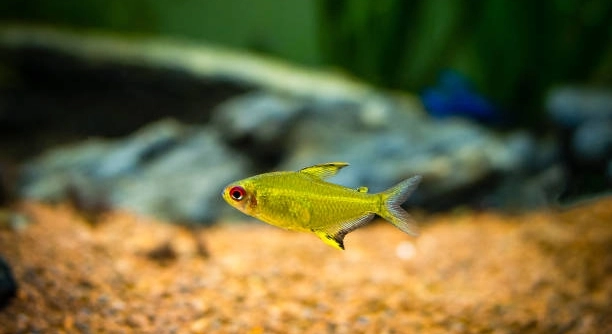
Lemon tetras are small, bright fish that brighten any home aquarium. Observing their behavior can be fun, but learning how they interact with other species can reveal surprising insights about their habits and needs.
Lemon tetras can learn from other species through social interactions, environmental adaptation, and behavioral observation. Studying species with similar habitats or social structures allows them to adjust feeding patterns, reduce stress, and develop cooperative behaviors that support survival.
Exploring how lemon tetras benefit from these interactions opens a new perspective on their care and well-being in community tanks.
Learning Social Behavior From Other Fish
Lemon tetras are naturally social and can pick up cues from other species in the tank. Observing the movements of larger or more confident fish can help them understand boundaries and swimming patterns. When paired with species that are calm and non-aggressive, lemon tetras often feel more secure and display less stress. This can lead to improved feeding habits, as they learn when and how to approach food safely. Additionally, they may mimic schooling behavior from species with strong group cohesion. This mimicry strengthens their own social skills and keeps them active. Watching interactions like territorial displays or gentle nudges can teach lemon tetras how to communicate subtly with each other. Their colors can become more vibrant as a sign of confidence and comfort. Over time, this observational learning can influence their overall health and mood, making them more adaptable to changes in the tank environment.
Observing other species helps lemon tetras refine social skills, adapt behavior, and reduce stress, promoting healthier interactions within the aquarium community.
Seeing lemon tetras react to other species provides insight into their instincts and preferences. This can guide better tank setups and care practices.
Environmental Adaptation From Tank Mates
Lemon tetras can adjust to different water conditions by observing species already thriving in them.
Different species in the same tank often display varying tolerances to temperature, pH, and light. Lemon tetras can respond to these cues by adjusting their own swimming depth, resting patterns, and activity levels. For example, if a species prefers calmer water near plants, lemon tetras may follow and take shelter similarly. This behavior reduces energy expenditure and stress, which is crucial for small fish. Observing feeding times of other species also helps them optimize their own eating schedule, preventing competition and ensuring proper nutrition. Even minor actions, like responding to water flow created by tank decorations or filters, can teach lemon tetras how to conserve energy or avoid hazards. Over weeks, these small adjustments accumulate, creating a more stable and confident fish. Learning from other species is subtle, but it directly impacts survival, comfort, and overall vitality. Understanding these patterns helps caretakers create an environment that supports natural behavior.
Feeding Lessons From Other Species
Lemon tetras often learn feeding habits by watching other fish. Observing how species approach food helps them recognize safe spots, timing, and types of food that are suitable in the tank environment.
When lemon tetras see other fish feeding, they often adjust their own behavior to match. They notice the safest places to eat and avoid areas with aggressive fish. This observation helps reduce stress and ensures they get enough nutrition. Additionally, they may copy the timing of feeding, becoming more consistent in their routine. Over time, this learning reduces competition and improves overall health. Lemon tetras are quick learners when it comes to understanding which foods are edible and which areas are safest to approach during feeding.
Lemon tetras also learn to pace themselves while eating. Watching slower species teaches them patience, and observing faster fish encourages alertness. These lessons improve coordination and prevent overeating or injury. Their ability to adapt feeding strategies from other species helps maintain balance and harmony in the tank.
Stress Management and Safety
Observing calm species teaches lemon tetras ways to stay relaxed in the tank. They pick up signals that indicate safety or potential danger.
When lemon tetras are housed with more composed species, they learn subtle cues that indicate when it is safe to swim freely and when to hide. Seeing other fish react to threats, like sudden movements or water changes, helps lemon tetras adjust their own responses. They may retreat to plants, slow down swimming, or stay closer to the bottom, reducing stress. Over time, these behaviors become instinctive, allowing lemon tetras to navigate the tank confidently. Stress management learned this way also improves immune function, coloring, and social interactions. By observing others, lemon tetras gain a sense of security without being aggressive or overly cautious, creating a more balanced environment for all fish.
Mimicking Swimming Patterns
Lemon tetras often follow the swimming routes of other species to feel secure. Copying these patterns helps them navigate the tank efficiently and avoid collisions or conflicts.
By observing fish that move confidently around decorations or currents, lemon tetras learn where it is safe to explore. This reduces accidents and helps them develop a natural rhythm while swimming in groups.
Learning From Aggressive Species
Lemon tetras can benefit from observing mildly aggressive fish without direct confrontation. They learn boundaries and avoidance techniques that prevent injuries and stress in community tanks. Watching reactions to territorial behavior helps them understand how to keep distance and adapt without showing fear.
Adapting to Tank Environment
Lemon tetras notice how other fish react to light, temperature, and water flow. They adjust their own behavior, swimming depth, and resting places based on these cues, creating a more comfortable environment.
Group Cohesion
Following schooling fish teaches lemon tetras timing, spacing, and coordination. This strengthens social bonds and ensures safer movement in community tanks.
FAQ
How do lemon tetras learn from other fish?
Lemon tetras learn primarily through observation. Watching other species interact with the environment, approach food, or respond to stress helps them adapt similar behaviors. They may mimic swimming patterns, feeding timing, or hiding strategies. This kind of observational learning is subtle but consistent, shaping their daily routines and improving overall tank harmony.
Can lemon tetras pick up bad habits from aggressive species?
Yes, lemon tetras may temporarily adopt cautious or defensive behaviors if exposed to aggressive tank mates. However, this is often a protective adaptation rather than a permanent change. Providing a balanced tank with calm and moderately active species helps maintain their natural behavior while still offering learning opportunities.
Do lemon tetras need specific species to learn effectively?
Not necessarily. They benefit most from species with clear, predictable behavior. Fish that are calm, active, or schooling provide consistent cues. Lemon tetras learn to follow patterns, understand feeding routines, and navigate their environment efficiently when they have reliable models to observe.
How long does it take for lemon tetras to learn from other fish?
Learning is gradual. Some behaviors, like following safe swimming paths or adjusting feeding patterns, can develop within a few days. More complex social adaptations, such as mimicking group coordination or stress responses, may take weeks. Regular observation in a stable tank accelerates the learning process.
Can lemon tetras teach each other behaviors learned from other species?
Yes. Once a lemon tetra adopts a useful behavior, others in its group often follow. This social learning spreads through the school, reinforcing routines like feeding, hiding, or swimming in synchrony. Over time, this collective learning improves overall group cohesion and safety.
Do environmental changes affect how lemon tetras learn?
Absolutely. Sudden changes, like temperature shifts, new decorations, or unfamiliar tank mates, can temporarily disrupt learning. Lemon tetras adapt faster when changes are gradual, allowing them to observe new behaviors in a low-stress setting and integrate them into their routines.
Is it safe for lemon tetras to interact with much larger species?
Interactions with significantly larger species should be monitored. Lemon tetras may observe and learn from these fish, but physical safety is a concern. Ensuring the larger species are non-aggressive and the tank has hiding spots allows safe observation without risk of injury.
Do lemon tetras benefit more from schooling or solitary species?
Schooling species provide the most visible learning opportunities. Their coordinated movement, feeding, and responses to stress give lemon tetras clear patterns to mimic. Solitary species offer some cues, but the consistency and predictability of schooling behavior are more effective for social learning.
Can lemon tetras learn to avoid predators in a tank?
While most aquarium predators are controlled, lemon tetras can learn to respond to signs of danger from more dominant or territorial species. Quick retreats, hiding, and synchronized swimming are learned behaviors that increase their survival and comfort within the tank environment.
How can I encourage learning in lemon tetras?
Maintaining a stable, enriched tank with a variety of safe species promotes observational learning. Adding plants, hiding spots, and gentle water currents encourages natural behavior. Feeding at consistent times and observing interactions helps lemon tetras notice patterns and adjust their routines effectively.
Do lemon tetras show individual learning differences?
Yes. Some tetras are naturally bolder or quicker to imitate others, while some are cautious. Individual personality affects how fast they adopt new behaviors, but group dynamics often balance these differences, as more confident fish can influence the rest of the school.
Are there signs that lemon tetras are learning effectively?
Signs include improved coordination, consistent feeding patterns, calmer behavior around other species, and use of safe swimming routes. Bright colors, active swimming, and group cohesion also indicate comfort and successful observational learning in the tank.
Can learning from other species improve lemon tetras’ health?
Indirectly, yes. Reducing stress through learned safe behaviors, improving feeding efficiency, and maintaining social cohesion all support immune function and longevity. Observational learning contributes to a balanced, healthier aquarium life for lemon tetras.
Do lemon tetras ever forget behaviors learned from other fish?
Behaviors can fade if not reinforced. If tank conditions change, aggressive species are removed, or the school is disrupted, previously learned routines may diminish. Consistent observation, stable environments, and routine feeding help maintain these learned behaviors over time.
How important is tank size for learning?
Tank size matters because it affects visibility and interaction. Larger tanks allow more exploration and observation, while cramped spaces limit movement and learning opportunities. Properly spaced decorations and plants help lemon tetras see and respond to other species safely.
Can lemon tetras adapt to new species quickly?
Adaptation speed depends on temperament, tank environment, and the behavior of the new species. Calm, predictable fish allow quicker learning, while aggressive or erratic species slow adaptation. Gradual introductions minimize stress and support observational learning for smoother integration.
Final Thoughts
Lemon tetras are small, bright fish that can teach us a lot about adaptability and learning. Even though they are tiny, their ability to observe and respond to other species in the tank is impressive. Watching how they interact with different fish shows that learning is not limited to humans or larger animals. They notice details, such as where it is safe to swim, when to eat, and how to react to minor disturbances in the water. This ability to observe and adjust makes them more confident and less stressed. Over time, they develop habits that help them stay healthy and active. For anyone keeping a community tank, seeing lemon tetras respond to their neighbors is a reminder that even small fish have complex behaviors. The way they adapt to social and environmental cues can help improve how we set up and maintain aquariums, making life easier for both fish and caretakers.
The most important thing about lemon tetras is that they thrive in a stable environment with supportive companions. When they are housed with calm or predictable species, they learn from these examples and gain confidence. Mimicking swimming patterns, feeding habits, and even stress responses helps them manage their day-to-day routines. This kind of learning keeps them active, reduces aggression, and prevents overcrowding stress. Lemon tetras also teach each other. Once one fish adopts a behavior, the rest of the group often follows, improving group cohesion and coordination. Their social learning shows how important it is to maintain the right balance in a community tank. Providing plants, hiding spots, and consistent feeding schedules allows them to practice these behaviors safely. Observing these patterns can make caretakers more aware of how small changes in the environment or tank mates affect the fish. Over time, these adaptations lead to stronger, healthier, and more confident lemon tetras.
Finally, it is worth noting that lemon tetras are not only learners but also adaptable creatures. They respond to new species, slight changes in water conditions, and shifts in the tank layout. Their ability to adjust helps them stay healthy and reduces stress in a busy community tank. While they are small, their learning and social behaviors are sophisticated and can influence the behavior of the entire tank. Understanding how they pick up cues from others allows caretakers to create environments that support natural instincts and positive interactions. By paying attention to these behaviors, it is possible to encourage safe exploration, reduce conflicts, and promote a sense of security for all tank inhabitants. Lemon tetras show that even tiny fish can benefit from observation and adaptation, reminding us that careful planning, consistency, and awareness are key to a thriving aquarium. Their small size does not limit their capacity to learn, and with the right setup, they can live active, healthy, and harmonious lives.

Hello,
If you enjoy the content that we create, please consider saying a "Thank You!" by leaving a tip.
Every little bit helps us continue crafting quality advice that supports the health, happiness, and well-being of pets around the world, for pets of all shapes, sizes, and species.
We really appreciate the kindness and support that you show us!