
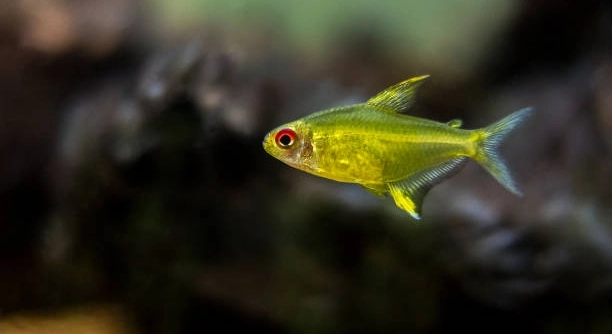
Lemon tetras are small, lively fish that brighten any aquarium. Their vibrant colors and playful nature make them popular among fish enthusiasts. Ensuring they have a healthy environment is key to keeping them happy and thriving.
Poor oxygen levels in an aquarium can severely affect lemon tetras’ health. Low oxygen can cause stress, weaken their immune system, slow growth, reduce activity, and even lead to fatal outcomes if not addressed promptly.
Monitoring oxygen levels and understanding their effects helps maintain a safe and healthy home for your lemon tetras. Proper care ensures these fish remain energetic and vibrant in your tank.
Reduced Activity Levels
When lemon tetras experience low oxygen, their activity noticeably declines. They may swim slower, hover near the surface, or remain in one spot for long periods. Observing a once-active school suddenly moving sluggishly is a clear sign that oxygen levels are insufficient. Over time, reduced movement can affect their ability to feed properly, leading to weight loss and weaker overall health. Even minor drops in oxygen can make them less responsive to their environment. Stress from low oxygen also impacts their behavior, making them hide more often or avoid interacting with other tetras. Maintaining proper water circulation and aeration is essential to prevent these changes. Small air stones or properly positioned filters can make a significant difference. Regular observation of swimming patterns is a simple way to monitor their well-being. Consistent care ensures that lemon tetras stay lively, healthy, and maintain their natural behavior, which is important for both their growth and visual appeal in the tank.
Sluggish swimming and hiding behavior are early indicators of oxygen deficiency in lemon tetras. Prompt action can prevent long-term health consequences.
Keeping lemon tetras active requires consistent oxygen levels. Adjusting water flow, adding aeration devices, and avoiding overcrowding helps maintain energy. Over time, proper oxygenation restores normal swimming patterns, encourages feeding, and reduces stress-related behaviors, supporting their long-term vitality.
Color Fading
Lemon tetras’ bright colors often fade when oxygen is low. A noticeable dullness in their yellow and silver hues signals that the fish are under stress. Even slight oxygen drops can affect pigment expression. When oxygen is sufficient, the fish display strong, vibrant colors and energetic movement. Low oxygen reduces circulation and slows metabolism, which impacts color intensity. Over weeks, prolonged exposure can make their colors appear washed out, decreasing the visual appeal of the tank. Oxygen-rich water keeps tissues healthy and supports proper metabolic functions, which helps maintain natural coloration. Adding live plants and ensuring proper filtration can improve oxygen levels and help restore color. Feeding high-quality, nutrient-rich foods also supports pigment retention. Observing color changes regularly provides an easy way to assess overall tank health. By addressing oxygen problems early, the tank remains visually pleasing, and the fish retain their natural vibrancy.
Color fading in lemon tetras is a visible sign of stress from low oxygen. Early detection helps prevent serious health decline.
Maintaining vibrant coloration requires attention to water quality and oxygenation. Proper aeration, regular water changes, and balanced nutrition ensure the fish retain strong, bright colors. Neglecting these factors allows fading to persist, which can signal deeper health issues. Using aquatic plants or small pumps can increase dissolved oxygen naturally, while consistent monitoring prevents prolonged stress. Keeping lemon tetras in an appropriately sized tank avoids overcrowding, reducing oxygen competition. Bright, healthy colors are not just aesthetic—they indicate that fish are active, feeding properly, and thriving. This simple focus on oxygen and water quality creates a lively, colorful aquarium that benefits both the fish and anyone observing them, showing how proper care directly affects their well-being and appearance.
Rapid Gill Movement
Rapid gill movement in lemon tetras is a clear response to low oxygen. The fish breathe faster to compensate, often staying near the water surface where oxygen is higher. This behavior signals immediate stress and the need to improve tank aeration.
Low oxygen causes lemon tetras to increase their breathing rate. Their gills move quickly as they try to absorb more oxygen from the water. This constant effort can exhaust them over time, reducing energy for swimming, feeding, and social interactions. Poor circulation and stagnant water worsen the problem, making it harder for the fish to stabilize. Simple measures, like adding an air stone, adjusting water flow, or trimming dense plants, can improve oxygen availability. Observing gill movement regularly helps detect issues early, preventing long-term health consequences. Rapid gill activity is one of the first visible signs that oxygen levels need attention.
Over time, if low oxygen persists, lemon tetras may show additional stress behaviors, including staying in groups near surface areas, reduced feeding, or erratic swimming. Correcting oxygen levels quickly can reverse these signs, restoring normal breathing and energy. Maintaining proper tank maintenance and aeration routines ensures fish remain active and healthy, reducing risk of long-term harm and supporting overall vitality.
Loss of Appetite
Lemon tetras often eat less when oxygen is low. Reduced feeding directly affects their growth, energy, and overall health, making it critical to address the issue promptly.
Low oxygen levels can suppress the natural feeding instincts of lemon tetras. They become lethargic and uninterested in food, even if it is their favorite. This loss of appetite is caused by stress and insufficient oxygen delivery to vital organs. Over time, inadequate nutrition weakens their immune system, making them more vulnerable to disease and slower to recover from illness. Ensuring proper aeration and water circulation helps restore oxygen levels, which gradually encourages normal feeding behavior. In some cases, offering highly digestible, nutrient-rich foods can support recovery and maintain strength.
Ignoring appetite loss can lead to rapid deterioration of health in lemon tetras. Weight loss, faded colors, and weak swimming often follow. Addressing oxygen issues immediately, combined with monitoring feeding habits, ensures fish regain their normal diet and energy. Maintaining a balanced tank environment, including regular water changes, avoiding overcrowding, and providing oxygenation, prevents prolonged periods of poor appetite. Over time, consistent care restores natural feeding patterns, supporting growth, immunity, and overall vitality. Fish become more active, display stronger colors, and maintain their health when oxygen levels remain adequate.
Increased Stress Levels
Low oxygen puts lemon tetras under constant stress. They may hide more, swim erratically, or avoid interaction with tank mates. Chronic stress affects their immune system and overall health, making quick intervention essential.
Stress from insufficient oxygen can lead to long-term health problems. Lemon tetras may develop weakened immune responses, making them more susceptible to infections and diseases. Over time, their growth slows, colors fade, and behavior changes. Providing proper aeration, water circulation, and avoiding overcrowding reduces stress. Observing daily behavior helps detect issues early, ensuring the fish remain healthy and active.
Weakened Immune System
Oxygen deficiency weakens lemon tetras’ immune responses. They become more prone to bacterial and fungal infections, and recovery from illness slows considerably.
Prolonged low oxygen exposure compromises the fish’s ability to fight off pathogens. Their immune system becomes less effective at combating infections, leading to higher mortality rates. Common signs include lethargy, clamped fins, and unusual spots or lesions. Maintaining proper oxygen levels helps sustain immune function. Regular water changes, proper filtration, and careful monitoring of tank conditions support overall health. Avoiding sudden temperature or chemical fluctuations also reduces additional stress, giving the immune system a chance to remain strong. A well-oxygenated environment is critical for disease prevention and long-term survival.
Physical Weakness
Low oxygen often causes lemon tetras to appear weak and less coordinated. Swimming becomes labored, and energy levels drop noticeably.
FAQ
What causes low oxygen levels in a lemon tetra tank?
Low oxygen in a tank usually results from poor water circulation, overcrowding, high temperatures, or excessive organic waste. Stagnant water reduces dissolved oxygen, while decaying food and plants consume oxygen. Keeping the tank clean, providing proper filtration, and avoiding overstocking are essential to maintain safe oxygen levels.
How can I tell if my lemon tetras are stressed due to low oxygen?
Signs of stress include rapid gill movement, hiding, sluggish swimming, faded colors, and loss of appetite. The fish may also hover near the surface to access more oxygen. Monitoring their behavior daily helps catch stress early before serious health problems occur.
What is the best way to increase oxygen in my tank?
Adding air stones, adjusting water flow, using surface agitation, and incorporating live plants can all improve oxygen levels. Ensuring a properly sized filter is running efficiently also helps. Regular water changes keep oxygen levels stable and prevent buildup of harmful substances.
Can temperature affect oxygen levels?
Yes, warmer water holds less oxygen than cooler water. Keeping the tank temperature stable, within the ideal range for lemon tetras, helps maintain sufficient oxygen levels. Sudden temperature spikes can worsen low oxygen problems and stress the fish.
How quickly can low oxygen affect lemon tetras?
Effects can appear within hours in extreme cases, but mild oxygen depletion may take days to show symptoms. Early signs include faster gill movement and reduced activity, while prolonged exposure can lead to faded colors, weakened immunity, and even death. Prompt action is necessary to prevent severe outcomes.
Are some lemon tetras more sensitive to low oxygen than others?
Younger or weaker fish tend to be more vulnerable. Newly added tetras may also struggle to adapt to lower oxygen if the tank is not fully cycled. Ensuring proper acclimation and avoiding overcrowding helps protect all fish equally.
Do decorations or plants affect oxygen levels?
Yes, dense decorations or overgrown plants can limit water movement, creating low-oxygen pockets. Some plants consume oxygen at night, so monitoring plant growth and trimming as needed helps maintain balanced oxygen levels throughout the tank.
How does low oxygen impact breeding lemon tetras?
Oxygen-deprived environments can reduce spawning behavior and egg survival. Eggs and fry are particularly sensitive to oxygen levels. Keeping the tank well-aerated is crucial during breeding to support healthy reproduction and increase the chances of survival for young fish.
Can low oxygen cause disease in lemon tetras?
Yes, prolonged oxygen deficiency weakens their immune system, making them prone to bacterial, fungal, and parasitic infections. Maintaining proper oxygen levels reduces stress, supports immune function, and helps prevent outbreaks that could threaten the entire tank.
What daily practices help prevent low oxygen issues?
Regular observation of swimming behavior, gill movement, and feeding habits is key. Performing frequent water changes, cleaning the substrate, monitoring temperature, and ensuring good circulation all contribute to consistent oxygen levels and overall fish health.
Is it safe to use chemical oxygen boosters in an emergency?
Chemical oxygen supplements can provide temporary relief but do not replace proper tank management. They should only be used as a short-term solution while addressing the underlying causes, such as water quality, temperature, and overcrowding.
How do I acclimate new lemon tetras to prevent oxygen stress?
Float the sealed bag in the tank to equalize temperature, then gradually mix tank water over 20–30 minutes. Slow acclimation reduces shock and allows the fish to adjust to oxygen levels and water chemistry, improving survival rates.
Can surface agitation alone improve oxygen?
Yes, surface movement increases gas exchange and oxygen absorption. Combining this with air stones, proper filtration, and circulation ensures oxygen is evenly distributed throughout the tank for all lemon tetras.
How often should I test oxygen levels?
Testing once a week is sufficient for most tanks, but higher temperatures, heavy stocking, or new setups may require more frequent checks. Maintaining stable, adequate oxygen levels prevents stress and supports long-term fish health.
Are there signs that oxygen levels have fully recovered?
Active swimming, normal feeding, vibrant colors, and relaxed gill movement indicate healthy oxygen levels. Fish returning to their usual patterns show that the tank environment has stabilized and oxygen levels are sufficient.
Can low oxygen affect tank mates differently?
Yes, some species tolerate low oxygen better than others. Aggressive or more active species may dominate surface oxygen, leaving sensitive species like lemon tetras stressed. Balanced stocking and adequate aeration help prevent unequal oxygen distribution and stress.
What long-term effects can repeated low oxygen exposure cause?
Chronic low oxygen can stunt growth, reduce lifespan, and increase susceptibility to disease. Even if the tank improves later, the damage from repeated stress episodes may have lasting impacts on vitality and behavior. Preventing recurring oxygen issues is critical.
Is there a way to naturally increase oxygen without devices?
Yes, adding fast-growing aquatic plants and maintaining water movement through regular cleaning helps. Plants release oxygen during the day, while healthy circulation prevents stagnant areas. Combining natural and mechanical methods is most effective.
How does overcrowding influence oxygen levels?
More fish consume more oxygen, which can quickly deplete available levels. Overcrowding increases waste, stresses filtration systems, and accelerates oxygen decline. Maintaining proper stocking ratios ensures each lemon tetra has enough oxygen to thrive.
Are small tanks more at risk for low oxygen?
Smaller tanks have less water volume, making oxygen levels fluctuate faster. They require careful monitoring, frequent water changes, and efficient aeration to prevent rapid depletion and protect lemon tetras from stress.
Lemon tetras are small but delicate fish that rely heavily on stable water conditions, especially oxygen levels. Their bright colors, energetic swimming, and active feeding habits all depend on a well-maintained environment. Even a slight drop in oxygen can affect their behavior, health, and overall well-being. Over time, consistent low oxygen can lead to stress, faded colors, reduced appetite, weakened immunity, and slower growth. Observing these changes early is important because it allows you to take action before serious health problems develop. Simple steps like checking water temperature, ensuring proper filtration, adding aeration, and avoiding overcrowding can prevent many of these issues. Regular observation of swimming patterns, gill movement, and appetite provides a clear picture of how your fish are coping with their environment, making it easier to identify when oxygen levels are insufficient.
Maintaining proper oxygen levels in a tank doesn’t require complicated equipment or constant intervention. A few straightforward adjustments can make a significant difference in your lemon tetras’ health. Air stones, gentle water flow, and surface agitation help improve oxygen circulation, while live plants add a natural source of oxygen during daylight hours. Keeping the tank clean by removing uneaten food and debris also prevents oxygen depletion caused by decaying matter. Temperature control is another key factor because warmer water holds less oxygen, so avoiding sudden temperature swings is important. Even small changes in tank setup can reduce stress and improve overall vitality. When oxygen levels are maintained consistently, lemon tetras display their natural behaviors, including lively swimming, feeding, and schooling. Their colors remain vibrant, and they are less prone to disease. This creates a healthier, more stable environment that benefits all inhabitants of the aquarium.
Proper care of lemon tetras goes beyond just oxygen management, but oxygen is one of the most critical factors for their health. Understanding how low oxygen affects behavior, appetite, and immunity helps you respond quickly to issues before they become severe. Over time, consistent attention to water quality, aeration, and tank balance creates a thriving environment where these fish can grow, reproduce, and remain active. Watching your lemon tetras flourish after adjusting oxygen levels is rewarding because their behavior and appearance improve noticeably. By focusing on maintaining oxygen and observing changes in behavior or color, you ensure that these small fish remain healthy and vibrant. The key is consistent care and monitoring, making minor adjustments whenever needed to support their long-term well-being and keep the aquarium a lively, balanced space for everyone.

Hello,
If you enjoy the content that we create, please consider saying a "Thank You!" by leaving a tip.
Every little bit helps us continue crafting quality advice that supports the health, happiness, and well-being of pets around the world, for pets of all shapes, sizes, and species.
We really appreciate the kindness and support that you show us!