
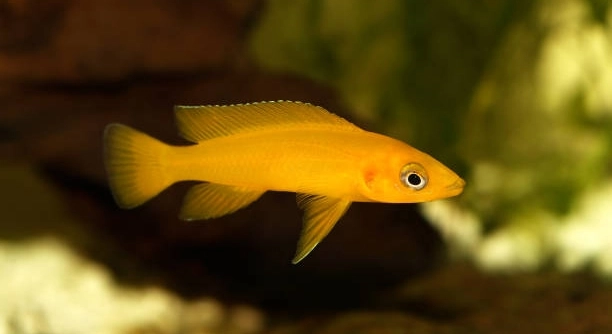
Have you ever watched your lemon tetra swimming and wondered if they might be feeling colder than they should? Noticing changes in their behavior can help you understand when their environment may be affecting them.
Lemon tetra show signs of cold stress through slowed activity, pale coloration, reduced appetite, and clustering near warmer areas. These behaviors indicate discomfort and emphasize that consistent heating is essential for supporting metabolism, immune function, and health in aquarium conditions.
Noticing the small changes your fish show can guide you toward creating a habitat that supports comfort and well being.
Common Signs of Cold Stress
Lemon tetra react to colder water in clear ways that can be noticed with a bit of attention, especially when you watch them during calm moments. Their color may appear duller than usual, and their movements often slow down as they try to conserve energy. You might also see them grouping together near areas where the water feels slightly warmer, such as close to a heater or spots with better circulation. These signs appear because cooler temperatures affect their metabolism, making it harder for them to stay active and maintain normal behavior. When their environment stays colder for too long, stress can build up and weaken their overall stability. Paying attention to these early changes can help you support their needs before issues grow. With steady care, you can keep them comfortable and help them thrive in conditions that match their natural preferences, bringing more balance to your aquarium today.
Colder water slows their internal processes, leading to noticeable shifts in movement, color, and interest in food. These changes show that their environment needs quick attention to bring conditions back to a range that supports comfort and stability, allowing them to return to their typical behavior without added stress present.
Observing lemon tetra during cooler periods can help you understand how their behavior connects to the temperature in their tank. When the water begins to drop, their reactions become more pronounced, showing you what they need before discomfort becomes severe. Adjusting the heater, improving circulation, and checking your thermometer regularly can make a significant difference. These small steps create a steady environment that protects their health and helps prevent long term issues. As you continue to monitor their movements and color, you will become more confident in recognizing early signs and responding in a calm, practical way that supports them.
How Temperature Impacts Lemon Tetra Health
Temperature influences how lemon tetra process nutrients, move around the tank, and react to daily changes. When the water cools, their systems slow down, making them more sensitive to stress. Keeping temperatures stable supports their ability to stay active, maintain color, and avoid unnecessary strain on their bodies each day.
Stable warmth plays a major role in how lemon tetra function, influencing their energy levels, immune response, and long term stability within the aquarium. When temperatures shift too far downward, their metabolism slows, causing them to conserve energy instead of exploring or interacting with their surroundings. This shift impacts how they eat, swim, and respond to mild disturbances, making them more vulnerable to stress. Prolonged exposure to cooler water can also weaken their resistance to illness, which may appear through faded color or sluggish movement. Keeping the temperature within their preferred range is essential for supporting their internal balance. Regular monitoring helps you catch small changes early, especially during seasonal fluctuations or equipment issues. Checking the heater, verifying placement, and paying attention to circulation all contribute to steadier conditions. These careful steps create an environment that encourages healthy behavior and allows them to display their natural patterns. When warmth is consistent, lemon tetra remain active, maintain their usual brightness, and move with confidence throughout the tank, bringing a sense of calm to your space. This steady climate supports smoother feeding habits and helps them react calmly to routine activity around the tank, giving them a stable and reassuring habitat daily.
Adjusting the Tank to Prevent Cold Stress
Maintaining stable warmth helps lemon tetra stay active and calm. A reliable heater, steady circulation, and frequent thermometer checks keep the water within a range that supports comfort. These steps reduce sudden drops, helping your fish avoid unnecessary stress while keeping their behavior smooth and steady.
A consistent temperature helps lemon tetra regulate their metabolism and keep their color bright. When the water cools too much, their movements slow, and they often gather near warmer spots, showing early signs of discomfort. Keeping the heater in good working order, cleaning the filter routinely, and making sure the water circulates evenly prevent cold pockets from forming. Simple checks throughout the week allow you to catch small imbalances before they grow, helping your fish maintain a stable rhythm. With these habits, you create a dependable environment that keeps stress low and supports the natural patterns your fish rely on.
Water changes also play a part in temperature stability. Using water that matches the current temperature reduces shock and helps lemon tetra settle quickly after maintenance. Adding fresh water slowly, checking equipment, and observing your fish afterward allows you to confirm that everything feels balanced. These small steps make your care routine smoother and strengthen your confidence in keeping conditions steady.
Recognizing When Conditions Need Immediate Action
Sudden behavior changes often signal temperature issues that need attention. When your lemon tetra become inactive, lose brightness, or remain near the heater for long periods, these cues show that the environment is shifting. Early action keeps problems from becoming more serious and helps maintain their comfort.
Quick responses help your lemon tetra recover from temperature dips before their health is affected. Start by confirming the temperature with a reliable thermometer, then check your heater for proper function. If the heater has failed or cooled too much, adjust it gently to avoid shocking your fish. Improving circulation helps distribute warmth evenly, preventing cold areas from forming around the tank. Watch your fish closely afterward, noting changes in movement and color. These small observations give you insight into how well they tolerate the corrected conditions. Maintaining a habit of regular monitoring, especially during seasonal changes, protects your fish from sudden stress. Keeping everything steady ensures your lemon tetra remain comfortable and active.
How Cold Water Affects Daily Behavior
Cooler water slows their swimming patterns and reduces how often they explore the tank. Lemon tetra may linger in calmer areas, staying closer to gentle currents that feel slightly warmer. These changes appear gradually, giving you early hints that temperatures need checking.
Cold stress also affects how they respond to feeding. Their appetite decreases, and they may ignore food they usually enjoy. This shift often happens when their energy drops, making it harder for them to stay active. Watching these habits helps you adjust the tank before stress becomes stronger.
Creating a Stable Temperature Routine
Keeping a steady routine supports long term comfort for your lemon tetra. Checking the heater daily, monitoring water temperature at different times, and watching for slight changes in behavior help you notice when something shifts. Maintaining consistent water movement and cleaning equipment regularly prevent cold pockets from forming. These habits keep the environment dependable and reduce stress. When you follow a simple routine, your fish stay brighter, more active, and better able to handle small fluctuations that happen naturally in any aquarium. With time, these steps become second nature and strengthen the stability of the entire tank.
Small Details That Make a Difference
Even small changes like adjusting heater placement or improving water flow can help your lemon tetra feel more at ease. Paying attention to these details keeps conditions steady and supports healthier behavior throughout the tank.
FAQ
How can I tell if my lemon tetra are feeling cold?
Lemon tetra show clear signs when the water becomes too cool for their comfort. Their color may fade slightly, and their swimming patterns often slow down. They may gather near the heater or stay in calmer areas where the water holds a bit more warmth. Their appetite can also decrease, which is another early signal that temperatures need adjusting. Paying attention to these small changes helps you act quickly before discomfort becomes more noticeable. Staying aware of their movements and posture gives you helpful clues about how they feel each day.
What temperature should lemon tetra stay in to remain comfortable?
They do best when the water remains in a stable warm range that supports their energy levels. Keeping the tank between 72 and 82 degrees Fahrenheit provides balance for their movement and feeding habits. Sudden temperature drops make them more prone to stress, so steady heat is important. Using a reliable heater and checking the thermometer often keeps everything within a safe range. When the temperature is consistent, lemon tetra remain active, bright, and more responsive to feeding. This type of stability helps them maintain their natural rhythm in the aquarium.
Why do lemon tetra lose color when the water gets too cold?
Cooler temperatures affect their metabolism and circulation, which leads to paler coloration. When their internal processes slow down, they cannot maintain the same brightness they show in warmer and steady conditions. This color change is often one of the earliest signs that the water needs adjusting. Once warmth returns to normal, their color usually becomes stronger again. Watching these subtle shifts helps you understand how closely their appearance connects to their environment, giving you another way to track their comfort.
How quickly should I warm the water if it becomes too cold?
Raising the temperature slowly is important for preventing added stress. Sudden changes can make your fish feel even more uncomfortable. Adjust the heater a little at a time and allow the tank to warm gradually. Check the thermometer to confirm that the water is rising at a gentle pace. Giving them time to adapt helps their system stabilize without shock. This careful approach helps your lemon tetra recover more smoothly and return to normal behavior once conditions improve.
Can cold water make lemon tetra stop eating?
Yes, cold water often reduces their appetite. Their metabolism slows when the temperature drops, making them less interested in food. You may notice them ignoring pellets or flakes they normally enjoy. This decrease usually appears along with slower movement or clustering near warmer areas. Restoring proper warmth often helps them regain their interest in feeding. Keeping track of their eating habits provides useful feedback about the tank conditions and how well they are tolerating them.
Should I adjust my care routine during colder seasons?
Seasonal changes can influence tank temperature, especially if your home gets cooler. Checking the heater more often, verifying temperature throughout the day, and keeping the tank away from drafts all help maintain stability. These small steps prevent sudden drops that might affect your fish. Even slight fluctuations can influence their behavior, so regular monitoring becomes more helpful during cooler months. Staying consistent with these habits keeps the environment calm and dependable, allowing your lemon tetra to remain active and comfortable.
Does water circulation matter for preventing cold stress?
Good circulation helps distribute warmth evenly throughout the tank. Without it, cold pockets can form and make certain areas uncomfortable for your fish. A clean filter and a gentle flow pattern keep the temperature more consistent. When water movement is balanced, the heater can work more effectively. Observing how your fish move through the tank shows you whether circulation feels smooth. Small adjustments to flow direction or equipment placement can make the entire environment more stable.
Final Thoughts
Caring for lemon tetra becomes easier when you understand how much temperature shapes their comfort and behavior. These small fish respond quickly to changes around them, and even slight drops in warmth can influence how they swim, eat, and interact with their surroundings. Keeping an eye on their behavior gives you helpful clues, and over time, you learn to notice small details that show when something isn’t quite right. When their color fades or their movement slows, these gentle signs remind you to check the tank and make sure everything is balanced. This simple attention helps you keep their environment stable and allows them to stay active and calm throughout the day.
Maintaining steady warmth brings long term benefits to your aquarium as a whole. Temperature plays a role in how the filter works, how the heater distributes warmth, and how the fish respond to everyday routines. By checking the thermometer regularly, adjusting equipment when needed, and watching how your lemon tetra behave after minor changes, you create habits that support a healthier space. These steps do not take much time, but they help protect your fish from stress that can build slowly over days or weeks. When you keep things steady, the tank becomes more predictable, and your fish move with more confidence. This dependable environment reduces the chance of issues that come from fluctuating warmth, allowing your lemon tetra to show their natural brightness and gentle nature.
Over time, you will find that temperature care becomes a simple part of your daily routine. The more familiar you become with your fish, the easier it is to understand what they need, especially when the seasons shift or when equipment begins to wear. Watching their reactions after water changes, noticing how they respond to slight adjustments in flow, and paying attention to their feeding habits all give you insight into their comfort. These observations help you keep the tank steady without effort, creating a calm setting that supports their well being. With a little care and consistency, your lemon tetra can thrive in conditions that feel safe and balanced, giving you a peaceful and enjoyable aquarium that remains stable through each day.

Hello,
If you enjoy the content that we create, please consider saying a "Thank You!" by leaving a tip.
Every little bit helps us continue crafting quality advice that supports the health, happiness, and well-being of pets around the world, for pets of all shapes, sizes, and species.
We really appreciate the kindness and support that you show us!