
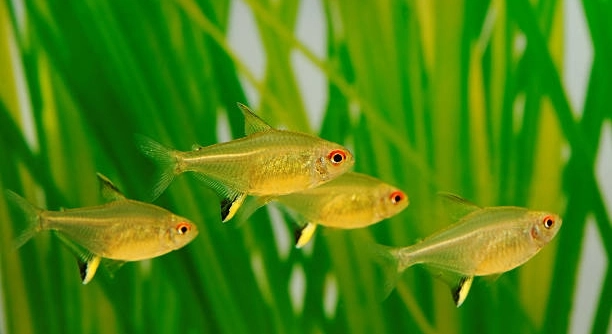
Lemon tetras are small, vibrant fish that brighten any freshwater aquarium. They are generally peaceful, but like all fish, they experience fears that influence their behavior and overall well-being in subtle ways.
Lemon tetras commonly experience fear due to sudden movements, loud noises, changes in water conditions, presence of aggressive tank mates, overcrowding, insufficient hiding spaces, and bright lighting. These stressors can impact feeding, swimming patterns, and overall health in their environment.
Recognizing these common fears can help you create a calmer, safer habitat for your lemon tetras and support their natural behaviors more effectively.
Sudden Movements and Loud Noises
Lemon tetras are very sensitive to sudden movements around their tank and unexpected loud noises. A hand moving quickly near the aquarium or a door slamming can startle them, causing them to dart around or hide. These reactions are their natural defense mechanism. Over time, frequent disturbances may lead to chronic stress, which can weaken their immune system and reduce their lifespan. Providing a stable environment with minimal abrupt activity helps them feel secure. Even small vibrations, like tapping the glass or placing the tank near a high-traffic area, can make them anxious. Observing their behavior closely will help identify patterns of stress. Gradually, you can create a routine that minimizes sudden disturbances. Covering parts of the tank or placing decorations strategically can offer safe spaces. Consistency and calmness are key for encouraging normal swimming and feeding habits.
Their sensitivity to movement and noise is natural but manageable with thoughtful tank placement and careful handling.
Maintaining a quiet and predictable environment is essential for their comfort. Adding plants and ornaments provides hiding spots, allowing lemon tetras to feel secure. Limiting abrupt changes in the room and keeping daily activities consistent reduces stress. Over time, they become more relaxed, swim confidently, and exhibit their natural, vibrant behavior. Monitoring their responses to external stimuli ensures they remain healthy and content.
Changes in Water Conditions
Lemon tetras thrive in stable water conditions and sudden shifts can cause fear and stress.
Sudden temperature changes, pH fluctuations, or chemical imbalances can make them react defensively and hide.
Gradually adjusting water parameters and testing them regularly creates a safer environment. Consistent water maintenance and slow acclimation to any changes reduce stress, allowing lemon tetras to feed, interact, and swim normally. Avoid large water replacements at once, as this can shock them. Using gentle filtration and ensuring proper aeration supports stable oxygen levels, which further promotes comfort. Observing water quality indicators, like clarity and temperature, helps prevent issues before they affect the fish. Consistent cleaning schedules and avoiding abrupt chemical treatments are essential. Adding natural plants and decorations can buffer minor changes and offer shelter. Over time, lemon tetras adapt to slight variations if introduced carefully, maintaining normal behavior and bright coloration. Creating an environment that mimics their natural habitat reduces fear responses and enhances their overall health and well-being.
Presence of Aggressive Tank Mates
Lemon tetras become fearful when housed with aggressive or territorial fish. Conflicts over space or food can cause constant stress, reducing their activity and appetite. Choosing compatible species helps maintain a peaceful aquarium environment and protects the tetras’ health and natural behavior.
Keeping lemon tetras with larger, aggressive fish often leads to continuous chasing or nipping. This fear response can prevent them from exploring the tank freely and make them hide more often. Over time, chronic stress can weaken their immune system, making them more prone to illness. Providing a calm and balanced community tank is essential. Observing interactions daily helps identify any problematic tank mates before conflicts escalate, ensuring the tetras remain active and healthy.
Grouping lemon tetras with other small, peaceful fish encourages natural schooling behavior and reduces fear. Adding plants and decorations gives them escape routes, further lowering stress. A well-planned community setup allows them to swim confidently, feed without hesitation, and display their full coloration, which is a clear sign of comfort and security in their environment.
Overcrowding
Overcrowded tanks cause lemon tetras to feel trapped and stressed. Limited swimming space and competition for resources increase fear and anxiety, impacting their well-being. Proper stocking levels are essential for their comfort and overall health.
Too many fish in a single aquarium can create constant movement and aggression, making lemon tetras hide or swim erratically. Stress from overcrowding can reduce feeding, stunt growth, and lead to illness. Each tetra needs enough space to school naturally, maintain social interactions, and express normal behaviors. Ensuring the tank has sufficient volume and resources minimizes fear and promotes balance. Decorations and plants can offer temporary hiding spots, but overcrowding still limits natural movement. Regular monitoring of fish numbers and observing behavioral cues helps prevent long-term stress, ensuring tetras thrive.
Balancing fish population with tank size and resources is vital. Overcrowding causes stress, disrupts feeding habits, and reduces social interaction. Adequate space, combined with structured aquascaping, helps lemon tetras feel secure, swim freely, and display healthy behavior. Managing stocking levels and maintaining environmental stability creates a calm, balanced habitat, supporting both physical and emotional health. Proper planning ensures each tetra can thrive without fear or constant stress from excessive tank mates.
Insufficient Hiding Spaces
Lemon tetras feel vulnerable without enough hiding spots in the tank. Lack of cover increases stress, causing them to stay near the bottom or behind decorations instead of swimming freely.
Providing plants, rocks, and small shelters reduces fear. These safe areas allow tetras to retreat when stressed and regain confidence in the environment.
Bright Lighting
Excessively bright lighting can make lemon tetras anxious and hesitant to explore the tank. Harsh light increases stress, especially in open areas with no shade.
Adjusting light intensity and adding shaded areas with plants or décor helps tetras feel more secure. Gradual lighting changes also reduce sudden fear reactions.
Temperature Fluctuations
Sudden shifts in water temperature can trigger stress responses in lemon tetras. Rapid changes affect metabolism, feeding, and swimming behavior, leading to fear and avoidance.
Maintaining a stable temperature suited to their natural habitat is essential. Using a reliable heater, monitoring daily, and avoiding abrupt changes ensures a comfortable, predictable environment that supports their health and normal activity.
Monitoring Stress
Keeping track of behavior, appetite, and interactions helps identify signs of fear early. Observing subtle changes ensures timely adjustments to the environment.
FAQ
What are the most common signs that lemon tetras are scared?
Lemon tetras display fear through erratic swimming, hiding frequently, or staying near the bottom of the tank. They may dart suddenly when approached or avoid open spaces. Loss of appetite and faded coloration are additional indicators of chronic stress caused by fear.
How can I reduce fear caused by tank mates?
Choosing peaceful, small fish helps prevent constant chasing or aggression. Observing interactions daily allows you to spot early signs of bullying. Adding plants and decorations provides escape routes, giving tetras places to retreat and feel safe. Adjusting community composition improves their overall comfort.
Do lemon tetras react to loud noises outside the tank?
Yes, sudden loud noises or vibrations can startle them. Repeated disturbances can increase stress levels, leading to hiding and reduced activity. Placing the tank in a quieter area and avoiding sudden impacts on the aquarium glass helps maintain calm behavior.
How much space do lemon tetras need to feel secure?
Each lemon tetra requires enough room to swim in a school comfortably. Overcrowding increases stress, reduces movement, and can trigger aggressive behavior. A properly sized tank with structured decorations and open areas allows natural schooling and reduces fear responses.
Can lighting affect their behavior?
Bright or harsh lighting can make lemon tetras anxious. They prefer moderate lighting with shaded areas created by plants or décor. Gradually adjusting light intensity rather than making sudden changes reduces fear and allows them to explore confidently.
How often should water conditions be checked?
Daily observation of temperature, clarity, and pH helps prevent stress caused by sudden fluctuations. Lemon tetras are sensitive to rapid changes, so maintaining consistent water parameters is crucial. Testing water weekly and performing gradual adjustments prevents fear and health issues.
Do they need hiding spots even in a small tank?
Yes, plants, rocks, and other decorations are important for tetras to retreat when stressed. Even small tanks benefit from these features, which provide shelter and reduce anxiety caused by environmental changes or tank mates.
What should I do if a lemon tetra becomes overly stressed?
Identify the source of stress, such as tank mates, lighting, or water conditions. Correcting the issue, providing additional hiding places, and maintaining a consistent environment helps them recover. Monitoring behavior after changes ensures that stress levels decrease gradually.
Is schooling behavior related to fear?
Schooling offers protection and comfort. Tetras swim in groups to feel secure, especially when fearful. Lack of companions can increase anxiety, while proper schooling encourages natural movement and reduces stress.
Can diet influence stress levels?
Yes, a balanced diet supports overall health and resilience against fear. Stressed tetras may eat less, so providing nutritious food in small, frequent portions encourages feeding and maintains energy levels. Proper nutrition also helps coloration and vitality, reflecting reduced fear.
How quickly do lemon tetras adapt to a new environment?
They usually need a few days to adjust, depending on tank conditions and companions. Gradual acclimation, stable water parameters, and sufficient hiding spots reduce initial fear and encourage exploration and normal behavior.
Are there signs of long-term fear I should watch for?
Chronic hiding, faded colors, reduced appetite, and erratic swimming can indicate long-term stress. Continuous observation and adjusting tank conditions promptly help prevent permanent behavioral or health issues.
Can decorations alone make them feel safe?
Decorations provide essential shelter but cannot replace stable water, proper lighting, and compatible tank mates. Combining all these elements ensures lemon tetras feel secure and reduces fear throughout the tank.
How does water temperature affect fear?
Sudden temperature changes can shock tetras, causing hiding and reduced activity. Maintaining a stable temperature within their preferred range ensures comfort, prevents stress, and supports normal feeding and swimming patterns.
Is it normal for lemon tetras to hide frequently?
Occasional hiding is natural, but constant hiding indicates fear or stress. Reviewing tank conditions, lighting, companions, and water quality can identify the cause and restore a calmer environment for regular activity.
How important is daily observation?
Daily observation allows early detection of fear-related behaviors. Catching small changes in swimming patterns, color, or appetite ensures timely adjustments, preventing prolonged stress and helping lemon tetras thrive in a secure environment.
What environmental factors reduce fear the most?
Stable water parameters, moderate lighting, peaceful tank mates, sufficient hiding spots, and adequate space all reduce fear. Consistency in these areas allows lemon tetras to swim freely, feed regularly, and display natural coloration without stress.
Can sudden changes in feeding schedule cause fear?
Yes, irregular feeding can trigger anxiety. Providing food at consistent times and in appropriate amounts maintains routine, reduces stress, and encourages confident swimming and feeding behavior.
How do I know if my tetras are fully comfortable?
Relaxed swimming, vibrant coloration, regular feeding, and occasional exploration of open spaces indicate comfort. Observing their interactions and activity patterns confirms that fear is minimized and their environment supports natural behavior.
Are lemon tetras more sensitive than other small fish?
They are moderately sensitive to environmental changes, tank mates, and noise. Compared to hardier species, lemon tetras require careful monitoring and consistent conditions to reduce fear and maintain health.
What is the best way to introduce new tank mates?
Introduce peaceful fish slowly and monitor interactions closely. Providing hiding spots and ensuring sufficient space helps prevent fear or stress, allowing lemon tetras to acclimate without constant anxiety.
Can frequent tank maintenance stress them?
Yes, sudden or extensive cleaning can frighten tetras. Performing gradual water changes, cleaning decorations carefully, and maintaining consistent conditions reduces stress while keeping the tank healthy.
How long does it take for fear responses to diminish?
With proper care, hiding spots, consistent environment, and compatible tank mates, fear responses often decrease within a few days to a week. Observation and patience are key to ensuring lemon tetras regain confidence.
Does tank location impact their comfort?
Placing the tank in a quiet, low-traffic area helps reduce stress. Avoiding direct sunlight, vibrations, or sudden disturbances allows lemon tetras to feel secure and maintain natural swimming patterns.
Are there signs of fear during feeding?
Scattered swimming, hesitation, or refusal to eat may indicate stress. Providing a calm environment and observing interactions during feeding helps reduce fear and encourages regular eating habits.
How can I encourage confident swimming?
Stable water conditions, sufficient hiding places, proper lighting, and compatible tank mates allow lemon tetras to explore freely. Encouraging schooling behavior in a calm environment promotes natural movement and reduces anxiety.
Can fear affect breeding behavior?
Yes, stressed lemon tetras may avoid breeding or hide eggs excessively. Ensuring a stable, secure environment with minimal stressors supports natural reproductive behavior and healthy offspring development.
What role do plants play in reducing fear?
Plants offer shelter, shade, and areas to retreat. They mimic natural habitat features, help buffer minor environmental changes, and reduce anxiety, making lemon tetras feel secure and confident in the tank.
Is there a way to measure stress levels scientifically?
Observing behavior, appetite, color intensity, and swimming patterns are practical ways to assess stress. Sudden changes in these indicators often reflect fear or anxiety that requires attention.
How important is water filtration for comfort?
Proper filtration maintains clean water and stable conditions. Gentle flow and consistent oxygen levels prevent stress, helping lemon tetras feel secure and reducing fear-induced hiding or erratic movement.
Can sudden changes in tank décor frighten them?
Yes, abrupt rearrangement of plants, rocks, or ornaments can trigger hiding and fear responses. Gradual changes allow tetras to adapt without prolonged stress, maintaining calm swimming and feeding behavior.
Are smaller groups of tetras more fearful?
Lemon tetras feel safer in schools. Smaller groups may increase anxiety, while sufficient numbers encourage natural schooling, reduce fear, and promote confident exploration of the tank environment.
Does water chemistry affect fear levels?
pH imbalances, high ammonia, nitrite spikes, or hardness changes can stress lemon tetras. Regular testing and gradual adjustments maintain comfort and reduce fear responses throughout the aquarium.
How can I tell if hiding behavior is temporary or chronic?
Short-term hiding usually occurs after disturbances, while consistent avoidance, reduced feeding, and faded color indicate chronic stress. Monitoring patterns helps determine whether intervention is needed to restore confidence and security.
Can fear impact longevity?
Chronic stress from fear can weaken the immune system, reduce feeding, and affect overall health. Minimizing fear through stable conditions, proper tank mates, and adequate hiding spaces supports longevity and vibrant, healthy behavior.
Is it better to have more decorations or open space?
A balance is key. Sufficient open space allows swimming and schooling, while decorations provide shelter. Combining both supports natural behavior and reduces fear, creating a comfortable, secure environment for lemon tetras.
What is the most important factor in reducing fear overall?
Consistency in water conditions, tank mates, lighting, and environment stability is critical. Providing hiding spots and space to swim naturally allows lemon tetras to feel secure and exhibit normal, healthy behavior consistently.
Can introducing new fish always increase fear?
Yes, new additions may cause temporary stress. Gradual introduction, monitoring behavior, and ensuring adequate hiding spaces help minimize fear and allow the tetras to acclimate smoothly.
Do lemon tetras ever outgrow fear?
With proper care, consistent conditions, and supportive tank setup, lemon tetras usually become more confident. Patience, observation, and creating a secure environment ensure fear diminishes over time.
How do I balance feeding with fear reduction?
Feeding small portions at regular times in calm conditions reduces anxiety. Monitoring their behavior ensures that all tetras eat comfortably, maintaining health and reducing fear during meal times.
Can water flow cause stress?
Strong currents or irregular flow may frighten lemon tetras. Gentle, consistent water movement helps maintain oxygenation while minimizing fear responses, allowing natural swimming behavior.
Are there signs that fear is affecting their immune system?
Frequent illness, faded coloration, or lethargy can indicate chronic stress. Addressing environmental and social factors reduces fear, supports immunity, and encourages overall health.
What role does routine play in reducing fear?
A consistent routine in feeding, lighting, and water maintenance fosters security. Lemon tetras respond well to predictability, which lowers anxiety and promotes normal, confident behavior throughout the tank.
Can fear affect coloration permanently?
Chronic stress may dull colors temporarily, but proper care, stable conditions, and reduced fear restore vibrancy over time. Maintaining a calm, secure environment ensures long-term visual health and vitality.
Is it normal for new tanks to trigger fear?
Yes, new setups often overwhelm lemon tetras. Gradual acclimation, hiding spots, and stable water conditions reduce fear, helping them adapt and explore their surroundings confidently.
How can I encourage natural behavior despite fear?
Creating a secure environment, providing space, hiding spots, and compatible companions allows lemon tetras to swim, feed, and school naturally, reducing stress and promoting healthy, confident behavior consistently.
Do lemon tetras ever recover from extreme stress?
With careful observation, consistent conditions, and gradual adjustments, they can recover. Patience and stability help restore normal behavior, appetite, coloration, and confidence over time.
How important is tank size in fear management?
Sufficient space reduces stress, supports schooling, and allows natural movement. Overcrowding increases fear, while adequate tank size combined with hiding spots ensures comfort and security for lemon tetras.
What signs indicate they are thriving after fear reduction?
Vibrant coloration, regular feeding, active swimming, and social schooling indicate comfort. Reduced hiding and confident exploration show that fear has been minimized successfully.
Can seasonal changes affect fear?
Temperature fluctuations or changes in lighting due to seasons can stress tetras. Monitoring water conditions and adjusting gradual changes helps maintain security and reduces seasonal fear responses.
Is it necessary to separate fearful tetras?
Separation may be helpful if aggression or bullying occurs. Otherwise, providing hiding spots and a calm, balanced environment usually reduces fear without isolating individuals unnecessarily.
Do lemon tetras ever show fear without obvious triggers?
Sometimes, hidden factors like minor water changes, vibrations, or subtle tank disturbances can induce fear. Observing patterns helps identify and address these less obvious stressors.
How do I prevent fear from developing in the first place?
Stable water conditions, appropriate tank mates, sufficient space, hiding spots, and moderate lighting create a secure environment. Consistency and careful planning reduce the likelihood of fear from the beginning.
Can fear affect reproduction permanently?
Chronic stress may temporarily reduce breeding activity. Providing stable conditions, hiding spots, and calm surroundings encourages natural reproductive behavior and recovery over time.
How do I combine all strategies for long-term comfort?
Maintaining consistent water parameters, moderate lighting, compatible companions, sufficient space, and hiding spots ensures lemon tetras feel secure. Regular observation and gentle adjustments keep fear minimized and support overall health and normal behavior.
Do lemon tetras respond differently to fear based on age?
Younger fish may be more reactive and hide frequently, while adults show more controlled responses. Both benefit from stable, secure conditions to reduce fear effectively.
Is there a maximum number of fear triggers to avoid?
All major stressors—aggressive tank mates, overcrowding, bright lighting, sudden movements, water changes, and temperature fluctuations—should be minimized. Consistently managing these factors reduces cumulative stress and keeps lemon tetras comfortable.
How long should I monitor after changes?
Observing behavior for several days after adjustments ensures tetras have adapted and that fear levels remain low. Continuous monitoring helps maintain a calm, secure environment over time.
Can fear affect lifespan?
Chronic stress may shorten lifespan by weakening immunity and reducing feeding. Minimizing fear with proper care supports long-term health, activity, and vitality.
What is the most effective overall approach?
Combining stable water, moderate lighting, compatible tank mates, hiding spots, sufficient space, and routine observation ensures lemon tetras remain secure, healthy, and confident in their environment.
How quickly do lemon tetras regain normal behavior after fear is reduced?
Recovery usually occurs within days to a week with consistent care, stable conditions, and minimized stressors. Observing swimming, feeding, and coloration confirms progress.
Can subtle environmental factors still trigger fear?
Yes, even minor vibrations, reflections, or occasional loud sounds can startle tetras. Reducing exposure to these subtle triggers helps maintain calm and confident behavior.
Is patience important in reducing fear?
Yes, gradual adjustments, careful observation, and consistent care are key. Patience allows lemon tetras to regain confidence, explore their tank, and exhibit normal, healthy behavior naturally.
Can adding more hiding spots suddenly cause stress?
Rearranging or adding decorations too quickly may startle them. Gradual introduction of new shelters allows tetras to adapt without increasing fear or anxiety.
Does schooling size affect fear management?
Larger groups promote safety and confidence. Smaller schools may increase stress. Ensuring a minimum of six or more tetras encourages natural schooling behavior and reduces anxiety.
Can water flow patterns trigger fear?
Strong, uneven currents can stress tetras. Gentle, consistent flow supports oxygenation without causing fear, allowing normal swimming and feeding behaviors to continue.
How does diet timing influence stress?
Regular feeding schedules reduce anxiety. Feeding at consistent times with small portions encourages confident eating, reduces fear, and maintains healthy energy levels for normal activity.
Do lemon tetras ever forget fear?
With consistent care and secure conditions, tetras gradually regain confidence. Positive experiences in a stable environment help diminish previous fear responses over time.
How do I prevent future fear episodes?
Maintaining a calm, consistent, and enriched environment, with compatible tank mates, sufficient hiding spots, and stable water parameters, prevents new fear triggers from developing.
Lemon tetras are small, delicate fish that require careful attention to their environment to thrive. Their fear responses are natural and often indicate that something in their surroundings needs adjustment. By understanding the common stressors—such as sudden movements, aggressive tank mates, bright lighting, overcrowding, and fluctuating water conditions—you can take steps to reduce fear and create a more secure habitat. Observing their behavior regularly allows you to identify signs of stress early, whether it is hiding frequently, erratic swimming, loss of appetite, or faded coloration. Recognizing these signals is essential for maintaining their health and well-being, as chronic fear can impact both their physical condition and natural behavior. Providing stable conditions and a safe environment allows lemon tetras to express their natural schooling patterns and vibrant colors, which are strong indicators of their comfort.
Creating a calm and predictable aquarium involves more than just water quality. Adequate hiding spots, a balanced group of tank mates, moderate lighting, and proper tank size all play a crucial role in reducing fear. Plants, rocks, and other decorations provide security and help tetras feel protected when they encounter stimuli that might startle them. Overcrowding and aggressive fish can disrupt their sense of safety, so careful planning and monitoring of the community tank are important. Consistency is key: gradual changes to water parameters, feeding schedules, and tank decor help lemon tetras acclimate without prolonged stress. By combining these measures, you can encourage confident swimming, regular feeding, and normal social interactions, creating an environment that supports both physical health and mental well-being.
Maintaining a thoughtful approach to care ensures lemon tetras live comfortably and display their full natural behaviors. Daily observation, attention to water quality, and consideration of their social needs help prevent stress before it becomes chronic. Even small adjustments—like rearranging decorations gradually, reducing sudden noise, or adjusting light intensity—can significantly improve their sense of security. Providing a consistent routine and an enriched habitat allows lemon tetras to feel confident in their surroundings, reducing fear and promoting overall vitality. Ultimately, understanding their needs and responding to their behavior fosters a healthy, thriving aquarium where lemon tetras can flourish and exhibit their natural beauty without stress.

Hello,
If you enjoy the content that we create, please consider saying a "Thank You!" by leaving a tip.
Every little bit helps us continue crafting quality advice that supports the health, happiness, and well-being of pets around the world, for pets of all shapes, sizes, and species.
We really appreciate the kindness and support that you show us!