
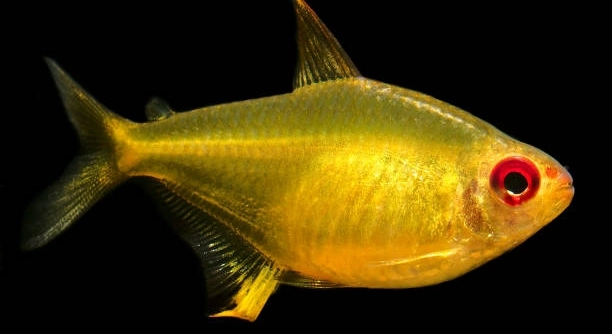
Have you ever wondered how to create a natural space that supports the traits of lemon tetra in your home aquarium, offering them comfort while keeping the setup simple and close to its native habitat.
Building a natural biotope for lemon tetra involves replicating the soft slightly acidic waters and shaded conditions of their South American habitat using leaf litter driftwood and plants to create a stable environment that supports their health and natural behavior.
As you explore this approach, you will find thoughtful choices can enhance their comfort and bring balance to your aquarium.
Understanding the Natural Habitat
Creating a biotope for lemon tetra starts with understanding the conditions they rely on in their native regions. These fish live in slow moving waters with soft textures and muted light, which means your setup should reflect a calm and shaded space. A layer of leaf litter helps soften the water and releases natural compounds that support their comfort. Driftwood adds structure and gives them safe areas to move through without stress. Fine rooted plants offer shelter and help maintain stability in the tank. By keeping each element simple, you can build an environment that feels steady and natural. This approach helps the fish behave with ease and keeps the aquarium balanced. Paying attention to these details allows you to create a space that supports their natural tendencies without overwhelming the layout. A clear plan helps avoid clutter and keeps the focus on what the fish need most each day.
Soft water conditions matter because they keep the fish comfortable and stable. Using natural materials helps maintain these levels without complicated steps. When the water stays consistent, the fish move with ease and show calmer behavior. This simple balance supports their long term wellbeing in a steady and reliable way.
Leaf litter and plants also shape the mood of the aquarium by softening light and creating gentle movement in the water. These features keep the environment quiet and reduce glare, making the fish feel more secure. Driftwood adds natural shelter and helps break up open areas so the fish can explore without feeling exposed. Together, these pieces support a balanced space that feels close to their native habitat. Keeping the layout open and uncluttered makes it easier to maintain stability. A thoughtful mix of these elements creates a tank that remains steady and pleasant for both fish and keeper alike.
Designing the Aquarium Layout
Setting the layout for a lemon tetra biotope starts with simple placement of key features. Using driftwood as the main structure gives the fish clear paths to swim through. Plants help soften edges and support calm behavior. This straightforward approach keeps the tank stable and easy to care for daily.
Designing the layout requires attention to placement so the aquarium feels open yet sheltered. Start by positioning a main piece of driftwood slightly off center to create a natural focal point without blocking movement. Surround it with smaller branches that add layers and give the fish soft shaded spaces to swim through. Add a light layer of leaf litter to the bottom to bring natural color and help condition the water. Place rooted plants around the edges so the middle stays open for schooling behavior. Choosing plants with thin leaves helps keep the look gentle and calm while still offering cover. Keep equipment discreet so the tank maintains a natural appearance. A dark background can soften the lighting and reduce reflection, which helps the fish feel more secure. When each element is placed with purpose, the aquarium becomes stable and comfortable. This clear layout reduces stress, supports natural movement, and keeps the space easy to maintain over time. Consistent upkeep such as gentle water changes and simple debris removal keeps the environment steady without disrupting the structure. These small efforts help preserve the natural feel, allowing the fish to remain calm and active in a space that reflects their origins.
Maintaining Water Conditions
Keeping the water stable is important for lemon tetra, since they rely on soft and slightly acidic conditions. Regular testing helps you catch small shifts early. Using natural materials such as leaf litter keeps the environment gentle and consistent without adding extra steps to your routine.
Maintaining soft water requires attention to both minerals and acidity. A simple mix of filtered water and natural tannin sources helps achieve the right balance. Driftwood and botanicals release mild compounds that support stable conditions over time. Avoid abrupt changes when performing water adjustments, since slow transitions keep the fish comfortable. Consistency matters more than precision, so aim for gentle shifts rather than frequent corrections. When the water stays close to their preferred range, the fish display calm behavior and richer color.
Good filtration helps maintain clarity without creating harsh movement. A sponge filter or a gentle flow setup keeps debris under control while protecting the fish from strong currents. Light water changes done weekly help remove excess waste without disrupting the natural feel of the tank. Allow botanicals to break down at a slow pace, since they contribute to the soft chemical balance that suits lemon tetra. Avoid heavy cleaning sessions that strip away beneficial materials. By focusing on steady upkeep rather than drastic changes, the tank remains stable and supportive.
Choosing the Right Plants and Hardscape
Selecting plants that grow well in soft and shaded conditions helps keep the aquarium consistent with the fish’s needs. Thin leaved species work well because they create gentle shapes without blocking too much space. Their slow growth helps maintain order and keeps maintenance simple and predictable.
Hardscape choices affect how the fish move and rest throughout the day. Driftwood adds shelter and structure without overwhelming the layout. Small branches mimic natural patterns found in their native waters, giving the fish familiar shelter. Adding leaf litter helps soften the bottom and releases natural tannins into the water. Plants placed near the edges create subtle hiding spots while leaving the central area open for schooling behavior. Choosing hardy species reduces upkeep and supports stable long term growth. Keeping the layout simple makes it easier to monitor the tank and maintain balance, allowing the fish to feel secure and active without added stress.
Selecting Substrate and Leaf Litter
Choosing a soft, natural substrate helps the aquarium feel closer to the conditions lemon tetra prefer. Fine sand works well because it keeps debris on the surface, making upkeep easier. A thin layer of leaf litter adds natural shading and supports stable water chemistry.
Using botanicals creates gentle color in the water and helps maintain the slightly acidic levels these fish appreciate. Allow the leaves to break down slowly, since they release helpful compounds over time. Replace only a small portion during maintenance to keep the environment steady and calm.
Managing Lighting for Comfort
Soft lighting supports the peaceful environment lemon tetra need. Using dim or filtered light helps mimic the shaded spaces found in their natural waters. Avoid strong beams or harsh reflections, since they can make the fish uneasy. A consistent lighting schedule keeps their behavior steady throughout the day.
Encouraging Natural Behavior
A calm setup with open swimming space and gentle hiding spots helps lemon tetra display their natural schooling patterns. When the environment feels safe and steady, the fish move with more confidence. Balanced lighting, soft water, and thoughtful layout all contribute to a relaxed and active group.
FAQ
How often should I change the water in a lemon tetra biotope?
Water changes are best done weekly, replacing roughly 20-30% of the tank water. This keeps waste levels low while maintaining stable water chemistry. Using dechlorinated or filtered water at a similar temperature prevents stress. Small, consistent changes are better than large, sudden replacements, which can shock the fish. Regular water checks help catch shifts in pH or hardness, allowing you to adjust gradually and maintain a calm environment that supports natural behavior.
What type of plants work best for lemon tetra tanks?
Lemon tetras prefer slow-growing, thin-leaved plants that tolerate soft, slightly acidic water. Examples include Java fern, Anubias, and Cryptocoryne species. These plants offer shelter, reduce stress, and create a natural appearance. Floating plants like Amazon frogbit or water lettuce provide subtle shade, reducing bright lighting and giving the fish a sense of security. Hardy species are preferable because they require minimal trimming and support a stable, low-maintenance ecosystem.
Can I keep other fish with lemon tetra?
Yes, small, peaceful species are suitable tankmates. Consider other tetras, rasboras, or small Corydoras catfish. Avoid aggressive or large fish that may stress or harm them. Maintaining consistent water parameters and providing enough hiding spaces ensures all species coexist comfortably. Grouping similar species supports natural schooling behavior and reduces territorial disputes, keeping the tank balanced and calm. A mixed community can thrive when careful attention is paid to compatibility, diet, and shared habitat needs.
How do I prevent algae growth in a biotope tank?
Algae can be controlled by keeping lighting moderate, maintaining clean water, and balancing nutrient levels. Live plants compete for nutrients, helping reduce algae. Avoid overfeeding, as excess food accelerates growth. Adding floating plants can diffuse light and provide shade, while gentle water movement prevents stagnant areas. Regular observation helps catch early signs before it spreads, making management easier. A stable ecosystem with balanced light, nutrients, and maintenance naturally minimizes algae without harsh chemicals.
What is the best way to feed lemon tetra?
Lemon tetras thrive on a varied diet of high-quality flake food, micro pellets, and occasional live or frozen options like brine shrimp or daphnia. Feed small portions 1-2 times daily to prevent leftovers and maintain water quality. Observing their feeding behavior ensures all fish receive enough nutrition without overfeeding. Providing a mix of foods helps maintain bright coloration and supports natural activity levels. Rotating diet options also encourages healthy growth and overall wellbeing.
How can I encourage natural schooling behavior?
Lemon tetras feel secure in groups of at least six, which promotes cohesive swimming patterns. Keeping the tank layout open with gentle hiding spots allows them to move freely without feeling exposed. Stable water conditions, soft lighting, and adequate cover reduce stress and support synchronized movement. Observing their interaction over time helps gauge comfort and environmental suitability. Creating a balanced, calm environment encourages confident, active schooling that mirrors behavior in natural habitats.
What water parameters are ideal for lemon tetra?
Maintain soft water with a general hardness (GH) of 1-8 dGH and slightly acidic pH between 5.5-7.0. Temperature should stay around 23-28°C (73-82°F). Stability is key, as sudden shifts can cause stress and illness. Using driftwood, leaf litter, and botanicals helps mimic natural chemical conditions, maintaining the slightly acidic environment the fish prefer. Frequent monitoring and gentle adjustments ensure consistent parameters, keeping the fish healthy, calm, and active.
How do I handle fish stress in a biotope tank?
Stress often comes from overcrowding, poor water quality, or sudden changes in light or temperature. Ensure plenty of swimming space, shaded areas, and gentle water flow. Maintain stable parameters and monitor fish for erratic swimming or hiding. Gradual introductions of new tankmates and plants reduce stress. Consistent maintenance routines and a calm environment help lemon tetras remain healthy, active, and display natural behaviors without fear or tension.
Can I use substrate other than sand?
Yes, fine gravel is an option, but it should be smooth to avoid injury. Sand is preferred because it allows natural foraging and prevents debris accumulation below the surface. Mixing in leaf litter supports water softness and adds natural shading. Avoid sharp or rough materials that could harm delicate fins. Choosing the right substrate helps maintain a natural environment that promotes comfort, safe swimming, and natural feeding behavior.
How do I manage decomposition of leaf litter and driftwood?
Allow leaves and driftwood to break down slowly, which releases beneficial tannins into the water. Remove large decayed pieces to prevent excessive buildup. A gentle filtration system supports decomposition without disturbing the tank’s balance. Adding new leaves gradually maintains a steady supply while avoiding sudden chemical changes. Monitoring water clarity and chemistry ensures decomposition benefits the ecosystem, creating a calm, natural environment for lemon tetra to thrive.
Creating a natural biotope for lemon tetra is all about keeping things simple and consistent. The goal is to replicate the conditions these fish experience in their native habitats. Soft, slightly acidic water, gentle lighting, and shaded areas all contribute to their comfort. Including driftwood, leaf litter, and slow-growing plants adds structure while maintaining a natural feel. Each element plays a role in supporting the fish’s health, behavior, and well-being. When these conditions are maintained, the fish are more active, show brighter colors, and display natural schooling patterns that are calming to watch. This approach avoids complicated setups and focuses on creating a steady, balanced environment.
Maintaining stability in the tank is essential. Lemon tetra are sensitive to abrupt changes in water chemistry, temperature, and lighting. Regular, small water changes, consistent feeding, and careful monitoring help prevent stress. Using botanicals like leaves and driftwood supports water softness and adds natural tannins, which mimic their natural waters. Plants provide shelter and help maintain water quality by absorbing excess nutrients. A simple layout with open swimming space and strategic hiding spots allows the fish to feel secure while still encouraging active movement. Over time, these small efforts make a significant difference, ensuring the fish remain healthy and display their natural behavior.
Taking care of a biotope tank is about attention to detail and patience. Choosing the right substrate, arranging plants and hardscape thoughtfully, and monitoring the water regularly all contribute to a thriving environment. Avoiding overcrowding and selecting compatible tankmates helps maintain calm and reduces competition or stress. Observing the fish daily allows you to notice subtle changes in behavior or health, which can indicate if adjustments are needed. The focus should always be on creating a natural, stable habitat that supports the lemon tetra’s needs. Over time, the tank becomes a peaceful, balanced ecosystem that benefits both the fish and the person caring for it, providing satisfaction and a sense of accomplishment.

Hello,
If you enjoy the content that we create, please consider saying a "Thank You!" by leaving a tip.
Every little bit helps us continue crafting quality advice that supports the health, happiness, and well-being of pets around the world, for pets of all shapes, sizes, and species.
We really appreciate the kindness and support that you show us!