7 Signs of Aging in Lemon Tetra

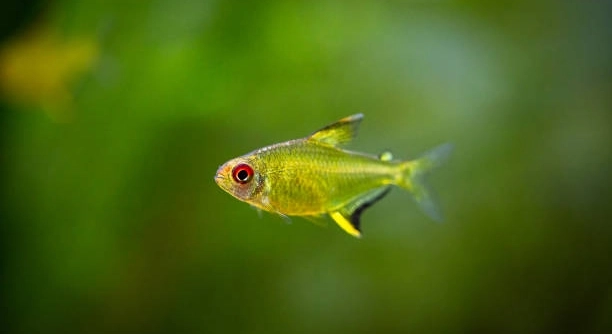
Lemon tetras are small, lively fish that brighten any aquarium with their vibrant yellow hue. Observing them over time can reveal subtle changes, signaling their natural aging process. Recognizing these shifts helps maintain their comfort and overall well-being. Common signs of aging in lemon tetras include faded coloration, slower swimming patterns, reduced appetite, fin wear, … Read more
How to Track Lemon Tetra Growth Progress

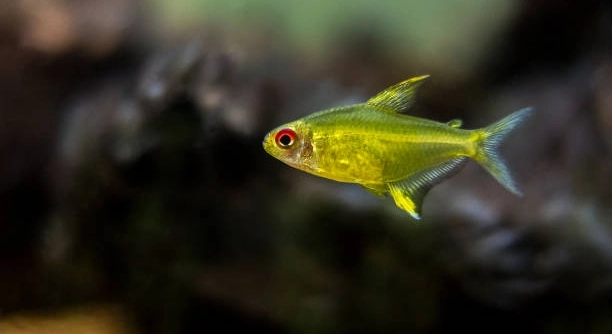
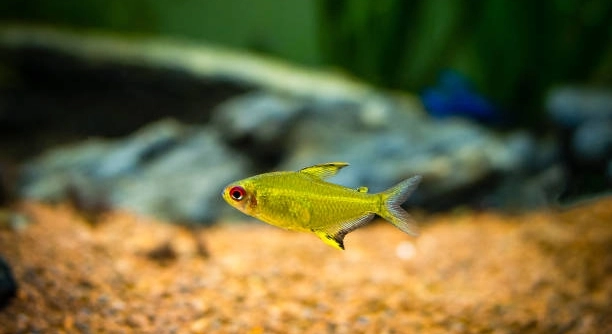
Watching your Lemon Tetra swim gracefully in the aquarium can be rewarding, but keeping track of their growth requires attention. Noticing subtle changes in size and behavior helps ensure their health and thriving environment. Observation is key. Tracking Lemon Tetra growth involves measuring body length, monitoring coloration, and recording behavioral changes over time. Regular documentation … Read more

7 Reasons Lemon Tetra Die Suddenly

Have you ever noticed your lemon tetras acting strangely or hiding more than usual? These small, bright fish can seem healthy one day and then suddenly become weak or even die unexpectedly in your aquarium. Lemon tetras may die suddenly due to poor water quality, improper diet, disease, stress, overcrowding, sudden temperature changes, or inadequate … Read more

Can Arowana Feel Changes in Air Pressure?

Do you ever notice your Arowana acting restless or swimming differently just before a storm or a sudden change in weather? These subtle shifts in behavior often catch the attention of fish owners and enthusiasts alike. Arowanas are sensitive to changes in air pressure, which can affect their swimming patterns, feeding habits, and general behavior. … Read more

7 Signs Lemon Tetra Are Getting Along Well

Are your lemon tetras swimming calmly together and creating a peaceful atmosphere in your aquarium, making you wonder what signs show they are truly getting along well in their shared space each day at home? Lemon tetras show good social harmony when they swim together smoothly, maintain steady group formation, display bright coloration, avoid aggressive … Read more

7 Subtle Ways Lemon Tetra Communicate

Lemon tetras are small, bright fish that brighten any aquarium. They move gracefully in groups and seem to respond to each other in ways that show they are more aware than they first appear. Lemon tetras communicate through subtle body movements, color changes, and fin gestures. These signals allow them to establish hierarchy, coordinate schooling, … Read more

Do Lemon Tetra Ever Nap During the Day?

Lemon tetras are small, bright fish that bring life to home aquariums. Observing their daily behavior can be relaxing, and many owners notice patterns in their movement and resting habits. Their activity varies depending on tank conditions. Lemon tetras do experience periods of rest during the day. These fish reduce their activity, often hovering near … Read more

Do Lemon Tetra Have a Pecking Order?

Lemon tetras are small, vibrant fish that brighten any freshwater aquarium. They are social creatures, often swimming in groups, and their interactions can reveal subtle behaviors. Observing these behaviors can help you better understand their daily lives. Lemon tetras do exhibit a pecking order within their groups. Dominance hierarchies influence feeding, swimming positions, and social … Read more

Can Lemon Tetra Jump Out of the Tank?

Do you ever notice your lemon tetras swimming near the surface of the tank, sometimes making sudden leaps? These small, bright fish are active and playful, often exploring their surroundings with energetic movements and curiosity. Lemon tetras can occasionally jump out of the tank, particularly if the water conditions are poor or if they feel … Read more

7 Hidden Stressors in Otherwise Clean Tanks

Are your fish tanks spotless yet still seem to stress your aquatic pets? Even when tanks look clean, hidden factors can quietly affect your fish’s health and comfort, making tank care more complicated than it appears at first glance. Even in visually clean tanks, subtle stressors such as improper water flow, inconsistent temperature, chemical residues, … Read more