Can Cherry Shrimp Recover from a Tank Crash?
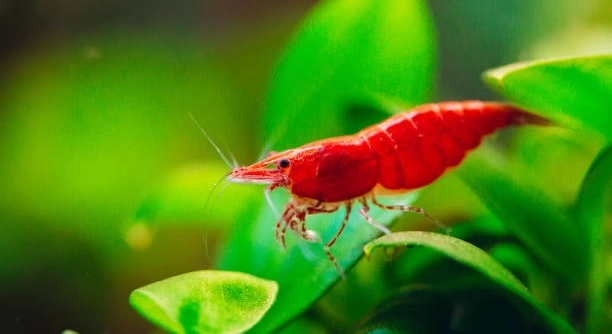
Canary-colored cherry shrimp are delicate creatures that thrive in stable, clean environments. Sudden changes in water quality, temperature, or chemical balance can shock them, sometimes leading to severe health problems or even mass casualties in your tank. Cherry shrimp can recover from a tank crash if the water parameters are stabilized promptly and stress factors … Read more
Can Cherry Shrimp Survive a Tank Crash?

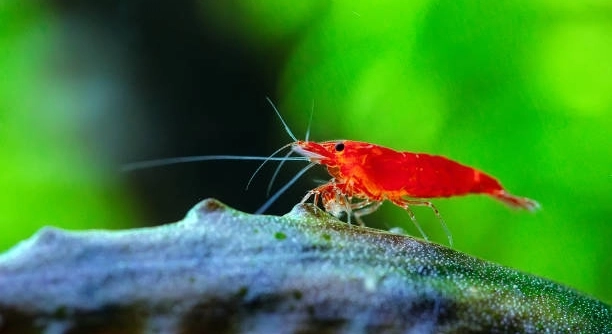
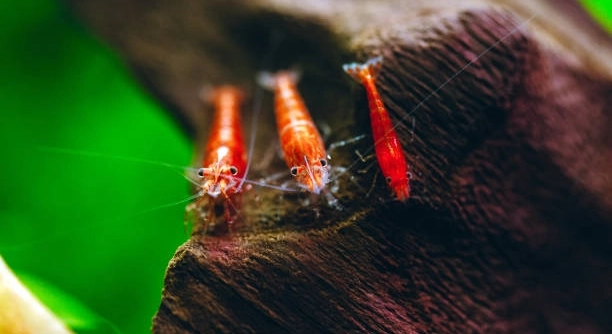
Cherry shrimp are delicate freshwater creatures that add color and life to aquariums. Their small size and gentle nature make them vulnerable to sudden disturbances, which can affect their wellbeing and overall survival in the tank. Cherry shrimp can survive a tank crash depending on the severity of the incident. Sudden impacts can cause stress, … Read more

7 Causes of Cherry Shrimp Color Loss (+Fixes)

Cherry shrimp are a popular choice for aquariums due to their bright, vibrant colors. However, it can be frustrating when these colors start to fade, making your tank look dull and less lively overall. Color loss in cherry shrimp typically occurs due to stress, poor diet, water quality issues, or genetic factors. Each of these … Read more

7 Reasons Your Shrimp Are Avoiding the Surface

Are your shrimp staying near the bottom of the tank instead of swimming at the surface? Many shrimp owners notice this behavior and wonder if something is wrong with their water, environment, or feeding routine. Shrimp often avoid the surface due to a combination of stress, poor water quality, insufficient oxygen, inadequate lighting, aggressive tank … Read more

Are Cherry Shrimp Affected by Seasonal Changes?

Are you keeping cherry shrimp in your home aquarium and noticing subtle changes in their activity over the year? These tiny, colorful creatures can respond to shifts in their environment, making seasonal variations worth observing carefully. Cherry shrimp are affected by seasonal changes mainly through water temperature and daylight variations. These shifts influence their metabolism, … Read more

Do Cherry Shrimp Recognize Shrimp From Other Tanks?

Do your cherry shrimp often seem busy in their tanks, but you notice them pausing to observe each other? Watching these tiny creatures can make anyone appreciate the subtle ways they interact and respond to their environment. Cherry shrimp do not have the cognitive ability to recognize shrimp from other tanks as distinct individuals. Their … Read more

7 Reasons Cherry Shrimp Cling to the Filter

Cherry shrimp are charming little creatures that add color and life to any freshwater aquarium. Many hobbyists enjoy watching them, yet sometimes they cling to the filter for long periods. This behavior can be puzzling and concerning. Cherry shrimp often cling to the filter due to water flow, oxygen levels, hiding instincts, stress, food availability, … Read more

7 Situations When Cherry Shrimp Seem Frozen

Cherry shrimp are small, colorful, and lively additions to any freshwater aquarium. Occasionally, they appear completely still, giving the impression they are frozen. This behavior can be puzzling, especially for new aquarium owners observing their tanks. Cherry shrimp sometimes seem frozen due to stress, low water temperature, molting, illness, low oxygen levels, aging, or sudden … Read more

Why Cherry Shrimp Avoid Certain Lighting Setups

Cherry shrimp are small, delicate creatures that live in freshwater tanks. Their behavior is influenced by many environmental factors, including the lighting in their habitat. Observing how they react to light can help improve their care. Cherry shrimp avoid certain lighting setups because intense or poorly positioned lights can stress them. Excessive brightness alters their … Read more

7 Times Cherry Shrimp Refuse to Come Out

Cherry shrimp are charming little creatures that brighten up any aquarium. They often explore their environment freely, but sometimes they hide for long periods, leaving owners quietly observing without much activity from their pets. Cherry shrimp may refuse to come out due to stress, poor water conditions, or inadequate hiding spots. Environmental changes, high light … Read more