
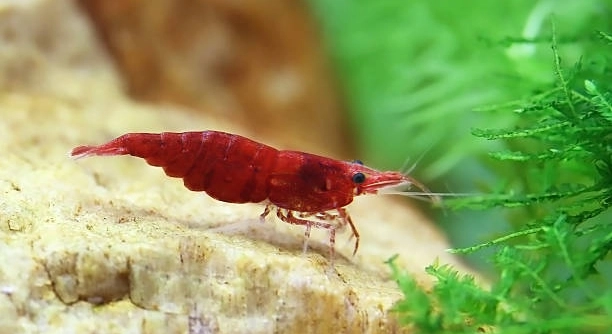
Cherry shrimp are small, colorful, and lively additions to any freshwater aquarium. Occasionally, they appear completely still, giving the impression they are frozen. This behavior can be puzzling, especially for new aquarium owners observing their tanks.
Cherry shrimp sometimes seem frozen due to stress, low water temperature, molting, illness, low oxygen levels, aging, or sudden changes in their environment. Each factor can cause reduced movement as a survival or physiological response.
Understanding these situations will help you respond appropriately and ensure your shrimp stay healthy and active in their aquatic home.
Stress and Sudden Changes
Cherry shrimp are sensitive creatures, and sudden changes in their environment can make them appear frozen. Moving the tank, rearranging decorations, or changing water conditions quickly can overwhelm them. When stressed, their metabolism slows, and they often stay still to conserve energy. Even small disturbances, like tapping the glass or adding new tankmates, may trigger this behavior. Stress can also weaken their immune system, making them more prone to illness. It is common for shrimp to hide or freeze in corners during these times. Observing their usual patterns helps identify when they are under stress. Keeping a stable environment, consistent feeding, and gentle handling can reduce these episodes.
Stress-related stillness is temporary if addressed promptly. Providing calm conditions and gradual adjustments often restores their normal activity.
Reducing stress in shrimp is about predictability and comfort. Gradually acclimating new water or plants and maintaining steady lighting and temperature help them feel secure. Hiding spots and plants offer refuge, so they don’t feel exposed. Avoid sudden additions of tankmates or aggressive species. By watching their behavior, you can see when they are adjusting. Consistent feeding, gentle water changes, and a stable environment encourage movement and natural activity, ensuring they thrive without prolonged freezing episodes.
Low Water Temperature
Cold water slows shrimp metabolism, making them appear almost frozen. Cherry shrimp are tropical and prefer stable, warm temperatures.
If the water drops below their comfort range, they may move minimally or freeze in place.
Maintaining a heater and monitoring water temperature regularly is essential. Gradual adjustments prevent shock, as sudden changes can stress them. Even brief exposure to cooler water can reduce activity significantly. Low temperatures affect feeding habits, growth, and molting schedules. Observing them during temperature shifts allows early intervention to restore proper warmth. A well-maintained aquarium with steady conditions helps shrimp stay active and healthy. Keeping the tank between 72°F and 78°F supports metabolism and natural behaviors, reducing frozen appearances.
Slow acclimation during seasonal changes or tank maintenance protects them. Combining stable temperature with proper diet and water quality ensures shrimp remain lively. Monitoring behavior and temperature together allows for quick adjustments. Over time, consistent conditions minimize freezing events and promote longer lifespans. Warm water encourages regular movement, feeding, and molting, supporting overall shrimp well-being.
Molting
Molting is a natural process where cherry shrimp shed their exoskeleton to grow. During this time, they often remain very still, appearing frozen.
Molting is stressful for shrimp, and movement is minimized to avoid vulnerability. After shedding, the new exoskeleton is soft, and they stay hidden to prevent injury or predation. This behavior can last several hours depending on age, size, and water conditions. Young shrimp molt more frequently, while older shrimp do so less often. Providing hiding spots, stable water conditions, and proper nutrition helps them molt safely. Observing their behavior before and after molting can reassure you they are healthy and active again once the process completes.
During molting, it’s crucial to avoid disturbing them. Sudden water changes or aggressive tankmates can stress them further, sometimes causing them to abandon feeding or even delay molting. Maintaining a clean tank with adequate minerals and calcium supports strong exoskeleton formation. Shrimp may float, cling to surfaces, or hide under plants while their new shell hardens. Patience and careful observation ensure they complete the process safely and resume normal activity without injury.
Low Oxygen Levels
Cherry shrimp need sufficient oxygen to move and feed properly. Reduced oxygen can cause them to freeze and remain inactive.
Low oxygen may result from overcrowding, stagnant water, or high temperatures. Adding aeration, plants, or improving water circulation helps maintain proper oxygen levels.
Oxygen depletion affects shrimp behavior quickly. They may gather near the surface or cling to plants and decorations in search of oxygen. Maintaining moderate stocking levels, ensuring proper filtration, and regularly checking water parameters prevent prolonged low oxygen conditions. Plants can help by producing oxygen during the day, while gentle water movement distributes it evenly. Monitoring shrimp for inactivity or gasping behavior helps identify oxygen issues early. Sudden freezing episodes often coincide with nighttime drops in oxygen, so attention to circulation and aeration during low-light periods is important. Proper oxygenation ensures shrimp remain active, feed normally, and molt successfully, reducing the risk of frozen appearances.
Illness or Parasites
Shrimp affected by illness or parasites often become very still. Their movement slows, and they may cling to surfaces or hide more than usual.
Signs include faded color, unusual spots, or sluggish behavior. Early detection and proper water care are essential to prevent worsening conditions.
Aging
As cherry shrimp get older, their activity naturally decreases. Older shrimp may stay in one place for long periods, giving the impression they are frozen.
Aging shrimp require gentle care, stable water conditions, and consistent feeding. Observing their behavior ensures they remain comfortable and live out their lifespan safely.
Sudden Water Changes
Rapid changes in water parameters, like pH, hardness, or temperature, can shock shrimp. They may stop moving entirely to adjust internally.
Monitoring water stability and making gradual adjustments helps prevent stress-induced freezing and keeps shrimp active.
Why do my cherry shrimp sometimes appear frozen for hours?
Cherry shrimp can appear frozen for hours due to stress, molting, low water temperature, or low oxygen levels. During these periods, their metabolism slows, and they minimize movement to conserve energy. Young shrimp or newly introduced shrimp are more prone to this behavior. Observing tank conditions and providing hiding spaces helps them feel safe.
Is it normal for shrimp to stay still after molting?
Yes, it is normal. After shedding their exoskeleton, their new shell is soft and vulnerable. Shrimp remain still to avoid injury or predation. This resting period can last from a few hours to an entire day depending on water quality, temperature, and the shrimp’s age.
Can low water temperature really cause shrimp to freeze?
Absolutely. Cherry shrimp are tropical and prefer stable, warm water between 72°F and 78°F. Cooler water slows their metabolism, reducing movement and feeding. Even minor drops can cause them to appear frozen. Using a reliable heater and monitoring temperature consistently prevents these episodes.
How can I tell if shrimp are stressed?
Stressed shrimp may hide excessively, cling to surfaces, or move very little. Signs also include faded colors, rapid breathing, or refusing food. Sudden changes in tank layout, water chemistry, or aggressive tankmates often trigger stress. Maintaining stable water parameters, gradual changes, and gentle handling helps them recover.
Do parasites make shrimp freeze?
Parasites and illness can cause shrimp to stay still. Infected shrimp often show unusual spots, discoloration, or lethargy. Prompt action, including quarantining sick shrimp and improving water quality, can prevent further health issues. Observation and early detection are key to minimizing the impact of parasites.
Is freezing behavior dangerous for shrimp?
Freezing itself isn’t always dangerous if it’s short-term. However, prolonged inactivity can indicate stress, poor water conditions, or disease. Long periods without movement can lead to weaker immune systems, delayed molting, or even death. Ensuring proper tank conditions and monitoring behavior reduces risks.
How can I prevent my shrimp from appearing frozen?
Stable tank conditions are essential. Gradually acclimate new shrimp, avoid sudden water changes, maintain consistent temperature, provide hiding spots, and ensure proper oxygen levels. Regular monitoring of water parameters, gentle feeding, and avoiding overcrowding also reduce instances of frozen behavior.
Do all shrimp species freeze like cherry shrimp?
Not all species show the same behavior. Cherry shrimp are particularly sensitive to temperature, stress, and water changes, which makes them more prone to freezing. Other species may react differently, but monitoring movement and health is important for all shrimp types.
How long should frozen behavior last before I intervene?
If shrimp remain motionless beyond a few hours, check water parameters, oxygen levels, and temperature. Short-term stillness is normal, but prolonged inactivity can signal stress, molting difficulties, or health problems. Intervene carefully, making gradual corrections rather than sudden changes to avoid worsening stress.
Can diet affect freezing behavior?
Yes. Poor nutrition can weaken shrimp, making them less active. Balanced diets rich in minerals, proteins, and vitamins support metabolism, molting, and overall vitality. Feeding small portions regularly helps maintain energy and reduces prolonged stillness.
Will shrimp recover after freezing due to stress or cold?
Most shrimp recover if the cause is addressed promptly. Returning water to optimal conditions, reducing disturbances, and ensuring proper diet help them resume normal movement. Monitoring their activity for a day or two after intervention confirms recovery.
Are hiding spots important to prevent frozen appearances?
Absolutely. Plants, decorations, and small shelters allow shrimp to feel safe during stressful or vulnerable times. Providing adequate hiding spots reduces stress, encourages natural behavior, and minimizes periods where shrimp appear frozen.
Final Thoughts
Cherry shrimp are small but sensitive creatures that react strongly to their environment. When they appear frozen, it is usually a response to changes in water temperature, oxygen levels, stress, or natural processes like molting. Understanding why they behave this way is important for their well-being. Observing their patterns closely can give insight into what is happening in the tank. Even small factors, like sudden light changes, tank rearrangements, or the addition of new tankmates, can cause them to stay still. By paying attention to these details, you can respond quickly and reduce the length and frequency of these frozen episodes.
Maintaining stable water conditions is key to preventing prolonged inactivity. Cherry shrimp thrive in temperatures between 72°F and 78°F and require adequate oxygen levels and clean water. Regular monitoring of water parameters, gradual changes, and proper aeration can prevent stress and low-oxygen conditions. Providing hiding spots with plants or decorations allows shrimp to feel secure while molting or adjusting to minor changes. Nutrition also plays a role; a balanced diet with minerals and proteins supports their metabolism, molting, and overall vitality. When shrimp have stable conditions, proper food, and safe hiding spaces, they are more likely to move naturally and show healthy behaviors.
Patience is essential when caring for cherry shrimp. Periods of stillness are often temporary and part of normal shrimp behavior, especially during molting or environmental adjustment. Quick reactions to sudden movement or attempts to intervene may cause more harm than good. Instead, monitoring and gradual adjustments are safer and more effective. Over time, consistent care, attention to water quality, and gentle handling will help shrimp thrive and reduce instances where they appear frozen. By understanding their needs and natural behavior, you can ensure your cherry shrimp remain active, healthy, and comfortable in their tank.

Hello,
If you enjoy the content that we create, please consider saying a "Thank You!" by leaving a tip.
Every little bit helps us continue crafting quality advice that supports the health, happiness, and well-being of pets around the world, for pets of all shapes, sizes, and species.
We really appreciate the kindness and support that you show us!