
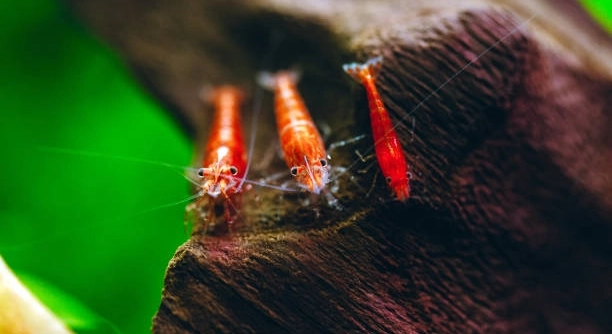
Cherry shrimp are a popular choice for aquariums due to their bright, vibrant colors. However, it can be frustrating when these colors start to fade, making your tank look dull and less lively overall.
Color loss in cherry shrimp typically occurs due to stress, poor diet, water quality issues, or genetic factors. Each of these elements can weaken pigmentation, and addressing them systematically is essential to restoring and maintaining the shrimp’s natural, vivid hues.
Understanding the causes and solutions will help your shrimp regain their natural brilliance and keep your aquarium visually appealing and healthy.
Stress and Its Impact on Color
Stress is one of the main reasons cherry shrimp lose their vibrant colors. Changes in water parameters, sudden temperature shifts, or aggressive tank mates can trigger stress. When shrimp are stressed, their bodies focus on survival rather than maintaining bright coloration. Even small disturbances, like frequent handling or moving decorations, can affect their pigment over time. Overcrowding in the tank also adds to stress, making it difficult for shrimp to establish hiding spots and personal space. It is important to provide a stable environment with consistent water quality and temperature. Regular monitoring of ammonia, nitrite, and nitrate levels helps ensure the tank remains suitable for shrimp. Providing plenty of hiding spots using plants or décor allows them to feel secure. By minimizing stress factors, shrimp can retain their natural reds, oranges, and other vibrant shades. A calm environment supports their overall health as well as color maintenance.
Stress can be reduced by keeping tank conditions stable and providing sufficient hiding spaces for the shrimp.
Observing your shrimp closely can reveal subtle signs of stress before color loss becomes noticeable. Behavioral changes like hiding more often or reduced movement indicate stress levels are high. Water testing should be done regularly to catch issues early. A stable temperature between 72-78°F, consistent feeding routines, and avoiding sudden water changes help keep stress low. Compatible tank mates prevent aggression that may lead to shrimp retreating into hiding constantly. Planting mosses or dense foliage not only offers cover but also surfaces for grazing. Stress management directly impacts shrimp color, health, and lifespan. Over time, shrimp exposed to minimal stress exhibit more vivid pigmentation and display natural behaviors confidently. Addressing stress promptly is key to preventing long-term effects and ensuring the shrimp thrive.
Poor Diet and Nutrient Deficiency
A lack of proper nutrients can quickly lead to faded coloration in cherry shrimp.
Cherry shrimp require a balanced diet rich in carotenoids, proteins, and vitamins to maintain their red, orange, or other colors. Foods high in astaxanthin, like certain algae, shrimp pellets, and blanched vegetables, support pigmentation. A diet limited to basic flakes or plant matter often fails to provide enough color-enhancing nutrients. Variety is important, as shrimp need a mix of proteins and vegetables to stay healthy. Overfeeding can also be harmful, leading to water quality issues that indirectly affect color. Ensuring a consistent supply of natural pigments strengthens the exoskeleton and helps maintain vibrant shades. Observing shrimp during feeding can help determine if all individuals are accessing the food equally, as weaker shrimp may be outcompeted. Feeding small portions multiple times a week instead of large infrequent meals ensures continuous nutrient availability. Paying attention to diet is a straightforward step to preventing and fixing color loss effectively.
Poor Water Quality
Cherry shrimp are sensitive to water conditions, and poor water quality can cause their colors to fade. High ammonia, nitrite, or nitrate levels stress the shrimp, while fluctuating pH or hard water can weaken pigmentation over time.
Maintaining clean water is essential for healthy, colorful shrimp. Frequent water changes, around 10-20% weekly, help remove toxins and keep nitrate levels low. Testing water regularly ensures ammonia and nitrite remain at zero. Stable pH and temperature contribute to overall health, reducing stress that affects coloration. Adding live plants can also improve water quality by absorbing nitrates and providing hiding spots. Overfeeding can pollute water quickly, so feeding small portions and removing uneaten food prevents spikes in harmful compounds. Filter maintenance is equally important, as a clogged filter can reduce water circulation and lead to stagnant areas, which may harm shrimp. Clean, stable water helps shrimp display their brightest colors naturally and thrive without constant health concerns.
Using a reliable water test kit and maintaining a consistent cleaning schedule keeps shrimp vibrant and healthy.
Regular monitoring and careful maintenance create an environment that prevents color loss. Healthy water supports growth, strong shells, and natural pigmentation. Avoiding abrupt chemical or temperature changes reduces stress that dulls colors. Providing sufficient filtration, gentle water flow, and stable conditions ensures shrimp can flourish. Observing shrimp behavior helps detect early signs of stress or illness linked to water quality. Combining these practices with proper feeding strengthens shrimp immunity and preserves their natural coloration. Consistency is key, as sudden fluctuations in parameters can reverse progress quickly. Over time, well-maintained water leads to more vivid, long-lasting colors and reduces susceptibility to disease.
Genetics and Age
Some shrimp naturally have weaker pigmentation due to their genetic background, which can affect color intensity. Older shrimp may also fade as part of the aging process.
Genetic factors play a strong role in how vibrant a shrimp’s coloration can be. Selective breeding programs often produce strains with more intense reds or oranges, while mixed genetics may result in paler individuals. Even with optimal care, shrimp with certain genetics may never achieve the deep, bright colors of selectively bred strains. Age also affects color; older shrimp may gradually lose pigment as their metabolism slows and their exoskeletons become less vibrant. Maintaining good care throughout their life can slow this process, but genetics and age ultimately set limits. Choosing shrimp with strong coloration from reputable sources increases the likelihood of maintaining bright colors in your tank.
Understanding genetics and the natural aging process helps set realistic expectations for shrimp coloration. Proper care can enhance, but not fully override, these natural factors.
Insufficient Lighting
Cherry shrimp need adequate lighting to maintain vibrant colors. Too little light can cause their pigmentation to fade and make their tank appear dull.
Providing consistent, moderate lighting encourages natural behaviors and supports plant growth. Strong light alone won’t enhance color, but insufficient lighting can weaken shrimp health and reduce their natural red or orange shades.
Molting Issues
Problems with molting can affect shrimp coloration. Incomplete or stressful molts can cause temporary fading and a dull appearance in their exoskeleton. Maintaining proper calcium levels and stable water conditions ensures smooth molts and supports recovery of color over time.
Disease and Parasites
Illnesses and parasites can impact shrimp color. Infected or weakened shrimp often lose vibrancy as the body diverts energy toward fighting infection rather than maintaining pigmentation. Prompt detection, treatment, and quarantining affected shrimp are essential to prevent widespread color loss in the tank.
Tankmate Stress
Aggressive or overly active tankmates can stress cherry shrimp. Constant harassment or competition reduces hiding opportunities, causing shrimp to lose color as they prioritize safety over maintaining bright pigmentation.
Why are my cherry shrimp losing color so quickly?
Color loss in cherry shrimp is usually linked to stress, diet, or water quality. Sudden changes in temperature, poor water parameters, or overcrowding can trigger fading. Even minor stressors, like frequent handling or aggressive tankmates, can affect their pigment. Maintaining a stable, calm environment is essential for preventing rapid color loss. Consistent water testing, careful feeding, and plenty of hiding spaces allow shrimp to thrive and retain their natural coloration.
Can poor diet really affect shrimp color?
Yes, nutrition plays a major role. Cherry shrimp need a mix of proteins, vitamins, and carotenoids to maintain bright reds and oranges. Foods rich in astaxanthin, like algae, blanched vegetables, and specialized shrimp pellets, enhance pigmentation. Feeding a limited or unbalanced diet can lead to dull or pale shrimp over time. Small, frequent feedings ensure shrimp get proper nutrients without polluting the water. Watching shrimp during meals helps confirm all individuals are eating adequately.
How often should I test my tank water?
Regular testing is crucial for vibrant shrimp. Ammonia and nitrite should remain at zero, and nitrate levels should stay low. Testing once or twice a week is usually enough, but more frequent checks are needed if new shrimp are introduced or if feeding increases. Stable pH and temperature also help reduce stress and preserve color. Combining testing with regular partial water changes keeps shrimp healthy and colorful.
Do genetics affect color intensity?
Absolutely. Some shrimp naturally have weaker pigmentation due to their genetic background. Even with perfect care, these shrimp may never show deep reds or oranges. Selective breeding produces strains with stronger colors, while mixed genetics can result in paler shrimp. Aging also affects coloration, with older shrimp losing pigment gradually. Understanding genetics helps set realistic expectations for color potential in your tank.
How does lighting influence shrimp color?
Adequate lighting supports both shrimp and plant health. While light alone won’t create brighter shrimp, insufficient lighting can make colors fade over time. Moderate, consistent lighting encourages natural behavior and supports plants, which in turn provide grazing surfaces and hiding spots. Avoid sudden changes in lighting to reduce stress and maintain vibrancy.
Can tankmates cause color loss?
Yes. Aggressive or overly active tankmates stress cherry shrimp. Constant chasing or competition for hiding spots can make shrimp retreat and dull their colors. Choosing peaceful tankmates and providing plenty of cover reduces stress, helping shrimp maintain natural pigmentation. Observing shrimp behavior regularly can reveal early signs of stress.
Do diseases or parasites affect shrimp color?
Infections and parasites can cause shrimp to lose vibrancy as their bodies focus energy on healing. Weak or sick shrimp may appear pale or translucent. Prompt detection, quarantining affected individuals, and treating the tank when necessary prevents color loss from spreading. Maintaining water quality and nutrition strengthens immunity against disease.
How can I help shrimp regain lost color?
Address the main factors: stress, diet, water quality, and tankmates. Ensure stable water parameters, provide a balanced diet with pigment-rich foods, and reduce stressors in the tank. Over time, shrimp exposed to optimal care will gradually regain their natural colors. Patience is key, as recovery may take several molts.
Is color loss permanent?
Not always. Temporary fading due to stress, diet, or water quality can often be reversed. Persistent fading due to genetics or age is permanent. Understanding the cause helps determine whether changes in care can restore vibrancy or if the shrimp’s natural limits are being reached.
What signs indicate shrimp are healthy and colorful?
Active swimming, regular feeding, smooth molts, and vibrant pigmentation are good indicators. Shrimp that maintain bright colors, explore the tank, and show natural behavior are healthy. Dull colors, hiding constantly, or slow movement may indicate stress, poor water quality, or illness that requires attention.
How long does it take for color to return after improvements?
Color recovery depends on the shrimp’s age, health, and the severity of fading. Generally, noticeable improvements occur over a few molts, often within weeks. Providing stable water, proper diet, and reduced stress accelerates recovery. Patience and consistent care are essential for restoring natural vibrancy.
Maintaining the vibrant colors of cherry shrimp requires attention to multiple factors at once. Stress, diet, water quality, genetics, and tank conditions all play important roles in how bright their pigmentation appears. Stress can come from sudden changes in temperature, pH fluctuations, aggressive tankmates, or overcrowding. Even minor disturbances in their environment, like moving decorations or frequent handling, can trigger fading. By observing shrimp behavior closely and ensuring stable tank conditions, many of these stressors can be minimized. Providing plenty of hiding spots and maintaining consistent water parameters helps shrimp feel secure and reduces color loss caused by stress.
Diet is another major factor that influences shrimp coloration. Cherry shrimp need a balanced diet rich in proteins, vitamins, and pigments like carotenoids to maintain red, orange, or other colors. Foods like algae, blanched vegetables, and specialized shrimp pellets support natural pigmentation, while a limited diet may cause fading over time. Feeding small portions multiple times per week ensures shrimp get proper nutrition without polluting the tank. Even with excellent care, genetics can limit how bright an individual shrimp will appear. Some shrimp naturally have weaker pigmentation due to their lineage, and older shrimp may lose vibrancy as part of the aging process. Understanding these natural limits helps set realistic expectations for shrimp color.
Water quality and tank conditions play a critical role in overall shrimp health and pigmentation. Ammonia and nitrite should remain at zero, while nitrate levels must be low to prevent stress and color loss. Regular testing, partial water changes, and stable temperature management help maintain a safe environment. Lighting also contributes indirectly by supporting plants and providing grazing surfaces, which improve overall shrimp health. Tankmates should be carefully chosen to prevent harassment or competition that can stress shrimp. Addressing these factors consistently allows shrimp to retain their natural colors over time. With proper attention to stress, diet, water quality, and genetics, cherry shrimp can thrive, showing bright and healthy coloration that enhances any aquarium.

Hello,
If you enjoy the content that we create, please consider saying a "Thank You!" by leaving a tip.
Every little bit helps us continue crafting quality advice that supports the health, happiness, and well-being of pets around the world, for pets of all shapes, sizes, and species.
We really appreciate the kindness and support that you show us!